Information
City: Manchester NHCountry: USA New Hampshire
Continent: North America
Manchester NH, USA New Hampshire, North America
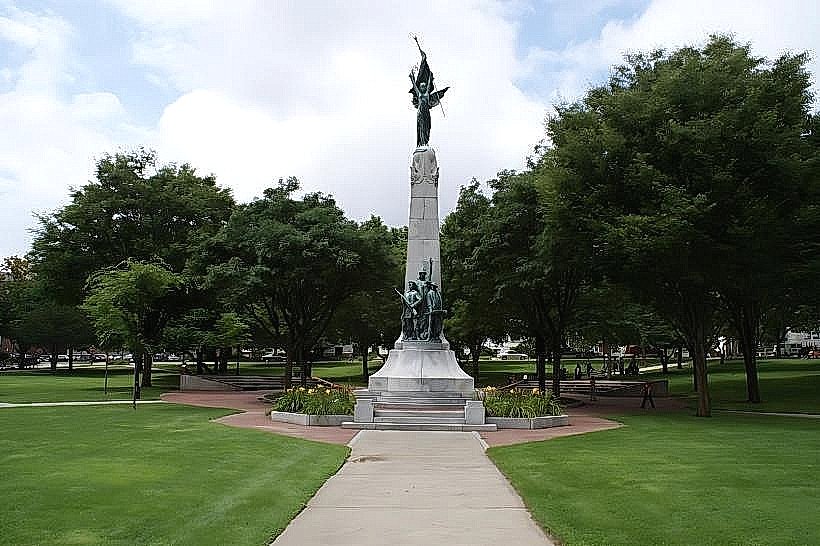
Manchester is the largest city in New Hampshire and the most populous in Northern New England. Known as the "Queen City," it is located in Hillsborough County along the Merrimack River and serves as the region’s primary economic and technological engine.
Historical Timeline
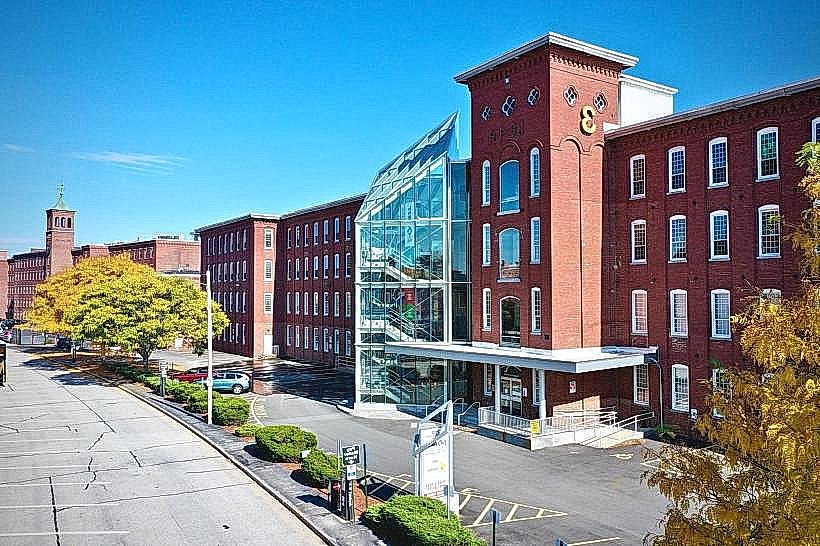
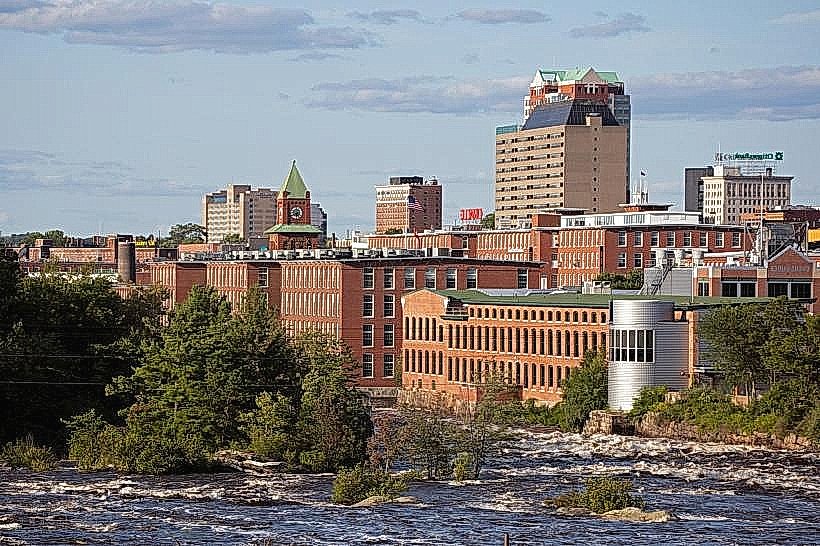
The city's identity was forged by the Amoskeag Manufacturing Company, which by the late 19th century operated the largest textile mill complex in the world. The city was a "planned industrial giant," featuring a strict grid and brick architecture designed by the company. Following the collapse of the textile industry in 1935, Manchester successfully diversified. In the late 20th and early 21st centuries, it underwent a massive revitalization, converting the historic Millyard into a hub for biotechnology, robotics (notably Dean Kamen’s DEKA), and higher education.
Demographics & Population
The 2026 estimated population is 116,386. The primary ethnic demographics are White (76.7%), Hispanic or Latino (10.4%), Black or African American (5.3%), and Asian (4.6%). The median age is 37.9 years. The city has a significant Franco-American heritage, stemming from a massive wave of French-Canadian migration during the mill era.
Urban Layout & Key Districts
Downtown (Elm Street): The central business district and nightlife hub. It features the tallest buildings in northern New England and a high density of dining and entertainment.
The Millyard: A historic district of massive red-brick warehouses along the river, now housing tech firms, the University of New Hampshire (UNH) Manchester, and upscale lofts.
West Side: Historically known as "Little Canada," this residential area across the river maintains a distinct neighborhood feel and is home to St. Anselm College.
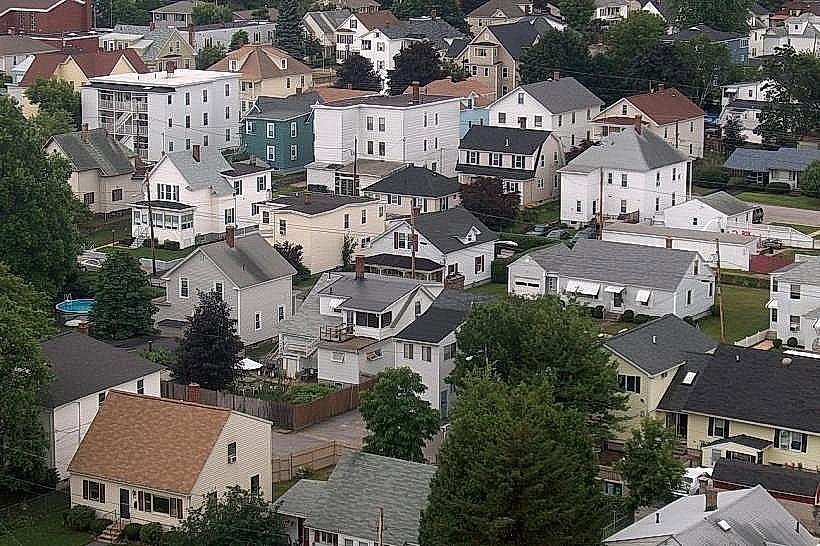
North End: An affluent residential district characterized by large Victorian and colonial-style homes.
The Heights: A retail and commercial plateau east of the river containing major shopping centers.
Top City Landmarks
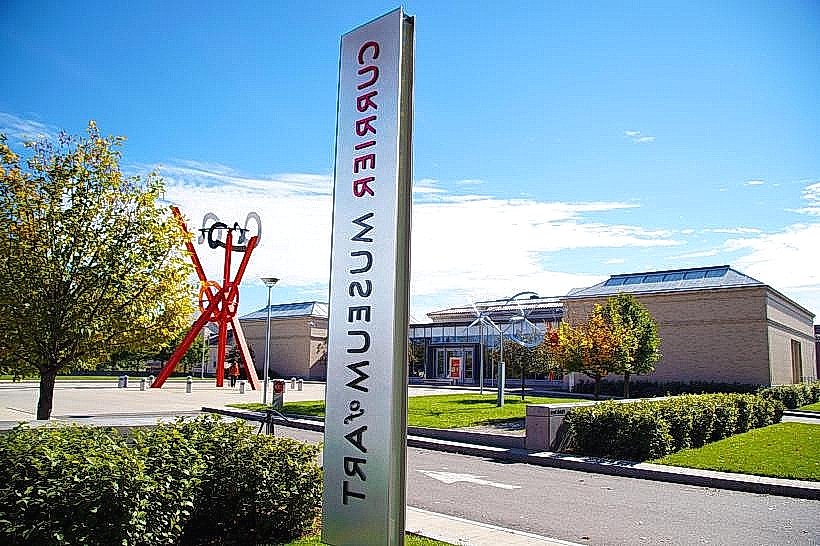
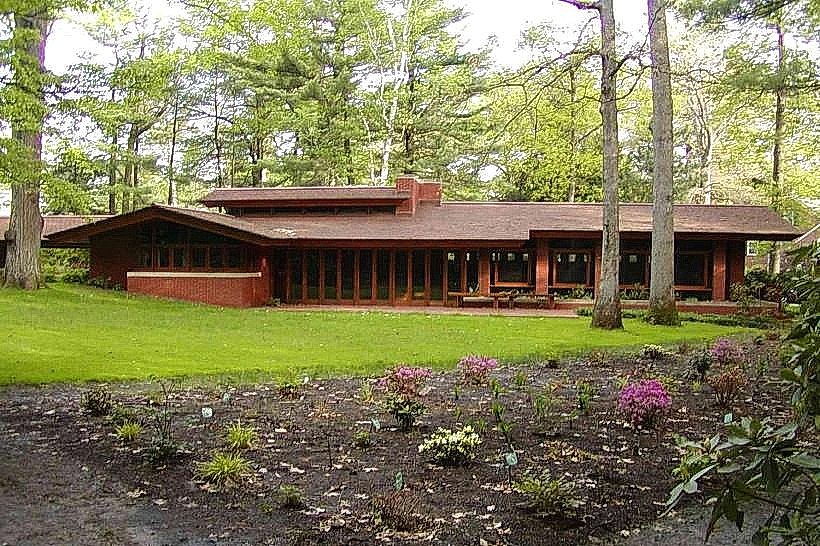
Currier Museum of Art: An internationally recognized museum featuring works by Picasso, Monet, and O'Keeffe. It also manages the Zimmerman House, the only Frank Lloyd Wright home in New England open to the public.
SNHU Arena: A 10,000-seat multi-purpose arena hosting major concerts and sporting events.
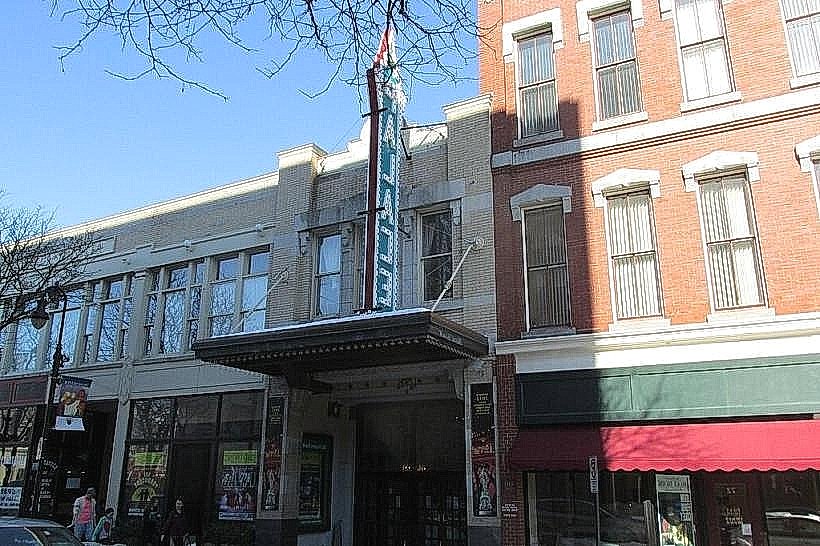
Palace Theatre: A restored 1914 performing arts venue that anchors the downtown cultural scene.
Millyard Museum: Located in Mill No. 3, it chronicles the city's transition from indigenous fishing grounds to an industrial powerhouse.
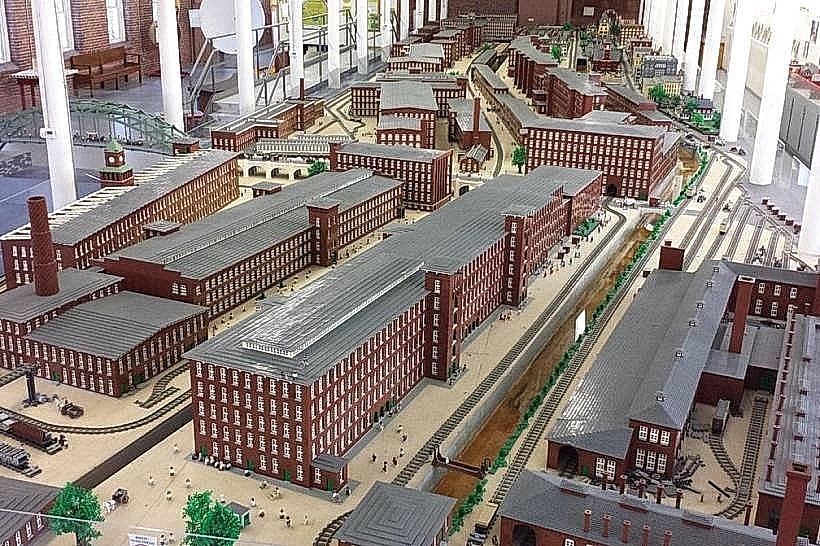
SEE Science Center: Features the world’s largest permanent LEGO installation at minifigure scale, depicting the historic Amoskeag Millyard.
Northeast Delta Dental Stadium: Home of the New Hampshire Fisher Cats (Double-A affiliate of the Toronto Blue Jays).
Transportation Network
Manchester is the primary transit hub for the state. Manchester-Boston Regional Airport (MHT) is a major alternative to Logan Airport. I-93 and I-293 provide direct highway access. Internal transit is managed by the Manchester Transit Authority (MTA). Concord Coach Lines and Boston Express provide high-frequency bus connections to Boston and Logan Airport. The city is highly walkable in the Downtown and Millyard sectors.
Safety & "Red Zones"
The general safety level is moderate, with Manchester frequently ranking in the top 100 "Best Places to Live." Violent crime is generally concentrated in specific isolated areas. Standard urban caution is recommended in the "Inner City" blocks between Union and Beech Streets, particularly after dark. Property crime (vehicle break-ins) is the most common issue in retail parking lots.
Digital & Financial Infrastructure
Manchester is a regional tech leader. Average internet speeds reach 1 Gbps, with widespread fiber deployment by Ziply and Fidius. The city is home to St. Mary's Bank, the first credit union established in the United States. Card acceptance is 100%.
Climate & Air Quality
The climate is humid continental. Summers (June–August) are warm, ranging from 15°C to 28°C. Winters (December–February) are cold and snowy, averaging -9°C to 1°C. Air quality is consistently "Good," meeting all federal standards, though winter inversions can occasionally lead to "Moderate" ratings.
Culture & Social Norms
Tipping of 18–20% is standard. The culture is a blend of "Live Free or Die" independence and an increasingly urban, millennial-driven tech vibe. The city is a mandatory stop for U.S. Presidential candidates during the First-in-the-Nation Primary. Alcohol is sold in grocery stores; spirits are sold in NH State Liquor & Wine Outlets.
Accommodation Zones
Downtown/Elm Street: Stay here for luxury and boutique options (DoubleTree, Hotel Manchester) and event access.
South Willow/Airport: Stay here for mid-range national chains and airport proximity.
Local Cost Index
Espresso: $4.75
Standard Lunch: $18.00
Average Rent (1BR): $1,771
Nearby Day Trips
Boston, MA: 85 km (1 hour).
The Seacoast (Portsmouth): 70 km (50 mins).
Lake Winnipesaukee: 80 km (1 hour).
White Mountains (Franconia): 135 km (1.5 hours).
Facts & Legends
Manchester is the only city in North America situated exactly on the 43rd degree of latitude. A local legend involves the "Ghost of the Palace Theatre," where performers have reported seeing a mysterious "Lady in White." Historically, the city is unique for the 1922 Strike, a nine-month labor standoff at the mills that fundamentally shifted American labor relations.