Information
Landmark: West Side Historic DistrictCity: Manchester NH
Country: USA New Hampshire
Continent: North America
West Side Historic District, Manchester NH, USA New Hampshire, North America
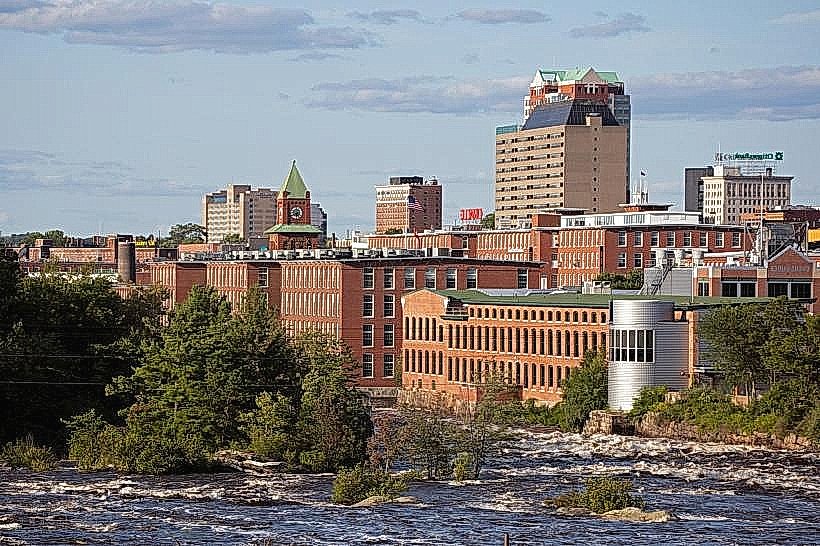
The West Side Historic District is a designated area within Manchester, New Hampshire, USA, preserving a collection of 19th and early 20th-century industrial and residential architecture.
It encompasses a significant portion of the city's original settlement and industrial development along the Merrimack River.
Visual Characteristics
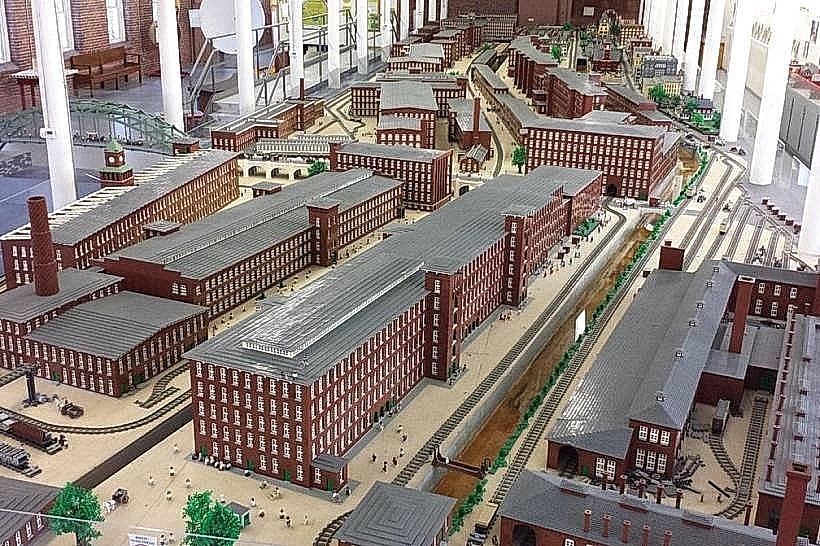
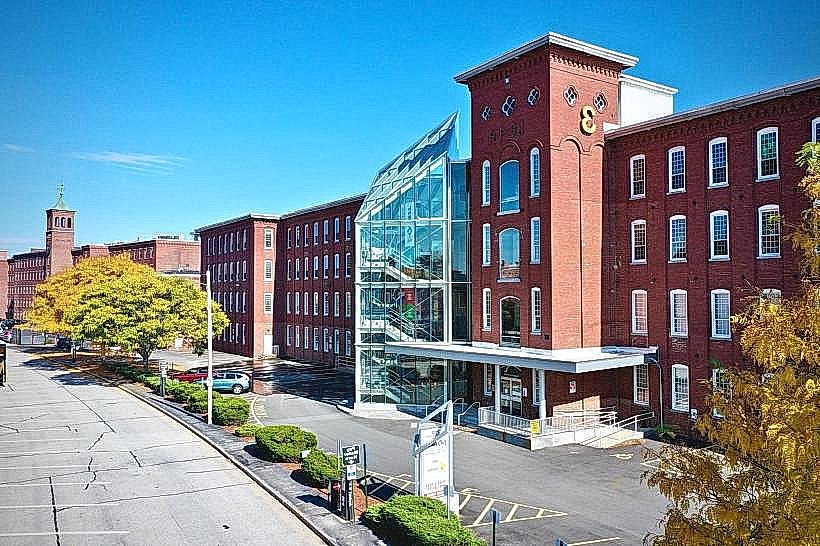
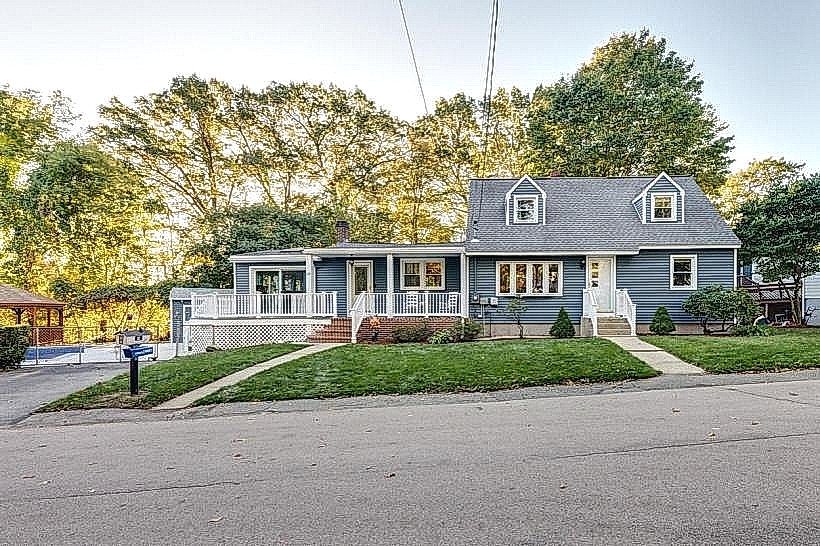
The district features a concentration of brick industrial buildings, many with multiple stories and large window openings, indicative of textile mills and manufacturing facilities. Residential structures include Queen Anne, Colonial Revival, and Greek Revival styles, constructed from wood and brick, often with detailed ornamentation. Streetscapes are characterized by mature trees and sidewalks.
Location & Access Logistics
The West Side Historic District is located west of the Merrimack River, approximately 1.5km from Manchester's city center. Access is primarily via Elm Street, which runs north-south through the district, and various cross streets such as Granite Street and Bridge Street. Parking is available in designated public lots and on-street, though availability can be limited during peak hours. Public transport options include the Manchester Transit Authority (MTA) bus routes 2, 3, and 7, which service Elm Street and surrounding avenues.
Historical & Ecological Origin
The district's origin is tied to the Amoskeag Manufacturing Company, which began large-scale textile production in the early 19th century. The area developed rapidly to house the workforce and support industries. The Merrimack River provided the essential water power for the mills. The land itself is part of the Merrimack River Valley, characterized by glacial deposits and alluvial plains.
Key Highlights & Activities
Walking tours focusing on architectural styles and industrial history are available. Visitors can observe the preserved mill buildings, including the Amoskeag Mill complex. Exploration of the residential streets reveals diverse architectural periods. The Riverwalk offers pedestrian access along the Merrimack River.
Infrastructure & Amenities
Restrooms are available in public parks and some commercial establishments within or adjacent to the district. Shade is provided by mature trees along many streets. Cell phone signal (4G/5G) is generally strong throughout the district. Food vendors and restaurants are located along Elm Street and in nearby commercial zones.
Best Time to Visit
For photography, early morning or late afternoon light provides optimal illumination of the brickwork and architectural details. The months of May through October offer the most pleasant weather for outdoor exploration. No specific tide requirements are applicable.
Facts & Legends
A notable historical fact is that the Amoskeag Manufacturing Company was once the largest textile manufacturer in the world. A local legend suggests that the ghosts of mill workers can sometimes be seen in the upper windows of the older mill buildings after dark.
Nearby Landmarks
- Millyard Museum (0.8km East)
- SNHU Arena (1.2km East)
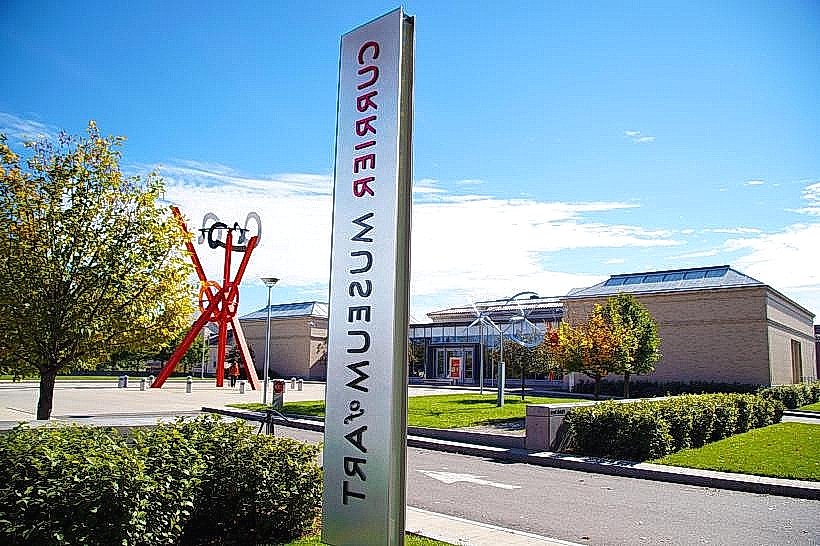
- Currier Museum of Art (1.8km Northeast)
- McGregor Street Historic District (2.5km North)
- Lake Massabesic (8km Southeast)