Information
Landmark: Amoskeag MillyardCity: Manchester NH
Country: USA New Hampshire
Continent: North America
Amoskeag Millyard, Manchester NH, USA New Hampshire, North America
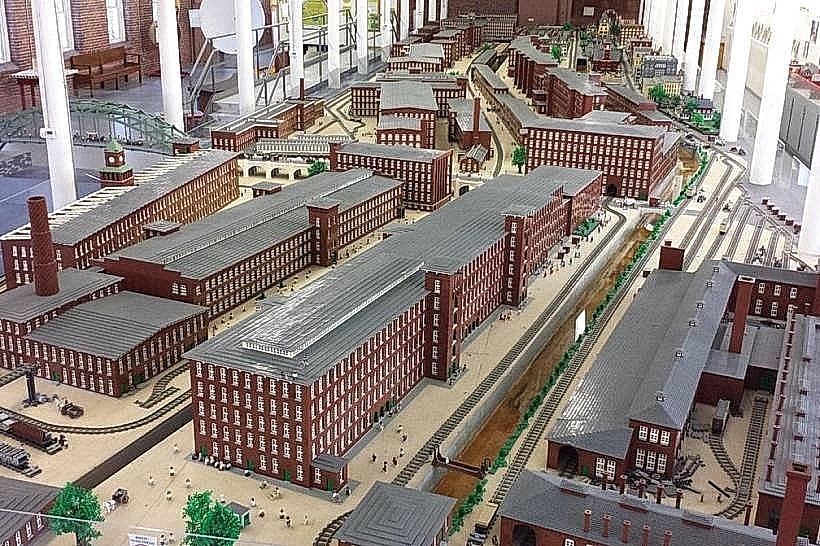
The Amoskeag Millyard is a former textile manufacturing complex situated along the Merrimack River in Manchester, New Hampshire, USA.
Visual Characteristics
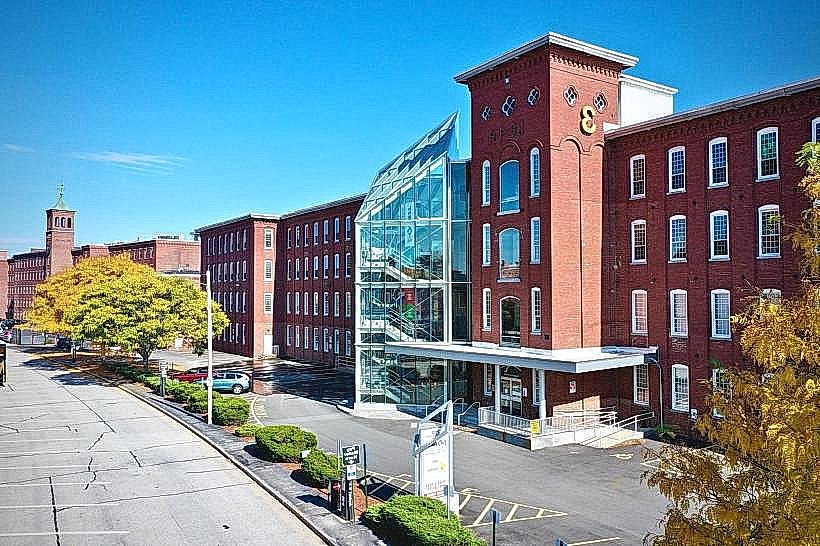
The millyard consists of a series of large, red brick industrial buildings constructed in a Romanesque Revival style. The primary structures are multi-story, with arched windows and granite detailing. The complex spans a significant length along the riverfront, with remnants of former water power infrastructure visible.
Location & Access Logistics
The Amoskeag Millyard is located approximately 1.5 km west of downtown Manchester. Access is primarily via Elm Street, which runs parallel to the Merrimack River. Parking is available in designated lots within the millyard complex, particularly near the historic mills. Public transport options include various Manchester Transit Authority bus routes that service Elm Street and the surrounding downtown area.
Historical & Ecological Origin
Construction of the Amoskeag Millyard began in the early 19th century, with significant expansion occurring throughout the 1800s and early 1900s. It was developed by the Amoskeag Manufacturing Company, which harnessed the power of the Merrimack River's Amoskeag Falls for textile production. The site's origin is tied to the industrial revolution and the utilization of water power for large-scale manufacturing.
Key Highlights & Activities
Visitors can walk or cycle along the paved paths that traverse the millyard, offering views of the historic architecture and the Merrimack River. Interpretive signage details the history of the textile industry and the millyard's significance. Some former mill buildings have been repurposed into office spaces, retail outlets, and residential units, accessible to the public during business hours.
Infrastructure & Amenities
Restrooms are available in some of the repurposed buildings accessible to the public. Shade is provided by mature trees along the riverfront paths. Cell phone signal (4G/5G) is generally strong throughout the millyard. Food vendors and restaurants are located in the downtown area adjacent to the millyard and within some of the renovated mill buildings.
Best Time to Visit
The best time of day for photography is during the late afternoon when the brickwork is illuminated by direct sunlight. The months of May through October offer the most pleasant weather for outdoor exploration. No specific tide requirements are applicable.
Facts & Legends
The Amoskeag Manufacturing Company was once the largest textile manufacturer in the world, employing thousands of workers and significantly shaping the city of Manchester. A unique aspect of the millyard's operation was its company-owned housing and extensive social services provided to its employees, creating a self-contained industrial city.
Nearby Landmarks
- Millyard Park (0.2km North)
- SNHU Arena (1.0km East)
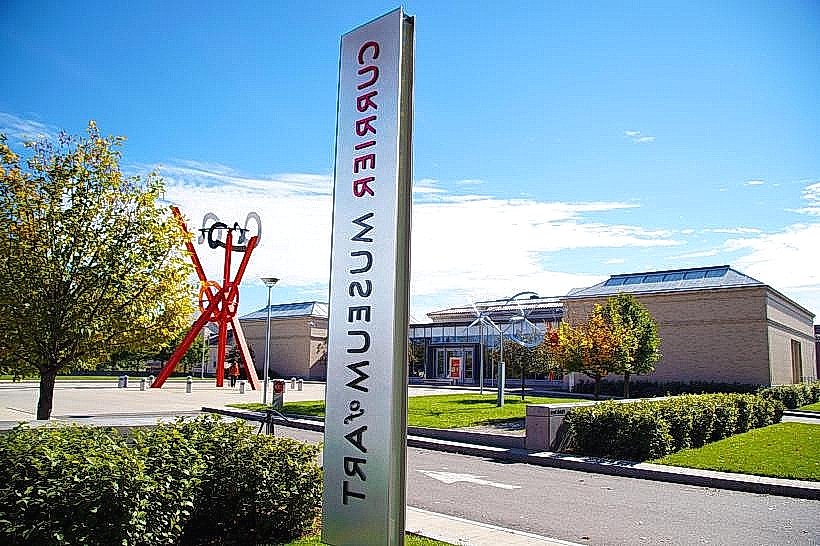
- Currier Museum of Art (1.2km East)
- Manchester City Hall (1.5km East)
- McGregor Street Bridge (0.8km South)