Information
City: MataraCountry: Sri Lanka
Continent: Asia
Matara, Sri Lanka, Asia
Matara is the second-largest city in the Southern Province of Sri Lanka, situated on the banks of the Nilwala River. It serves as a major commercial and educational hub for the southern interior and coastal regions.
Historical Timeline
Matara was a prominent center of the ancient Ruhuna Kingdom. It fell under Portuguese control in the 16th century and was subsequently captured by the Dutch in 1640. The city was a significant administrative center for the Dutch East India Company (VOC) due to its proximity to cinnamon-growing regions. The British took control in 1796. The city is historically noted for the "Matara Rebellion" of 1761, where locals briefly recaptured the Dutch Fort.
Demographics & Population
The population is approximately 70,000. The demographic is predominantly Sinhalese, with a notable Sri Lankan Moor community. It is a center for southern academia, housing the University of Ruhuna.
Urban Layout & Key Districts
Fort District: The historic core located on a peninsula between the Nilwala River and the ocean.
Matara Town: The high-density commercial strip containing the main markets and bus terminal.
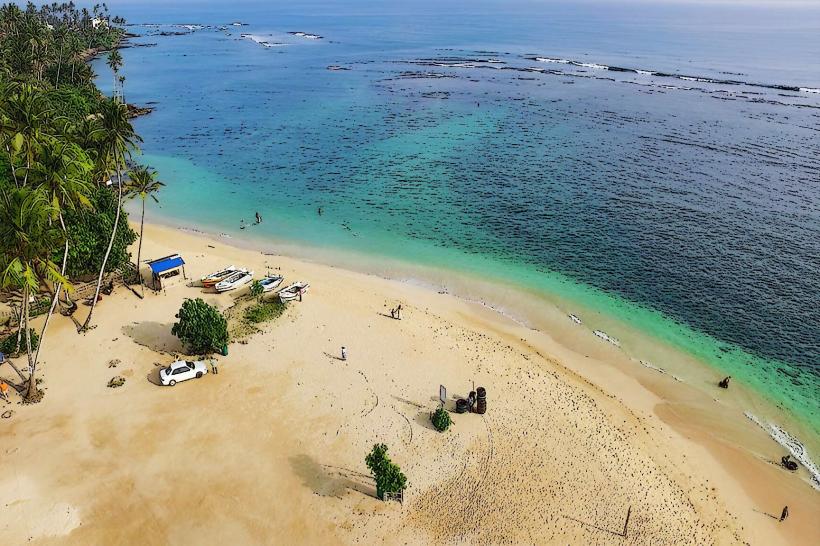
Polhena: A coastal suburb known for its coral reefs and protected swimming areas.
Meddawatta: The eastern edge of the city, popular for surfing.
Top Landmarks
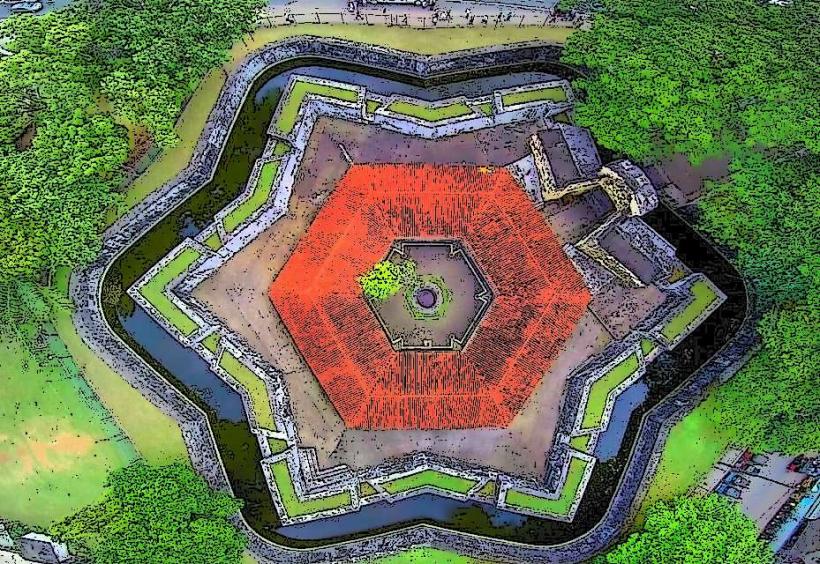
Star Fort: A unique six-pointed star-shaped fortification built by the Dutch in 1765 to defend the main fort; it now houses a museum.
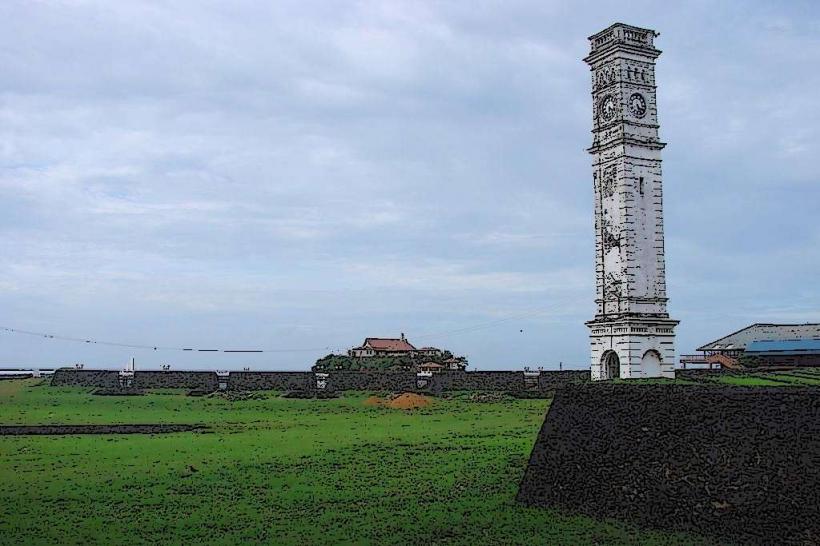
Matara Dutch Fort: The primary fortification, although largely integrated into the modern city infrastructure.
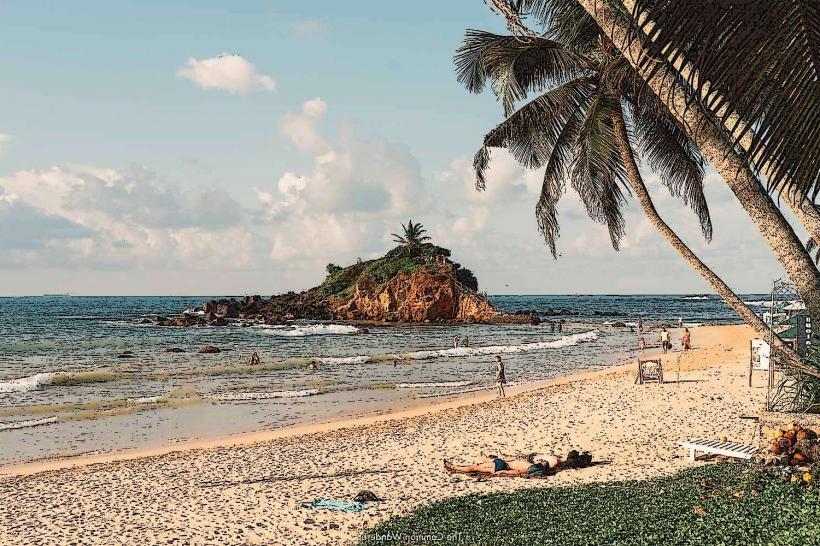
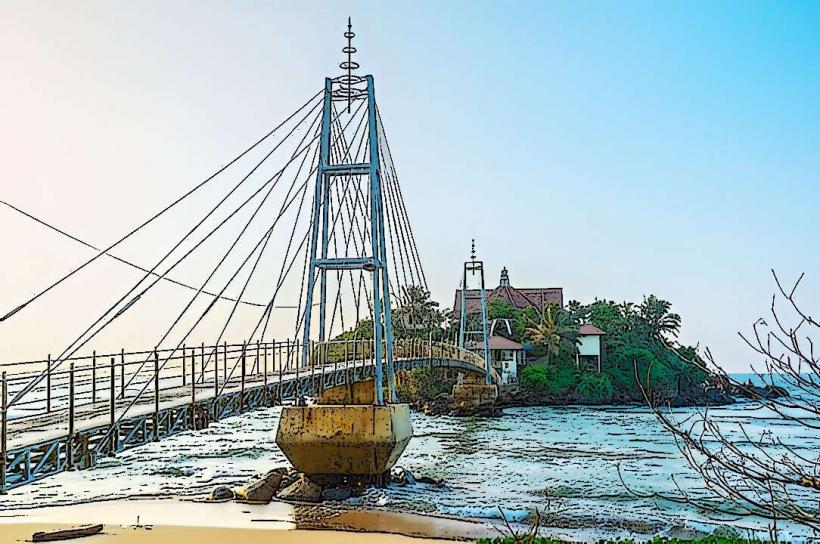
Parevi Duwa Temple: A Buddhist temple located on a small island off the coast, connected to the mainland by a modern bridge.
University of Ruhuna: Designed by renowned architect Geoffrey Bawa, featuring iconic tropical modernist architecture.
Weragampita Temple: An ancient Buddhist temple significant to the region's religious history.
Transportation Network
Rail: Matara is a major terminal on the Coastal Line. It is also the starting point of the new Beliatta extension.
Road: The terminus of the E01 Southern Expressway, providing a direct link to Colombo (2–2.5 hours).
Public Transit: The Matara Bus Stand is one of the busiest in the south, serving as a hub for both expressway and local coastal routes.
Local Transit: Tuk-tuks are the primary mode; PickMe is functional but availability varies by time of day.
Safety & "Red Zones"
Nilwala River: Heavily infested with saltwater crocodiles. Do not swim, wade, or wash clothes in the river.
Ocean Currents: Beaches near the fort can have dangerous undertows; Polhena is the safest designated swimming area.
Traffic: The main bridge area and the bus stand are highly congested; exercise caution as a pedestrian.
Digital & Financial Infrastructure
4G/LTE and fiber coverage are excellent. The currency is the Sri Lankan Rupee (LKR). ATMs are abundant throughout the town center (Commercial Bank, Sampath Bank, HNB). Credit cards are widely accepted in supermarkets and hotels.
Climate & Air Quality
Tropical rainforest climate. It experiences significant rainfall during the monsoons. Air quality is good, though the city center experiences localized vehicle exhaust.
Culture & Social Norms
Matara is considered more traditional and conservative than Galle or Hikkaduwa.
Etiquette: Standard temple rules apply (covering shoulders/knees).
Southern Identity: Locals take pride in the "Matara dialect" and the city's history of literary scholarship.
Cuisine: Famous for Matara Ambul Thiyal (sour fish curry), a traditional method of preserving fish using goraka.
Local Cost Index (LKR)
1 Espresso: 500–800 LKR
1 Standard Lunch (Rice & Curry): 400–900 LKR
1 Tuk-Tuk Ride (within town): 250–400 LKR
Nearby Day Trips
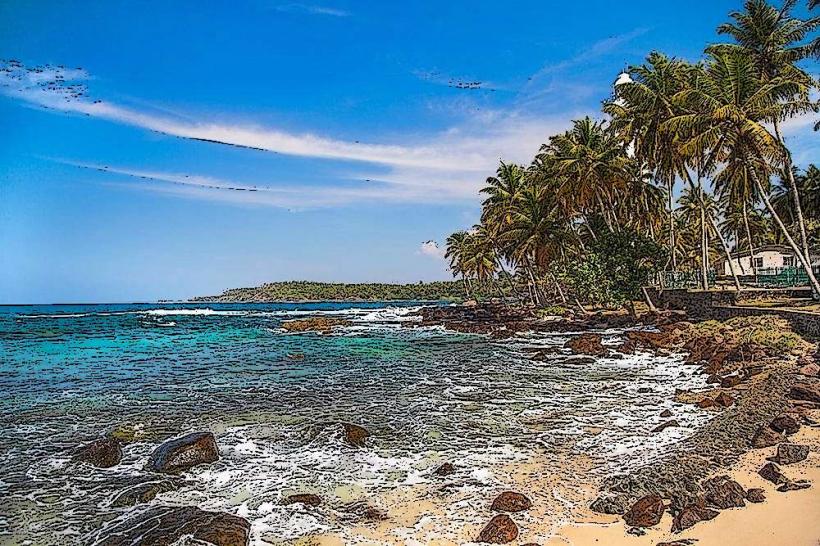
Dondra Head (Devinuwara): 15 minutes east; home to the tallest lighthouse in Sri Lanka and an ancient Vishnu temple.
Mirissa: 20 minutes west; famous for whale watching and nightlife.
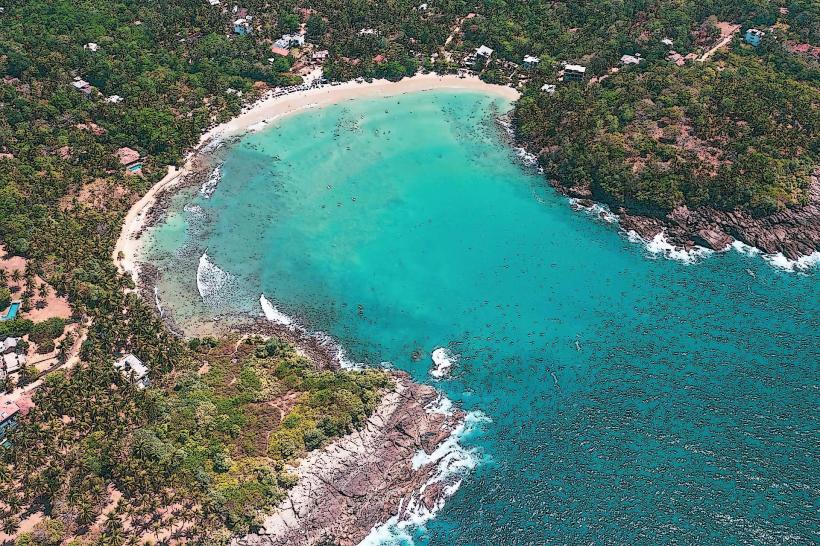
Dickwella: 45 minutes east; known for the Hiriketiya surf bay and the Wewurukannala Vihara (tallest seated Buddha).
Facts & Legends
Legend says the city's name is derived from the word Mahathota (The Great Ferry), referring to the crossing of the Nilwala River. A geographic fact: The Star Fort is the only one of its kind in Sri Lanka, featuring a moat that was historically filled with crocodiles to deter invaders. Historically, Matara was the birthplace of several of Sri Lanka’s most famous poets and writers, cementing its reputation as a "City of Scholars."