Information
Landmark: Hiriketiya BeachCity: Matara
Country: Sri Lanka
Continent: Asia
Hiriketiya Beach, Matara, Sri Lanka, Asia
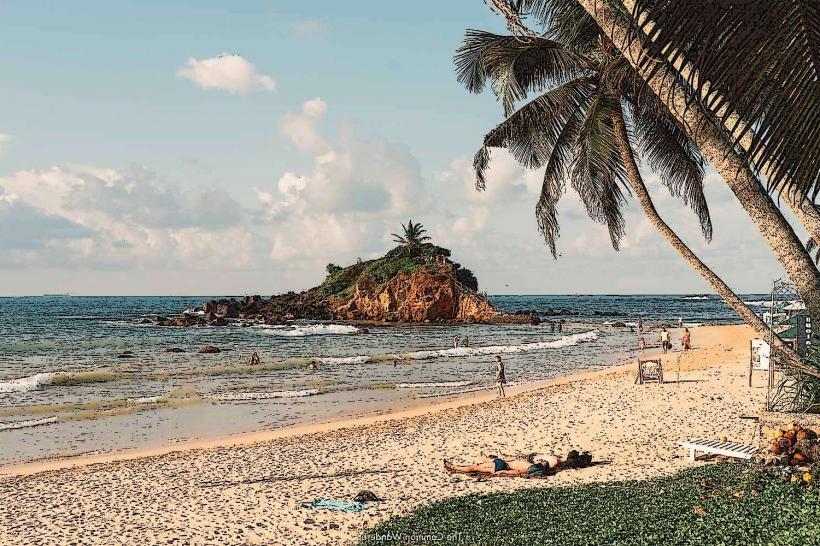
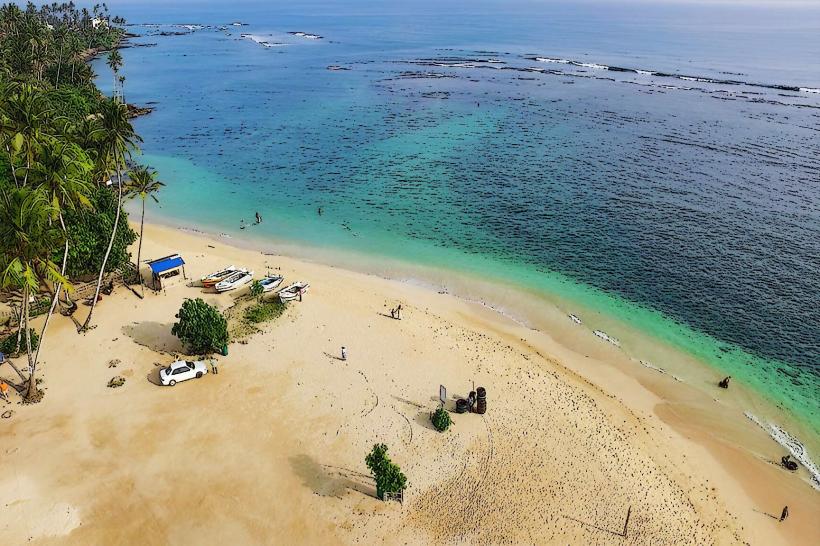
Hiriketiya Beach is a horseshoe-shaped bay located on the southern coast of Sri Lanka, near the town of Dikwella.
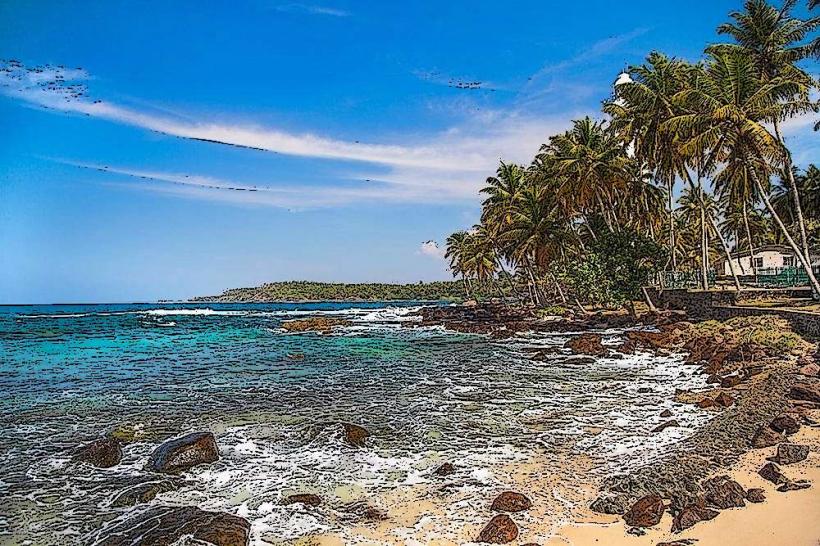
This coastal feature is characterized by its distinctive curved shoreline and the presence of coconut palm trees lining its perimeter.
Visual Characteristics
The beach consists of fine, golden sand. The water exhibits a clear turquoise hue, transitioning to deeper blue further offshore. The bay is approximately 500 meters in width. Surrounding cliffs are composed of weathered granite, supporting dense tropical vegetation.
Location & Access Logistics
Hiriketiya Beach is situated 2 kilometers east of Dikwella town. Access from Matara city is via the A2 highway, a distance of approximately 20 kilometers. Turn south onto Hiriketiya Road. Parking is available on a limited, unpaved area adjacent to the beach entrance. Public transport options include local bus routes that stop in Dikwella, followed by a 15-minute walk or a short tuk-tuk ride to the beach.
Historical & Ecological Origin
The bay's formation is a result of coastal erosion and deposition processes over millennia, creating a natural harbor. The surrounding granite formations are part of the Precambrian shield of Sri Lanka. The area is classified as a tropical coastal ecosystem.
Key Highlights & Activities
Surfing is a primary activity, with consistent waves suitable for beginners and intermediate surfers. Swimming is possible within the sheltered bay. Snorkeling can be done near the rocky outcrops at either end of the beach. Yoga classes are frequently offered at establishments located directly on the beach.
Infrastructure & Amenities
Restrooms are available at several beachside cafes and guesthouses. Shade is provided by natural tree cover and temporary structures. Cell phone signal (4G) is generally reliable. Food and beverage vendors operate from permanent structures along the beach.
Best Time to Visit
The optimal time for surfing is between November and April, coinciding with the dry season. For photography, early morning and late afternoon offer diffused light. High tide is generally preferred for swimming and surfing.
Facts & Legends
Local lore suggests the bay was a favored resting spot for ancient mariners due to its sheltered nature. A specific rock formation on the western side is said to resemble a sleeping elephant.
Nearby Landmarks
- Dikwella Town Centre (1.5km West)
- Wewurukannala Vihara Temple (2.0km North)
- Tangalle Bay (15.0km East)
- Hummanaya Blowhole (3.0km East)