Information
Landmark: Weligama BeachCity: Matara
Country: Sri Lanka
Continent: Asia
Weligama Beach, Matara, Sri Lanka, Asia
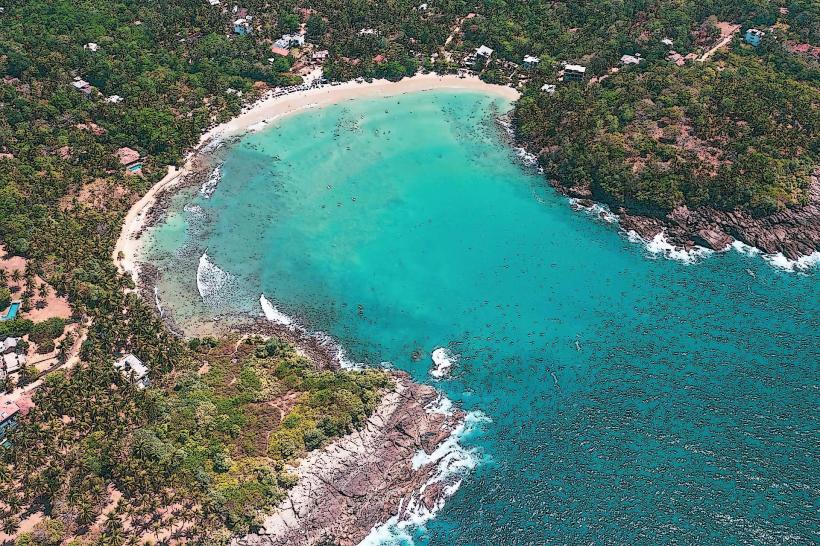
Weligama Beach is a coastal area situated in Matara, Sri Lanka, known for its crescent-shaped bay.
This location serves as a popular destination for water-based activities and relaxation.
Visual Characteristics
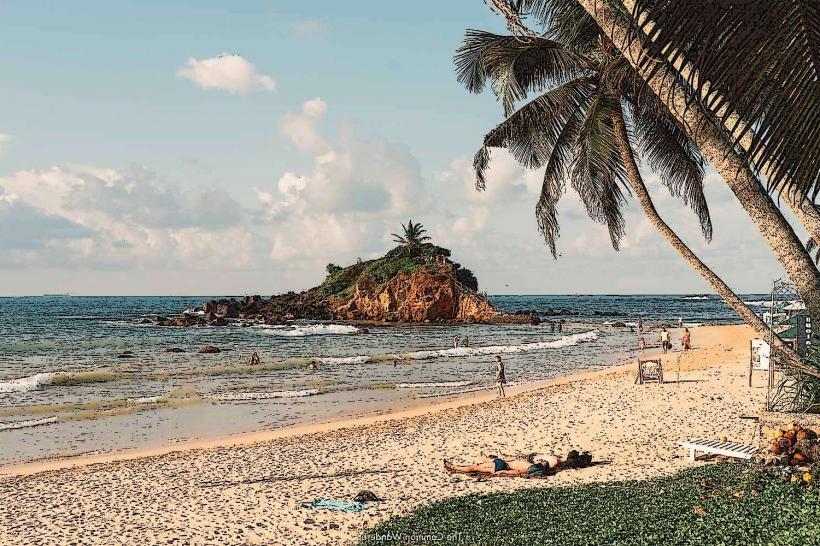
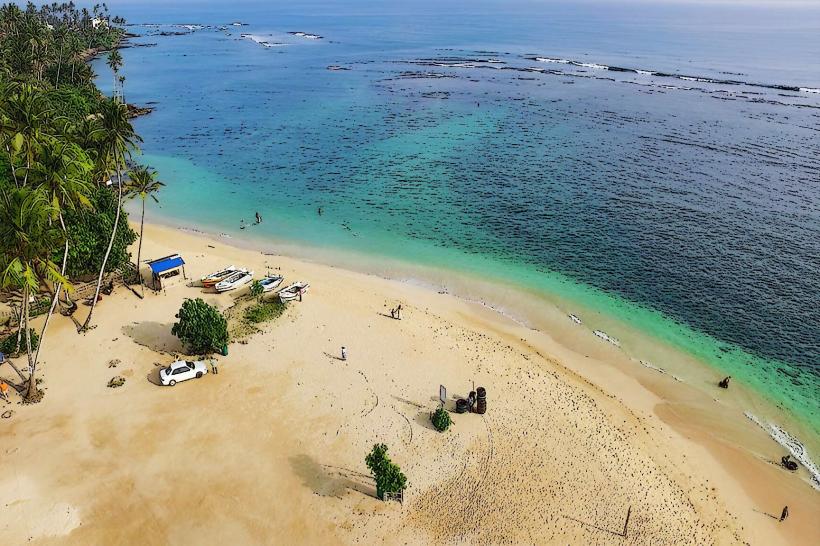
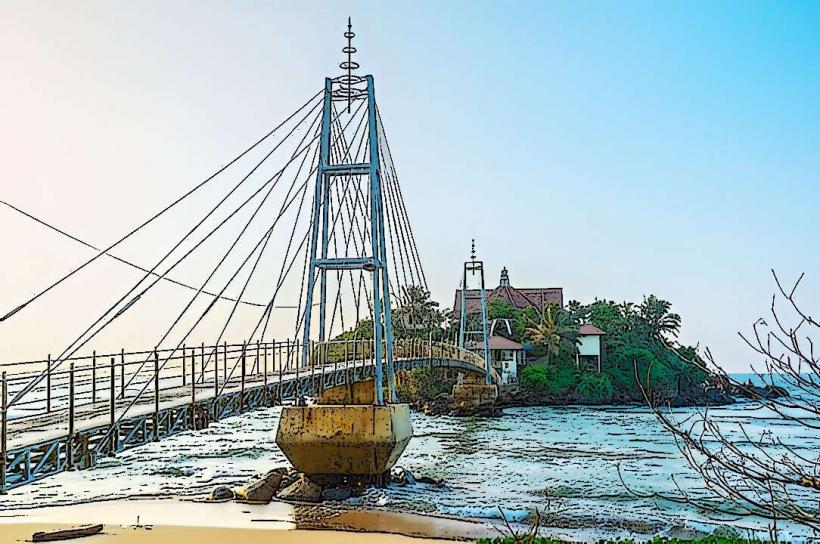
The beach features golden sand with a moderate grain size. The water color ranges from turquoise near the shore to deep blue further out. Coconut palm trees line the landward side of the beach, providing natural shade. The bay is approximately 2 kilometers in length.
Location & Access Logistics
Weligama Beach is located 30 kilometers west of Matara city center. Access is via the A2 coastal road. Ample parking is available along the beachfront road, though it can become congested during peak hours. Public bus routes operating along the A2 frequently stop in Weligama town, a short walk from the beach. The nearest major airport is Bandaranaike International Airport (CMB), approximately 145 kilometers north.
Historical & Ecological Origin
Weligama's geological formation is a result of coastal erosion and sediment deposition over millennia. Historically, it has been a fishing village, with its sheltered bay providing a natural harbor. The name "Weligama" translates to "sandy village" in Sinhala, referencing the beach's composition.
Key Highlights & Activities
Surfing lessons are available for all skill levels. Swimming is permitted in designated areas. Stand-up paddleboarding and kayaking can be rented. The eastern end of the beach is suitable for beginner surfers due to smaller waves.
Infrastructure & Amenities
Restrooms and changing facilities are located at various points along the main beach road. Several beachfront restaurants and cafes offer food and beverages. Shade is provided by palm trees and temporary awnings. Cell phone signal (4G) is generally consistent.
Best Time to Visit
The best time for surfing is from November to April, when the monsoon winds are less prevalent. For general beach activities and swimming, the period between May and October offers calmer seas. Sunrise provides optimal lighting for photography on the eastern side of the bay.
Facts & Legends
Local folklore suggests that the bay was formed by a giant serpent. A specific point on the western end of the beach is known for its consistent, gentle waves, making it ideal for learning to surf.
Nearby Landmarks
- Jungle Beach (2.5km East)
- Mirissa Whale Watching Tours (5km East)
- Koggala Lake (7km East)
- Taprobane Island (1.5km West)