Information
City: MdinaCountry: Malta
Continent: Europe
Mdina, Malta, Europe
Mdina functions as the primary historical and aristocratic pivot of central Malta. Situated on a high plateau, it serves as a specialized node for Baroque architecture, ecclesiastical administration, and high-fidelity heritage preservation. It is defined by its moniker "The Silent City," its continuous inhabitancy since the Bronze Age, and its 2026 role as a finalized model for zero-emission residential zones and specialized archaeological conservation.
Historical Timeline
Antiquity: Originally the Punic-Roman city of Melite; served as the island's capital for over 1,500 years.
870–1091: Arab Period; the city was downsized and fortified with its current defensive layout and renamed Medina (the walled city).
1693: Partially destroyed by a massive earthquake; subsequently rebuilt in the specialized Maltese Baroque style under the Order of St. John.
2026 Context: The city is currently implementing the "Mdina 2026" Preservation Plan, focusing on the seismic reinforcement of the Northwest Bastions and the deployment of specialized non-invasive LED lighting to reduce light pollution.
Demographics & Population
The urban population is approximately 235 (2026 estimate). The demographic is characterized by a high concentration of Maltese noble families and high-net-worth individuals. Access is strictly limited; in 2026, Mdina remains a specialized restricted-traffic zone, where only residents, emergency vehicles, and authorized funeral or wedding cortèges are permitted to enter via motorized transport.
Urban Layout & Key Districts
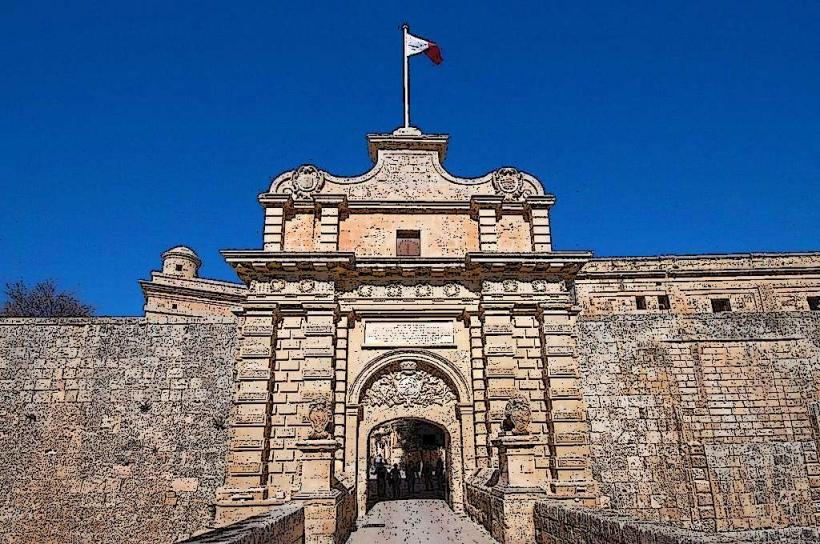
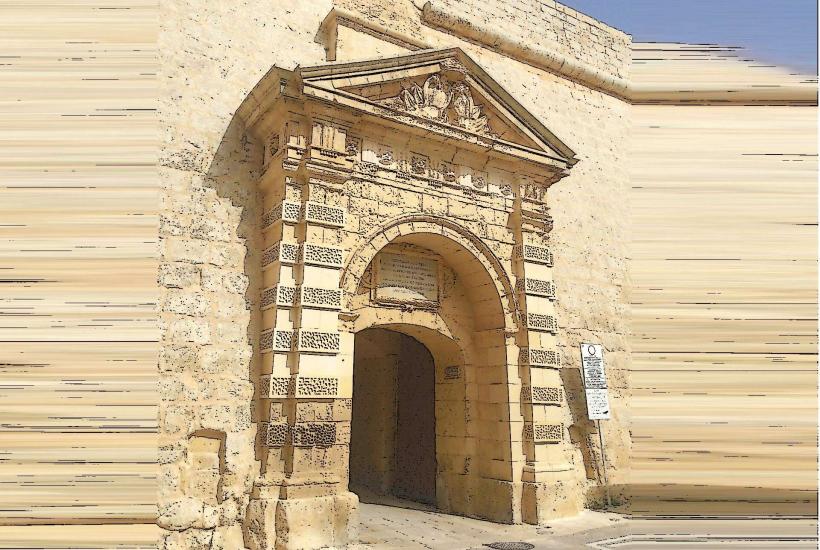
Main Gate (Vilhena Gate): The specialized 1724 Baroque entrance; designed by Charles François de Mondion and featured in global media as a primary historical filming location.
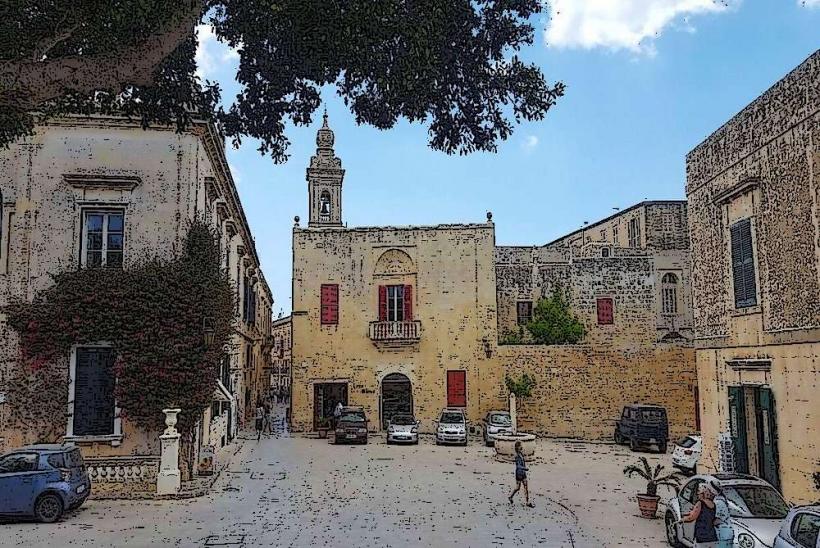
Villegaignon Street: The primary longitudinal axis; a specialized pedestrian spine containing the major palazzos and religious buildings.
The Bastions: The specialized perimeter fortifications; providing 360-degree surveillance of the Maltese islands from a 200-meter elevation.
The Greek’s Gate: The secondary entrance on the southwest side, historically used by the lower classes and the city’s Greek community.
Top City Landmarks
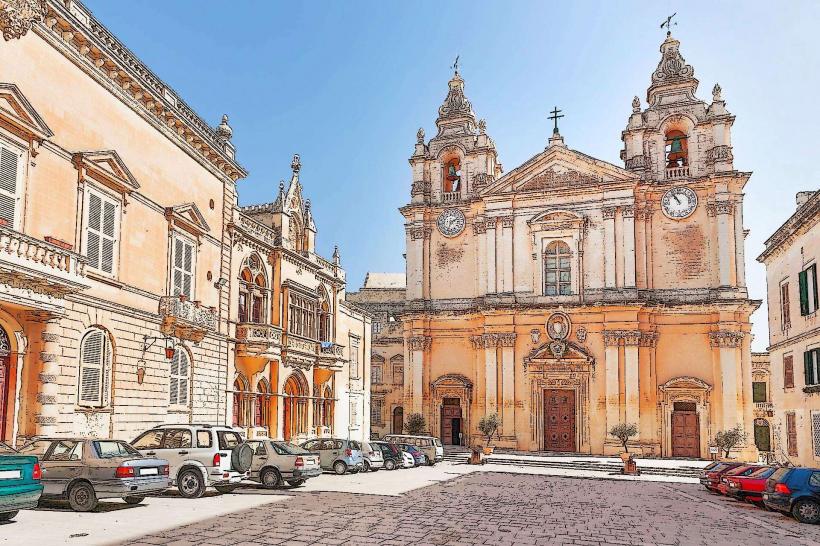
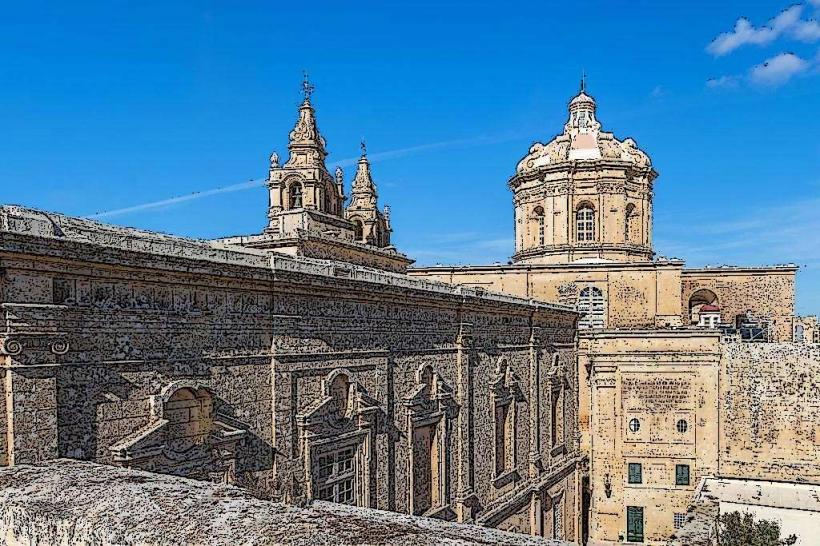
St. Paul’s Cathedral: A specialized Baroque masterpiece designed by Lorenzo Gafà (1697); its 2026 visitor experience features restored 18th-century frescoes and a world-class collection of Dürer woodcuts in the Cathedral Museum.
Palazzo Falson (The Norman House): A specialized 13th-century medieval residence; functions as a museum for 45 specialized collections, including rare oriental rugs and antique clocks.
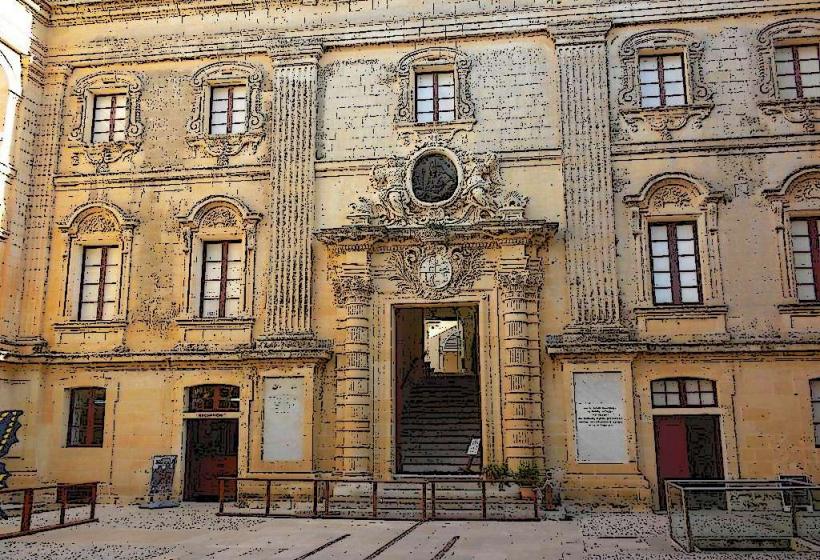
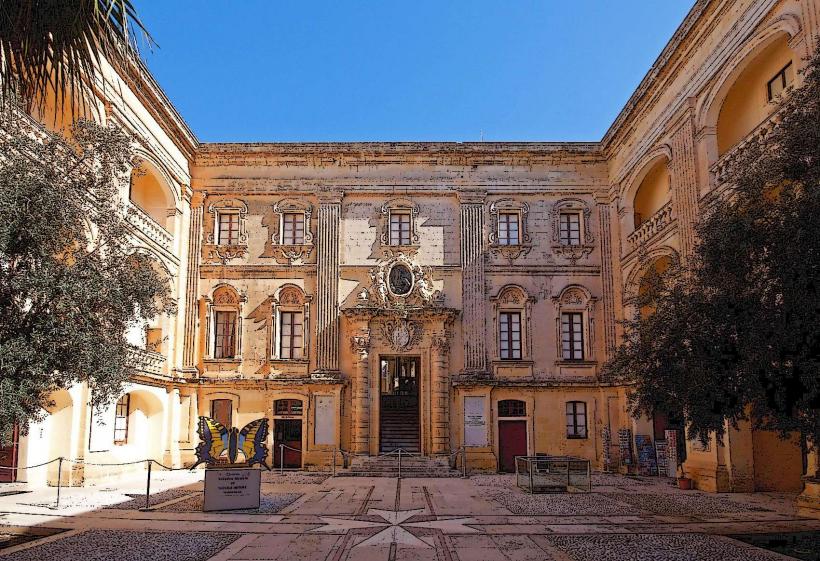
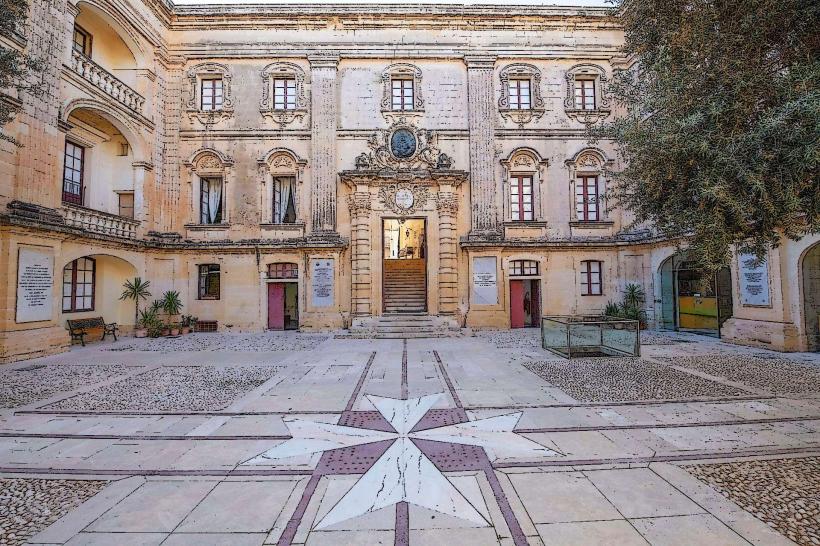
The Vilhena Palace: A specialized 18th-century French Baroque palace at the entrance; houses the National Museum of Natural History.
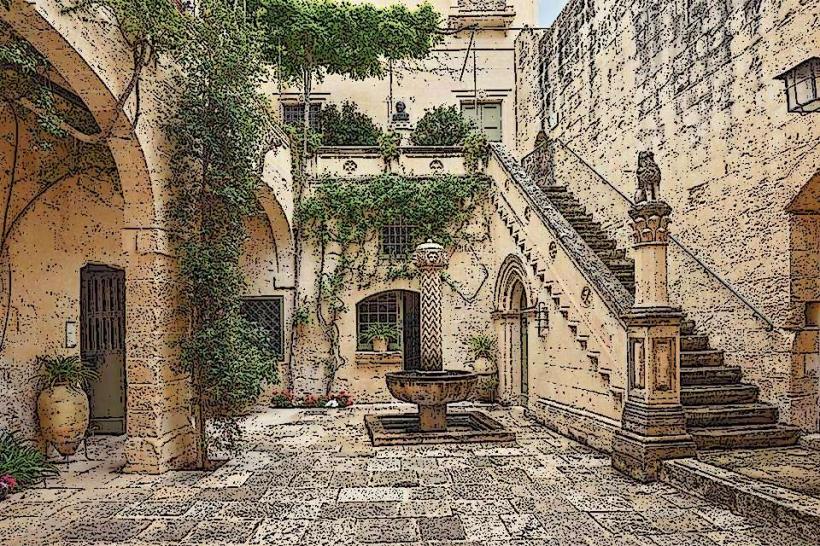
Palazzo de Piro: A specialized cultural center and archival hub; used for high-level diplomatic and academic summits in 2026.
The Bastion Square: A specialized panoramic plaza at the city's northern tip, offering unobstructed views toward St. Paul’s Bay and Valletta.
Benedictine Monastery: A specialized cloistered institution where nuns have lived in complete isolation for centuries, maintaining the city's religious continuity.
Transportation & 2026 Logistics
Pedestrian Priority: Mdina is a specialized walking city. In 2026, the use of electric golf carts for elderly resident transport is the only authorized internal mechanical mobility.
External Hub: The Rabat Interchange serves as the primary multi-modal link, connecting Mdina to the national bus network and the 2026 "Green Route" shuttle services.
Parking: Specialized underground facilities at the Howard Gardens (Rabat) manage the 2026 influx of tourists and non-resident vehicles.
Utility Management: In 2026, Mdina utilizes a specialized "Hidden Grid" system for fiber-optics and waste management to ensure no modern infrastructure visible to the public eyes.
Safety & Environment
The general safety level is absolute. Warning: The city’s "Silent City" status is enforced; excessive noise by visitors is subject to specialized municipal fines. In 2026, the "Bastion Sentinel" digital network monitors the structural integrity of the limestone walls and tracks PM2.5 levels to ensure the preservation of the delicate stone facades.
Local Cost Index (2026 Estimates)
1 Espresso (Fontanella): €2.80 – €4.00
Traditional Maltese "Pastizz": €0.60 – €0.90
Museum Entry (Palazzo Falson): €10.00 – €14.00
Real Estate (Avg. per Palazzo): €2,500,000 – €15,000,000+
Fine Dining Meal for Two: €85.00 – €150.00
Facts & Legends
Mdina is the site where St. Paul the Apostle reportedly lived after being shipwrecked on Malta in 60 AD. Legend states that during the 1551 Ottoman attack, the city was saved when the few remaining residents appeared on the bastions in armor, tricking the invaders into believing the city was heavily garrisoned. A verified fact is that Mdina’s streets were designed with staggered offsets and blind corners specifically to break the momentum of charging invaders and provide cover for defenders. Historically, the city was the only place in Malta where the local nobility maintained full administrative autonomy from the Order of St. John.