Information
City: Miles CityCountry: USA Montana
Continent: North America
Miles City, USA Montana, North America
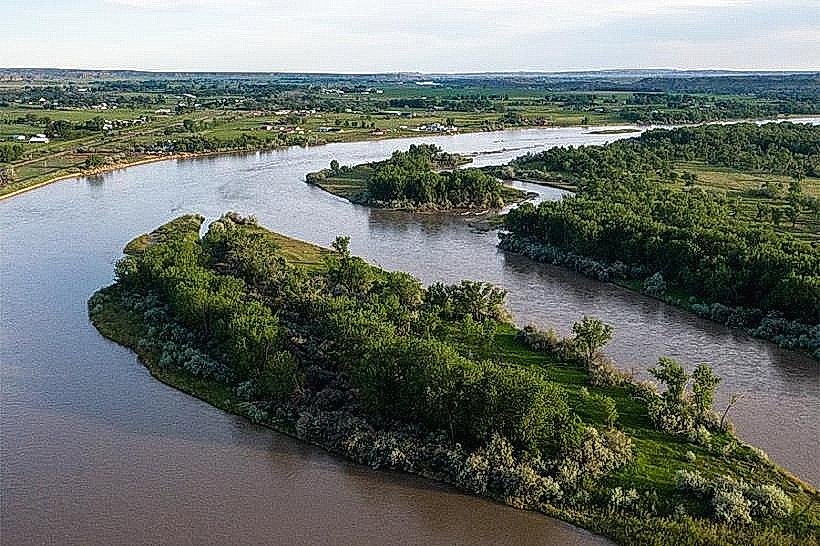
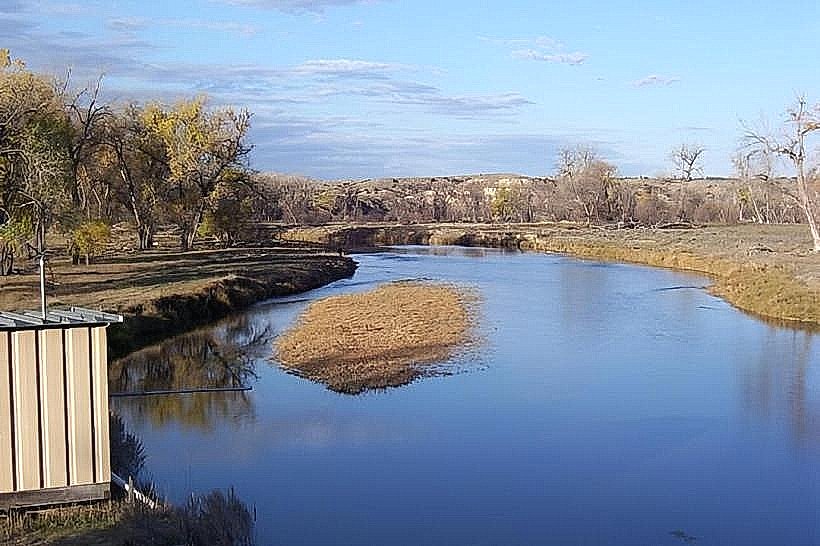
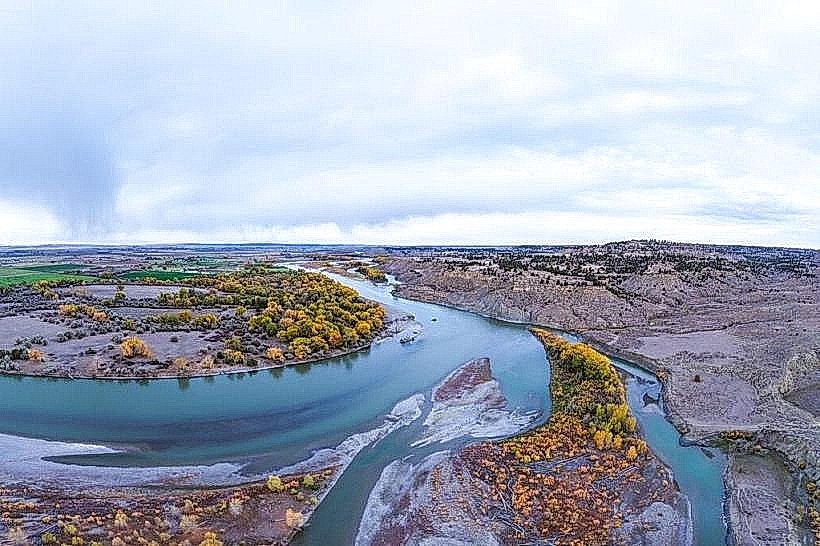
Miles City serves as the administrative seat of Custer County and functions as the primary trade and medical hub for Southeastern Montana. It is situated at the confluence of the Tongue and Yellowstone Rivers.
Historical Timeline
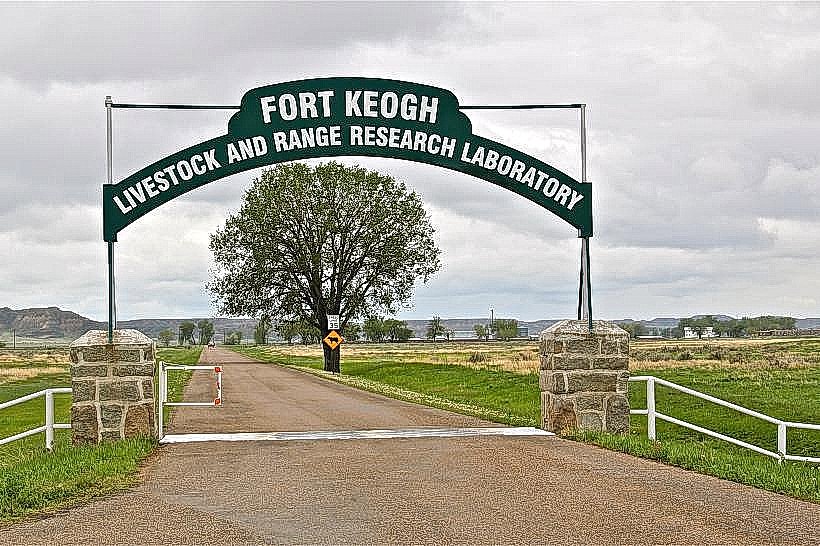
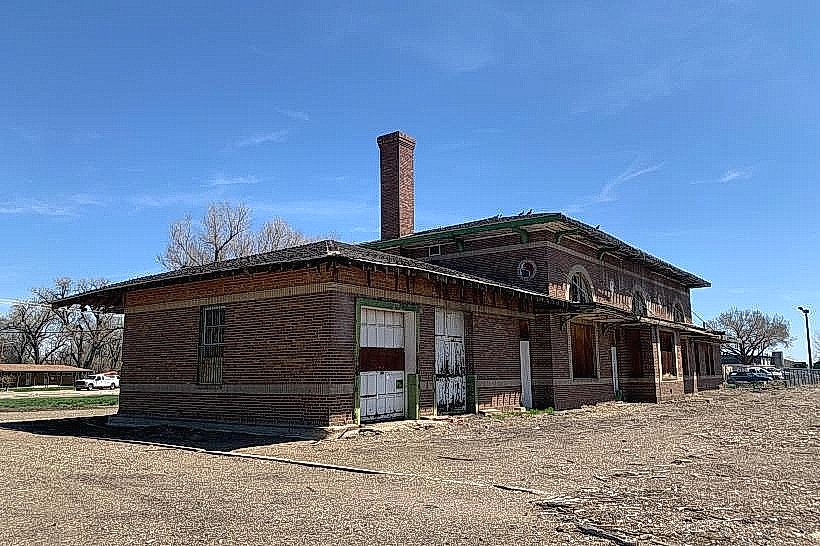
Miles City was established in 1877 following the Battle of the Little Bighorn as a supply post for Fort Keogh. It was incorporated in 1887 and became a dominant railhead for the Northern Pacific Railway, evolving into one of the most significant livestock centers in the American West. The primary event shaping the current urban form was the 1944 flood of the Tongue River, which led to the construction of an extensive levee system that dictates the city's northern and western boundaries.
Demographics & Population
The population within city limits is approximately 8,400. The primary demographics are White (91.8%), Hispanic (3.6%), and Native American (1.7%). The median age is 40.2 years.
Urban Layout & Key Districts
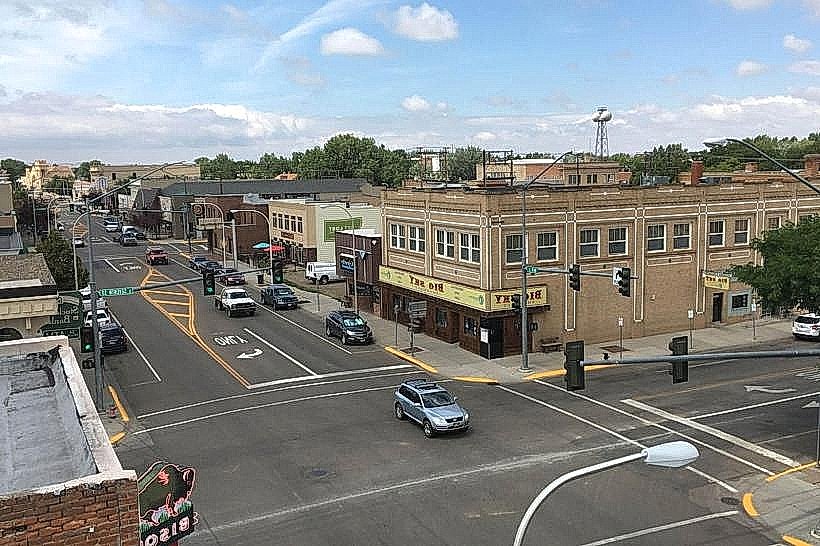
The city is organized on a grid south of the Yellowstone River. The Main Street Historic District serves as the commercial and cultural core. The "North Side," separated by the BNSF railway tracks, is primarily residential, while the western corridor along Interstate 94 contains the city's modern hospitality and logistics infrastructure.
Top City Landmarks
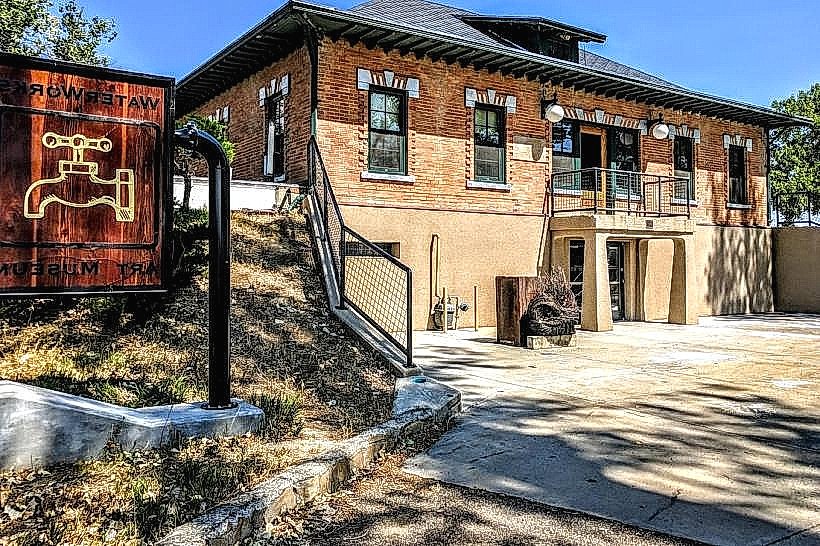
Water Works Art Museum (Located in the 1910 municipal water plant)
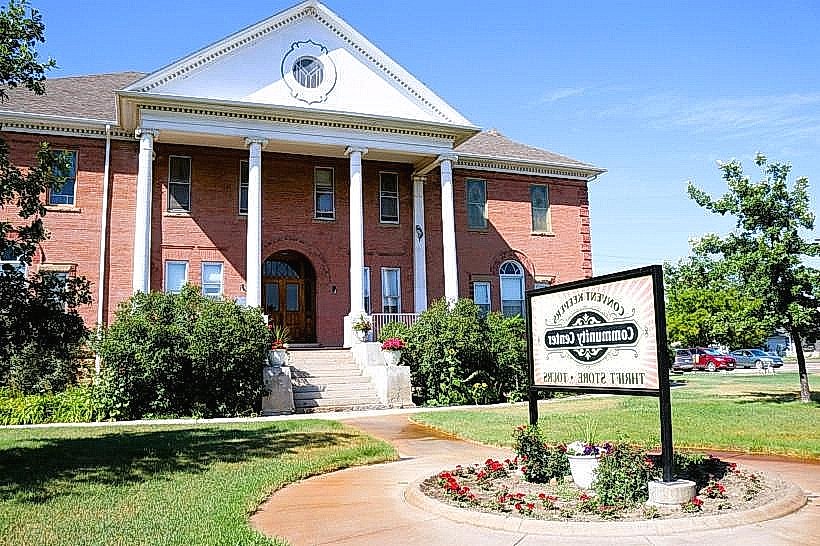
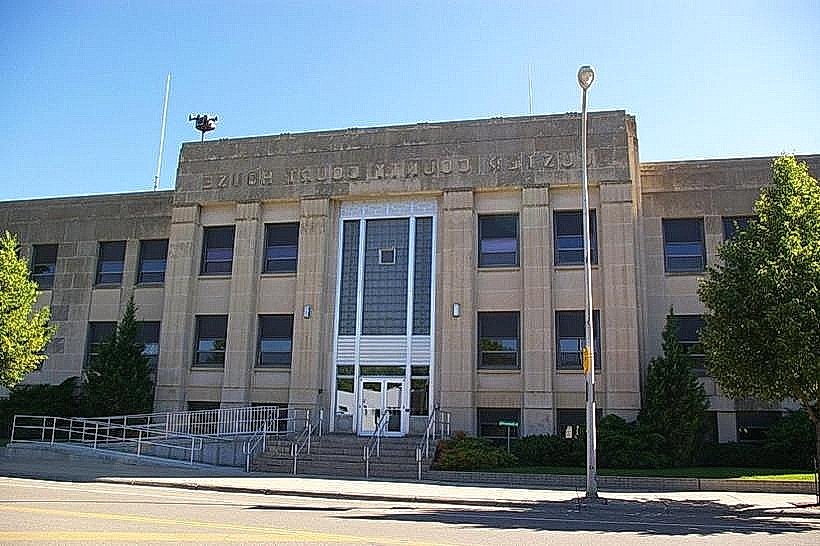
Custer County Art and Heritage Center
The Olive Hotel (Historic 1898 structure)
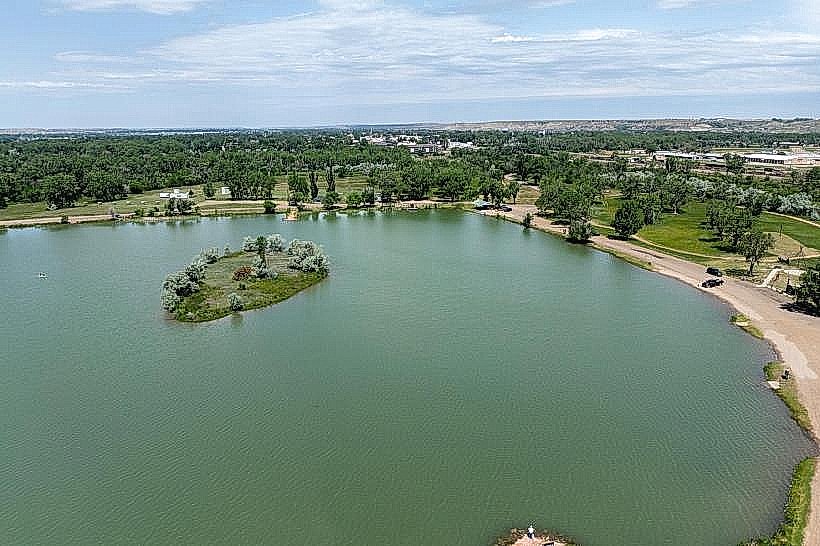
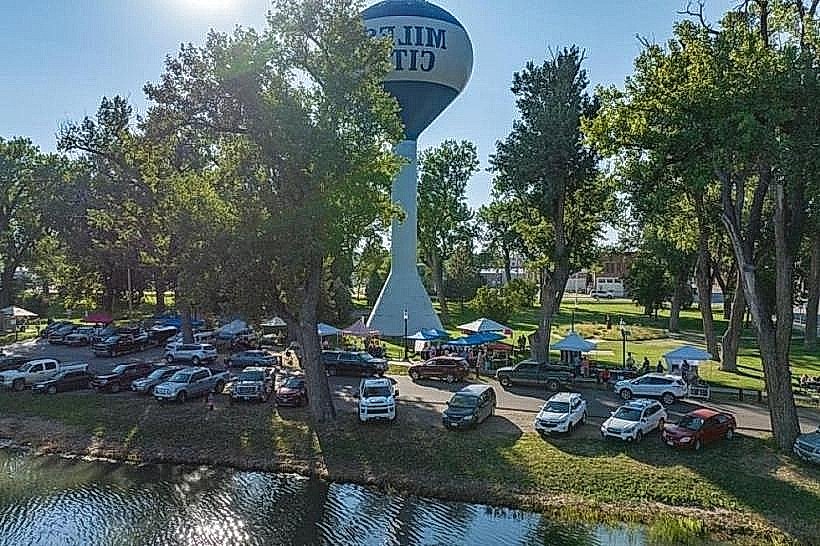
Pumping Plant Park
Transportation Network
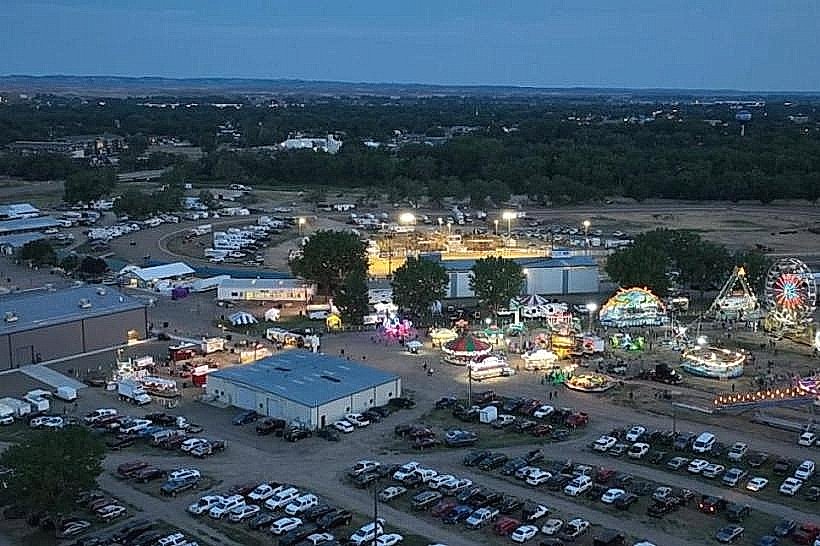
Internal movement is conducted via private vehicle. The city is highly walkable within the Main Street and residential core. There is no metro or tram system. Ride-sharing apps (Uber/Lyft) are not active in this market. Custer County Transit provides a "Dial-a-Ride" bus service during business hours. Traffic density is low, with minor increases during the annual Bucking Horse Sale in May.
Safety & "Red Zones"
The general safety level is high. There are no specific "red zones" or neighborhoods to avoid. Common scams are non-existent. The primary safety risk is environmental, specifically high-wind events and extreme cold during winter months.
Digital & Financial Infrastructure
Average internet speed is 100-200 Mbps via Midco or Spectrum. Main mobile carriers are Verizon and T-Mobile. Card acceptance is high across all formal retail and dining sectors. ATMs are readily available at Stockman Bank and First Interstate Bank branches.
Climate & Air Quality
Temperatures range from -16°C in January to 33°C in July. The area is prone to "Chinook" winds that can cause rapid temperature fluctuations in winter. Air quality is typically excellent, though seasonal wildfire smoke from the Western US can impact the region in August.
Culture & Social Norms
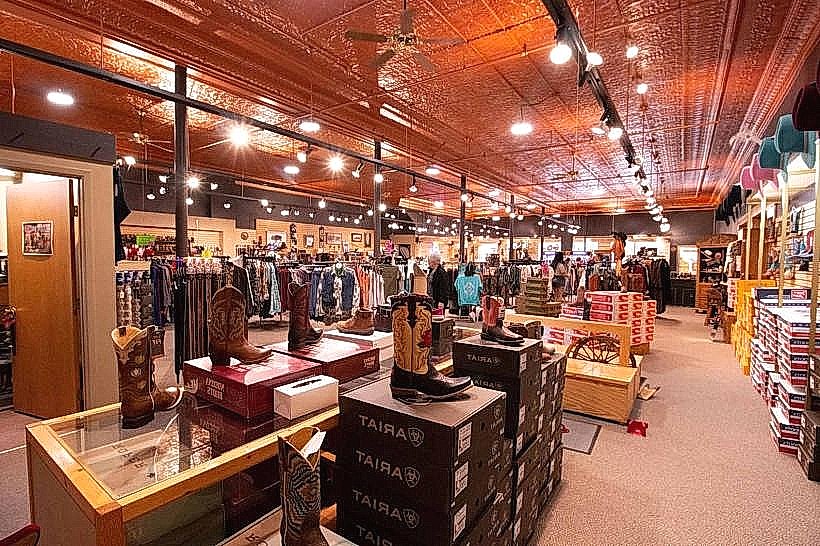
Tipping of 15-20% is standard. Handshakes are the universal greeting. Dress is casual and often Western-oriented (boots and denim are standard). Alcohol is sold in bars and casinos; smoking is prohibited in all public indoor spaces per Montana’s Clean Indoor Air Act.
Accommodation Zones
Stay in the Main Street Historic District for proximity to the Olive Hotel and local bars.
Stay near the I-94 interchanges (Exit 135 or 138) for modern hotel chains and quick highway access.
Local Cost Index
1 Espresso: $4.50 (795 JPY)
1 Standard Lunch: $15.50 (2,740 JPY)
1 Local Bus Trip: $1.00 (177 JPY)
Nearby Day Trips
Strawberry Hill Recreation Area (10 miles east)
Medicine Rocks State Park (100 miles southeast)
Makoshika State Park (75 miles northeast)
Tongue River Reservoir State Park (90 miles southwest)
Facts & Legends
Miles City is home to the World Famous Bucking Horse Sale, an event dating back to 1951 that earned the city its "Horse Capital of the World" moniker. A local historical oddity is the "unwritten law" of the early 20th century, where the city reportedly had more saloons per capita than any other town in Montana, a byproduct of its status as a gathering point for cowboys ending long cattle drives.