Information
Landmark: Fort KeoghCity: Miles City
Country: USA Montana
Continent: North America
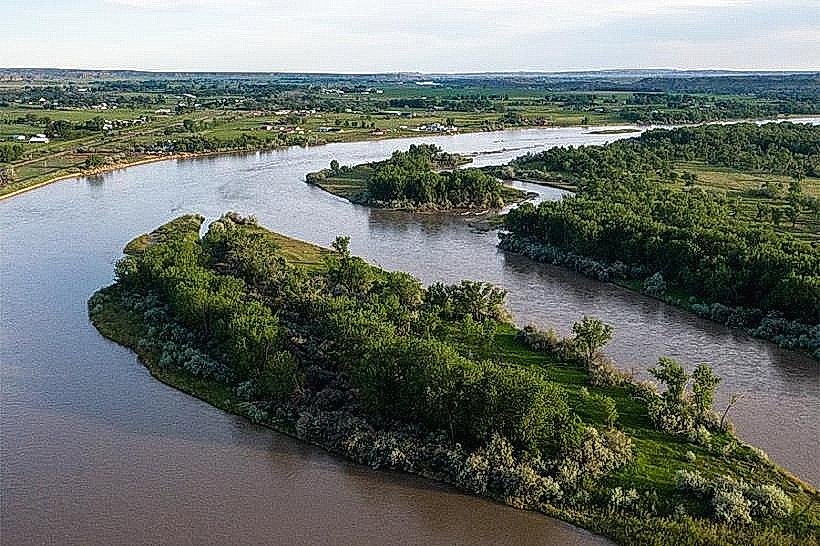
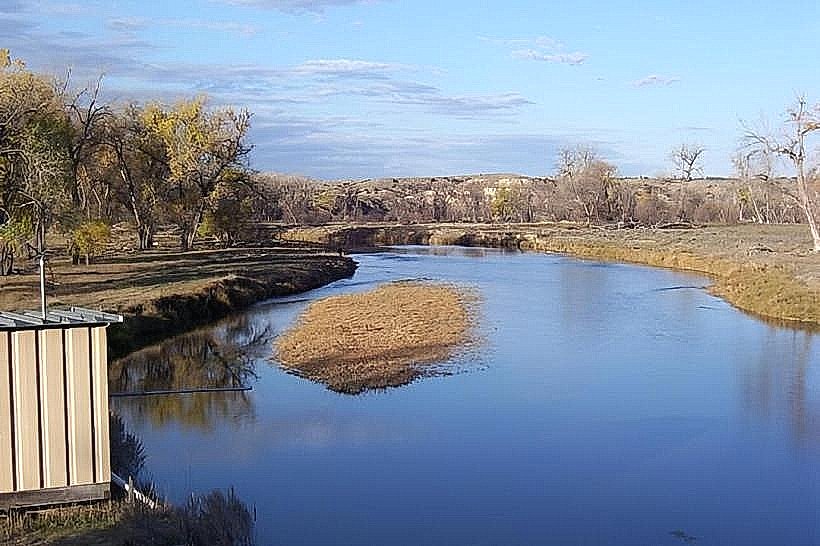
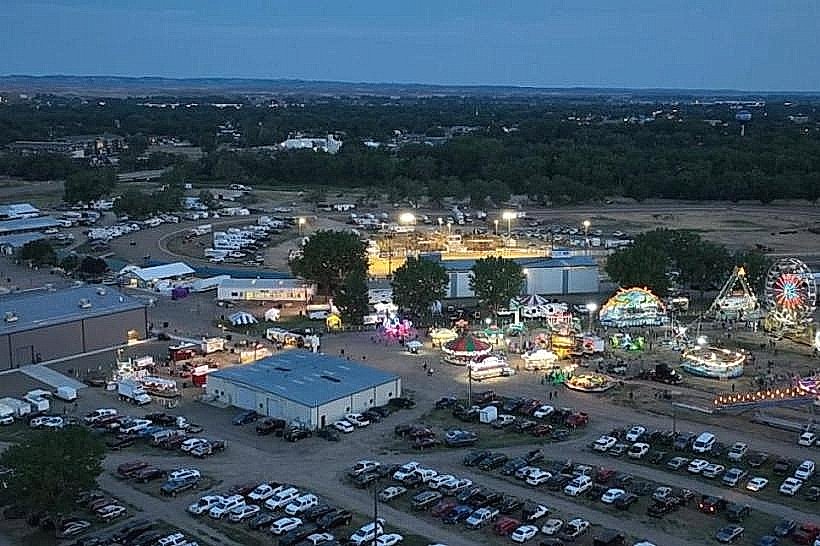
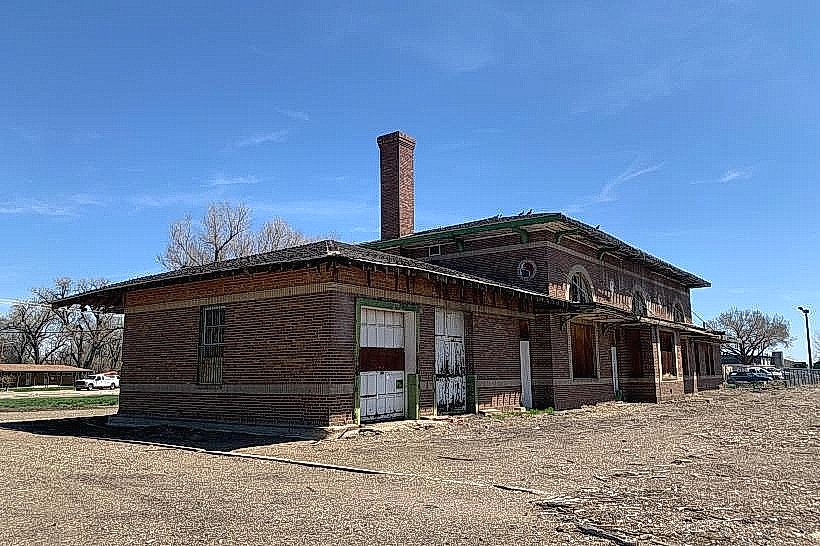
Fort Keogh, Miles City, USA Montana, North America
Vallecito Lake is a reservoir located in southwestern Colorado, approximately 20 miles northeast of Durango.
Visual Characteristics
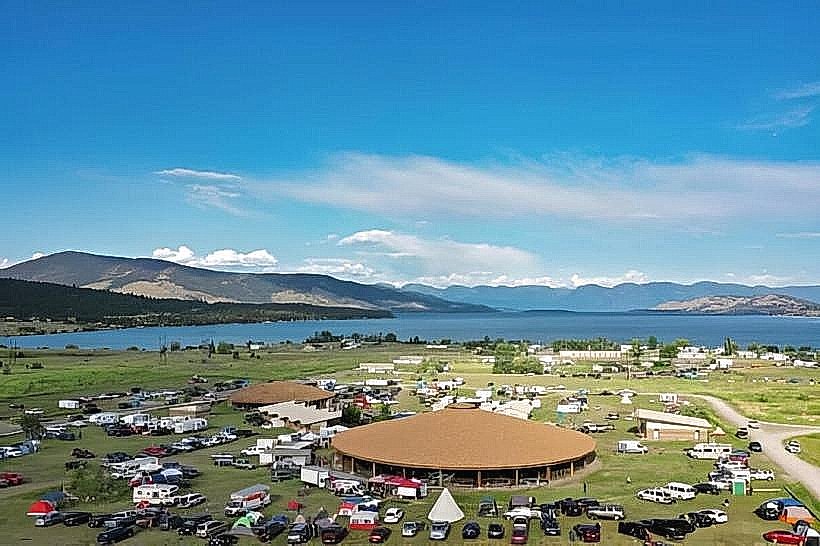
The lake is characterized by its deep blue water, surrounded by Ponderosa pine and Gambel oak forests. The shoreline is a mix of sandy beaches and rocky outcrops. The surrounding terrain includes rolling hills and the foothills of the San Juan Mountains.
Location & Access Logistics
Access to Vallecito Lake is via County Road 200 (also known as Vallecito Road) from US Highway 160. The turnoff is approximately 15 miles east of Durango. County Road 200 is paved for the majority of the route to the lake. Parking is available at multiple access points around the lake, including boat ramps and day-use areas. There are no direct public transport routes to Vallecito Lake from Durango.
Historical & Ecological Origin
Vallecito Lake was created by the construction of the Vallecito Dam, completed in 1941. The dam was built by the U.S. Bureau of Reclamation as part of the Florida Project to provide irrigation water for agricultural lands in the Animas Valley. The lake occupies a natural basin that was historically fed by the Vallecito Creek.
Key Highlights & Activities
Activities include boating, fishing for rainbow trout and kokanee salmon, kayaking, paddleboarding, and swimming. Hiking trails are available around the lake and in the surrounding national forest. The Vallecito Marina offers boat rentals and supplies.
Infrastructure & Amenities
Restrooms are available at designated day-use areas and campgrounds. Shade is provided by natural tree cover in many areas. Cell phone signal is intermittent and generally weak within the immediate vicinity of the lake. Food vendors are typically present during peak season at the marina and nearby general store.
Best Time to Visit
The best time for water activities is from late spring through early fall (May to October). For photography, early morning and late afternoon offer favorable lighting conditions. The lake is generally ice-free from April to November, though this can vary annually.
Facts & Legends
A notable historical oddity is the presence of the Vallecito Indian Village, an Ancestral Puebloan site located near the lake, indicating long-term human habitation in the area. The lake's elevation of approximately 7,400 feet means visitors should be aware of potential altitude effects.
Nearby Landmarks
- 0.5km South: Vallecito Marina
- 2km Southwest: Vallecito Creek Trailhead
- 15km West: US Highway 160
- 20km Southwest: Durango, Colorado
- 30km West: San Juan National Forest