Information
City: OuarglaCountry: Algeria
Continent: Africa
Ouargla, Algeria, Africa
Ouargla functions as the primary energy and logistical pivot of the Algerian Sahara. Situated in the northern Sahara, it serves as a specialized node for hydrocarbon extraction, desert agriculture, and regional administrative governance. In January 2026, the city is defined by its role as a strategic infrastructure corridor, hosting major urban expansion projects and serving as a critical point in the national rail and road network.
Historical Timeline
10th Century: Settled by Ibadite refugees; specialized as a focal point for trans-Saharan gold and slave trade.
1872: Occupied by French forces; established as a primary Saharan administrative and military garrison.
1950s: Discovery of the Hassi Messaoud oil field (80km away); transformed Ouargla into the structural epicenter of the Algerian energy economy.
2025 (Dec): Completion of major track segments for the Hauts Plateaux and South Eastern rail strategy, linking Ouargla with northern industrial hubs.
2026 (Jan 1): Economic Policy Shift. Implementation of the 2026 Finance Law, increasing the national minimum wage (SNMG) to 24,000 DZD, impacting the city's high-density service and energy workforce.
2026 (Jan 17): Infrastructure Tender. COSIDER Construction issued specialized tenders for high-fidelity fire-safety systems and aluminum joinery for new government projects within the city.
Demographics & Population
The metropolitan population is approximately 230,000 (2026 estimate), with the wider Ouargla Province exceeding 700,000. The demographic is characterized by a specialized mix of oil-sector professionals, university researchers from Kasdi Merbah University, and indigenous Saharan populations. Ouargla remains one of the fastest-growing urban centers in southern Algeria due to its role as a regional employment node.
Urban Layout & Key Districts
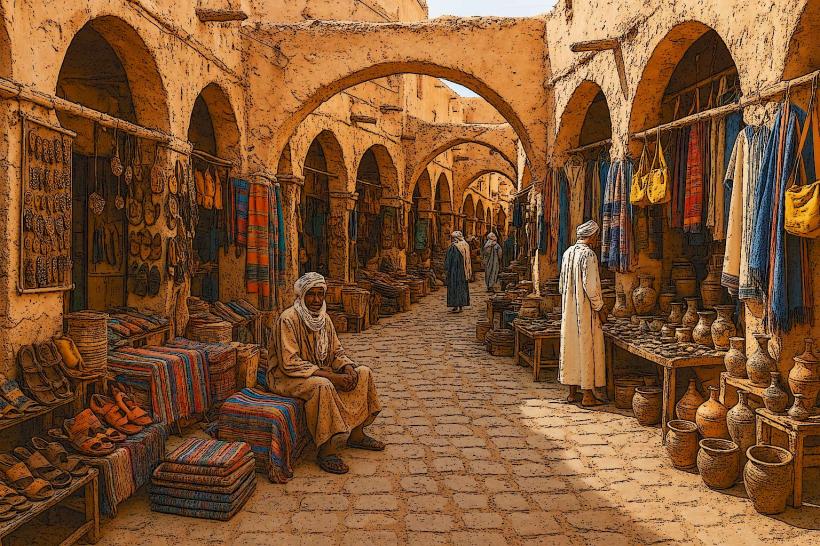
Ksar of Ouargla: The specialized historical core; characterized by high-density traditional brick architecture and the city's primary souks.
Hassi Messaoud (New Town): A specialized state-led urban development 80km east; designed as a "company town" for 80,000 residents to support the hydrocarbon sector.
Sidi Khouiled: A specialized eastern satellite; serves as a primary node for administrative expansion and modern residential blocks.
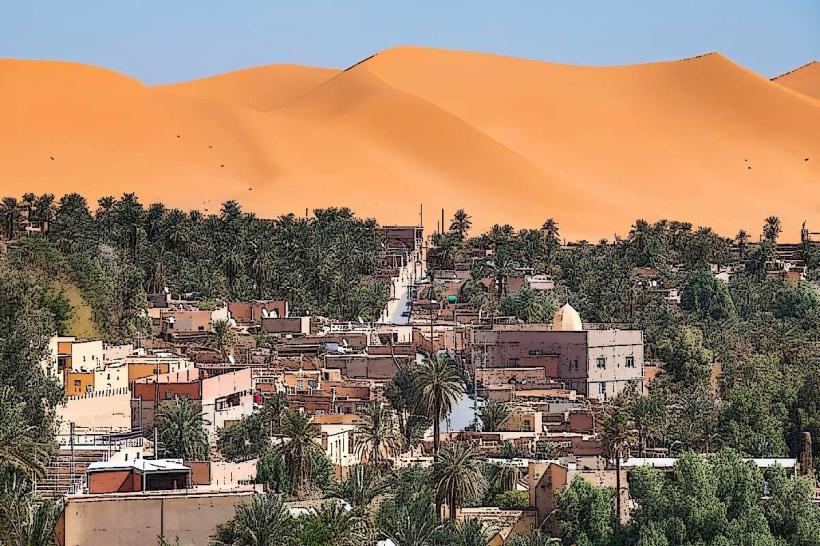
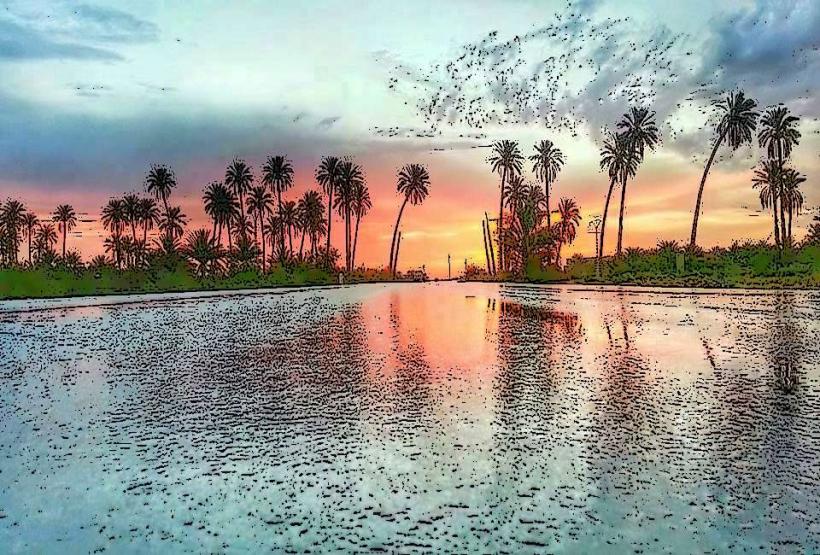
The Palm Grove (Palmeraie): A specialized 3,000-hectare agricultural belt; provides a critical microclimate and produces high-fidelity Saharan dates.
Industrial Zone: Concentrated on the city's northern fringe; focused on oilfield services, heavy machinery maintenance, and chemical processing.
Top City Landmarks
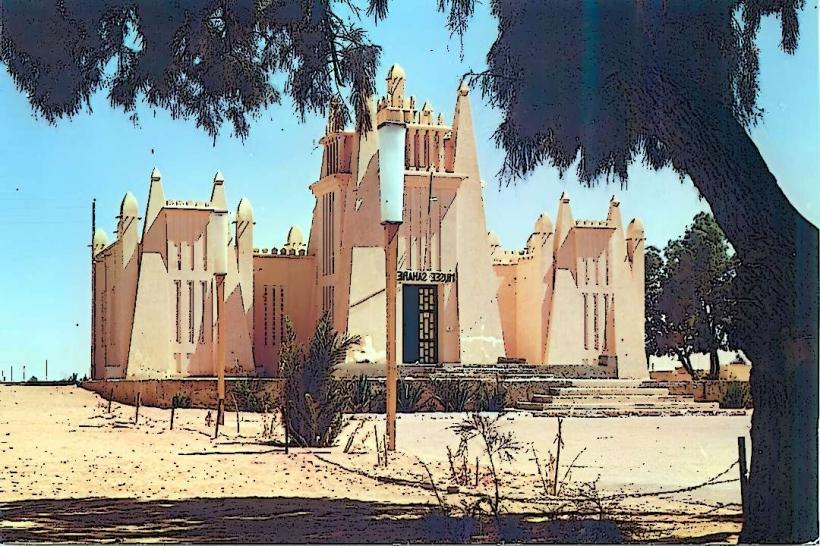
The Saharan Museum: A specialized cultural node documenting the ethnology, prehistory, and colonial history of the Ouargla basin.
L'Ehjar Rock Market (Souk l'Ehjar): The specialized commercial heart of the old city; famous for its high-fidelity "sand roses" (desert roses) and traditional crafts.
The Ouargla Tramway: A specialized 9.7km light rail system; functions as the primary node for urban mobility, connecting the old ksar to the modern administrative districts.
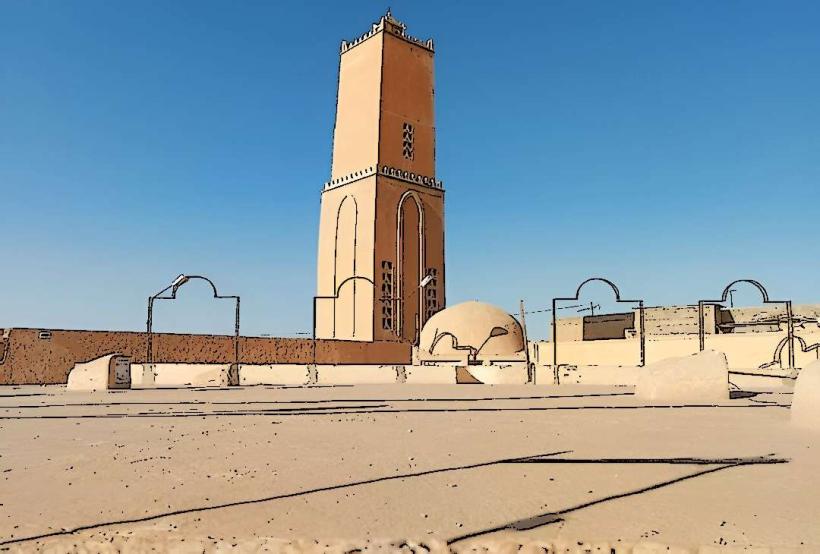
Ibadhi Mosque: A specialized architectural node reflecting the city's deep-rooted Ibadite spiritual heritage.
Lake Hassi Ben Abdallah: A specialized natural oasis node located on the city’s periphery; serves as a primary recreation site for residents.
Transportation & 2026 Logistics
Regional Road N3: The specialized logistical spine; connects Ouargla to Skikda (port) and Hassi Messaoud (energy field). In 2026, it is a priority node for concrete median installation to enhance freight safety.
Ouargla–Ghardaïa–El Meniaa Rail: In January 2026, the city is a focal point for the Southern Heavy-Freight Rail project, aimed at linking desert resource zones to the northern export corridor.
Ain el Beida Airport (OGX): A specialized domestic and international gateway; currently managing a 15% increase in technical personnel arrivals for the 2026 industrial expansion cycle.
Urban Transit: The tramway (operational since 2018) remains the city's highest-fidelity transit asset, reducing traffic density in the dense central core.
Safety & Environment
The general safety level is High. Warning: As of January 2026, specialized security protocols are active around the Hassi Messaoud perimeter for national energy security. Environmental Note: Ouargla is a high-priority node for "Groundwater Salinity Management," utilizing specialized solar-powered desalination units to protect the city's date palm groves from aquifer degradation.
Local Cost Index (2026 Estimates)
1 Night (Secure Business Hotel): DZD 9,000 – 16,000 (~$65 – $115)
Traditional "Couscous with Camel Meat" Meal: DZD 800 – 1,400
Tramway Single Ride: DZD 40
Median Monthly Rent (2-BR Apartment): DZD 30,000 – 55,000
1L Gasoline: DZD 45.00
Facts & Legends
Ouargla is the site of the "Legend of the Golden Sultan," a local myth regarding the vast wealth traded through its ancient ksour. A verified fact is that Ouargla is the richest wilaya in Algeria by GDP contribution, owing to the Hassi Messaoud gas and oil fields. Historically, the city was the capital of the Sultanate of Ouargla before the colonial era. In 2026, the city remains the specialized global epicenter for "Deep-Well Saharan Irrigation," hosting technical delegations during the January cycle to audit new sensors deployed in the surrounding desert agriculture nodes.