Information
City: Portland MECountry: USA Maine
Continent: North America
Portland ME, USA Maine, North America
Portland is the largest city in Maine and the seat of Cumberland County. Located on a peninsula extending into Casco Bay, it is the state's primary economic, cultural, and maritime hub.
Historical Timeline
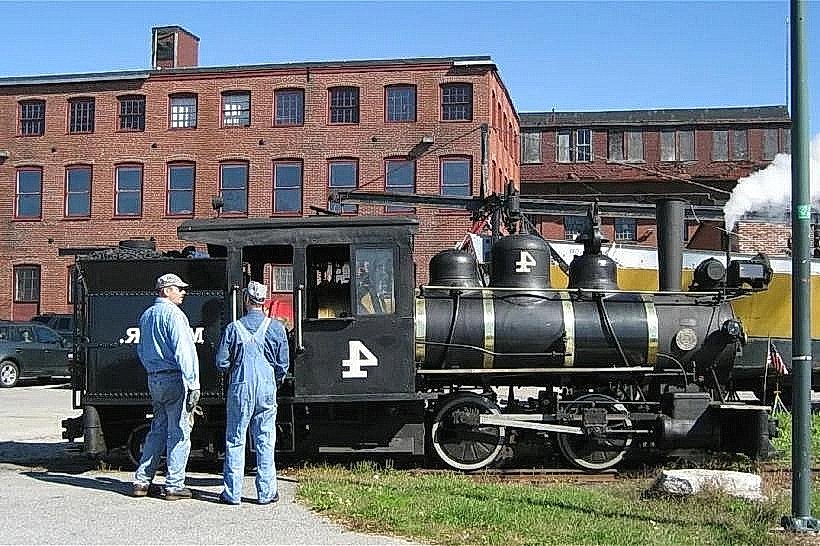
The area, originally called Machigonne by the Abenaki, was settled by the English in 1632. The city was destroyed four times: by the Wampanoag in 1676, the French and Indians in 1690, the British Navy in 1775, and by the Great Fire of 1866. The city's motto, Resurgam ("I shall rise again"), reflects this history. In the 19th century, it served as a major rail terminus for Canadian grain. Today, it has transitioned from an industrial port to a global destination for tourism, biotechnology, and the "locavore" culinary movement.
Demographics & Population
The 2026 estimated population is 68,520 within city limits, with a metropolitan population exceeding 550,000. The demographic is White (81.4%), Black or African American (8.8%), and Hispanic or Latino (3.6%). The median age is 36.8 years. Portland has become a primary resettlement site for refugees from East Africa and Southeast Asia, significantly diversifying its cultural landscape.
Urban Layout & Key Districts
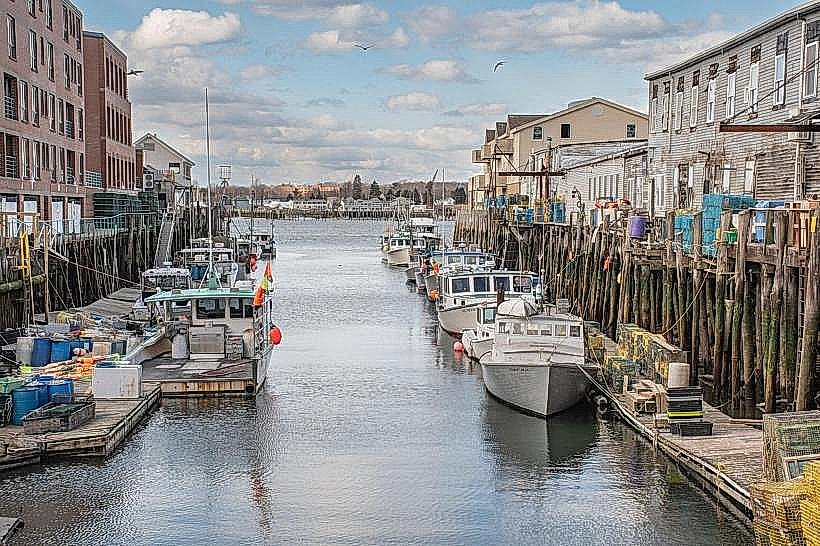
The Old Port: A historic district featuring cobblestone streets, 19th-century brick architecture, and the city's highest concentration of bars, boutiques, and galleries.
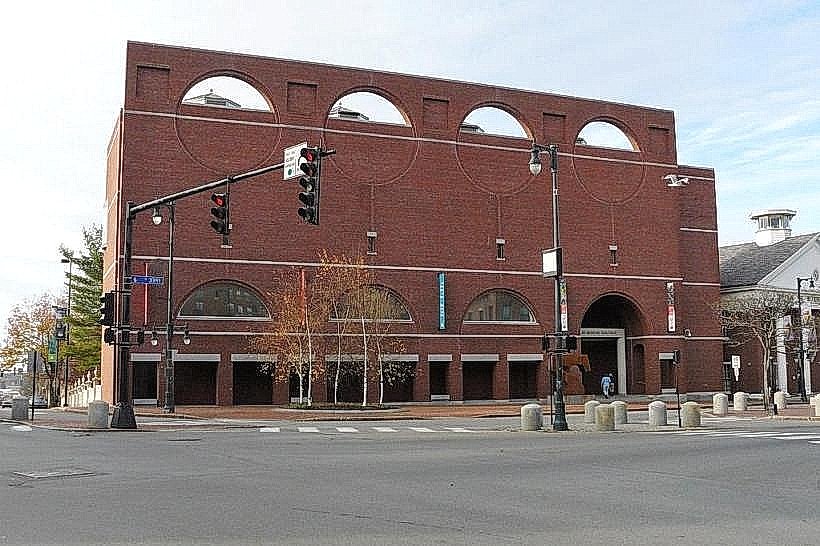
The Arts District: Centered on Congress Street, housing the Portland Museum of Art and several theaters.
Munjoy Hill (East End): A once-working-class neighborhood now characterized by high-end residential redevelopment and panoramic bay views.
The West End: Notable for its well-preserved Victorian architecture and the Western Promenade.
Bayside: A rapidly developing former industrial area north of the city center, now a hub for breweries and tech startups.
Top City Landmarks
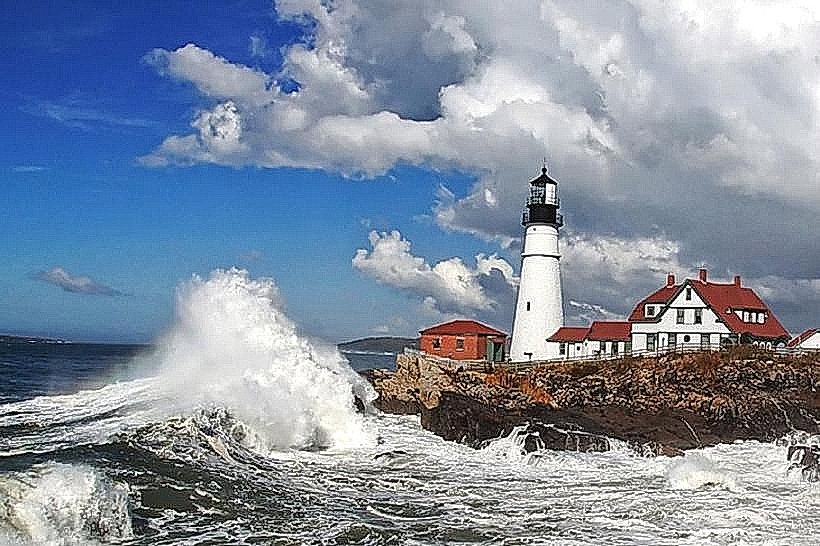
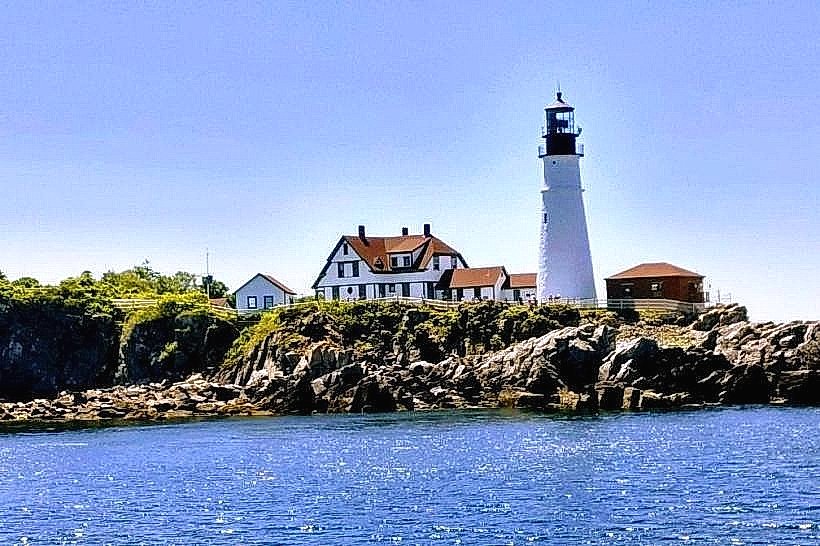
Portland Head Light: Located in nearby Cape Elizabeth; it is the most photographed lighthouse in America.
Casco Bay Lines: A ferry terminal providing access to the "Calendar Islands," including Peaks Island and Great Diamond Island.
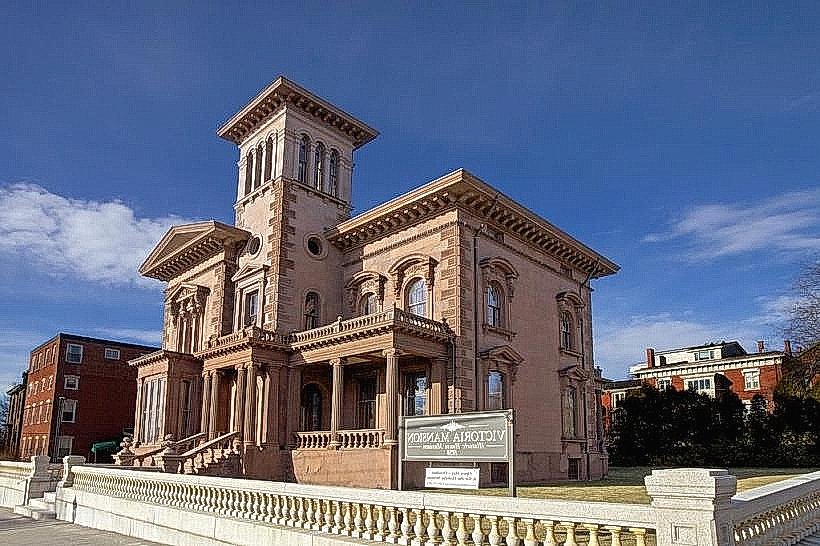
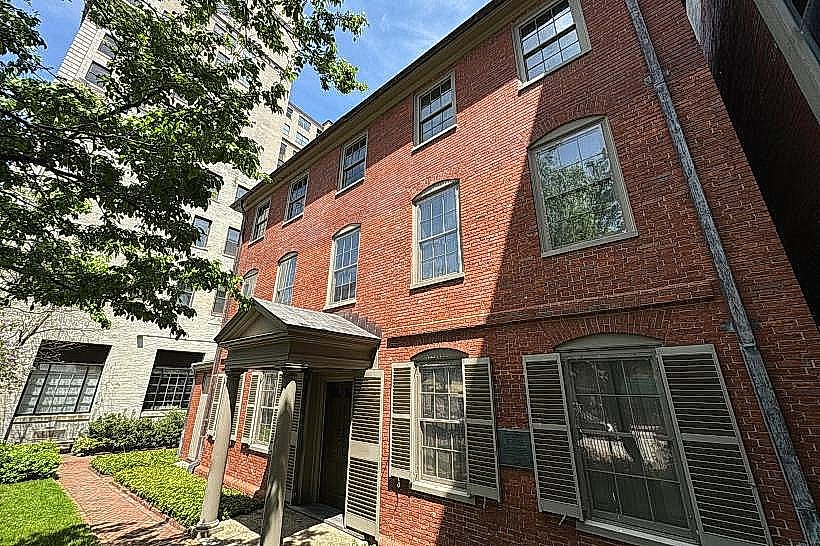
Victoria Mansion: A National Historic Landmark and the finest example of pre-Civil War Italianate architecture in the U.S.
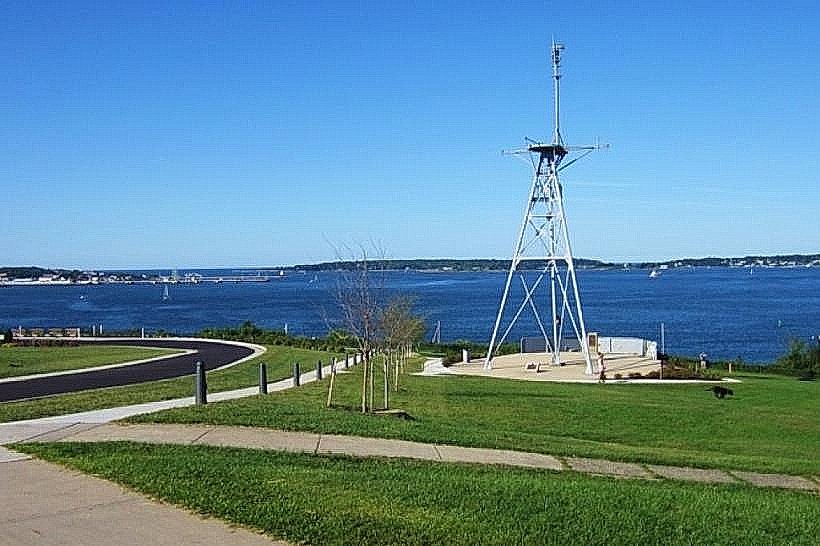
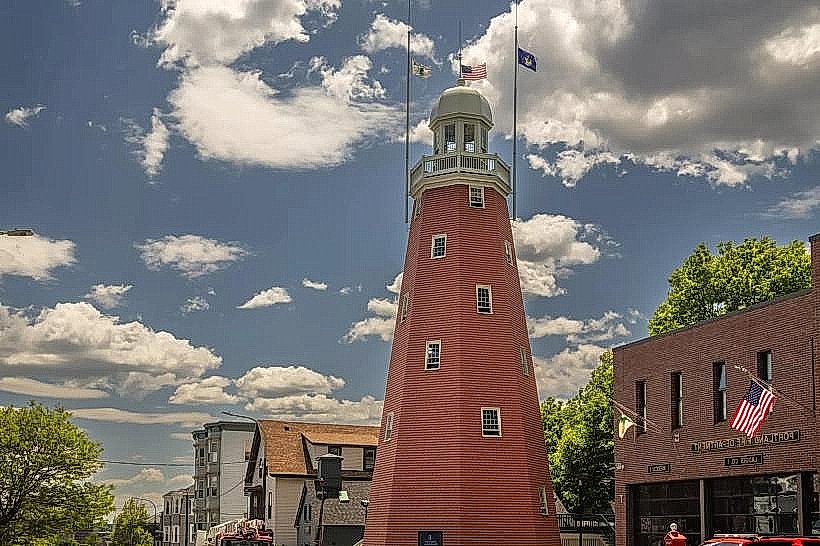
Portland Observatory: The only surviving maritime signal tower in the United States.
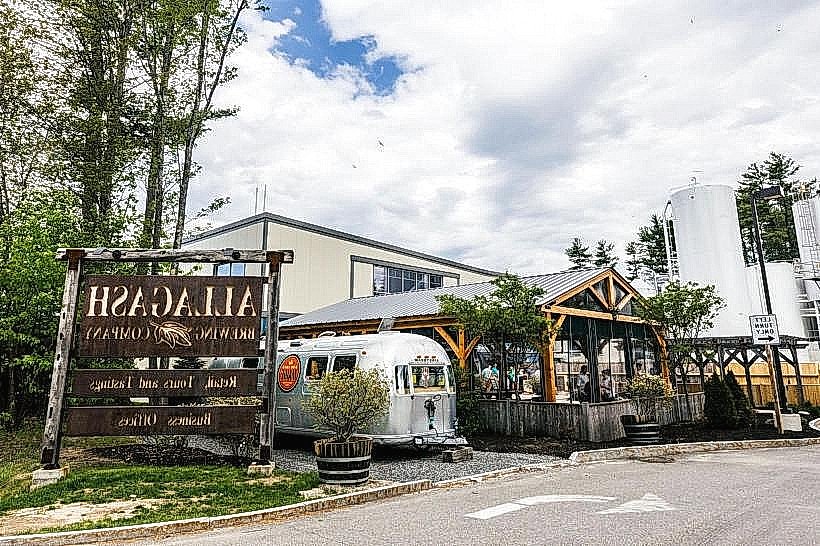
Allagash Brewing Company: A cornerstone of the city’s world-renowned craft beer scene.
Eastern Promenade: A 68-acre waterfront park designed by the Olmsted Firm.
Transportation Network
Portland is the northern terminus of I-95 (Maine Turnpike) and is served by I-293. Internal transit is managed by the Greater Portland Metro. The Amtrak Downeaster provides five daily round trips to Boston. Portland International Jetport (PWM) is the busiest airport in the state. The city is highly walkable, though parking in the Old Port is limited and expensive.
Safety & "Red Zones"
The safety level is high. Violent crime is well below national averages. Property crime is largely concentrated in the Bayside neighborhood and around the Oxford Street shelter area. There are no "red zones," though standard urban awareness is advised in the Kennedy Park area after dark. Environmental hazards are limited to severe winter storms and coastal flooding during king tides.
Digital & Financial Infrastructure
Portland is the financial capital of northern New England. It hosts the headquarters of WEX Inc. and IDEXX Laboratories. Average internet speeds reach 1-2 Gbps via Fidius (fiber) and Spectrum. Card acceptance is 100%. Major institutions include Bangor Savings Bank and TD Bank.
Climate & Air Quality
The climate is humid continental with strong maritime influence. Summers are mild and pleasant ($15^\circ\text{C}$ to $26^\circ\text{C}$); winters are cold and snowy, but moderated by the ocean ($ -8^\circ\text{C}$ to $1^\circ\text{C}$). Fog is frequent in the spring and early summer. Air quality is consistently "Excellent."
Culture & Social Norms
The culture is "Sophisticated Maritime"-a mix of blue-collar fishing heritage and high-brow culinary and arts appreciation. Tipping of 20% is standard. The city is a leader in the sustainable food movement; "The Restaurant City of the Year" (Bon Appétit, 2018) remains a central part of its identity. Alcohol is sold in grocery stores; spirits are sold in licensed agency stores.
Accommodation Zones
Old Port/Waterfront: Stay here for luxury and boutique hotels (The Press Hotel, Portland Harbor Hotel) and full walkability.
Congress Street/Arts District: Stay here for historic lodging and proximity to museums.
Near PWM Airport: Stay here for mid-range national chains and easy highway access.
Local Cost Index
Espresso: $4.75
Lobster Roll: $28.00 – $38.00 (Market dependent)
Median Home Value: $545,000
Nearby Day Trips
Freeport (L.L. Bean): 25 km (20 mins).
Old Orchard Beach: 20 km (25 mins) – A classic pier and boardwalk resort.
Kennebunkport: 45 km (45 mins) – Historic coastal village and presidential summer home.
White Mountains (NH): 100 km (1.5 hours).
Facts & Legends
Portland was the original capital of Maine from 1820 to 1832. A local legend involves the "Frozen Couple of the Western Prom," a spectral pair reportedly seen on the coldest nights of the year. Historically, the city is unique for the Portland Rum Riot of 1855, sparked by the mayor’s enforcement of the "Maine Law," the nation's first prohibition statute.