Information
Landmark: Victoria MansionCity: Portland ME
Country: USA Maine
Continent: North America
Victoria Mansion, Portland ME, USA Maine, North America
Victoria Mansion is a historic house museum located in Portland, Maine, USA.
It is a prime example of Italianate villa architecture.
Visual Characteristics
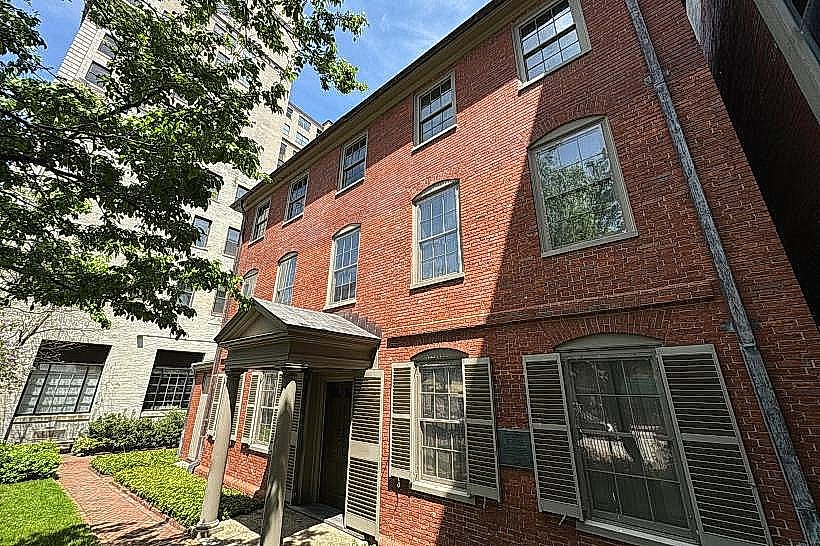
The mansion is constructed primarily of brownstone and features a complex roofline with multiple gables and dormers. Its exterior is painted in a deep red hue with contrasting white trim. The structure stands three stories high, with a prominent central tower. Decorative elements include ornate cornices, elaborate window hoods, and a wrap-around porch supported by carved brackets.
Location & Access Logistics
Victoria Mansion is situated at 109 Danforth Street in Portland, Maine. It is approximately 1.5 miles (2.4 km) southeast of the city center. On-street parking is available on Danforth Street and surrounding avenues, though it can be limited during peak hours. Public transport options include the Greater Portland Metro bus service; Route 1 (Eastern Promenade/Congress Street) stops within a 0.5-mile (0.8 km) walk.
Historical & Ecological Origin
Construction of the mansion began in 1858 and was completed in 1860. It was designed by architect Henry Austin for Ruggles Sylvester Morse, a wealthy Portland businessman. The original purpose was to serve as a summer residence for Morse and his family.
Key Highlights & Activities
Visitors can participate in guided tours of the mansion's interior, which showcase original furnishings and decorative arts from the Victorian era. Specific rooms of interest include the grand hall, the dining room, and the master bedroom. Photography is permitted in designated areas during tours.
Infrastructure & Amenities
Restrooms are available on the ground floor. Limited shaded areas are present on the porch. Cell phone signal (4G/5G) is generally reliable within the mansion and on the grounds. No on-site food vendors are present, but dining options are available in the nearby Old Port District.
Best Time to Visit
The best time of day for interior photography is during midday when natural light is most consistent. The museum operates seasonally, typically from May through October. Specific operating hours vary, and advance booking for tours is recommended, especially during summer months.
Facts & Legends
A notable feature of Victoria Mansion is its advanced heating system for its time, incorporating a furnace and a rudimentary ventilation system. Local lore suggests that the mansion was built to impress Morse's wife, who was initially hesitant about living in Portland.
Nearby Landmarks
- Eastern Promenade (0.8km Northeast)
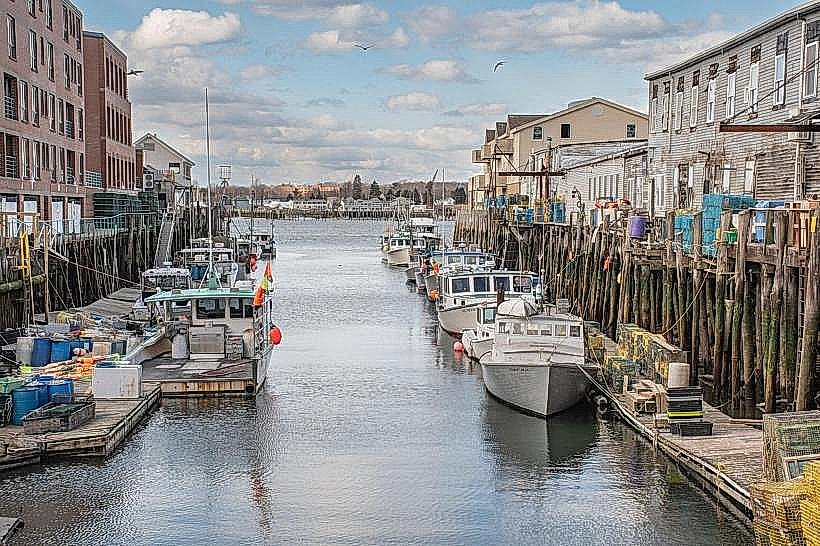
- Old Port District (1.2km West)
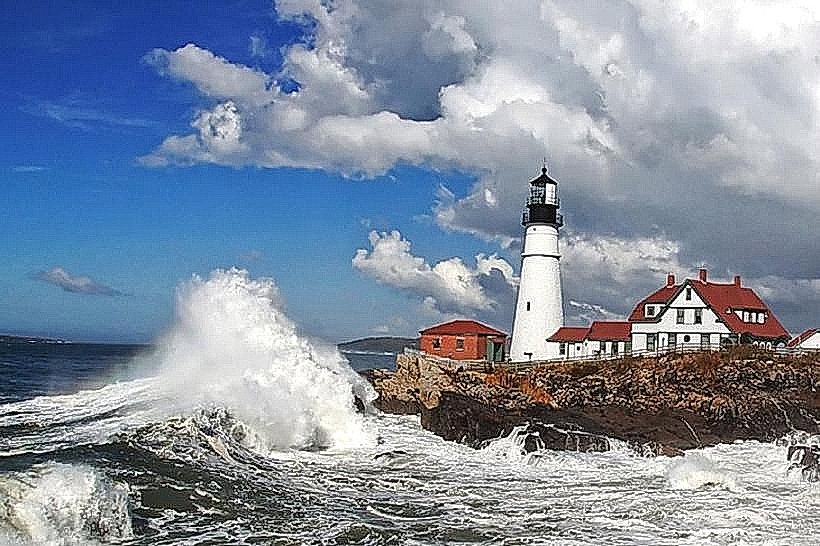
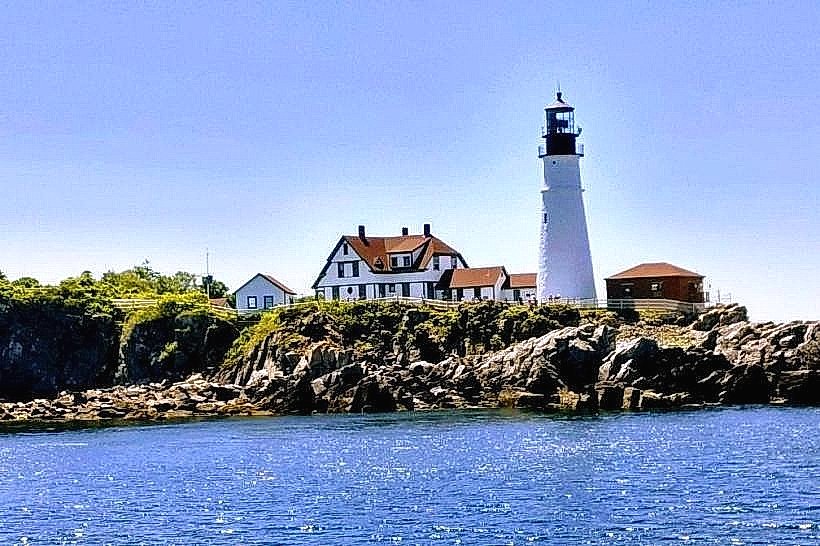
- Portland Head Light (8km Southeast)
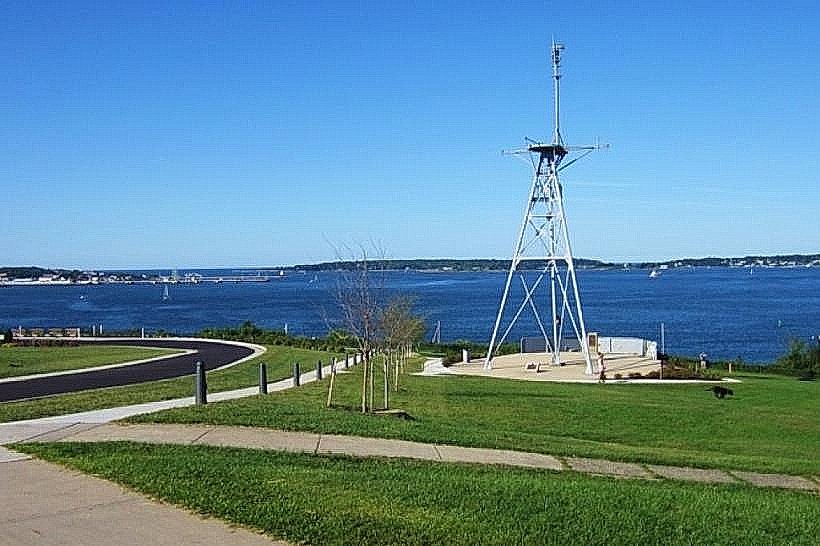
- Fort Allen Park (1.0km East)
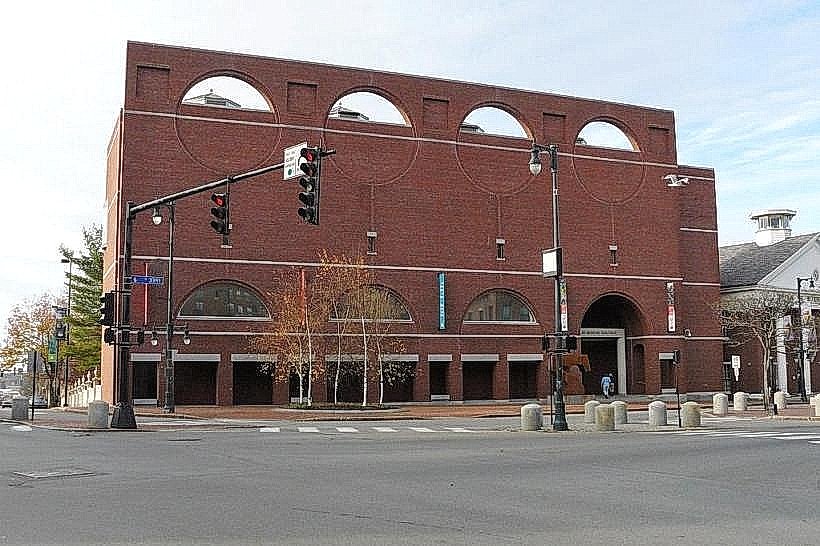
- Portland Museum of Art (1.8km Northwest)