Information
City: Santo DomingoCountry: Dominican Republic
Continent: North America
Santo Domingo, Dominican Republic, North America
Santo Domingo is the capital of the Dominican Republic and the oldest continuously inhabited European settlement in the Americas. It is a sprawling metropolis of over 3 million people, situated on the Caribbean Sea at the mouth of the Ozama River.
Historical Timeline
Founded in 1496 by Bartholomew Columbus, the city served as the primary headquarters for Spanish exploration of the New World. The Zona Colonial was the site of the first cathedral, hospital, customs house, and university in the Americas. In 1930, much of the city was destroyed by Hurricane San Zenon, leading to a massive reconstruction under the dictator Rafael Trujillo (who renamed it Ciudad Trujillo until 1961). The late 20th century saw rapid urbanization and the construction of the Metro system.
Demographics & Population
The Greater Santo Domingo area has a population exceeding 3.3 million. The demographic is highly diverse, reflecting a mix of European, African, and Taino indigenous heritage. It is the economic and political center of the country, with a growing middle class and a significant expat community.
Urban Layout & Key Districts
The city is divided into the National District (DN) and Santo Domingo Province.
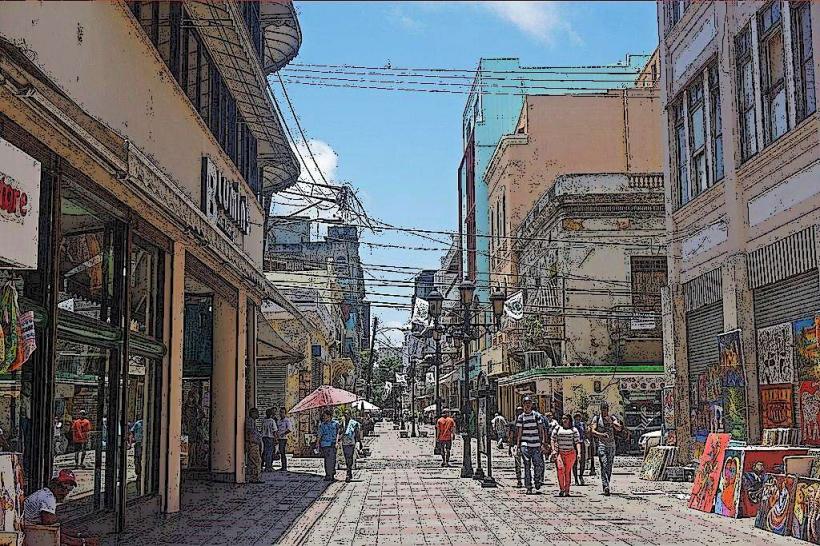
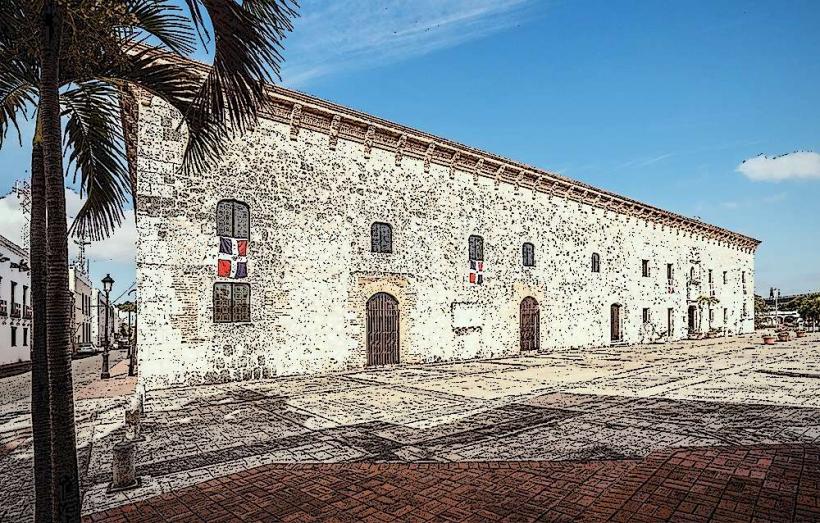
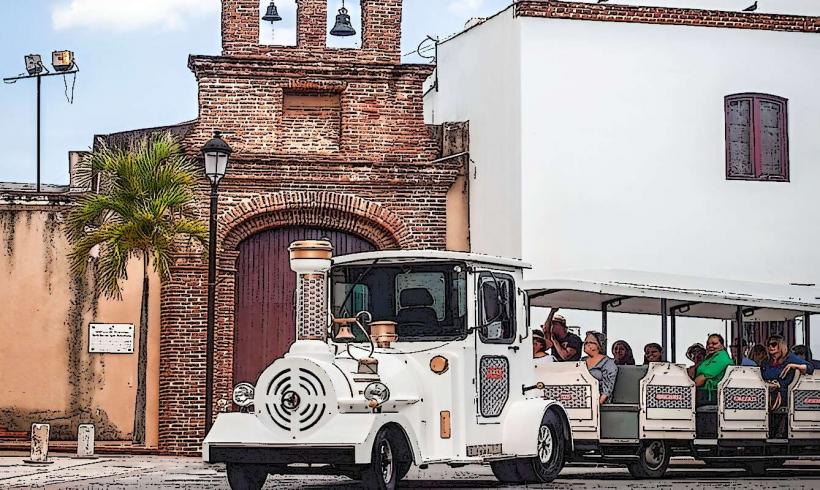
Zona Colonial: The historic heart, a UNESCO World Heritage site featuring cobblestone streets and 16th-century architecture.
Piantini & Naco: The "Polígono Central," characterized by luxury high-rises, upscale shopping malls, and the financial district.
Gazcue: A traditional residential neighborhood with tree-lined streets and early 20th-century mansions.
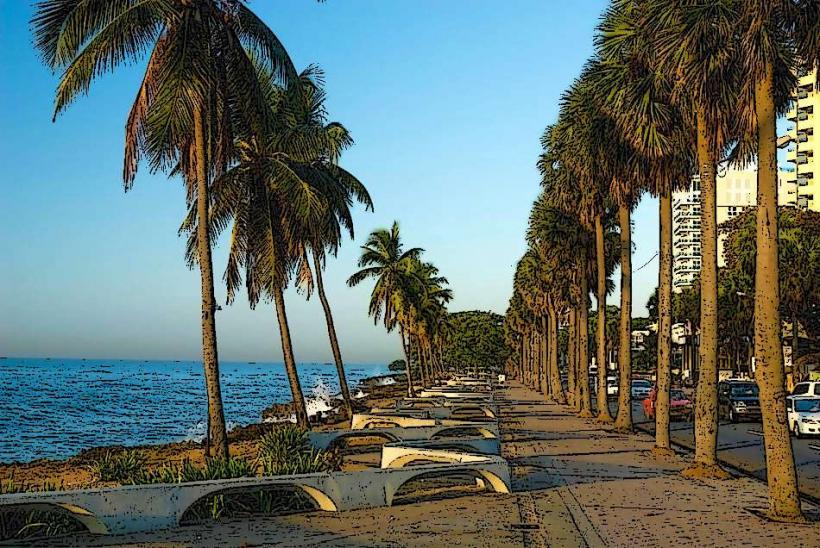
Malecón (George Washington Ave): A scenic waterfront boulevard lined with hotels, casinos, and restaurants.
Top City Landmarks
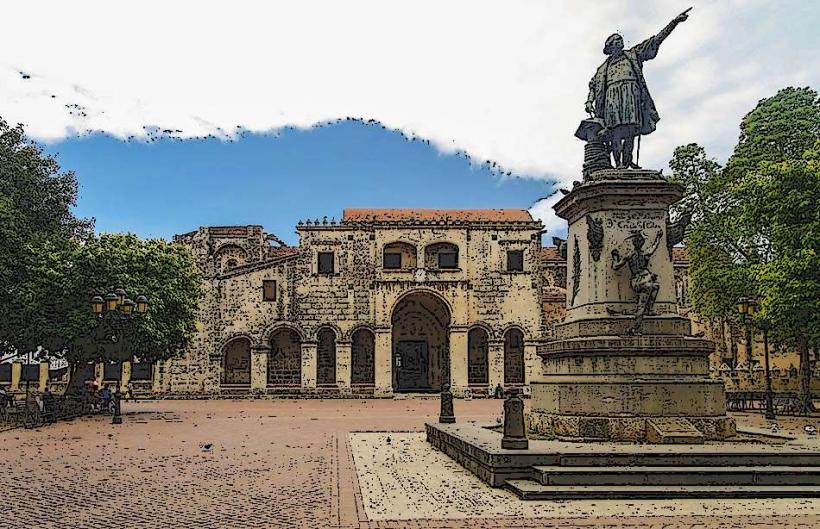
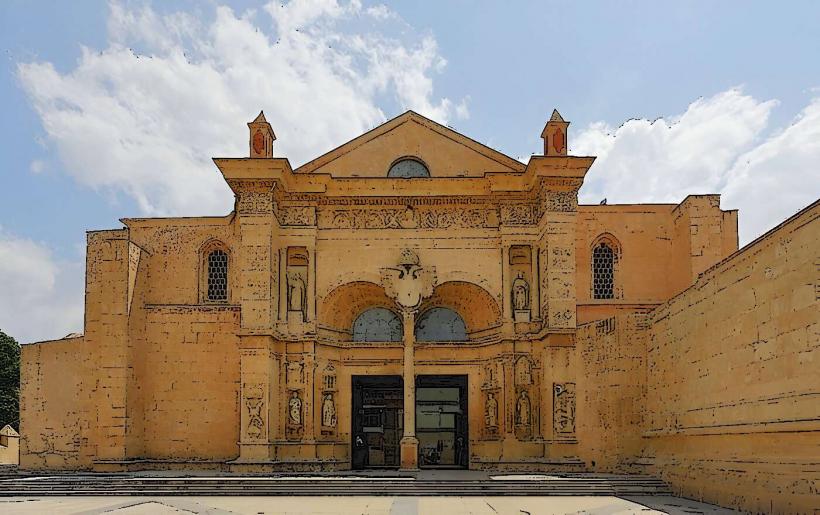
Catedral Primada de América: The first cathedral in the Americas, completed in 1541.
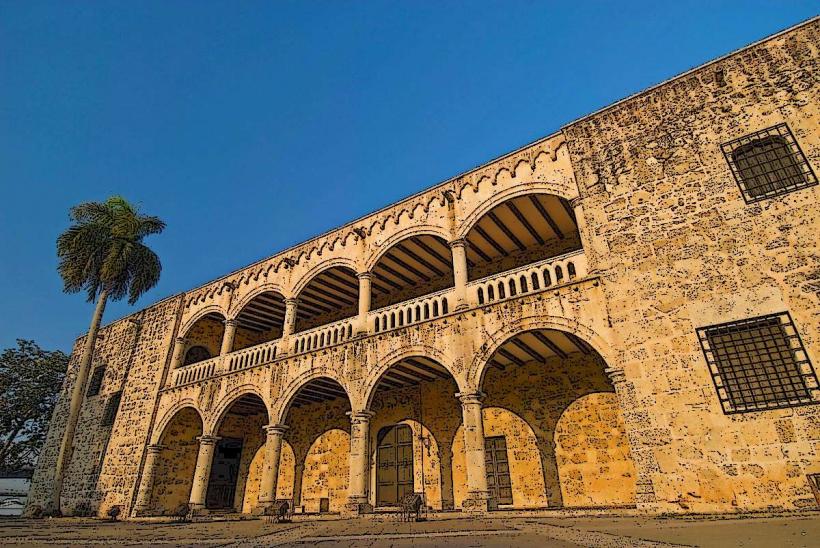
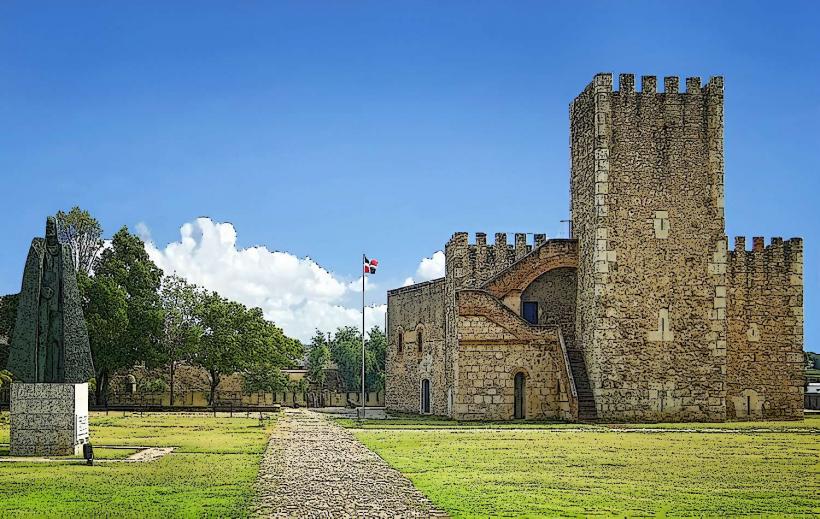
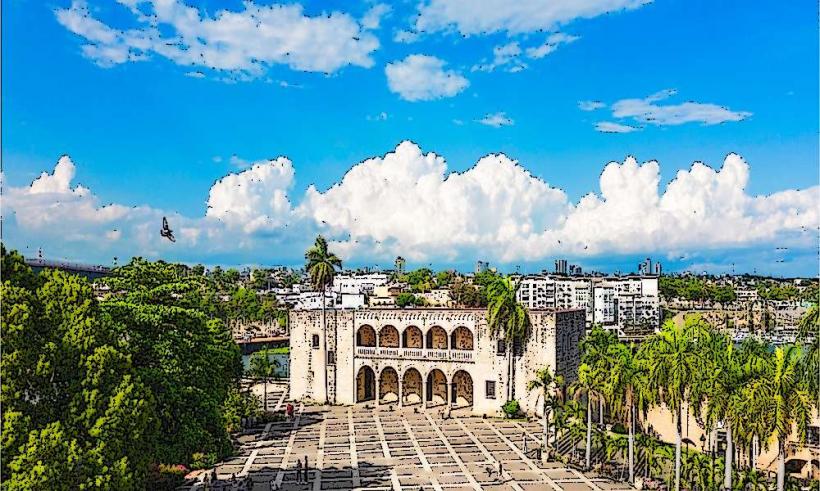
Alcázar de Colón: The fortified palace of Diego Columbus, son of Christopher Columbus.
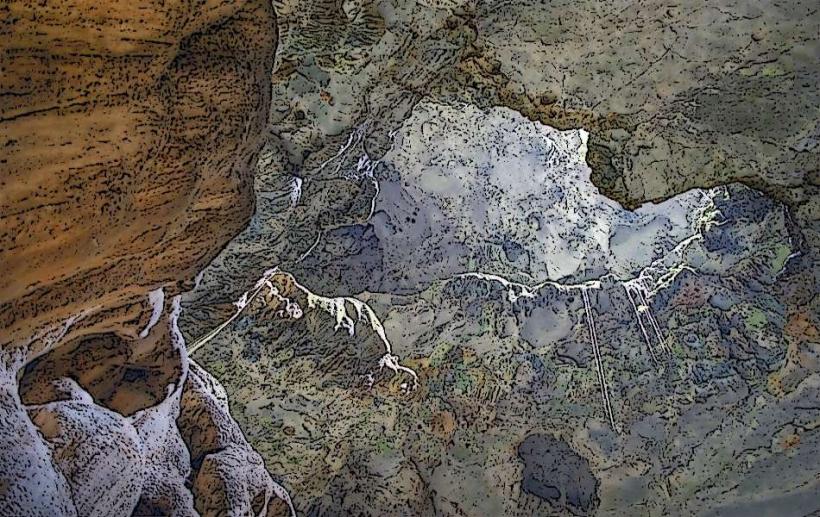
Los Tres Ojos: A limestone cave system containing three distinct turquoise lagoons (cenotes).
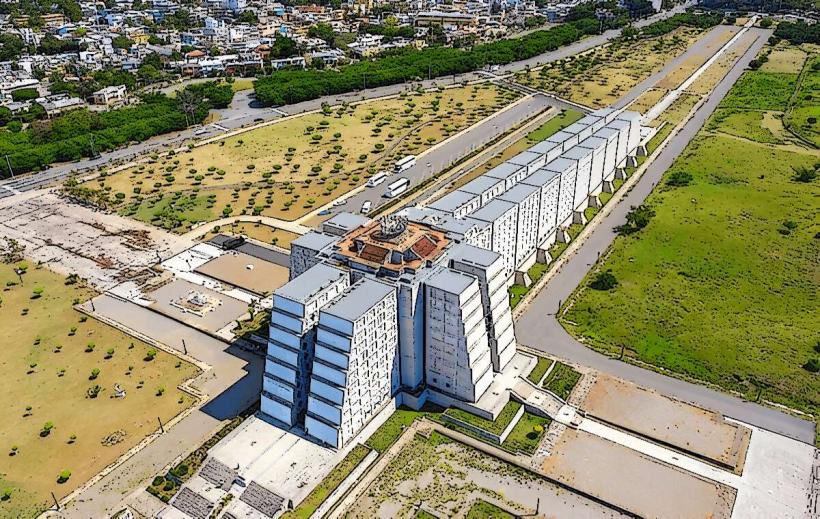
Faro a Colón (Columbus Lighthouse): A massive cross-shaped monument and museum rumored to hold Columbus's remains.
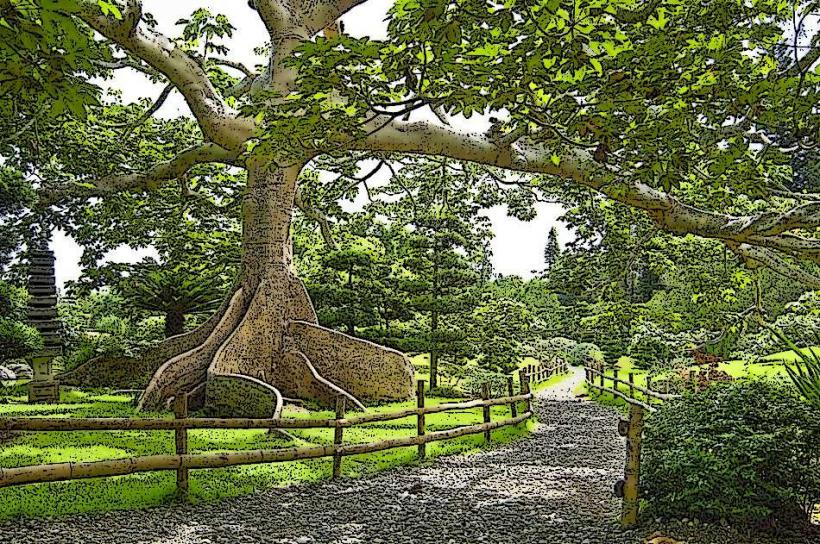
National Botanical Garden: One of the largest and best-preserved botanical gardens in the Caribbean.
Transportation Network
Metro de Santo Domingo: The most extensive subway system in the Caribbean (Lines 1 and 2).
Teleférico: A cable car system integrated with the Metro to serve hilly, high-density areas.
Publicos/Conchos: Multi-passenger shared taxis that run fixed routes (often crowded).
Uber/Cabify: Highly recommended for foreigners; reliable and affordable.
Air: Las Américas International Airport (SDQ) is the primary gateway, located 30 minutes east of the city.
Safety & "Red Zones"
Exercise high caution. Petty crime (theft and mugging) is common.
Avoid: Neighborhoods like Villa Agricolas, Cristo Rey, and parts of Santo Domingo Este at night.
Safety Tip: Use Uber rather than hailing street taxis, and avoid wearing visible jewelry or using expensive phones on the street. Stick to the Zona Colonial and the Polígono Central.
Digital & Financial Infrastructure
Fiber-optic internet is standard in business districts via Claro or Altice. 5G is available in the National District. Credit cards are accepted in malls, hotels, and upscale restaurants; cash (DOP) is necessary for small shops and transport. The currency is the Dominican Peso ($RD).
Climate & Air Quality
Tropical maritime climate.
Weather: High humidity year-round. Average temp 25°C–30°C.
Hurricane Season: June to November.
Air Quality: Moderate; traffic congestion in the city center contributes to significant localized smog during peak hours.
Culture & Social Norms
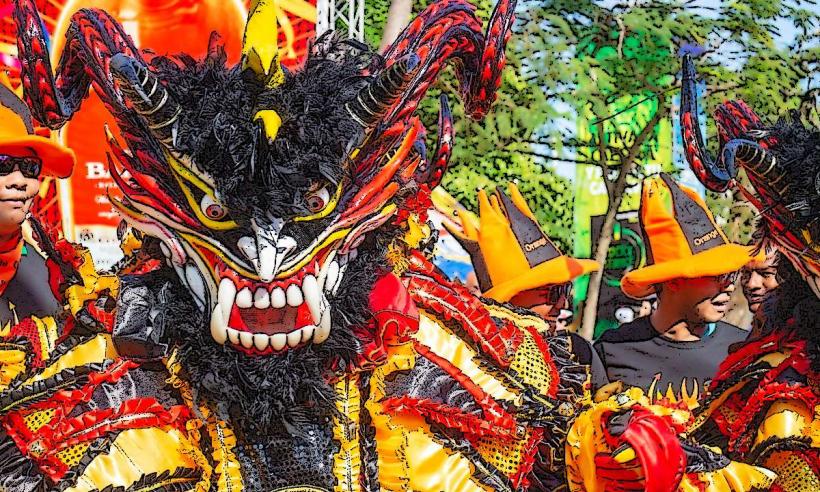
The city is the birthplace of Merengue and Bachata. Tipping of 10% is expected (often included as a "service charge" on bills, but an extra tip for the server is customary). Dress code: Dominicans take pride in appearance; "Business Casual" is the norm for dining and nightlife. Shorts and flip-flops are often restricted in government buildings and churches.
Accommodation Zones
Zona Colonial: Best for history, boutique hotels, and walkability.
Piantini/Naco: Best for luxury stays, business travelers, and high-end dining.
Malecón: Best for ocean views and large resort-style hotels.
Local Cost Index
1 Espresso: $RD 150 ($2.50)
1 Standard Lunch (Bandera Dominicana): $RD 450 ($7.50)
1 Uber ride (central): $RD 250 ($4.20)
Nearby Day Trips
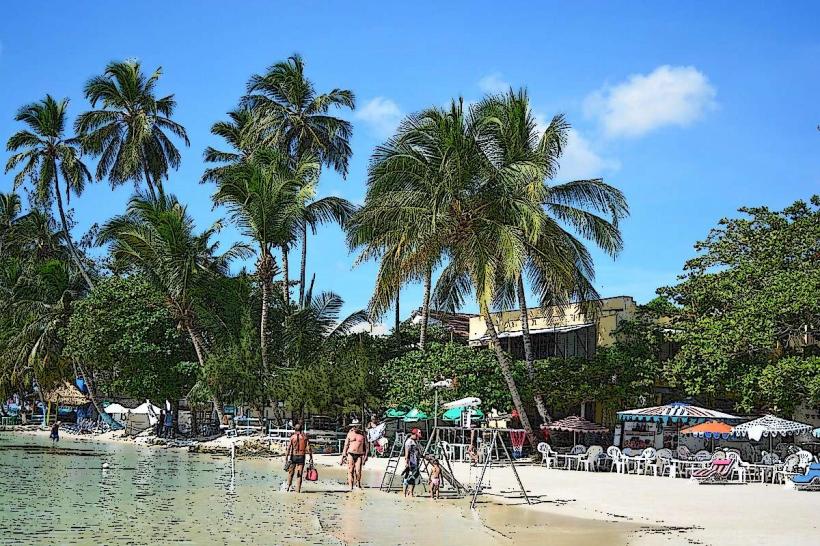
Boca Chica: 30 mins; the closest (though crowded) white-sand beach.
Juan Dolio: 45 mins; a more relaxed beach resort area.
Bayahibe: 1 hour 45 mins; gateway to Saona Island.
Facts & Legends
A verified historical oddity is that the Calle Las Damas in the Zona Colonial is the oldest paved street in the Americas. Local legend surrounds the Faro a Colón; it is said that the powerful light beams projected in the shape of a cross can be seen as far away as Puerto Rico, though the lighthouse is rarely fully illuminated today due to the city's power grid constraints.