Information
Landmark: Salinas Hot SpringsCity: Santo Domingo
Country: Dominican Republic
Continent: North America
Salinas Hot Springs, Santo Domingo, Dominican Republic, North America
The Salinas Hot Springs are a geothermal feature located approximately 60 kilometers southwest of Santo Domingo, Dominican Republic. These springs are characterized by their warm, mineral-rich waters.
Visual Characteristics
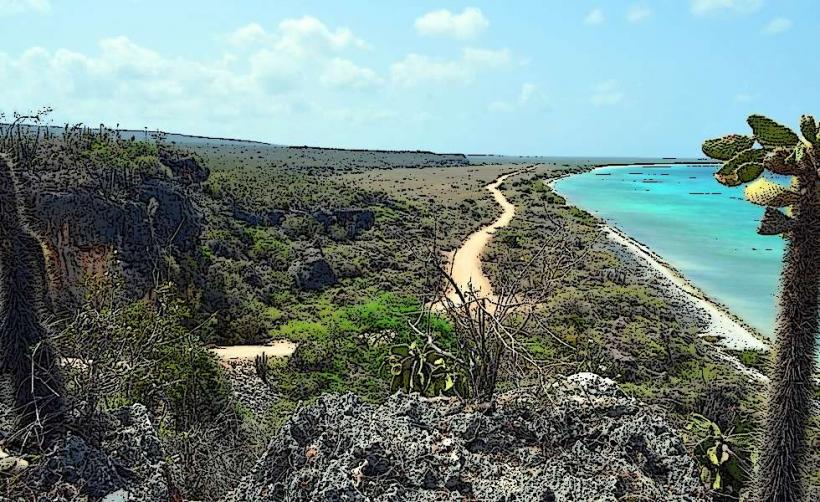
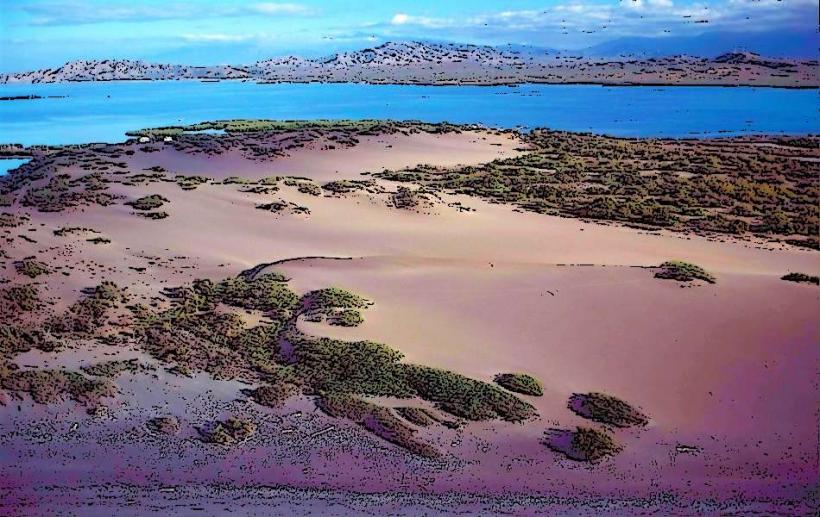
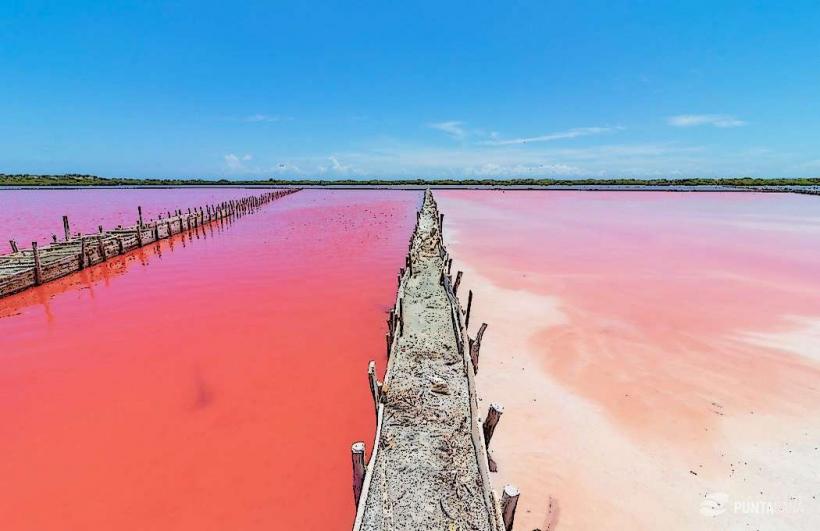
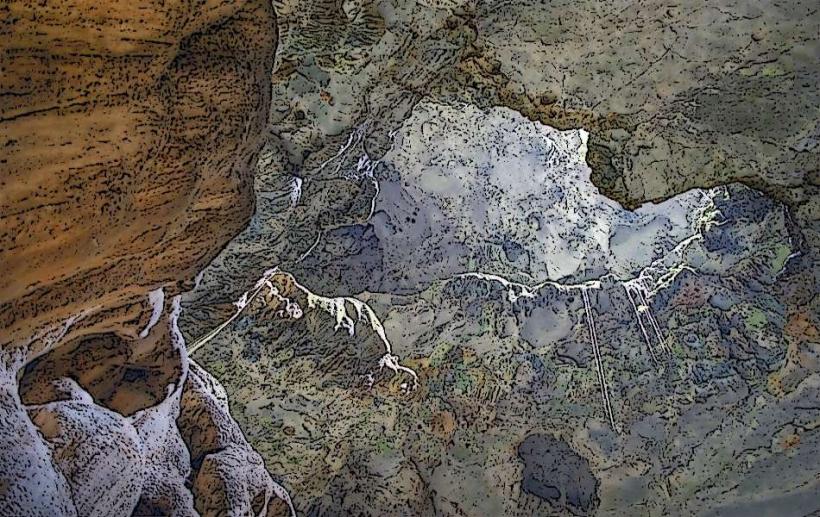
The springs typically present as shallow, naturally formed pools with clear to slightly cloudy water, often exhibiting a faint sulfurous odor. The surrounding terrain is generally arid, transitioning from coastal scrubland to areas with salt-tolerant vegetation. Water temperatures range from 35°C to 40°C. The ground around the springs may show mineral deposits, appearing as white or reddish crusts.
Location & Access Logistics
The Salinas Hot Springs are situated near the coastal town of Salinas, within the province of Peravia, southwest of Santo Domingo. Access is primarily via Highway 2 (DR-2), driving southwest from Santo Domingo towards Baní, then following local roads towards the Salinas peninsula. The approximate driving distance from Santo Domingo city center is 60-70 kilometers, taking about 1.5 hours. Parking is typically informal, along unpaved access roads near the springs. Public transport options are limited to intercity buses from Santo Domingo to Baní, followed by local taxis or motoconchos to the specific spring location, which may be challenging due to lack of direct routes.
Historical & Ecological Origin
The Salinas Hot Springs are of geological origin, formed by geothermal activity where groundwater is heated by the Earth's crust before rising to the surface. The specific geological classification is a fault-controlled thermal spring, likely associated with the tectonic activity of the Caribbean Plate. The high salinity of the water is attributed to the interaction with subterranean salt deposits or proximity to the coastal environment.
Key Highlights & Activities
Bathing in the warm, mineral-rich waters is the primary activity, often sought for purported therapeutic benefits. Visitors can observe the unique arid coastal ecosystem. Photography of the natural landscape and the thermal pools is common. There are no organized tours specifically for these springs; exploration is self-guided.
Infrastructure & Amenities
Infrastructure at the Salinas Hot Springs is minimal. Restrooms are not available directly at the springs. Shade is limited, primarily provided by sparse vegetation. Cell phone signal (4G/5G) is generally available but can be intermittent in specific pockets. There are no food vendors directly at the springs; visitors should bring their own provisions. Basic services may be found in the nearby town of Salinas.
Best Time to Visit
The best time to visit is during the cooler dry season, from November to April, to avoid the intense heat and humidity of the summer months. Early mornings or late afternoons are ideal for photography, offering softer light and potentially less direct sun exposure. There are no specific high/low tide requirements as the springs are inland, though proximity to the coast means coastal winds can be a factor.
Facts & Legends
Local lore suggests the waters possess healing properties for skin ailments and rheumatic conditions due to their mineral content. A practical tip for visitors is to wear water shoes, as the ground around the springs can be uneven and muddy, and to bring ample drinking water due to the arid environment and lack of facilities.
Nearby Landmarks
- Dunas de Baní: 15km East
- Playa Salinas: 5km South
- Las Calderas Naval Base: 7km Southwest
- City of Baní: 25km Northeast