Information
City: SemarangCountry: Indonesia
Continent: Asia
Semarang, Indonesia, Asia
Semarang is the capital of the Central Java province and the fifth-largest city in Indonesia. Located on the northern coast of Java, it is a significant commercial hub characterized by its unique "split" topography, consisting of a coastal lowland (Lower Town) and a hilly upland (Upper Town).
Historical Timeline
Semarang originated as a small coastal village and became a vital port for the Mataram Sultanate. In 1677, control was ceded to the Dutch East India Company (VOC). During the 19th and early 20th centuries, it grew into a major colonial administrative and logistical center, serving as the headquarters for the first railway company in the Dutch East Indies.
Demographics & Population
The city has a population of approximately 1.7 million. It is a major melting pot of Javanese and Chinese cultures, housing one of Indonesia’s oldest and largest Chinese communities. The economy is driven by manufacturing, logistics, and food processing.
Urban Layout & Key Districts
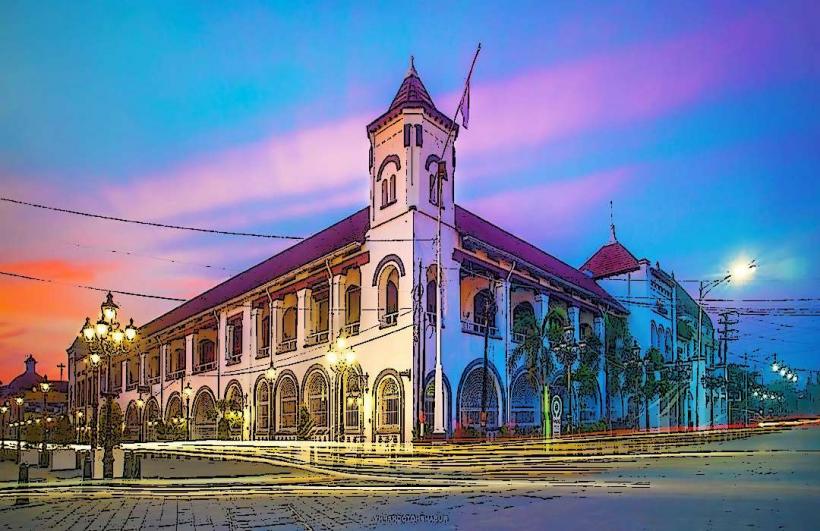
Kota Lama (Old Town): A well-preserved 19th-century European colonial district, nicknamed "Little Netherlands."
Pandanaran: The modern commercial center, famous for souvenir shops and culinary outlets.
Candi & Simpang Lima: Simpang Lima is the city's central square; the Candi district is the upscale hilly residential area in the Upper Town.
Semarang Chinatown (Gang Baru): A vibrant area filled with ancient temples and traditional markets.
Top Landmarks
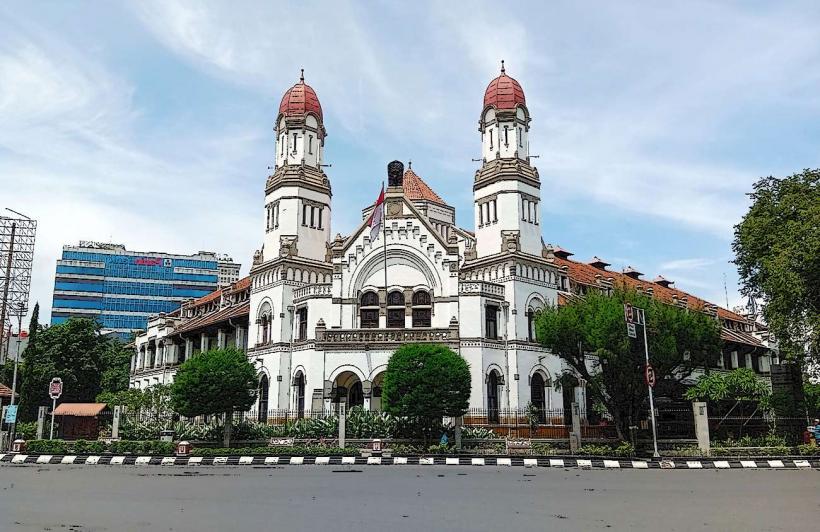
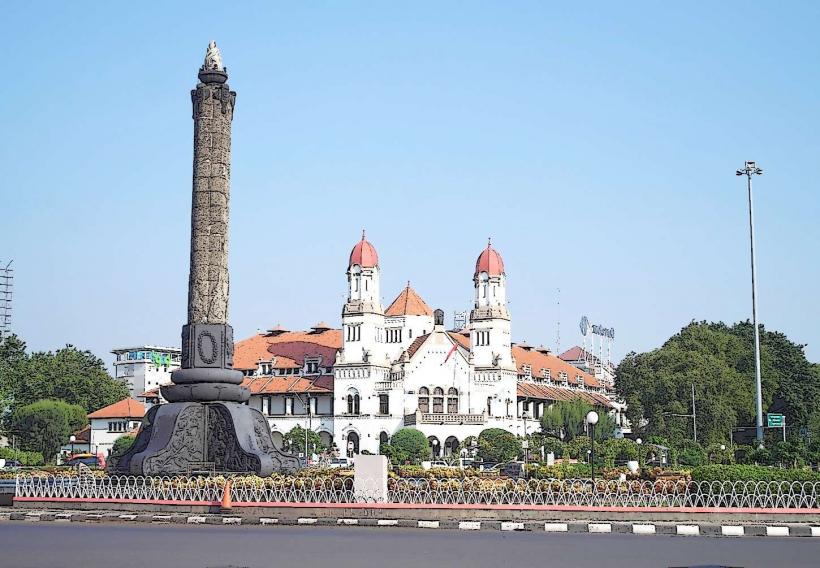
Lawang Sewu: A massive colonial administrative building known as "Thousand Doors," famous for its stained glass and rumored hauntings.
Gereja Blenduk: An 18th-century copper-domed Protestant church in the heart of the Old Town.
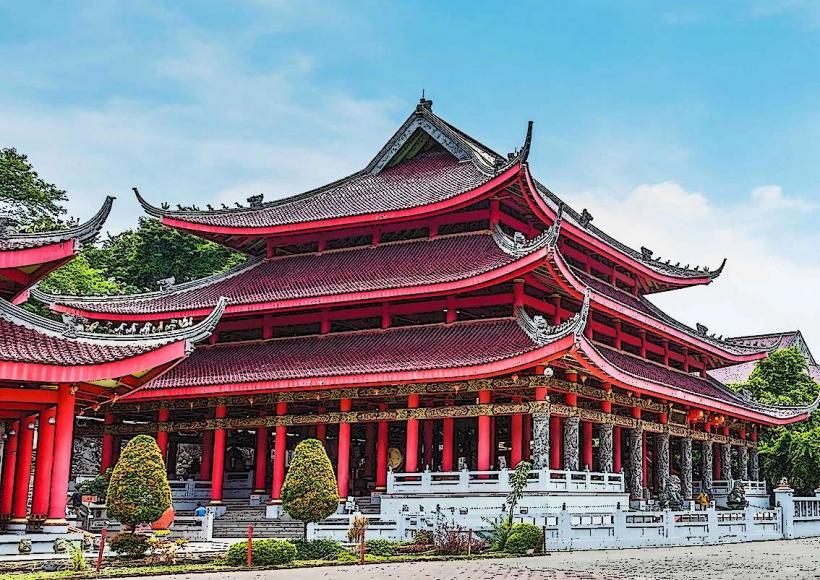
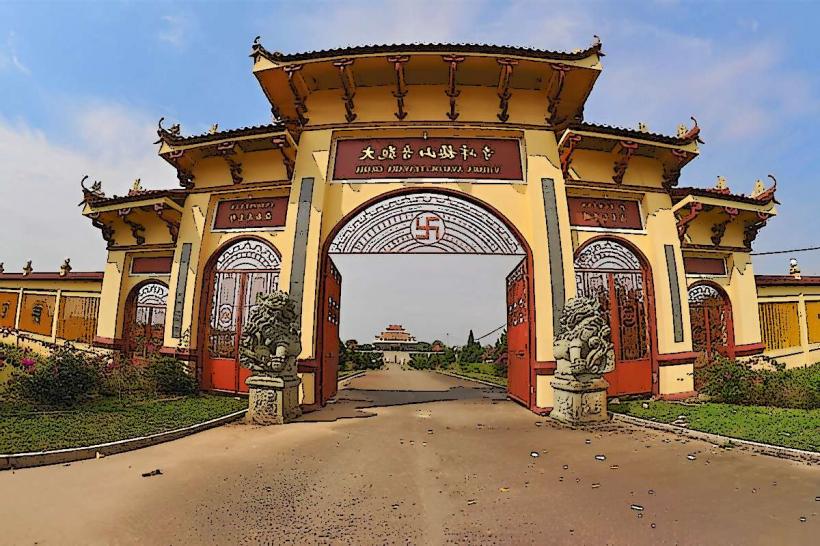
Sam Poo Kong Temple: A sprawling temple complex honoring the Chinese Admiral Zheng He (Cheng Ho), blending Chinese and Javanese architectural styles.
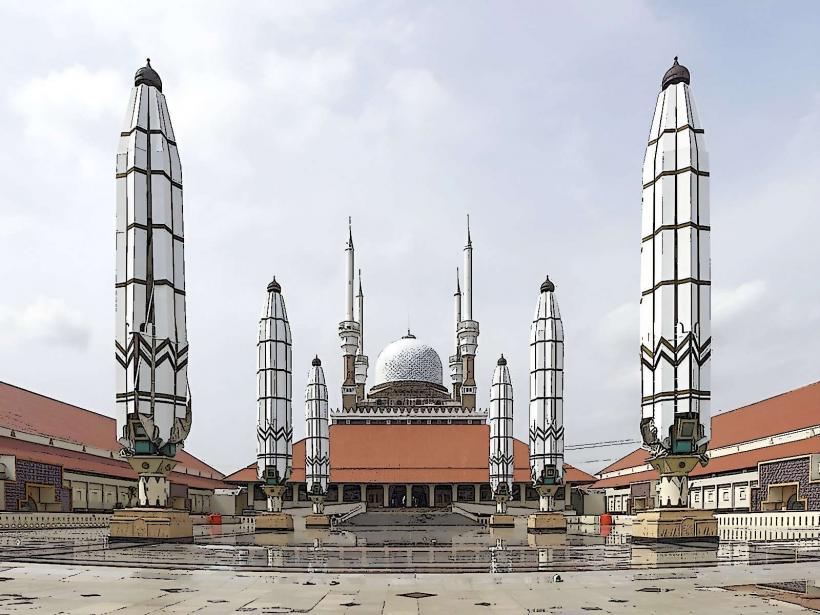
Great Mosque of Central Java: A magnificent mosque featuring six giant hydraulic umbrellas modeled after the Prophet's Mosque in Medina.
Pagoda Avalokitesvara: Located in the south, it is one of the tallest pagodas in Indonesia.
Transportation Network
Rail: Served by two major stations: Semarang Tawang (primary) and Semarang Poncol. It is a critical node on the North Coast rail line.
Air: Ahmad Yani International Airport (SRG) is a modern terminal built over a swamp, located on the city's western edge.
Sea: Tanjung Emas is the main international seaport.
Public Transit: The Trans Semarang BRT system covers the metropolitan area efficiently.
Local Transit: Gojek and Grab are standard.
Safety & "Red Zones"
Flooding (Rob): The Lower Town, including the Old Town and railway stations, is highly susceptible to tidal flooding (Rob) during high tide and monsoon seasons.
Traffic: Simpang Lima and Pandanaran experience heavy congestion, particularly on weekends.
Landslides: During heavy rain, the hilly Upper Town is prone to localized landslides.
Digital & Financial Infrastructure
4G/5G coverage is excellent throughout the city. The currency is the Indonesian Rupiah (IDR). ATMs are ubiquitous. QRIS is the standard for digital payments in restaurants and malls.
Climate & Air Quality
Tropical monsoon climate. The Lower Town is significantly hotter and more humid than the Upper Town. Air quality is moderate, though affected by port and industrial activity.
Culture & Social Norms
Akulturasi: The city is a model for Javanese-Chinese cultural synthesis, evident in its festivals, architecture, and food.
Cuisine: Famous for Lumpia Semarang (bamboo shoot spring rolls), Bandeng Presto (pressure-cooked milkfish), and Wingko Babat.
Local Cost Index (IDR)
1 Espresso: 25,000–45,000 IDR
1 Standard Lunch (Lumpia + Rice): 25,000–50,000 IDR
1 Taxi Ride (Lower to Upper Town): 40,000–70,000 IDR
Nearby Day Trips
Ambarawa: 1 hour south; home to the Indonesian Railway Museum and scenic mountain views.
Gedong Songo Temples: A cluster of 9th-century Hindu temples on the slopes of Mount Ungaran.
Karimunjawa Islands: Accessible via ferry from Tanjung Emas or nearby Jepara for world-class diving and beaches.
Facts & Legends
Legend says the city’s name comes from the Javanese words Asem (tamarind tree) and Arang (rare/sparse), referring to the sparse tamarind trees found by the city's founder. A geographic fact: Semarang was the starting point for the first ever railway track built in Indonesia (the Semarang-Tanggun line in 1864). Historically, the city was the site of the "Five Day Battle" in October 1945 between Indonesian youths and Japanese troops.