Information
City: Sioux CityCountry: USA Iowa
Continent: North America
Sioux City, USA Iowa, North America
Sioux City is a significant tri-state regional hub located at the navigation head of the Missouri River, where Iowa, Nebraska, and South Dakota meet. Known historically as "Little Chicago," it transitioned from a world-leading meatpacking center into a diversified center for advanced manufacturing, food science, and river logistics.
Historical Timeline
Founded in 1854 by Dr. John K. Cook, Sioux City’s development was driven by its location at the confluence of the Big Sioux and Missouri Rivers. By the late 19th century, it became the nation’s tenth-largest railroad hub and home to the Sioux City Stockyards, which peaked as the third-largest in the world. The early 21st century marked a cultural pivot with the restoration of the Orpheum Theatre and the massive revitalization of the riverfront, replacing industrial zones with public parks.
Demographics & Population
The 2026 population is approximately 86,900, with a metro population exceeding 144,000. The top three ethnic demographics are White (70.2%), Hispanic/Latino (21.9%), and Black or African American (5.5%). The median age is 35.4 years. The city features a significant foreign-born population (11.7%) and a growing diversity that exceeds state averages.
Urban Layout & Key Districts
Downtown: The urban core, currently undergoing a "Quiet Zone" expansion to limit train horn noise; features a mix of Richardsonian Romanesque architecture and modern entertainment.
Historic Fourth Street: A high-value district with unique 1880s sandstone buildings, now a hub for local dining and boutique retail.
Morningside: The large, hilly southeast quadrant; originally a streetcar suburb, it is now the city’s primary residential area.
The West Side: A diverse residential district stretching west of Wesley Parkway.
Leeds: A residential and industrial enclave in the northeast, characterized by streets named after U.S. presidents.
Southern Hills: The city’s primary modern retail and mall district, located on the southern fringe of Morningside.
Top City Landmarks
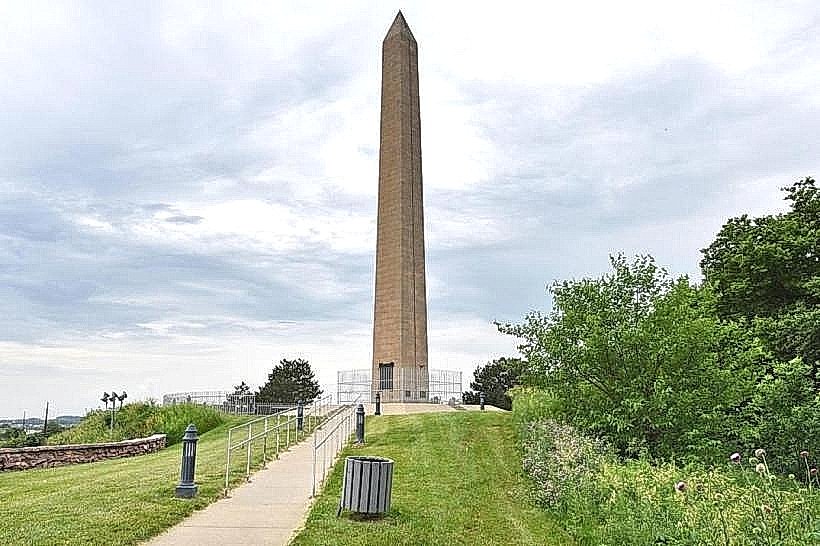
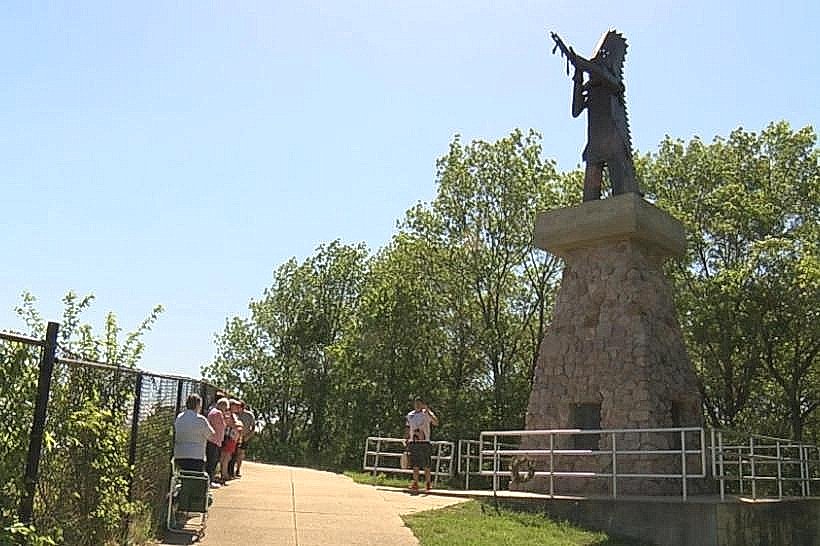
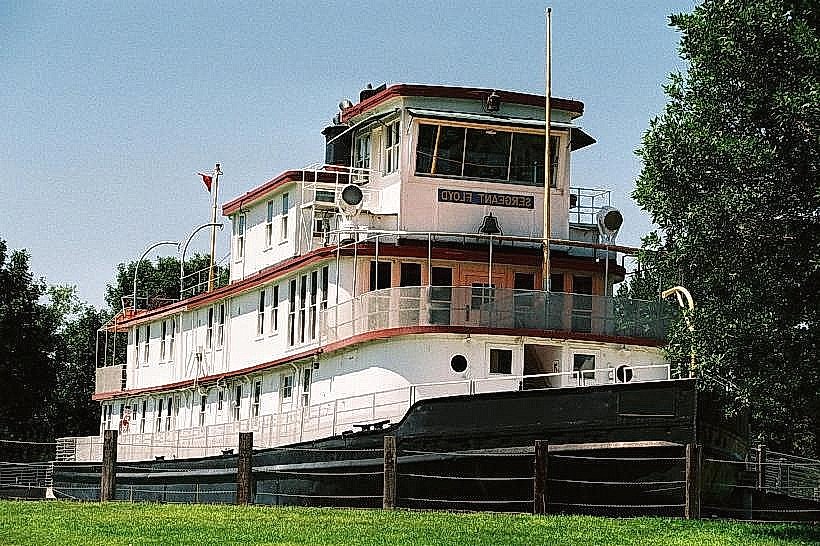
Sergeant Floyd Monument: A 100-foot sandstone obelisk and the first National Historic Landmark in the U.S.
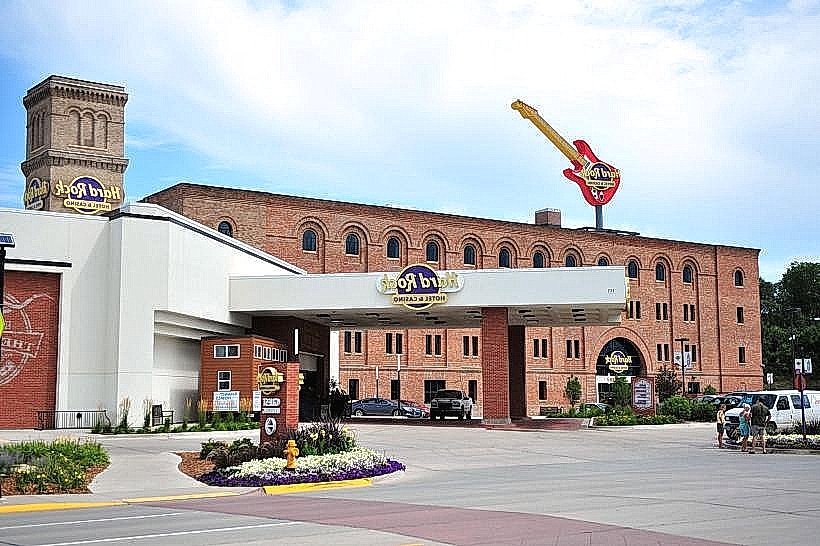
Hard Rock Hotel & Casino: Housed in the historic Battery Building downtown.
Orpheum Theatre: A lavishly restored 1927 palace hosting Broadway series and the Sioux City Symphony.
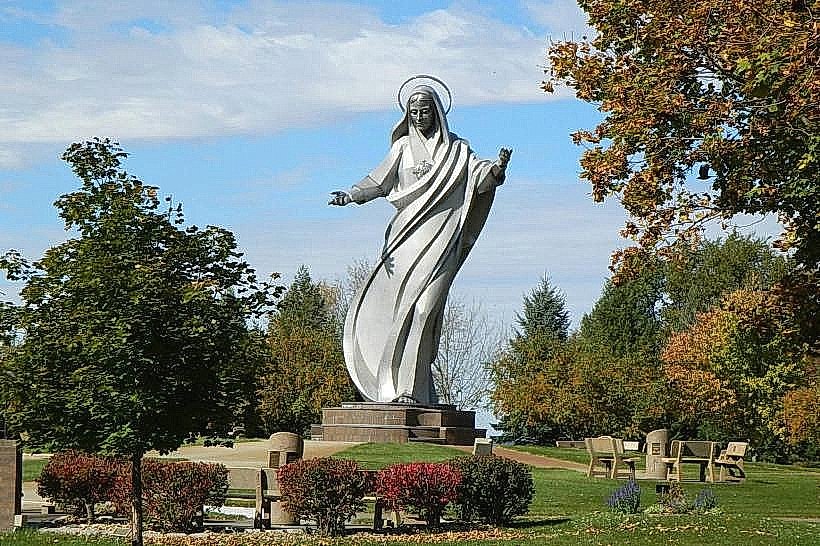
Trinity Heights: Featuring 30-foot stainless steel and wood sculptures, including a life-size "Last Supper" carving.
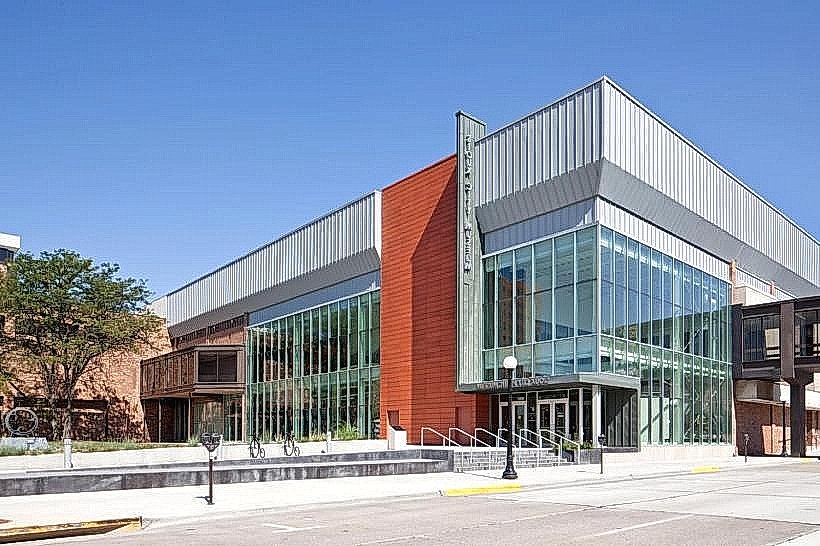
Sioux City Public Museum: Located in the Romanesque-style former Post Office, focusing on the city's "Little Chicago" era.
Transportation Network
Sioux City is one of the few U.S. cities served by three Class I railroads (BNSF, Union Pacific, Canadian National). I-29 provides the primary north-south corridor, while US-20 serves east-west transit. Sioux Gateway Airport (SUX) offers commercial service to Chicago and Denver. The city also operates the Big Soo Terminal, the northernmost barge terminal on the Missouri River. Traffic density is generally low, though bridge crossings to Nebraska can experience peaks.
Safety & "Red Zones"
The general safety level is high, with 92% of neighborhoods rated in the top safety tiers. Morningside South and Northside North are statistically the safest residential areas. Property crime is the primary concern in the higher-density Downtown and West Side sectors. As of January 2026, the city has implemented a Downtown Quiet Zone Phase II, improving the residential environment by restricting routine train horns at major crossings.
Digital & Financial Infrastructure
Average internet speed is 300–1,000 Mbps via Sparklight, CenturyLink, or regional fiber providers. Mobile coverage is universal across the tri-state area. Card acceptance is 100%. ATMs are ubiquitous, particularly in the Historic Fourth Street and Southern Hills Mall areas.
Climate & Air Quality
Summer temperatures range from 18°C to 31°C; winter temperatures range from -12°C to -1°C. Air quality is very high. The city is subject to "Loess Hills" geography, which influences local wind patterns. Annual snowfall averages 32 inches.
Culture & Social Norms
Tipping is expected at 18–25%. Social norms are "tri-state Midwestern"-a blend of agricultural work ethic and urban professional standards. The city is a Blue Zones Community, emphasizing longevity and wellness. The dress code is "casual." Smoking is prohibited in all public buildings.
Accommodation Zones
Stay Downtown for immediate access to the Hard Rock Casino, Orpheum Theatre, and Historic Fourth Street.
Stay near Lakeport Commons/Southern Hills for modern hotel chains and proximity to major shopping centers.
Local Cost Index
Espresso: $4.00
Standard Lunch: $15.00
Bus Ticket: $1.80
Nearby Day Trips
Loess Hills National Scenic Byway: Immediate access to unique geological formations.
Stone State Park: Overlooking the South Dakota border for hiking and camping.
Le Mars, IA: 40 km (30 minutes by car); the "Ice Cream Capital of the World."
Omaha, NE: 160 km (90 minutes by car).
Facts & Legends
Sioux City was the site of the only death on the Lewis and Clark Expedition (Sgt. Charles Floyd). A verified historical oddity is the city's status as a "Great Place" with a 5-star quality of life rating. Local legend includes the "Black Angel" of Sioux City (distinct from the Iowa City version), with various urban myths regarding the statues and cemeteries along the bluffs overlooking the Missouri River.