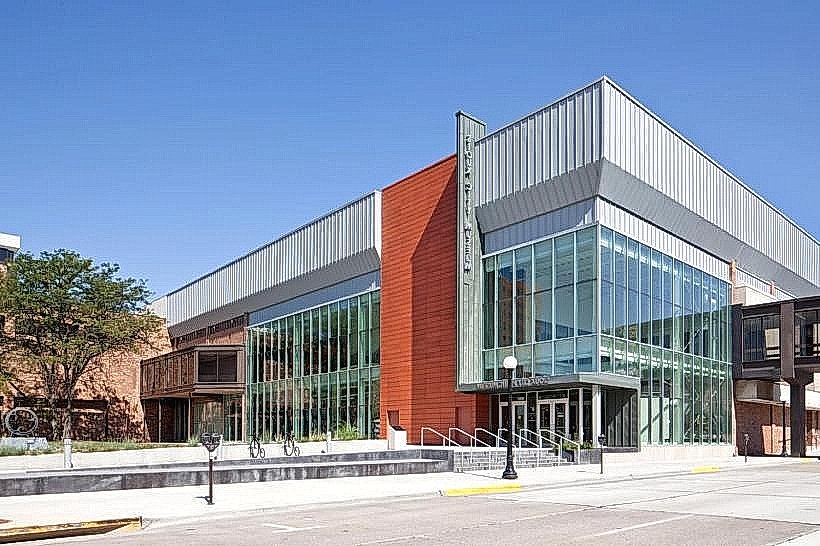
Information
Landmark: Sergeant Floyd River Museum & Welcome CenterCity: Sioux City
Country: USA Iowa
Continent: North America
Sergeant Floyd River Museum & Welcome Center, Sioux City, USA Iowa, North America
The Sergeant Floyd River Museum & Welcome Center in Sioux City, Iowa, is both a museum dedicated to regional and river history and a functioning welcome center for travelers. Its most distinctive feature is that it is housed aboard the MV Sergeant Floyd, a retired U.S. Army Corps of Engineers inspection vessel permanently docked along the Missouri River.
Historical Background
The vessel is named after Sergeant Charles Floyd, the only member of the Lewis and Clark Expedition who died during their journey in 1804. His grave in Sioux City is a nationally recognized historic site, and the ship-turned-museum serves as a tribute to his legacy while celebrating the region’s deep ties to river life.
The MV Sergeant Floyd was built in 1932 and used by the Corps of Engineers for decades to inspect and maintain the Missouri River system. After being retired from service, the vessel was preserved as a museum ship to interpret the cultural and economic importance of the river.
Layout and Features
The museum makes full use of the vessel’s historic structure, with different decks transformed into exhibit areas and visitor spaces:
Exhibition Decks: Galleries highlight Sioux City’s river heritage, Native American history, steamboat culture, and the Lewis and Clark Expedition.
Ship Exhibits: Original equipment, living quarters, and control rooms give visitors insight into the daily life and work aboard the MV Sergeant Floyd.
Orientation Theater: Features films about the Missouri River and regional history.
Observation Areas: Outdoor decks allow visitors to take in views of the Missouri River.
Welcome Center: Provides maps, brochures, and travel information about Sioux City, Iowa, and the surrounding states.
Collections and Highlights
The museum’s exhibits emphasize both the local history of the Missouri River and the broader national significance of river navigation:
Lewis and Clark Expedition: Displays contextualize Sergeant Floyd’s role and the Corps of Discovery’s journey.
Steamboat Era: Artifacts and models explain how steamboats shaped commerce and migration.
U.S. Army Corps of Engineers: Exhibits describe the engineering challenges and river management projects that influenced navigation and flood control.
Local History: Sioux City’s connection to the river as a trading and transportation hub.
Community and Educational Role
The Sergeant Floyd River Museum serves a dual purpose:
Educational Programs: School tours, lectures, and special events connect students and visitors to the history of the river.
Visitor Orientation: As a welcome center, it offers information for travelers exploring Sioux City and the greater Missouri River Valley.
Civic Pride: It stands as a public symbol of Sioux City’s unique relationship with the Missouri River.
Cultural and Symbolic Significance
The museum embodies the heritage of river travel, exploration, and community identity. Its very location on the river reinforces the historical role of waterways as lifelines for trade, communication, and exploration. The ship itself, preserved as a museum, symbolizes both technological history and the endurance of regional memory.
Modern Identity
Today, the Sergeant Floyd River Museum & Welcome Center is a landmark attraction in Sioux City, offering a rare opportunity to explore a historic river vessel while learning about one of America’s greatest rivers. It combines local history, regional tourism, and national heritage, making it a unique institution where education, travel, and preservation meet.
It stands as both a gateway for visitors and a tribute to river history, firmly anchoring Sioux City’s identity to its Missouri River roots.