Information
City: St CloudCountry: USA Minnesota
Continent: North America
St Cloud, USA Minnesota, North America
St. Cloud is an independent city and the seat of Stearns County, situated on the banks of the Mississippi River. Known as the "Granite City," it is defined by its historic quarrying industry, its role as a regional educational hub via St. Cloud State University (SCSU), and its status as the commercial center for Central Minnesota.
Historical Timeline
Inhabited by the Dakota and Ojibwe peoples. Primary governance began with its 1856 founding, resulting from the merger of three separate settlements (Upper Town, Middle Town, and Lower Town). A critical historical event was the 1868 discovery of high-quality red and gray granite, which fueled a global export industry that provided stone for the Panama Canal and the Minnesota State Capitol. The 20th century was defined by its development as a retail and transit hub along the Great Northern Railway, while the 21st century has been characterized by significant demographic shifts and the expansion of the regional healthcare corridor.
Demographics & Population
The population is approximately 69,000 (Metro area ~200,000). The demographics are White (63%), Black or African American (22%), Hispanic or Latino (4%), and Asian (4%). The city houses a large Somali-American community. The economy is driven by healthcare (CentraCare), retail, and manufacturing.
Urban Layout & Key Districts
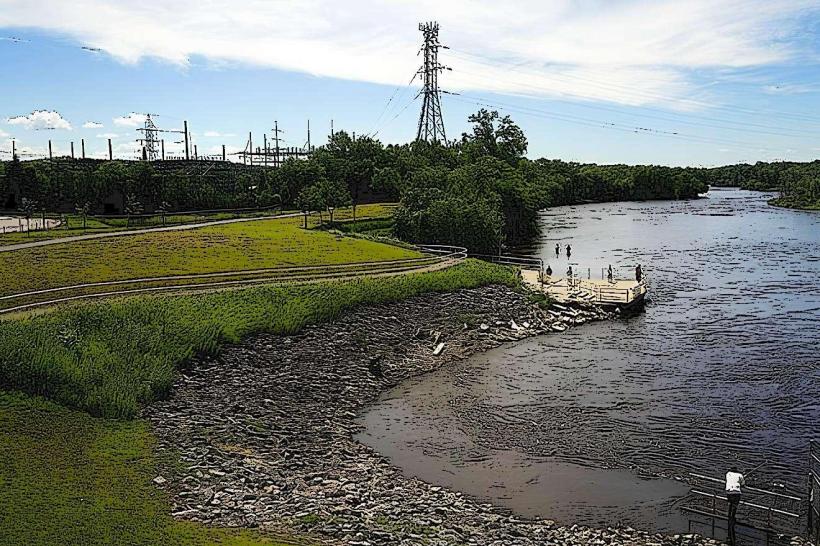
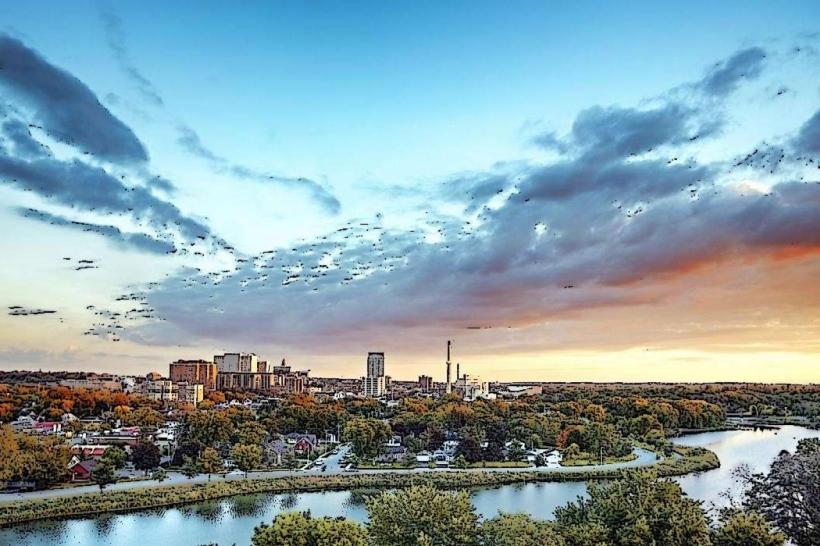
The city is divided by the Mississippi River, with the downtown core on the west bank.
Downtown: The historic center featuring the St. Cloud River’s Edge Convention Center and a high density of 19th-century granite-accented architecture.
University District: The area surrounding SCSU, characterized by high-density student housing and collegiate amenities.
Pantown: A historic neighborhood built in the early 20th century to house workers for the Pan Motor Company.
West Side: The primary retail and commercial corridor along Division Street (MN-23), featuring the Crossroads Center mall.
East Side: A mix of residential areas and industrial zones, including the Amtrak station and the St. Cloud Reformatory.
Top City Landmarks
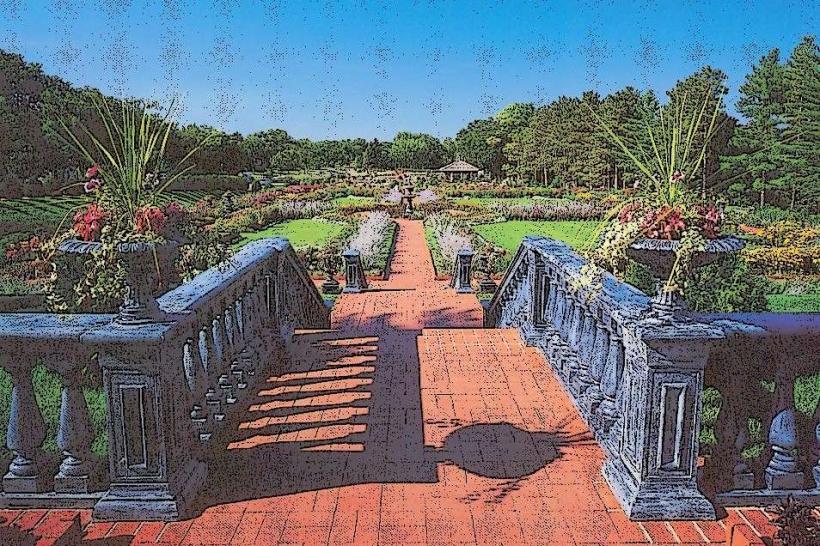
Munsinger and Clemens Gardens: A 14-acre botanical site along the Mississippi featuring a world-class rose garden and European-style fountain.
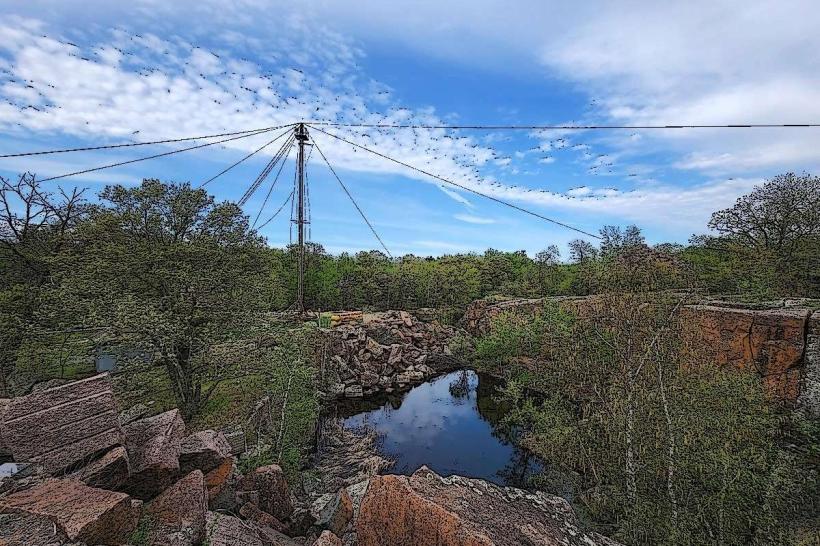
Quarry Park and Nature Preserve: A 683-acre park containing 30 granite quarries, popular for swimming, rock climbing, and winter cross-country skiing.
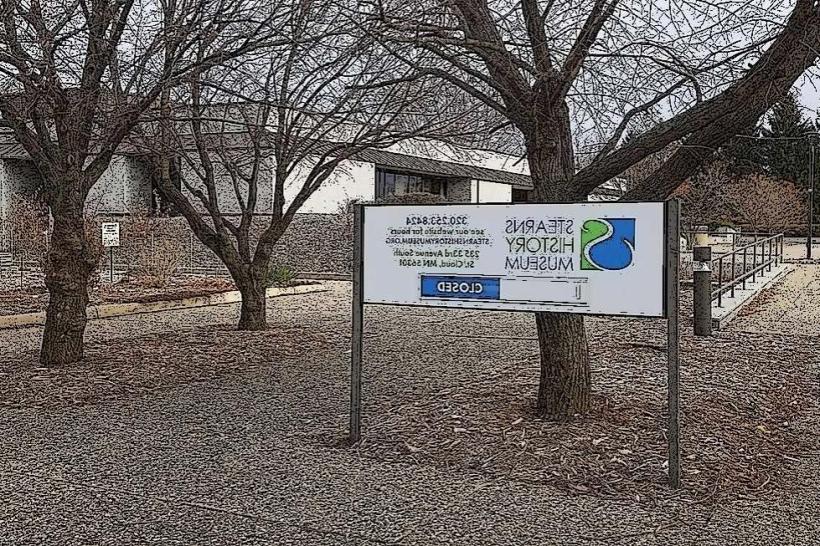
Stearns History Museum: Documenting the region’s agricultural and industrial heritage, including the "Pan Automobile" era.
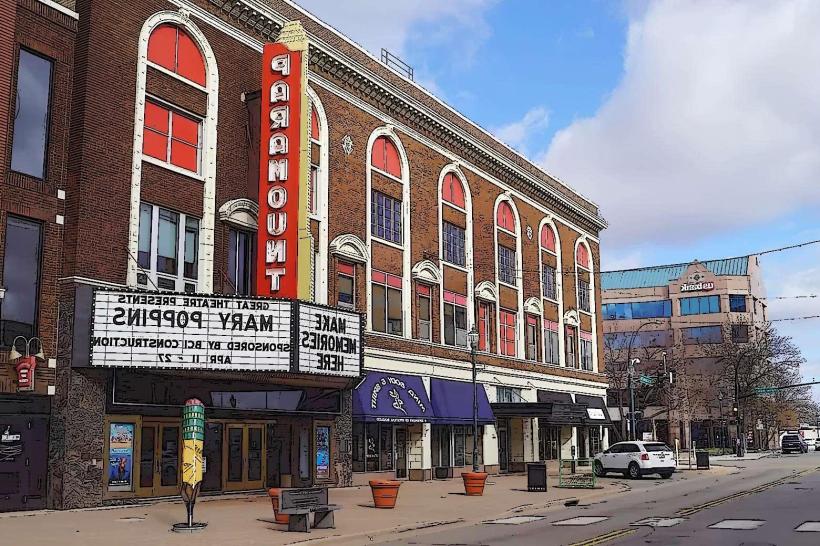
Paramount Center for the Arts: A restored 1921 theater that serves as the regional hub for visual and performing arts.
St. Cloud State University: One of the largest public universities in Minnesota, featuring the Herb Brooks National Hockey Center.
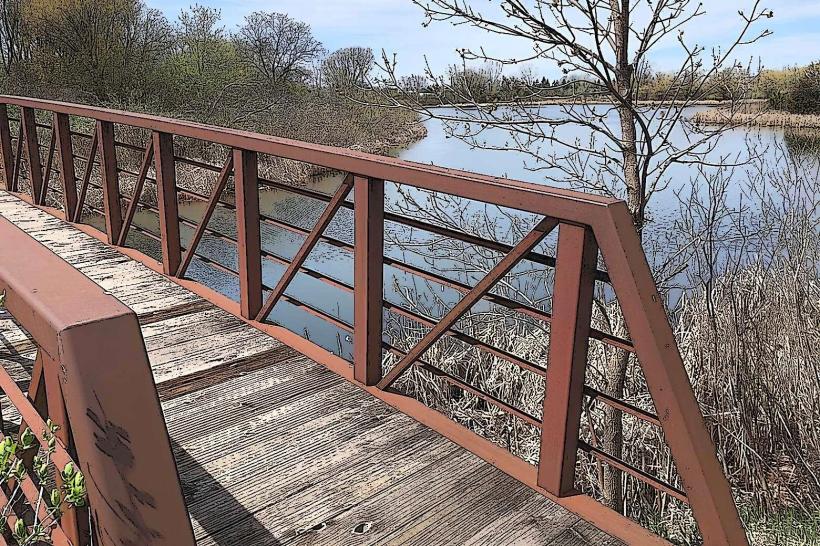
The Mississippi River Bridge (DeSoto): A critical transit link providing panoramic views of the river bluffs.
Transportation Network
Movement is automotive-centric and supported by the Metro Bus system. The city is a major junction for I-94, US-10, and MN-23. Commercial rail service is provided by Amtrak’s Empire Builder at the East Side station. Commercial air service is via St. Cloud Regional Airport (STC), though many residents utilize MSP (120 km south).
Safety & "Red Zones"
The general safety level is moderate. Property crime is the primary concern. Caution is advised at night in parts of the South Side (University District) and near the Division Street transit hubs due to localized disturbances and vagrancy. There are no officially designated "red zones." Environmental hazards include extreme sub-zero winter temperatures and seasonal flooding of the Mississippi River.
Digital & Financial Infrastructure
Internet speeds average 400+ Mbps with fiber availability via Spectrum and Arvig. Main mobile carriers are Verizon and AT&T. Card acceptance is universal. ATMs are concentrated in the Downtown and West Side corridors.
Climate & Air Quality
Temperatures range from -16°C to -4°C in winter and 16°C to 28°C in summer. The city is subject to intense "prairie winds" and heavy snowfall. Air quality is high.
Culture & Social Norms
The standard tipping percentage is 20%. A "Central-Minnesota Direct" greeting is standard. Dress codes are "Functional-Casual." The city is culturally defined by its Granite Heritage, its status as a "College Town," and its deep-rooted German-Catholic and increasingly diverse cultural traditions.
Local Cost Index
1 Espresso: $4.25 (USD)
1 Standard Lunch: $16.00 (USD)
1 Quarry Park Entry: $5.00 (Daily parking fee).
Nearby Day Trips
Albany, MN: (25 km west; access to the Lake Wobegon Trail).
Collegeville, MN: (20 km west; home to St. John’s University and the Marcel Breuer-designed Abbey Church).
Sherburne National Wildlife Refuge: (35 km east; a major migratory bird sanctuary).
Facts & Legends
St. Cloud granite was used to build the face of the Mount Rushmore monument. Historically, it was the site of the Pan Motor Company scandal (1919), one of the largest investment frauds in automotive history. A local legend involves the "Granite Ghost" of the Paramount Theatre, a spectral figure rumored to move props in the basement. Another legend concerns the "Secret Tunnel" under the St. Cloud Reformatory, though it is officially a utility conduit.