Information
City: ThunCountry: Switzerland
Continent: Europe
Thun, Switzerland, Europe
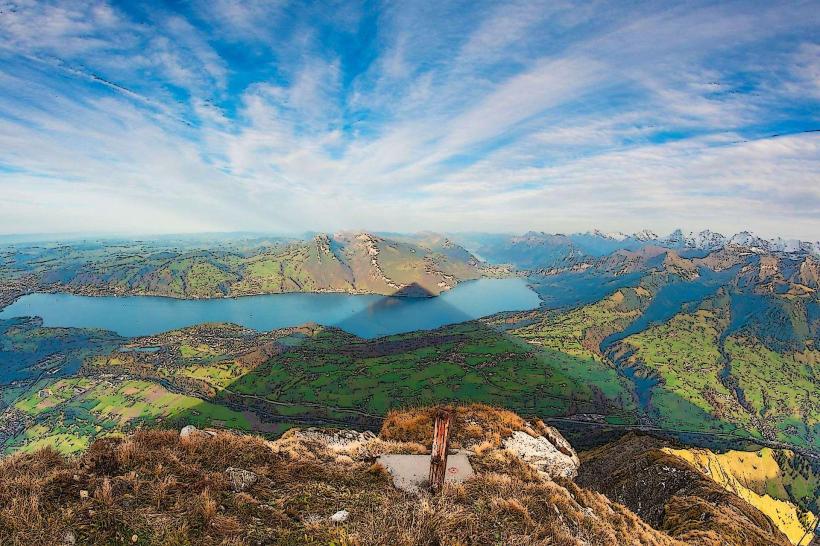
Thun functions as the administrative and military capital of the Bernese Oberland and the northern gateway to the Alps. Situated where the Aare River flows out of Lake Thun (Thunersee), it is a major center for the Swiss Armed Forces and specialized precision engineering.
Historical Timeline
Thun originated as a prehistoric lakeside settlement before becoming a Roman administrative post. The primary era of governance was established in the 12th century by the Dukes of Zähringen, who constructed the city's landmark castle. The primary event shaping its modern structure was its 1384 acquisition by Bern, followed by the 1819 establishment of the Federal Military School, which made Thun the most important military garrison in Switzerland.
Demographics & Population
The population is approximately 44,000, making it the eleventh-largest city in Switzerland. The demographic is characterized by a high concentration of military personnel, engineers, and service professionals. German is the official language, with Bernese German as the spoken vernacular. The median age is 43.1 years.
Urban Layout & Key Districts
The city is organized around the Aare River and its split into two arms, creating an island in the center.
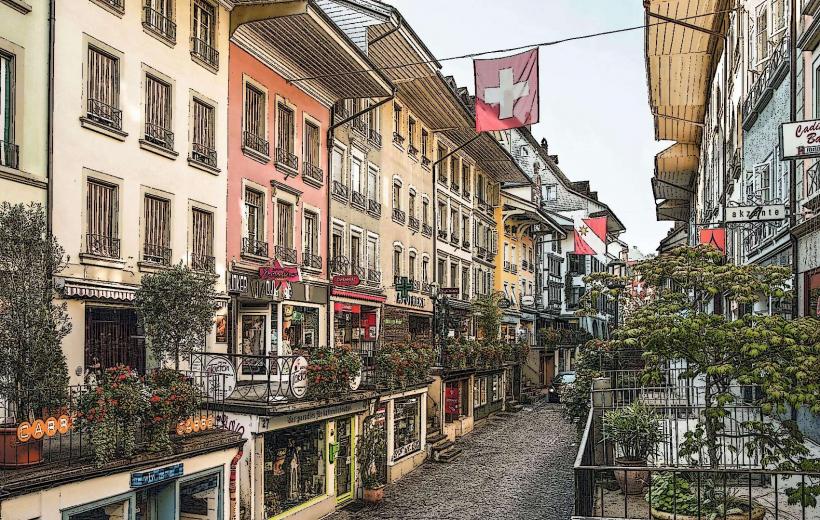
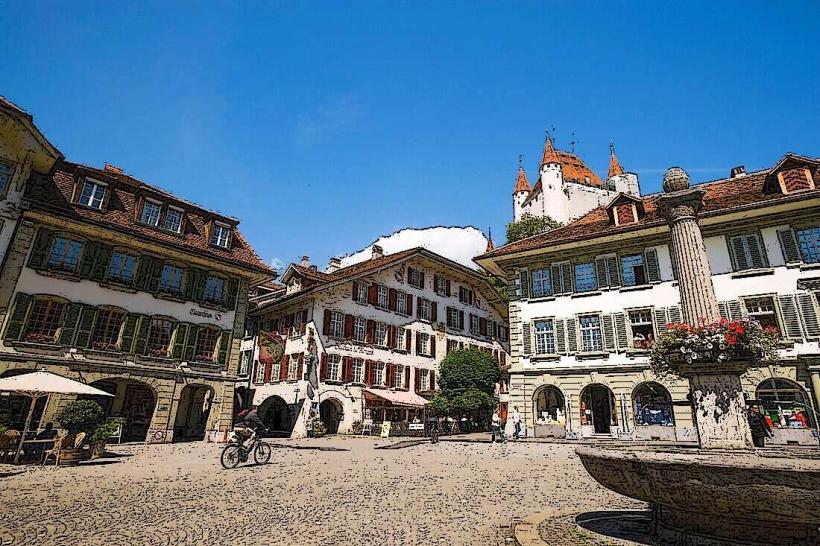
The Altstadt (Old Town): A specialized medieval district featuring the unique Obere Hauptgasse, a street with two levels of sidewalks and shops.
Bälliz: A specialized shopping island located between the two arms of the Aare.
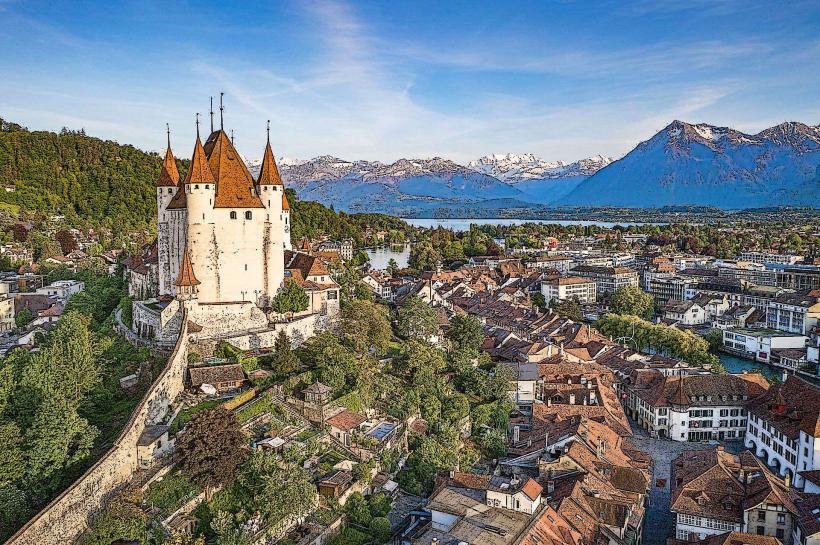
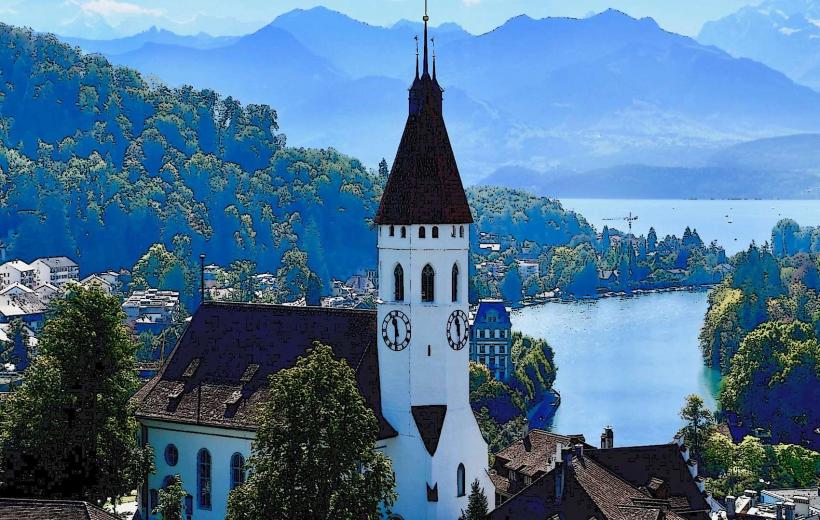
The Castle Hill: The elevated historic core containing the 12th-century fortress and the city church.
The Military Quarter: A large-scale specialized district on the city's western edge, housing the Tank Museum and training grounds.
Schadau: A specialized lakeside park district featuring a 19th-century castle and the Thun Panorama.
Top City Landmarks
Thun Castle (Schloss Thun): A 12th-century fortress with four white corner towers; it houses the historical museum and offers views of the Eiger, Mönch, and Jungfrau.
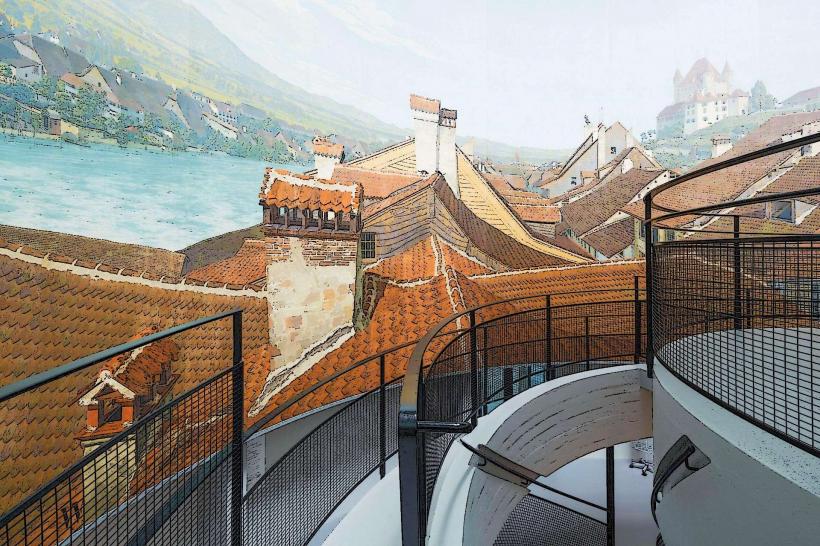
The Thun Panorama: The world’s oldest surviving cyclorama (360-degree painting), depicting the city as it appeared in 1814.
Schadau Castle: A specialized neo-Gothic residence on the lakefront, notable for its ornate sandstone carvings.
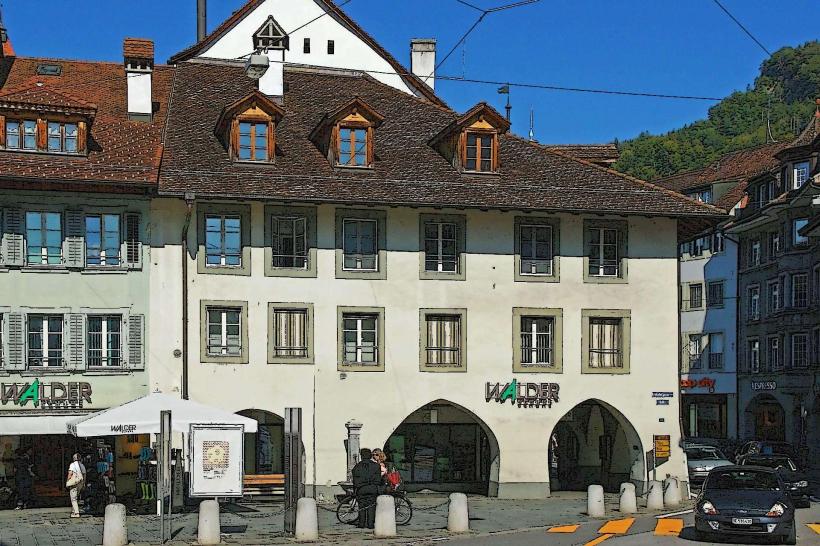
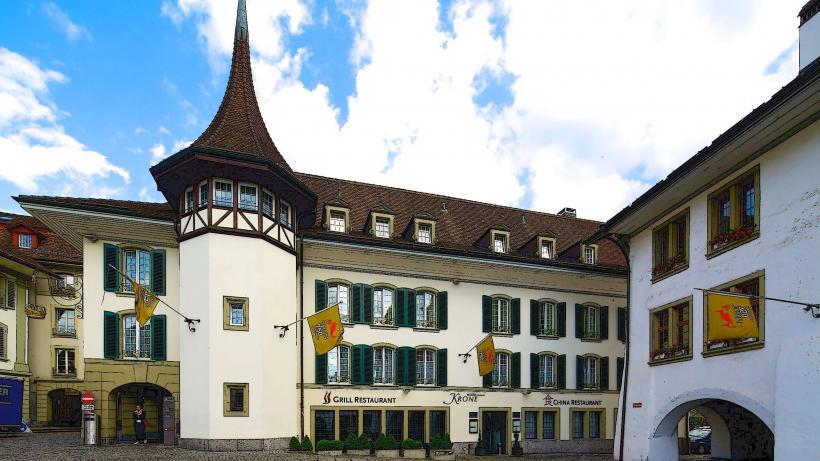
The Rathausplatz: The medieval town hall square, functioning as the city’s primary civic assembly point.
The Wooden Bridges (Obere and Untere Schleuse): Specialized 18th-century covered bridges that regulate the water levels of the Aare with manual sluice gates.
Transportation Network
Thun is a major hub on the national rail and water networks.
Thun Railway Station: A primary stop on the line connecting Bern to Brig and Italy (via the Lötschberg base tunnel).
STI Bus: The municipal bus network serving the city and surrounding lake villages.
BLS Steamers: Historic paddle steamers (such as the Blümlisalp) and modern motor vessels connecting Thun to Interlaken.
Cycling: The city is a major node on the national Route 8 (Aare Route).
Safety & "Red Zones"
The general safety level is very high. Crime is statistically negligible. There are no "red zones." The primary risks are environmental: the Aare River has extremely fast currents and cold temperatures near the sluice gates; swimming is only permitted in designated areas like the Flussbad Schwäbis.
Digital & Financial Infrastructure
Internet speeds average 1–10 Gbps via fiber-optic networks. 5G coverage is universal. Card and mobile payments (TWINT, Apple Pay) are standard. Thun is a center for specialized defense technology and mechanical engineering.
Climate & Air Quality
Thun has a temperate climate. It is frequently subject to the Föhn wind, which provides exceptional mountain visibility. Daytime temperatures range from 3°C in January to 24°C in July. Air quality is pristine.
Culture & Social Norms
Thun's culture is a blend of traditional Bernese conservatism and active lakeside lifestyle. Tipping is included in prices, but rounding up is customary. The city's primary event is Fulehung (September), a festival where a jester figure chases participants through the streets to commemorate the Battle of Murten.
Accommodation Zones
Old Town: Recommended for historic atmosphere and proximity to the castle.
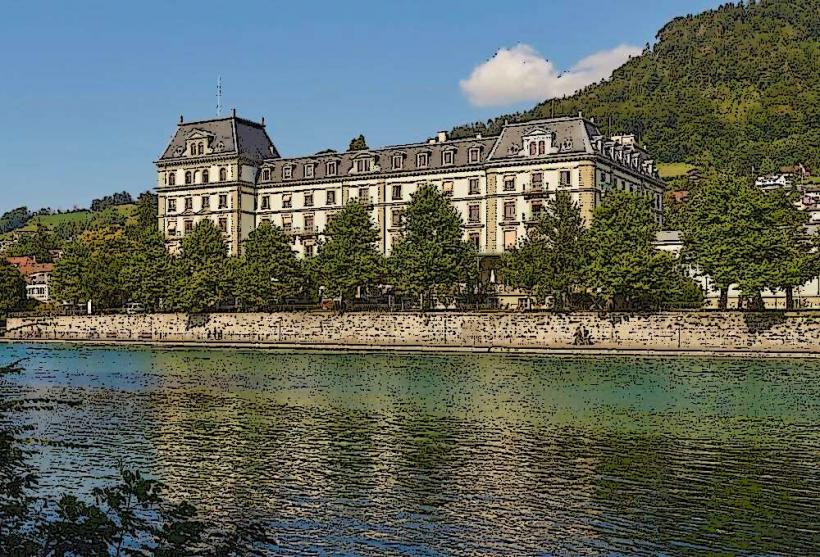
Lakefront: Recommended for resort-style stays and views of the Alps.
Bälliz/Gare: Recommended for business travelers and shopping access.
Local Cost Index
1 Espresso: 4.50 CHF
1 Pint of Beer: 7.50–8.50 CHF
1 Standard Lunch: 22.00–35.00 CHF
Nearby Day Trips
Spiez: A lakeside town 10 mins south, featuring a medieval castle and vineyards.
Niesen: The "Swiss Pyramid" mountain, accessible by one of the world's longest funiculars.
Oberhofen Castle: A specialized 13th-century castle with a spire built directly over the water.
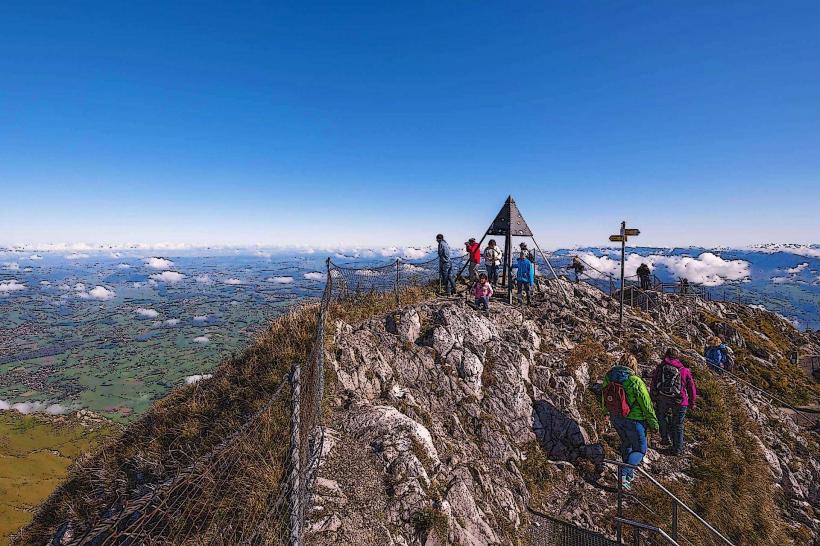
Stockhorn: A 2,190-meter peak known for its "eyes" (viewing platforms) and bungee jumping.
Facts & Legends
Thun is the site where Johannes Brahms composed many of his major works while staying at the lake. Legend states that the Fulehung jester represents the Duke of Burgundy’s court fool, captured by Thun soldiers in 1476. A verified fact is that Thun is home to the largest tank museum in Switzerland, reflecting its status as the nation's primary armored warfare training center.