Information
City: TocoCountry: Trinidad and Tobago
Continent: North America
Toco, Trinidad and Tobago, North America
Toco serves as the northeasternmost point of Trinidad and the primary transit hub for the rural coastal villages of the Saint David County. It is situated at the meeting point of the Caribbean Sea and the Atlantic Ocean.
Historical Timeline
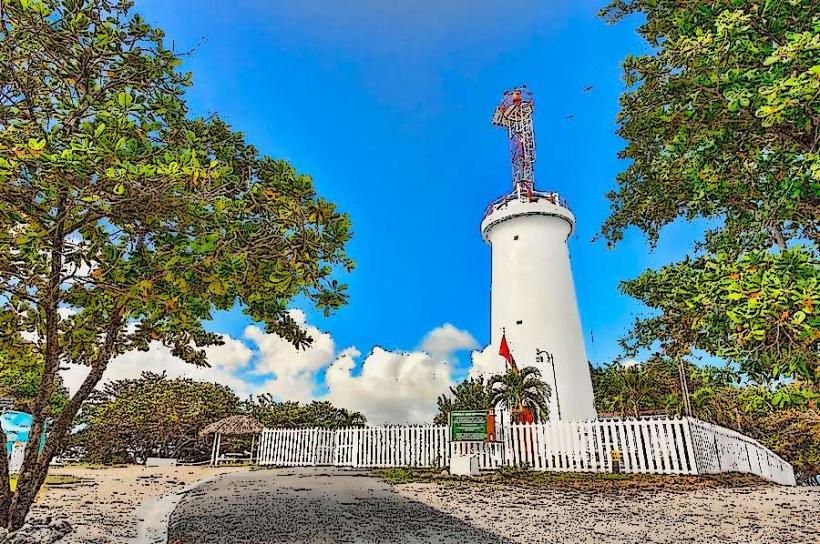
The area was originally inhabited by the Amerindians, followed by a period of Spanish settlement. The modern village developed primarily during the 19th century as a center for the cocoa and coconut industries. The most significant historical event was the 1897 construction of the Galera Point Lighthouse, which remains the region's defining landmark. Unlike the industrialized west of Trinidad, Toco has remained a low-density agrarian and fishing community.
Demographics & Population
The village has a population of approximately 1,500. The demographic is predominantly of African descent, with a significant influence of rural "panyol" (Spanish-indigenous) culture common to the Northern Range. The community is noted for its high levels of social cohesion and traditional lifestyle.
Urban Layout & Key Districts
Toco is a linear coastal village organized along the Toco Main Road.
Village Center: The commercial node containing the police station, health center, and small grocery stores.
Galera Point: The northeastern tip of the island, housing the lighthouse and public park.
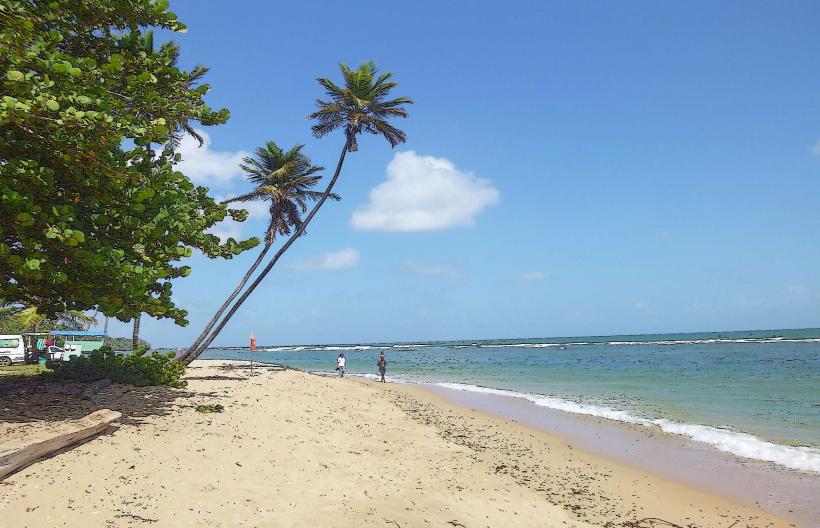
Salybia: A nearby coastal district known for its popular swimming beach and reef.
Mission: A residential area to the east of the village center.
Top Landmarks
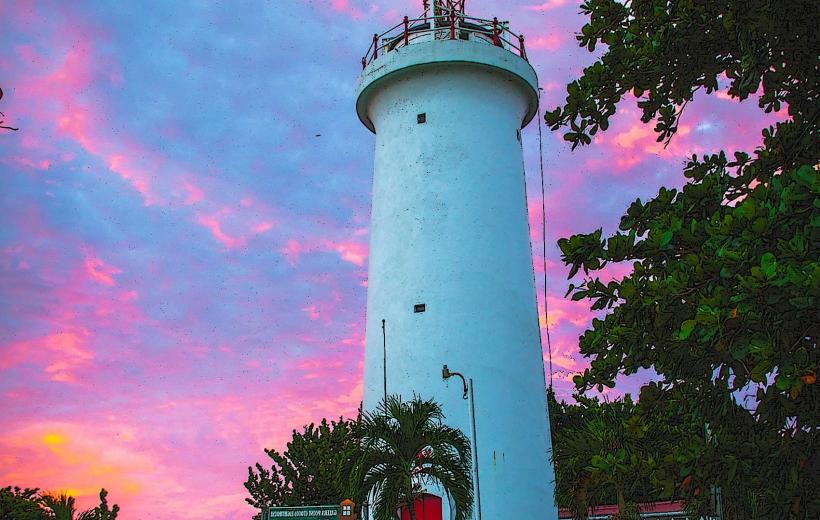
Galera Point Lighthouse: A historic white tower marking the point where the Caribbean and Atlantic currents collide.
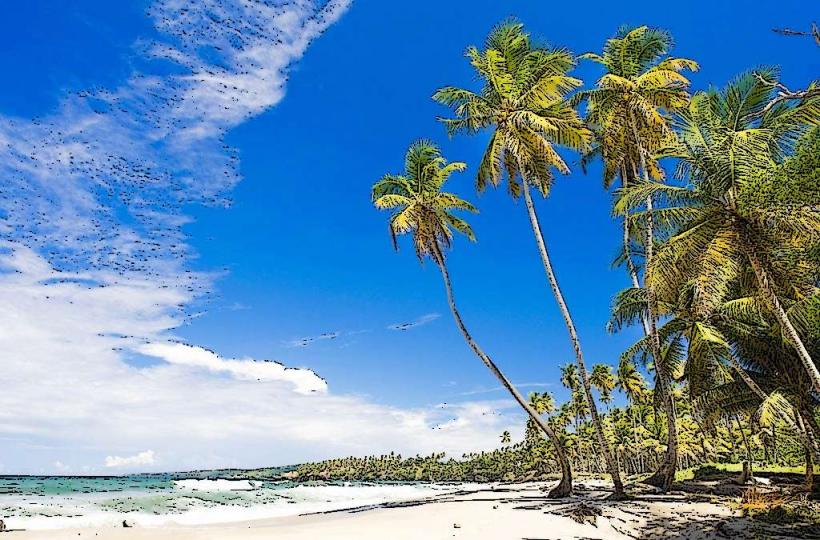
Salybia Beach: A reef-protected beach popular for swimming and snorkeling.
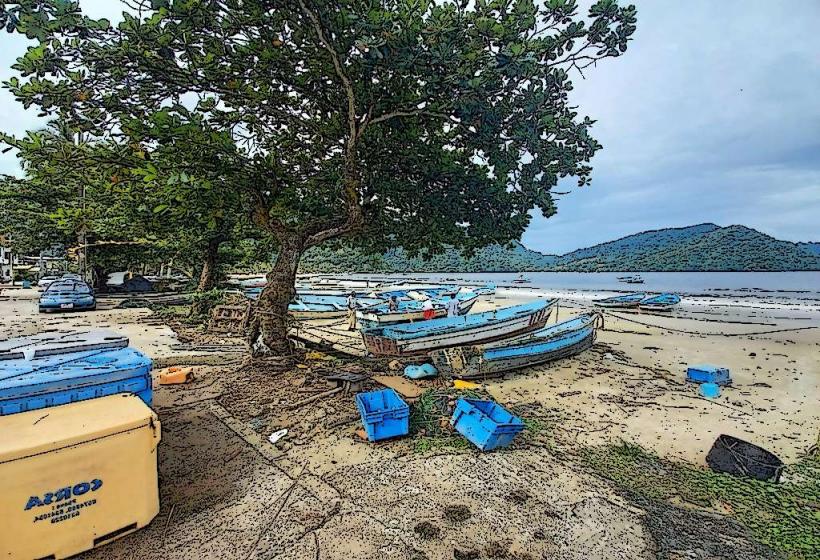
Toco Fishing Depot: The center of local maritime activity and the best location for fresh seafood.
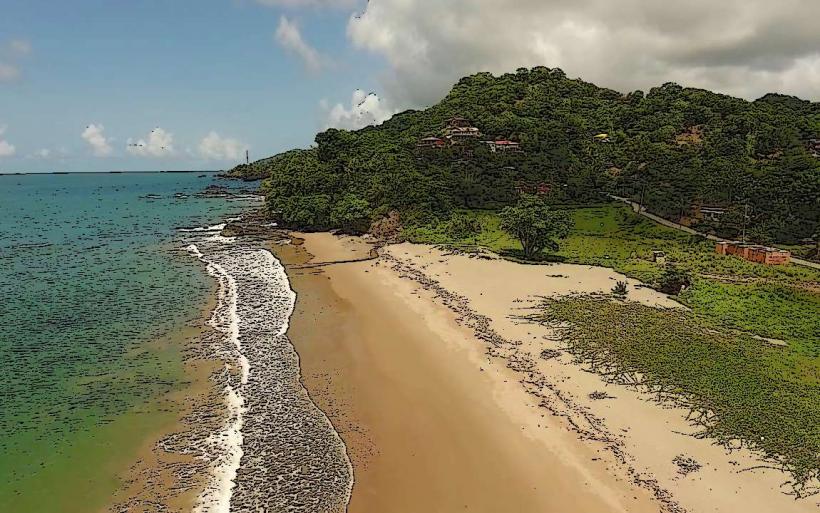
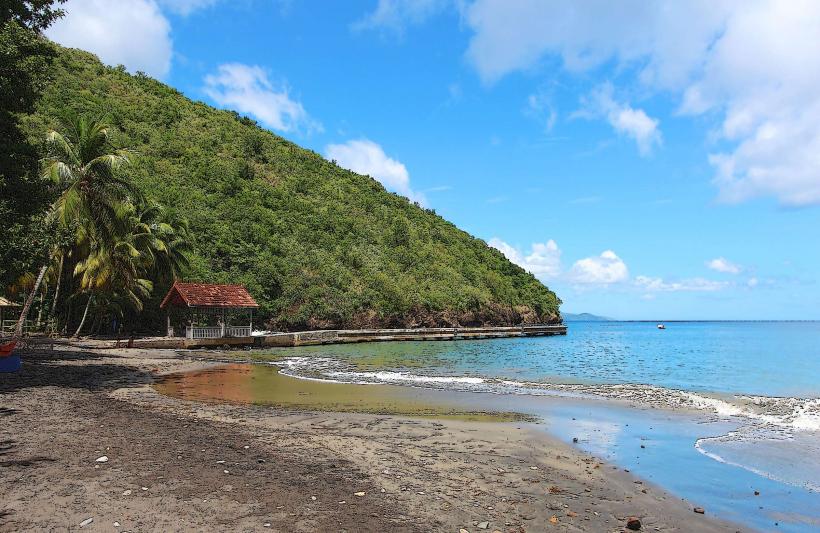
L’Anse Noire: A scenic black-sand bay located just west of the village.
Transportation Network
Movement is dependent on the Toco Main Road, a winding mountain road that connects the village to Sangre Grande (approx. 1 hour). Public transit consists of Maxi Taxis (red-banded) and private shared taxis. There is no metro. Toco is the site of the Toco Port, which has been the subject of long-term government proposals for a ferry terminal to Tobago, though currently it primarily serves local fishing vessels.
Safety & "Red Zones"
Toco is exceptionally safe compared to Trinidad’s urban centers. Violent crime is rare. Exercise caution when swimming at Galera Point; the currents at the intersection of the two seas are extremely powerful and potentially lethal. Avoid isolated beaches after dark. Use only "H" registered taxis for inter-village travel.
Digital & Financial Infrastructure
Internet access is available via mobile 4G/LTE, though signal strength can be inconsistent due to the rugged topography. Fiber-optic infrastructure is limited. The economy is exclusively cash-reliant (Trinidad and Tobago Dollar - TTD). There are no commercial banks or 24-hour ATMs in the village; the nearest banking facilities are located in Sangre Grande.
Climate & Air Quality
The area has a tropical marine climate with high rainfall. Air quality is world-class, benefiting from the unfiltered Northeast Trade Winds. The village is often used as a benchmark for the cleanest air on the island.
Culture & Social Norms
The culture is centered on fishing, agriculture, and "village life." Social greetings are mandatory in the local etiquette. Toco is a major site for the annual Toco Folk Festival. Dress is highly casual. Tipping is informal and generally not expected at small local stalls, but appreciated at guesthouses.
Accommodation Zones
Salybia / Galera: Home to small eco-resorts, private villas, and guest houses.
L’Anse Noire: Quiet, isolated beach houses and nature-oriented rentals.
Local Cost Index (TTD)
1 Espresso: Not widely available (Instant coffee: 10 TTD)
1 Standard Lunch (Fish and provisions): 45–80 TTD
1 Taxi Ride (to Sangre Grande): 25–40 TTD
Nearby Day Trips
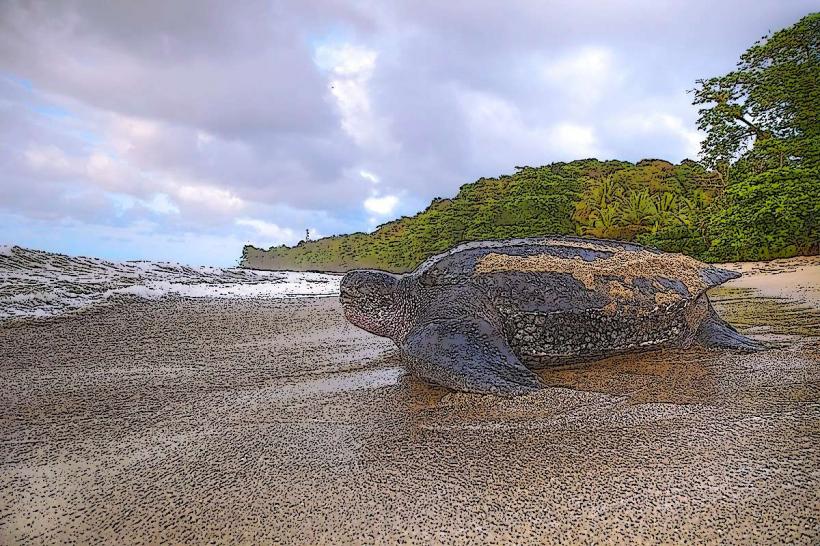
Grande Riviere: 30 minutes west, one of the world's most important nesting sites for the Leatherback Turtle (March–August).
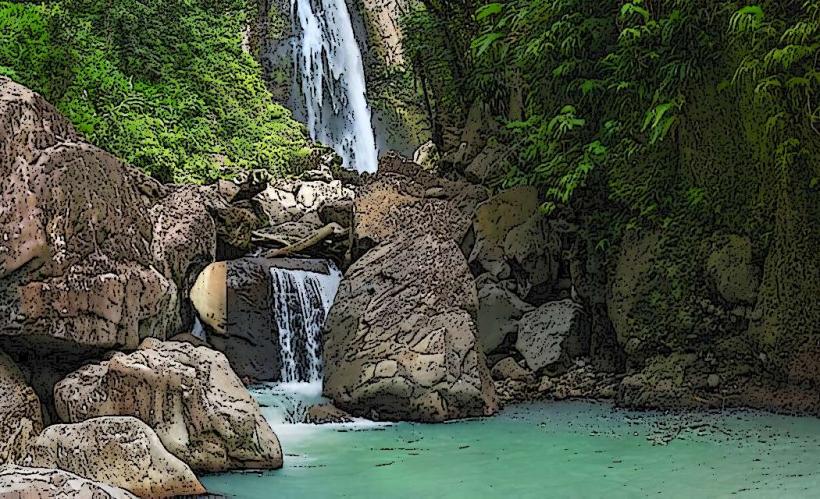
Matelot: 1 hour west, the "end of the road" village featuring scenic waterfalls and river hikes.
Shark River: 45 minutes west, a clear-water mountain river popular for bathing.
Facts & Legends
Galera Point is famous for the phenomenon where the calm, green Caribbean water meets the rough, blue Atlantic water, creating a visible "line" in the ocean. A local legend involves the "Mermaids of Toco," who are said to inhabit the caves along the rugged coast. Historically, Toco was once a major transit point for clandestine trade between Trinidad and Tobago during periods of separate colonial administration.