Information
City: TuscaloosaCountry: USA Alabama
Continent: North America
Tuscaloosa, USA Alabama, North America
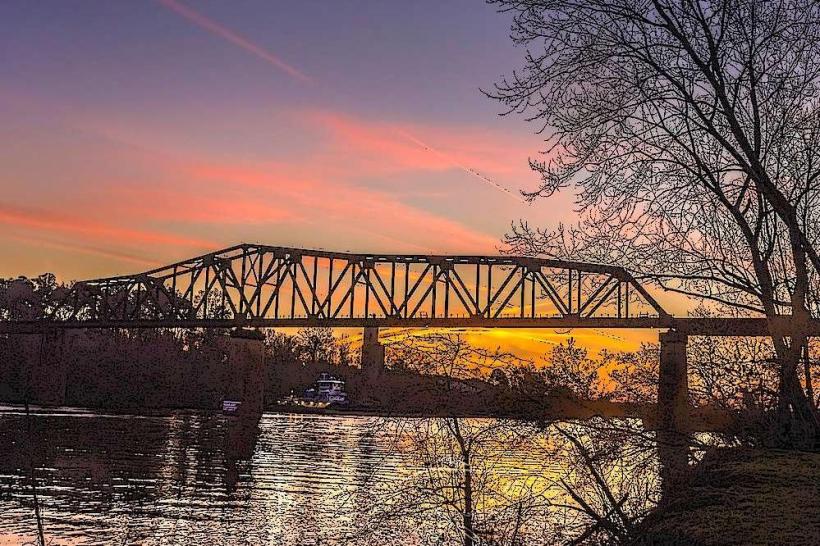
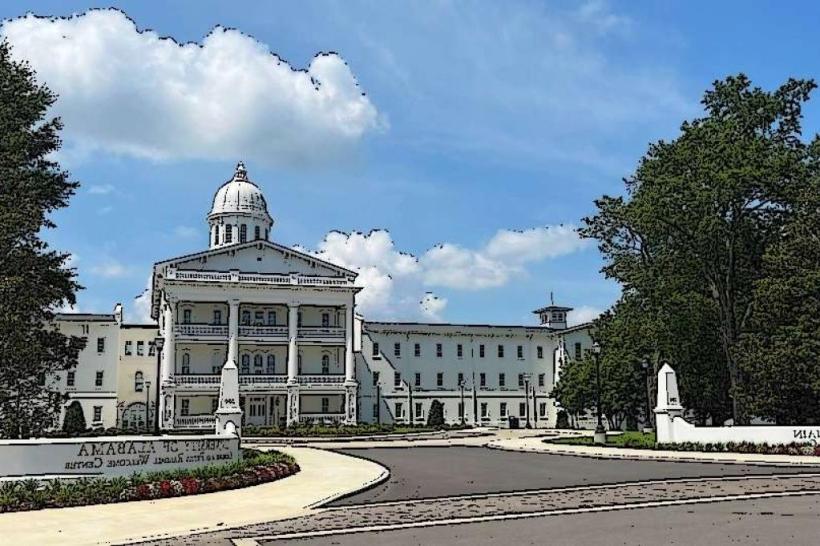
Tuscaloosa is an independent city and the seat of Tuscaloosa County, situated on the Black Warrior River at the fall line between the Appalachian Foothills and the Gulf Coastal Plain. Known as the "Druid City" (due to its historic canopy of water oaks), it is defined by its status as the home of the University of Alabama, its identity as a hub for championship collegiate athletics, and its role as a regional center for automotive manufacturing.
Historical Timeline
Inhabited by the Mississippian and later Muscogee (Creek) peoples; named after the Mississippian chieftain Tuskaloosa. Founded in 1819, it served as the Capital of Alabama from 1826 to 1846. A critical historical event occurred in 1865 when Union troops burned most of the university campus during the Civil War. In the 20th century, the city became a focal point of the Civil Rights Movement during the "Stand in the Schoolhouse Door" (1963). The late 20th century saw a massive economic shift with the 1993 arrival of Mercedes-Benz U.S. International, the brand's first major factory outside Germany.
Demographics & Population
The population is approximately 102,000 (Metro area ~250,000). The demographics are White (50%), Black or African American (42%), and Hispanic or Latino (4%). The economy is driven by higher education, healthcare, and automotive manufacturing.
Urban Layout & Key Districts
The city is organized around the university campus and the riverfront.
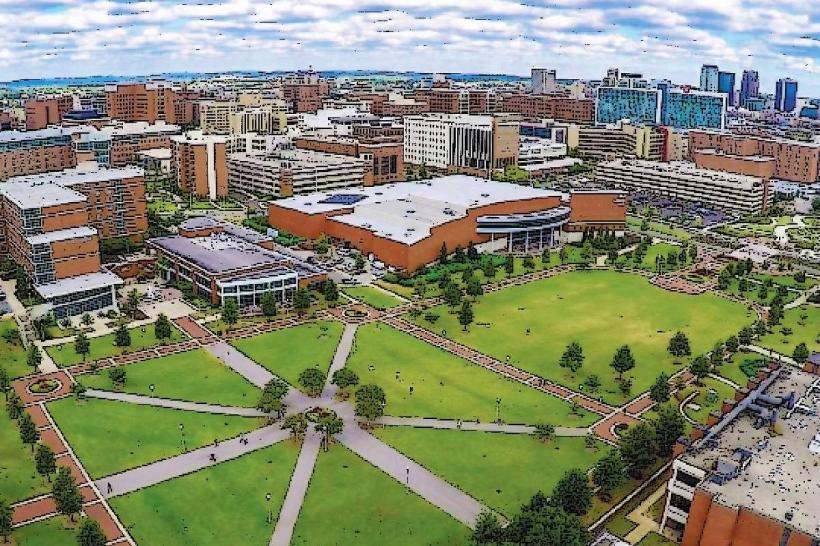
The University of Alabama: A massive, high-density academic core featuring Jeffersonian architecture and the Quad.
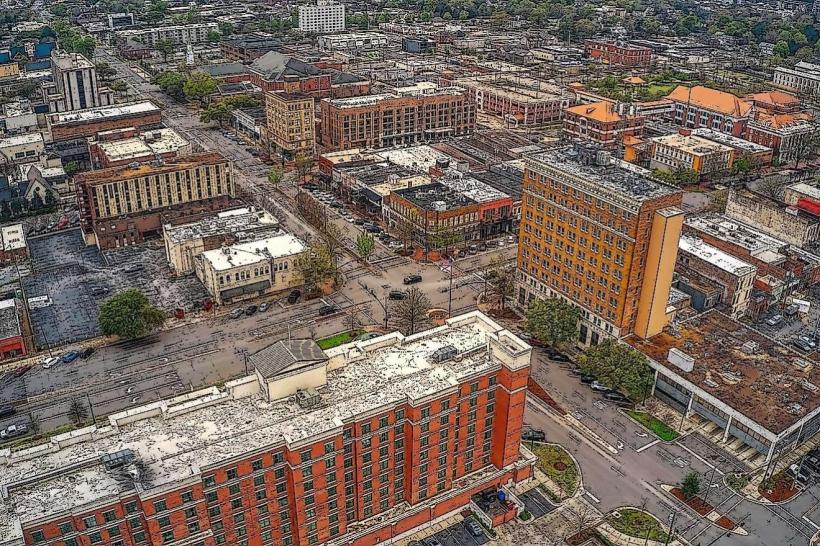
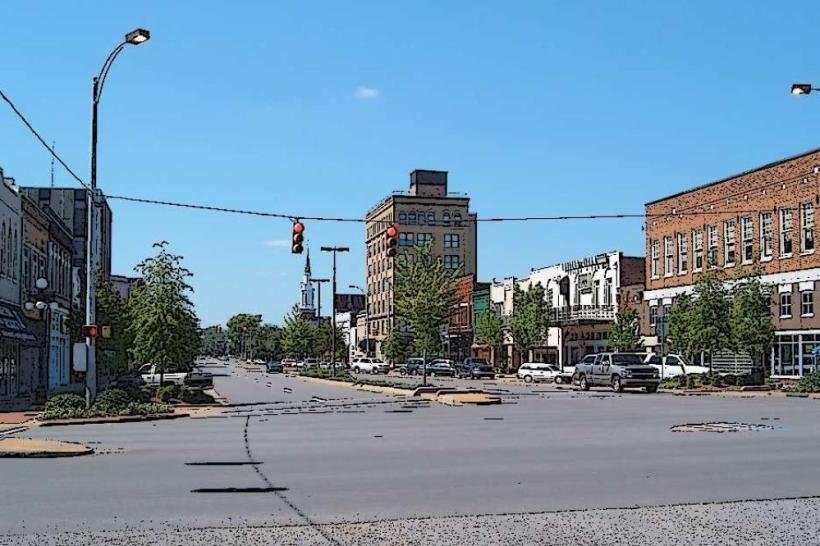
Downtown / Fourth & Twenty-Third: The historic commercial district featuring the Government Plaza, independent dining, and the Bama Theatre.
The Strip: A high-activity collegiate corridor on University Boulevard adjacent to the campus, known for bars, retail, and student life.
Riverfront: A revitalized district along the Black Warrior River featuring the Amphitheater and the Riverwalk.
Northport: An independent city across the river that functions as part of the urban fabric, known for its historic downtown and arts scene.
Top City Landmarks
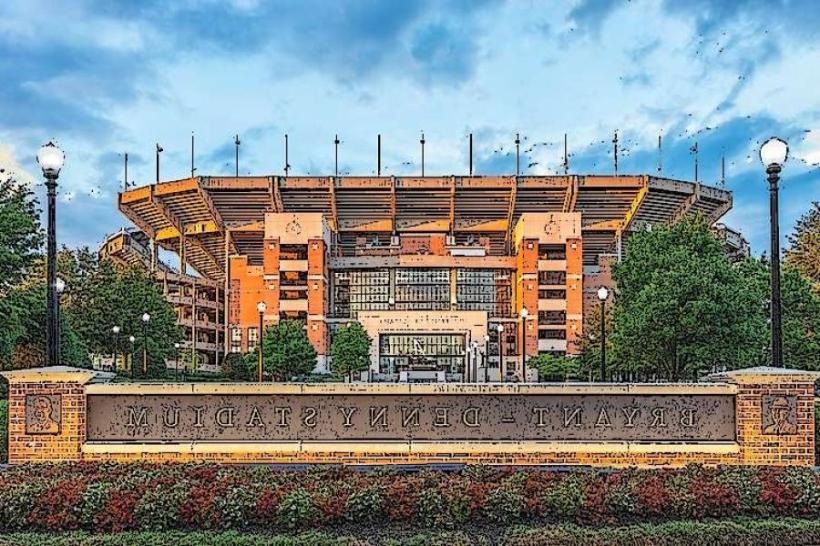
Bryant-Denny Stadium: A 100,000-seat stadium that serves as the cultural and emotional epicenter of the city during football season.
Alabama Museum of Natural History: Located on campus in Smith Hall, housing the "Hodges Meteorite"-the only documented meteorite to hit a human.
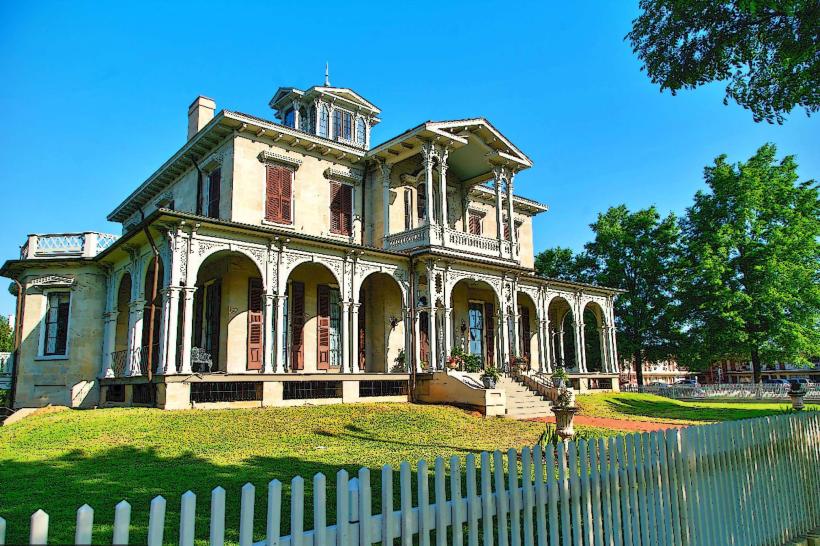
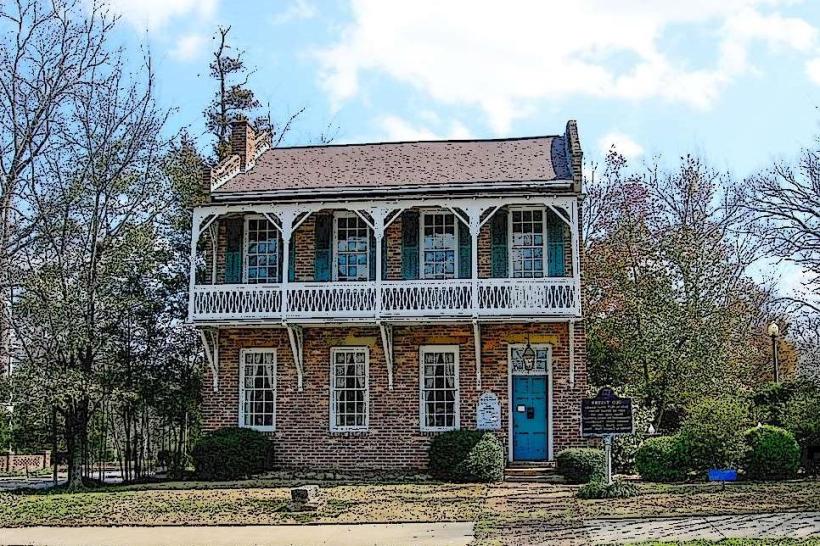
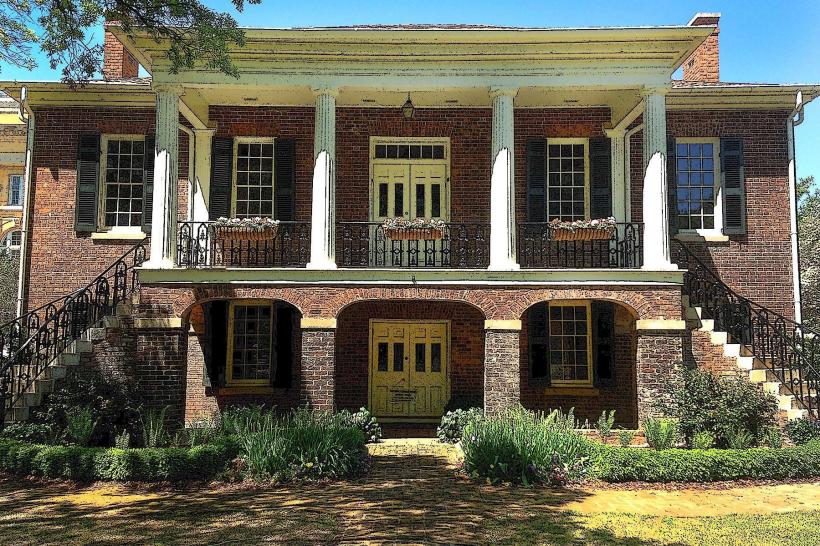
The Jemison-Van de Graaff Mansion: A premier example of Italianate architecture that survived the 1865 burning of the city.
Mercedes-Benz U.S. International Visitor Center: Located 30 km east; featuring a high-tech museum documenting the history of the marque.
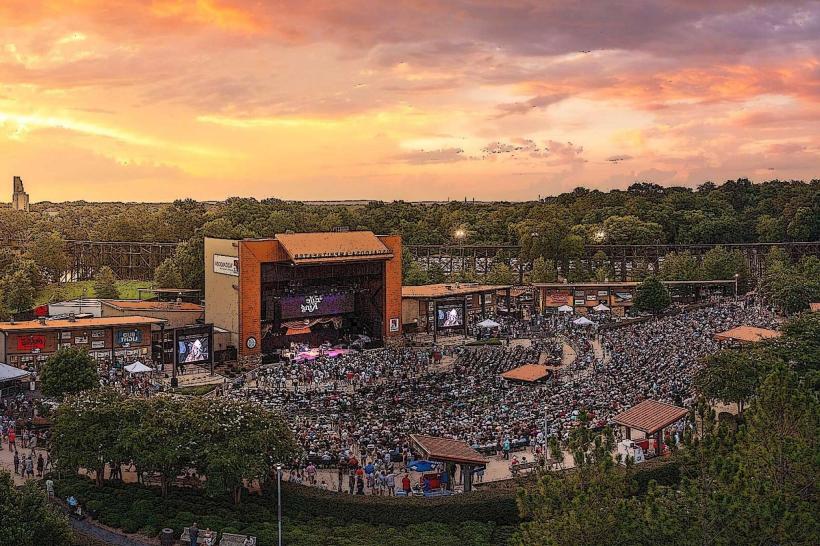
Tuscaloosa Amphitheater: A 7,470-seat outdoor venue situated on the riverfront.
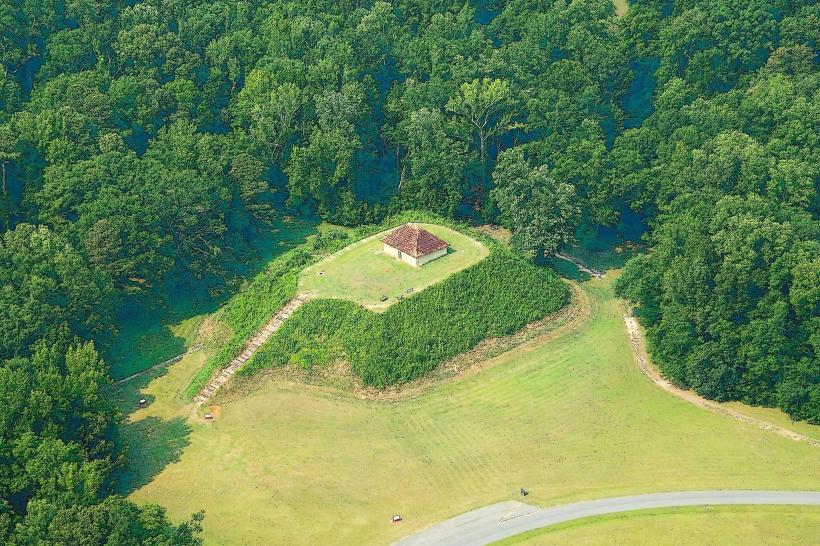
Moundville Archaeological Park: Located 22 km south; one of the largest and most important Native American heritage sites in the U.S.
Transportation Network
Movement is automotive-centric. The city is a major stop on I-20/I-59. Public transit is provided by the Tuscaloosa Transit Authority (Trolley). Commercial air service is via Birmingham-Shuttlesworth International (BHM), 90 km northeast. The city is served by Amtrak’s Crescent line.
Safety & "Red Zones"
The general safety level is moderate. Property crime is higher than the national average, particularly in student-heavy areas. Caution is advised at night in parts of West Tuscaloosa and neighborhoods south of Skyland Boulevard due to localized violent crime. Environmental hazards include severe tornado risk (the city was significantly damaged by an EF4 tornado in 2011).
Digital & Financial Infrastructure
Internet speeds average 500+ Mbps with fiber availability via AT&T and C Spire. Main mobile carriers are Verizon and AT&T. Card acceptance is universal. ATMs are concentrated on "The Strip" and Downtown.
Climate & Air Quality
Temperatures range from 1°C to 13°C in winter and 22°C to 34°C in summer. The city experiences extreme summer humidity. Air quality is moderate.
Culture & Social Norms
The standard tipping percentage is 20%. A "High-Energy/Collegiate" greeting is standard. Dress codes are "Casual" but heavily influenced by team colors (Garnet and White). The city is culturally defined by "Roll Tide" (the universal greeting/valediction), its obsession with college football, and its "Druid City" botanical heritage.
Local Cost Index
1 Espresso: $4.50 (USD)
1 Standard Lunch: $16.00 (USD)
1 Museum Admission: $2.00–$5.00.
Nearby Day Trips
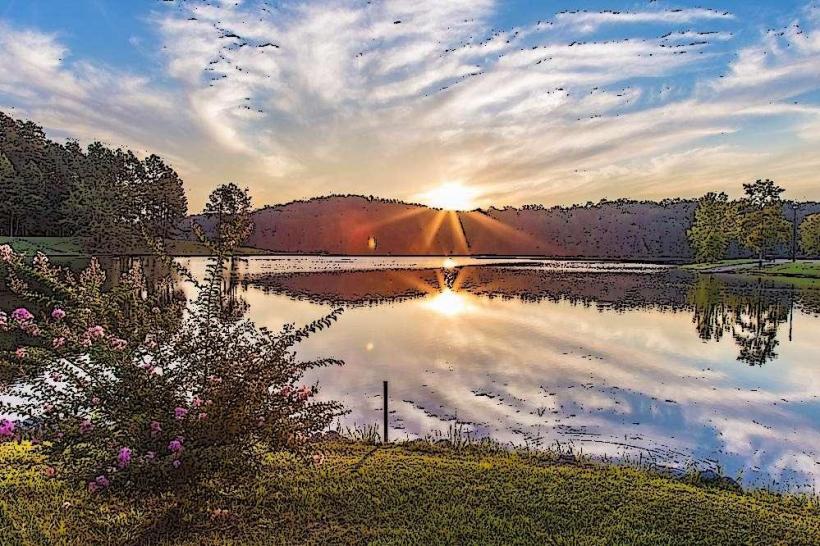
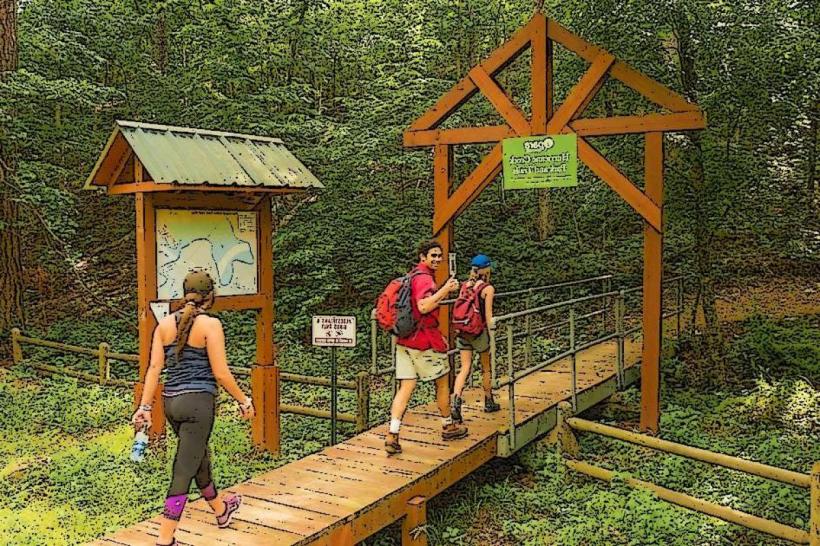
Lake Lurleen State Park: (15 km northwest; offering hiking, swimming, and camping).
Birmingham, AL: (90 km northeast; the state's primary urban center).
Aliceville, AL: (60 km west; home to a WWII POW camp museum).
Facts & Legends
Tuscaloosa was the site of the first insane asylum in the state (Bryce Hospital), which was once considered one of the most progressive in the world. Historically, it was the site of the "Stand in the Schoolhouse Door," where Governor George Wallace attempted to block integration. A local legend involves the "Phantom of Smith Hall," a spectral figure rumored to move artifacts in the museum. Another legend concerns "The Black Warrior’s Curse," a folk explanation for the frequent severe weather that strikes the river valley.