Information
Landmark: Moundville Archaeological ParkCity: Tuscaloosa
Country: USA Alabama
Continent: North America
Moundville Archaeological Park, Tuscaloosa, USA Alabama, North America
Moundville Archaeological Park is a prehistoric Native American settlement located in Tuscaloosa, Alabama. It preserves a significant Mississippian culture site.
Visual Characteristics
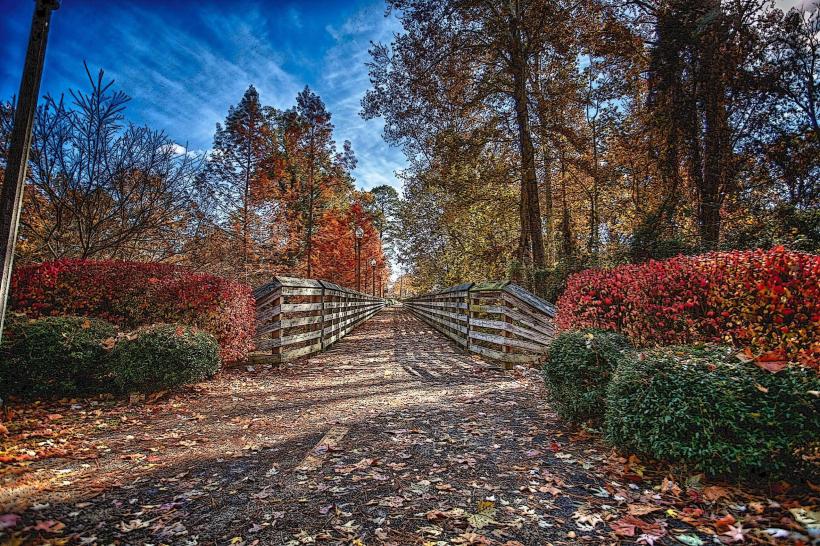
The park features 29 earthen mounds, the largest of which is approximately 58 feet high. The mounds are arranged around a central plaza. The surrounding landscape is primarily woodland and open grassland, with the Black Warrior River bordering the eastern edge.
Location & Access Logistics
Moundville Archaeological Park is situated approximately 13 miles south of downtown Tuscaloosa, Alabama. Access is via State Route 69. The park has a dedicated parking lot for visitors. Public transportation options to the park are limited; it is primarily accessible by private vehicle.
Historical & Ecological Origin
The site was occupied by the Mississippian culture from approximately 1000 to 1600 CE. It served as a major political and ceremonial center for the region. The mounds were constructed by the inhabitants for various purposes, including residences for elites and burial sites. The park is situated on alluvial soil deposited by the Black Warrior River.
Key Highlights & Activities
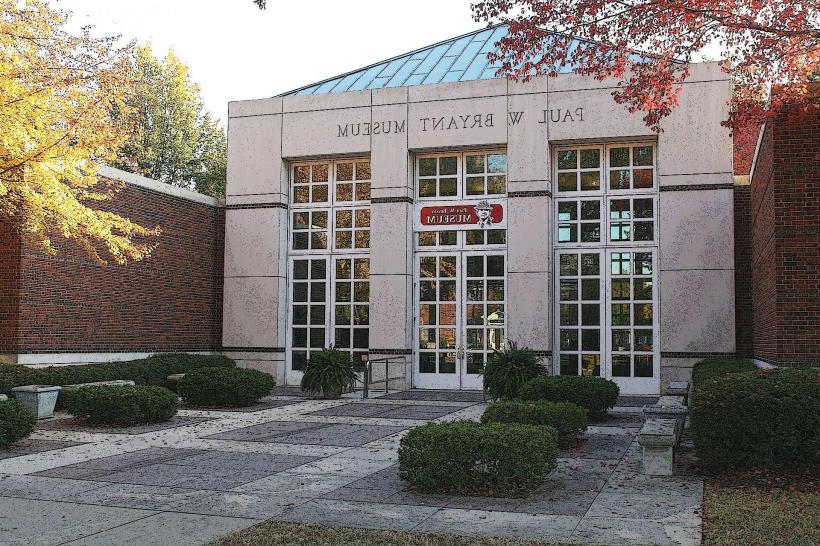
Visitors can explore the park's grounds, including the central plaza and the base of the mounds. A museum on-site displays artifacts recovered from the mounds and provides context on the Mississippian culture. Interpretive trails offer walking routes through the historical landscape. Archaeological excavations are sometimes visible.
Infrastructure & Amenities
Restrooms are available at the park's visitor center. Shaded areas are present along some trails and near the museum. Cell phone signal (4G/5G) is generally available within the park. Food vendors are not typically present within the park; visitors should plan to bring their own provisions or dine in Tuscaloosa.
Best Time to Visit
The best time of day for photography, particularly to capture the scale of the mounds and the surrounding landscape, is during the morning or late afternoon when the sun angle is lower. The most favorable months for visiting are spring (April-May) and fall (September-October) due to moderate temperatures and lower humidity. There are no tide-dependent activities.
Facts & Legends
One of the largest mounds, Mound S, is believed to have been a platform for a large temple or a chief's residence. Archaeological evidence suggests a highly organized society with a complex social hierarchy. A notable artifact found at the site is a copper gorget depicting a falcon dancer, indicative of widespread trade networks.
Nearby Landmarks
- University of Alabama Arboretum (12km North)
- Tuscaloosa Amphitheater (13km North)
- Capitol Park (13km North)
- Battle-Friedman House (13km North)
- Old Tavern (14km North)