Information
City: WilliamsburgCountry: USA Virginia
Continent: North America
Williamsburg, USA Virginia, North America
Williamsburg is an independent city in the Virginia Peninsula, located between the James and York Rivers. It is a cornerstone of the "Historic Triangle" (alongside Jamestown and Yorktown) and is globally recognized as a premier center for colonial history preservation.
Historical Timeline
Founded in 1633 as Middle Plantation, it was renamed Williamsburg in 1699 when it became the capital of the Virginia Colony. Primary governance eras include its 18th-century peak as the political and cultural heart of Virginia and its role in the American Revolution, where it served as a staging ground for the Siege of Yorktown. A critical historical event was the 1926 partnership between Reverend W.A.R. Goodwin and John D. Rockefeller Jr., which initiated the massive restoration of the city's colonial core. The 21st century has seen the city evolve into a diverse educational and tourist hub while maintaining its status as a "living museum."
Demographics & Population
The population is approximately 15,800. The demographics are White (68%), Black or African American (14%), Asian (7%), and Hispanic or Latino (7%). The median age is 26.5 years, a figure significantly lowered by the presence of the College of William & Mary.
Urban Layout & Key Districts
The city is characterized by a blend of 18th-century architecture and modern mixed-use developments.
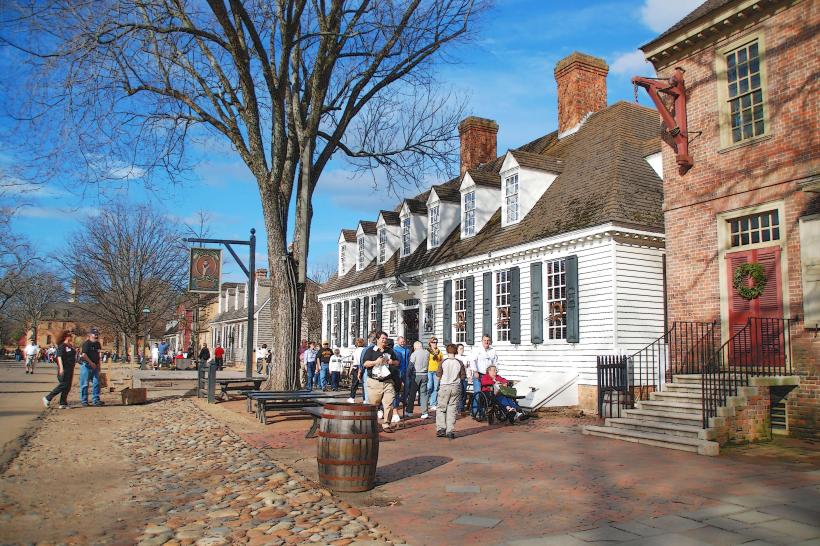
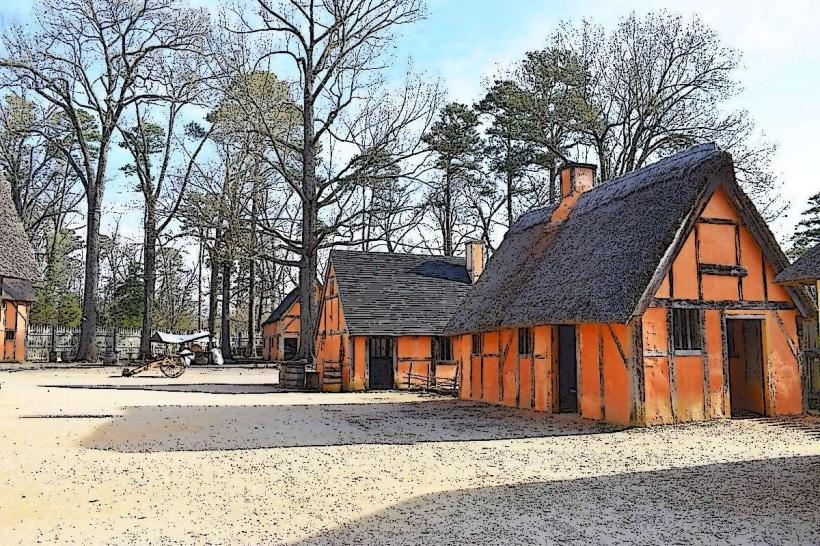
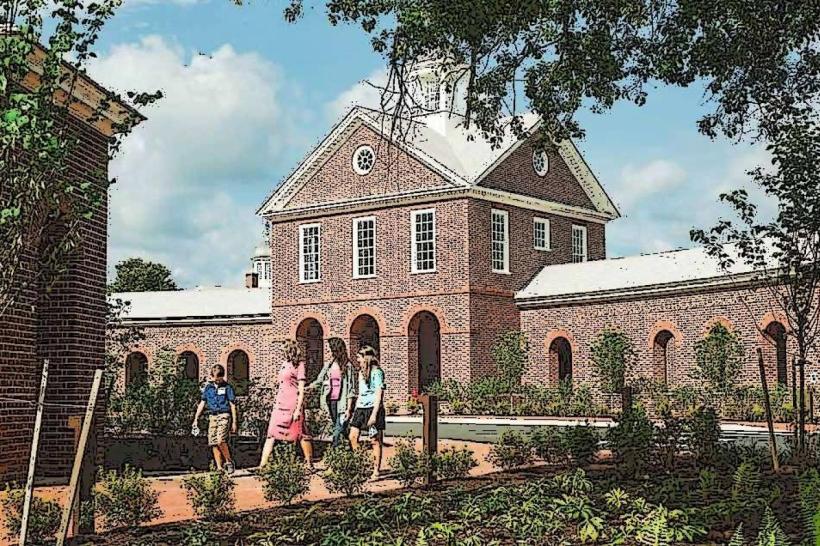
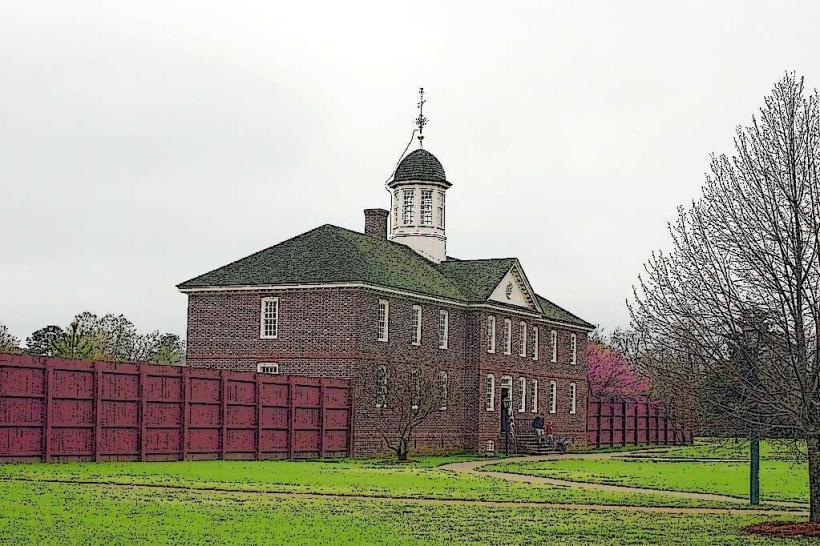
Historic Area (Colonial Williamsburg): A 301-acre living history museum featuring restored and reconstructed colonial buildings.
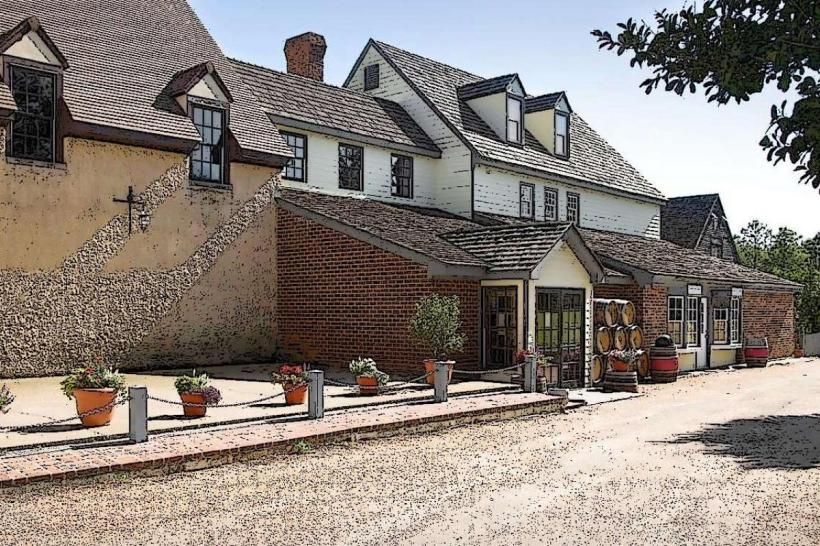
Merchants Square: An 18th-century style retail and dining district located adjacent to the Historic Area.
Midtown Row: A modern, high-density district featuring contemporary dining, retail, and student-focused residential units.
The Corner: The commercial area bordering the College of William & Mary campus.
New Town: A 365-acre planned community with a high concentration of professional offices and national retailers.
Top City Landmarks
Colonial Williamsburg: The world's largest living history museum.
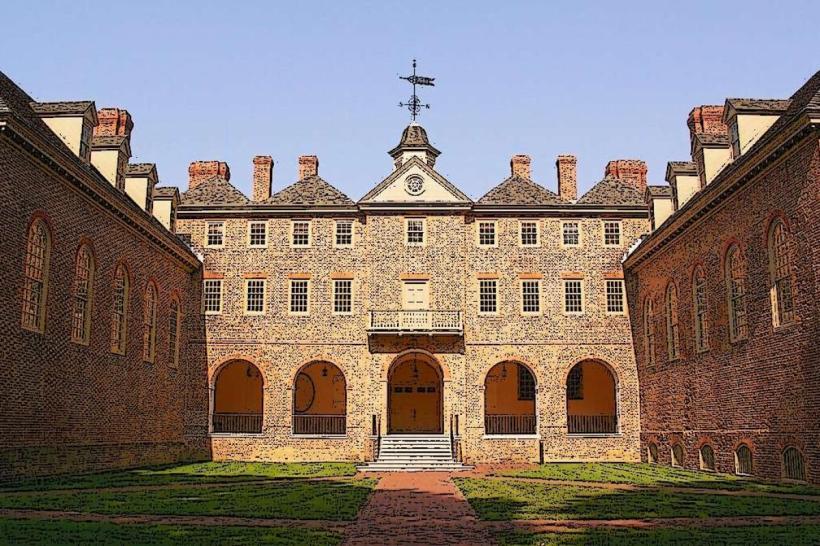
The College of William & Mary: Founded in 1693, the second-oldest institution of higher education in the U.S.
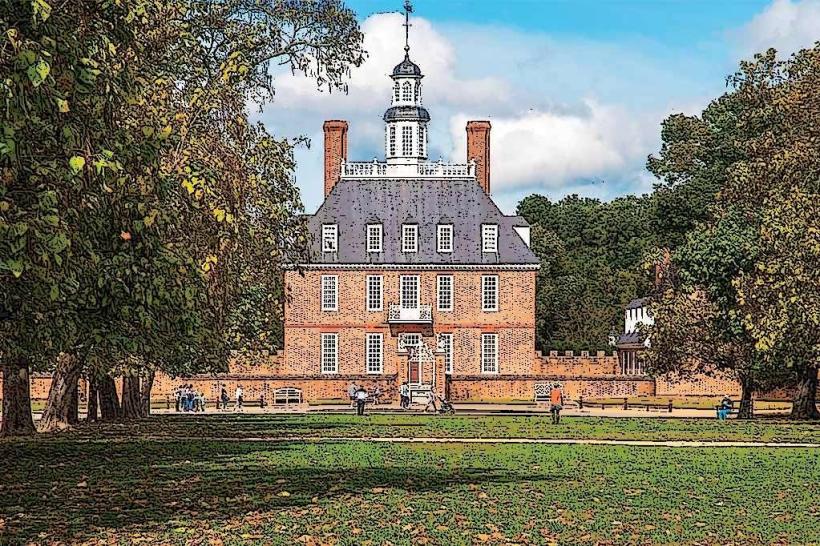
Governor’s Palace: The reconstructed official residence of the Royal Governors of Virginia.
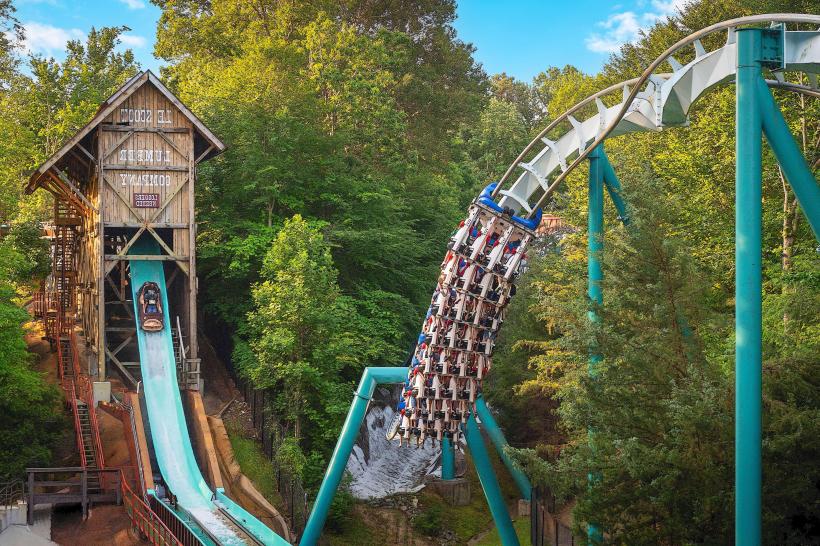
Busch Gardens Williamsburg: A major European-themed amusement park consistently voted the world's most beautiful.
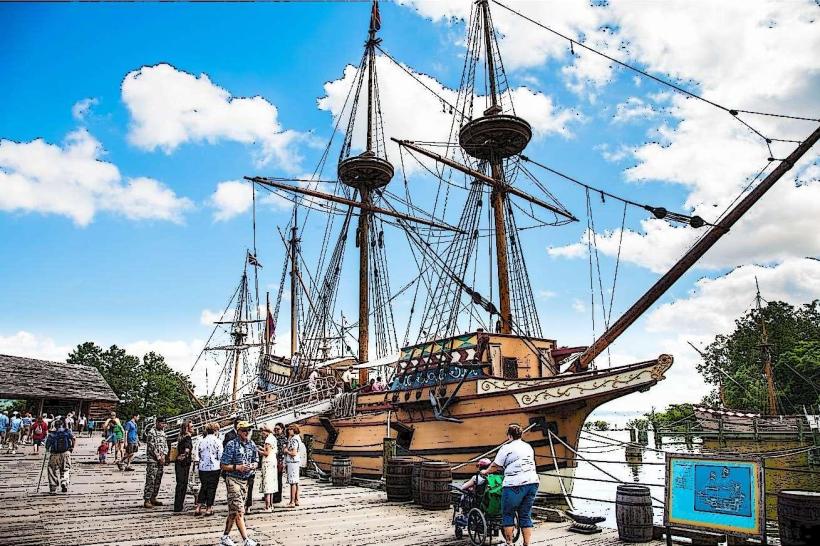
Historic Jamestowne: The site of the first permanent English settlement in America (9 km south).
Yorktown Battlefield: Site of the final major land battle of the American Revolution (20 km east).
Transportation Network
Movement is serviced by Williamsburg Area Transit Authority (WATA) buses and the Colonial Williamsburg shuttle system. The Williamsburg Transportation Center provides access to Amtrak (Northeast Regional) and Greyhound. The city is served by I-64 and the scenic Colonial Parkway. Ride-sharing is universal. Traffic density is moderate but peaks heavily on Route 60 and Richmond Road during summer tourist seasons and University events.
Safety & "Red Zones"
The general safety level is very high. Crime rates are significantly below national averages for violent offenses. Property crime, specifically larceny in high-traffic tourist areas and bicycle theft near the university, is the primary concern. There are no designated "red zones." Caution is advised for pedestrians crossing Richmond Road and Lafayette Street during peak hours. Common scams involve fraudulent "historic tour" ticket resales by unauthorized street vendors.
Digital & Financial Infrastructure
Internet speeds average 400 Mbps with fiber availability via Verizon Fios and Cox. Main mobile carriers are Verizon, AT&T, and T-Mobile. Card acceptance is universal. ATMs are concentrated in Merchants Square and near the W&M campus.
Climate & Air Quality
Temperatures range from -1°C to 9°C in winter and 21°C to 31°C in summer. Humidity is high. Air quality is consistently high. Specific weather risks include seasonal tropical storm remnants and occasional tidal flooding in the surrounding James City County waterfronts.
Culture & Social Norms
The standard tipping percentage is 18–25%. A handshake is the standard greeting. Dress codes are "Academic-Casual" or "Historical-Formal." Smoking is strictly prohibited in the Historic Area's buildings and many public outdoor spaces. The city is culturally defined by its dual identity as an elite academic center and a global heritage destination.
Accommodation Zones
Historic Area / Merchants Square: Recommended for luxury boutique stays and immersive history.
Richmond Road: Recommended for a high density of national hotel chains and retail accessibility.
Kingsmill: Recommended for luxury resort-style lodging and golf.
Local Cost Index
1 Espresso: $4.50 (USD)
1 Standard Lunch: $18.00 (USD)
1 Amtrak Fare (to DC): $35.00–$65.00 (Variable).
Nearby Day Trips
Virginia Beach: (95 km east).
Richmond: (85 km west).
Tangier Island: (Accessible via ferry from Reedville).
Facts & Legends
Williamsburg is the site of the first psychiatric hospital in the United States (Public Hospital for Persons of Insane and Disordered Minds, founded 1773). Historically, the city’s layout was designed in the shape of a "W" and "M" to honor the reigning monarchs, though the final grid was simplified. A local legend involves the "Ghost of Peyton Randolph," where spectral activities are frequently reported in the Peyton Randolph House, considered one of the most haunted buildings in America. Another legend concerns the "Secret Vault of Bruton Parish Church," rumored to contain coded manuscripts belonging to Sir Francis Bacon.