Information
City: YbycuiCountry: Paraguay
Continent: South America
Ybycui, Paraguay, South America
Ybycuí serves as a key heritage and ecotourism hub within the Paraguarí Department, functioning primarily as a gateway to the historic industrial sites and natural reserves of southern Paraguay. It is located 123 kilometers southeast of Asunción, situated in a transition zone between the central hills and the humid subtropical forests.
Historical Timeline
The city was founded on March 19, 1766, by Governor José Martínez de Fontes. Its most significant era of governance was the mid-19th century under President Carlos Antonio López, who established "La Rosada," South America's first iron foundry, in 1850. The most critical architectural reconstruction occurred in the 1960s, restoring the foundry ruins following their destruction by Brazilian forces in June 1869 during the War of the Triple Alliance. This war remains the primary event that halted the city's industrial trajectory and shaped its current identity as a historical monument site.
Demographics & Population
The population within the district is approximately 23,000, while the urban center holds roughly 9,000 residents. The demographics are 92% Mestizo and 7% European descent (primarily Spanish and German descendants), with a median age of 27.2 years.
Urban Layout & Key Districts
Ybycuí is organized on a traditional Spanish colonial grid.
The Historic Core: Centered on the Plaza de Armas and the Church of San José, containing the municipal offices and local commerce.
La Rosada/National Park District: Located 25 km southeast of the town center, this is the primary area for heritage and nature-based tourism.
Industrial Perimeter: The outskirts are dominated by small-scale agricultural processing, primarily sugar cane and timber.
Top City Landmarks
La Rosada Iron Foundry Museum: The restored 19th-century industrial complex.
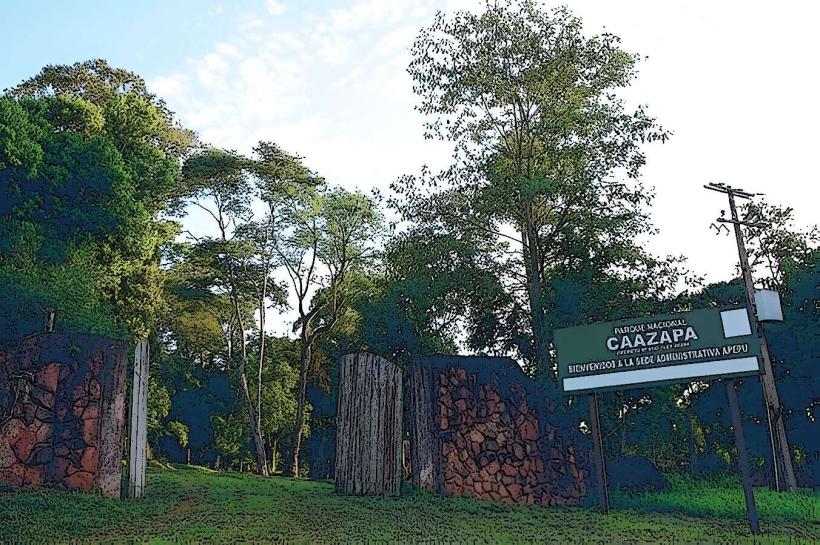
Ybycuí National Park: A 5,000-hectare reserve featuring subtropical rainforest.
Salto Minas: A series of waterfalls and natural swimming pools within the park.
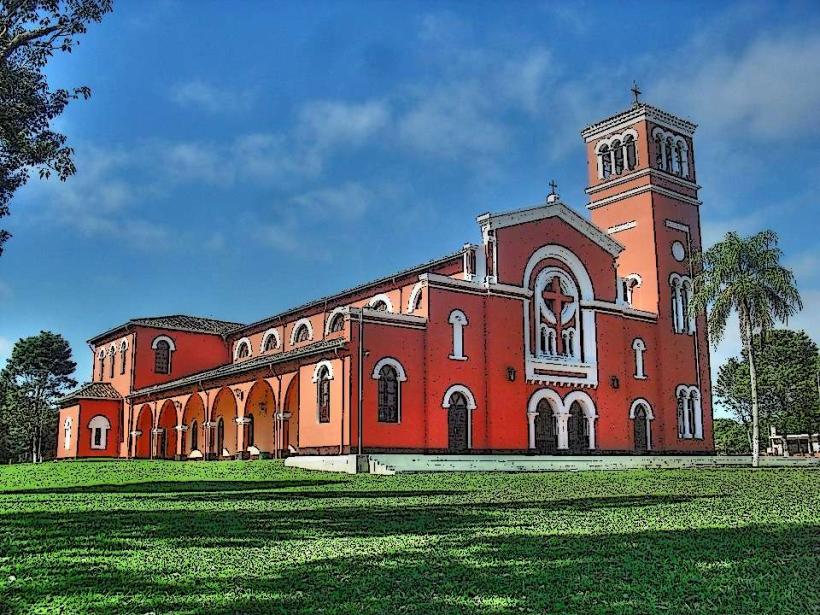
Church of San José: The central neoclassical parish of the city.
Pozo Macho: A historical site associated with local folklore and 19th-century military logistics.
Transportation Network
There is no metro or tram system. Internal transit is provided by "motos" and local buses (colectivos) that connect the town center to the National Park entrance. Long-distance buses depart daily for Asunción and Paraguarí. Ride-sharing apps like Bolt have very limited availability; transit is dominated by unmarked white taxis at the bus terminal. Traffic density is low, though weekend congestion occurs on the access roads to the National Park.
Safety & "Red Zones"
Ybycuí is highly secure with negligible violent crime. There are no specific "red zones" or streets to avoid at night. The primary safety risk is hiking off-marked trails in the National Park without a guide. Scams are rare, though visitors should agree on a price before boarding long-distance taxis to the park.
Digital & Financial Infrastructure
Average internet speed is 35 Mbps in the town center, though signal drops significantly in the National Park area. Main mobile carriers are Tigo and Personal. Card acceptance is high in large supermarkets and established hotels like Hotel Castillo, but cash is mandatory for park entrance fees and local vendors. ATMs are available at the Banco Nacional de Fomento (BNF) near the main plaza.
Climate & Air Quality
Temperatures range from 24°C to 36°C in summer (October–March) and 10°C to 22°C in winter (June–August). Air quality is excellent due to dense forest cover. A specific weather risk is flash flooding of streams (arroyos) during the heavy rains of February and March, which can temporarily close park trails.
Culture & Social Norms
Tipping: 10% is standard in restaurants but not strictly expected in small "comedores."
Greeting: Handshakes are formal; the "doble beso" is used among acquaintances.
Dress Code: Practical outdoor gear is accepted everywhere due to the tourism focus, but modest attire is expected for the San José festivities in March.
Regulations: Alcohol consumption is common in public plazas during weekends, though prohibited inside the National Park.
Accommodation Zones
Town Center: Stay here for logistical access to bus transport, banks, and the local market.
National Park Perimeter: Stay here (e.g., local farm-stays or lodges) for immediate access to hiking trails and waterfalls.
Local Cost Index
1 Espresso: 12,000 PYG ($1.60 USD)
1 Standard Lunch: 35,000 PYG ($4.65 USD)
1 Bus Ticket (to Asunción): 30,000 PYG ($4.00 USD)
Nearby Day Trips
La Colmena: 28 km (The first Japanese colony in Paraguay).
Paraguarí: 55 km (Historical railway station and hill climbing).
Mbatoví Eco-reserve: 60 km (Ziplining and technical trekking).
Facts & Legends
A local legend involves the "Ghost of the Foundry," a spectral figure of a 19th-century engineer said to roam the ruins of La Rosada, purportedly inspecting the remains of the blast furnaces destroyed during the war. Historically, Ybycuí was the site of the first successful smelting of iron in the Southern Cone, a feat that led to the production of the first Paraguayan-made cannons used to defend the country during the Triple Alliance conflict.