Information
Landmark: Abel Tasman National ParkCity: Nelson
Country: New Zealand
Continent: Australia
Abel Tasman National Park, Nelson, New Zealand, Australia
Abel Tasman National Park is a protected area located on the northern tip of New Zealand's South Island, accessible from the city of Nelson.
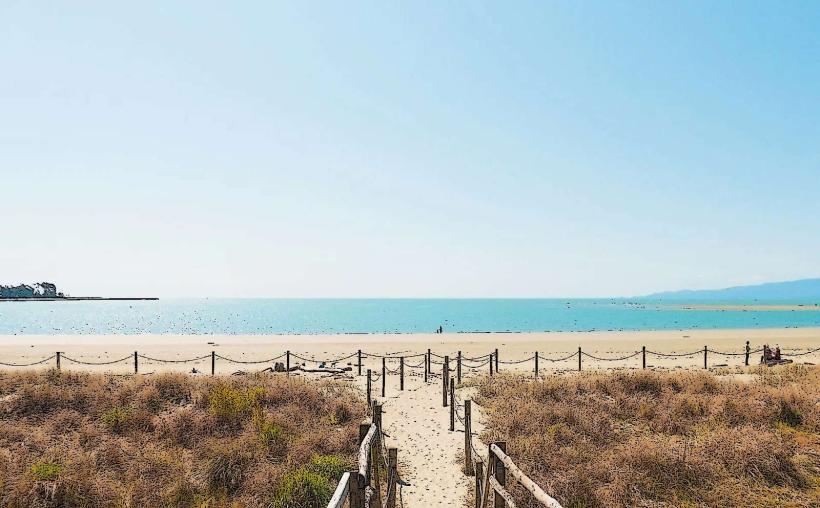
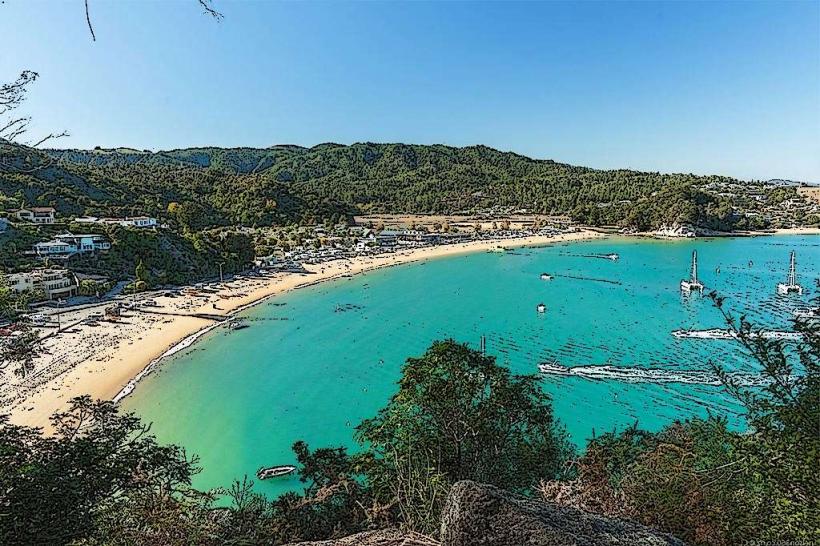
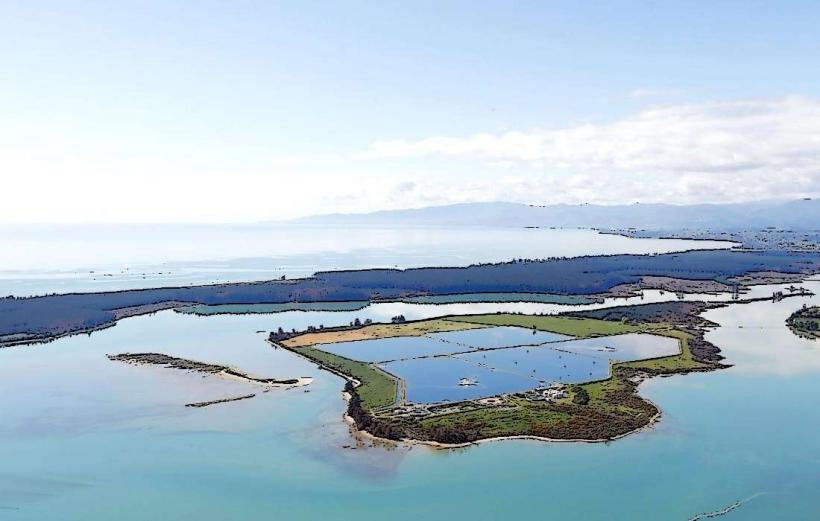
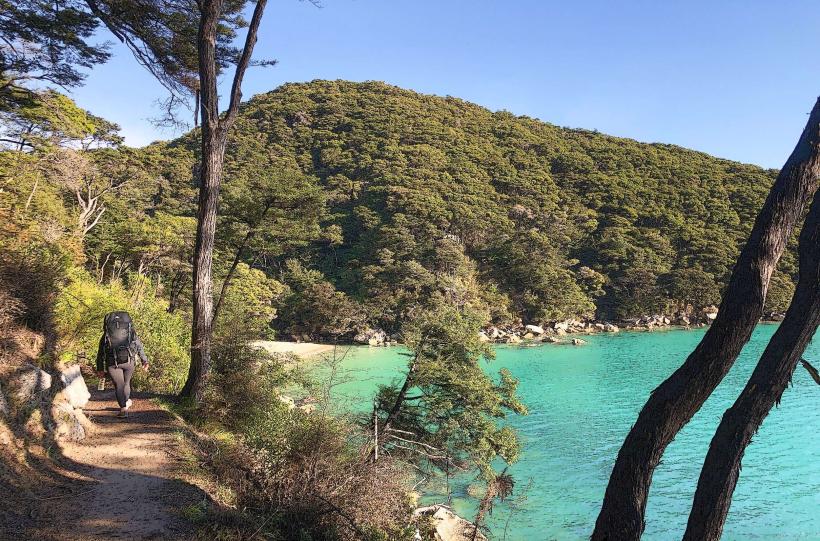
This park encompasses a coastal region characterized by golden sand beaches, granite cliffs, and clear turquoise waters.
Visual Characteristics
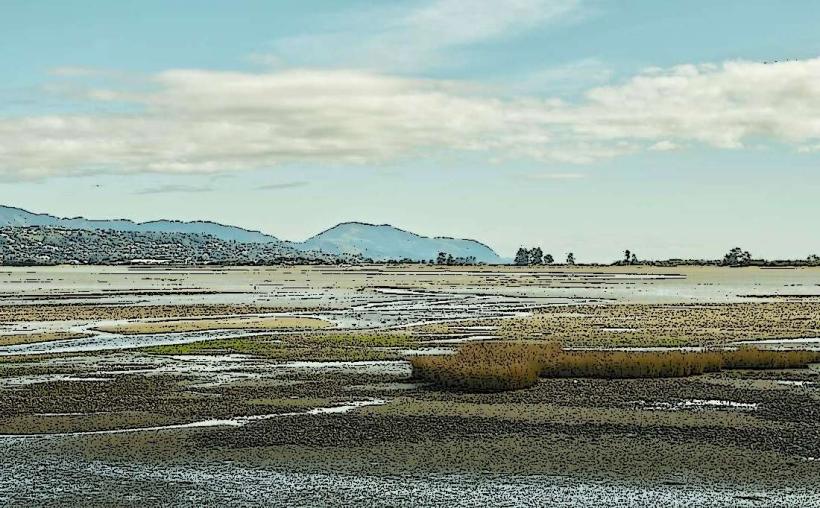
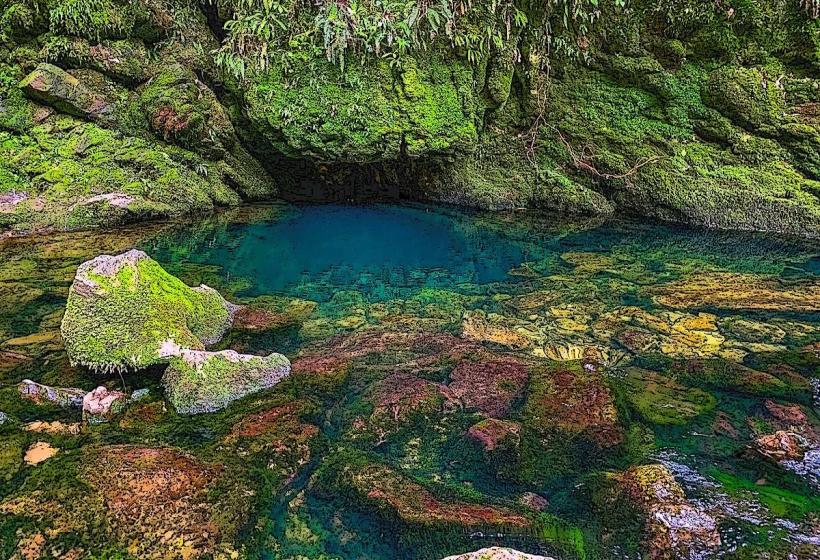
The park's coastline features a series of bays separated by rocky headlands. Beaches are composed of fine, light-colored sand. Granite formations are prevalent, with some exhibiting smooth, water-worn surfaces. Native vegetation includes dense stands of manuka, kanuka, and various fern species, interspersed with larger trees like totara and rimu in sheltered areas. The sea color ranges from pale turquoise in shallow bays to deeper blue offshore.
Location & Access Logistics
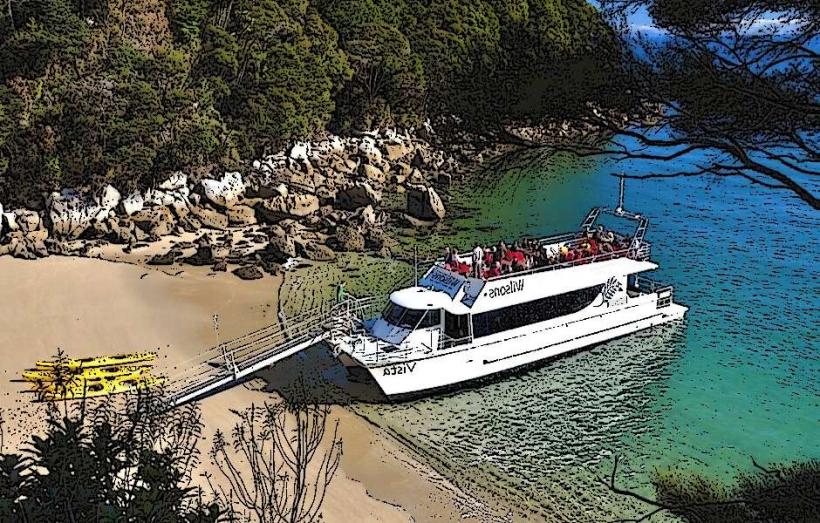
Abel Tasman National Park is situated approximately 70 kilometers northwest of Nelson. Access is primarily via the coastal road (State Highway 6) to Marahau or Kaiteriteri, which are the main departure points for water taxis and kayak tours. Marahau is about a 1-hour drive from Nelson. Kaiteriteri is a further 10 minutes drive from Marahau. Limited parking is available at Marahau and Kaiteriteri, with fees typically applied. Public transport options from Nelson to Marahau or Kaiteriteri are available through private shuttle services. Water taxis operate from both Marahau and Kaiteriteri, providing transport to various points within the park.
Historical & Ecological Origin
The area was designated a National Park in 1942. Its ecological significance lies in its coastal temperate rainforest and marine ecosystem. The park protects a transition zone between temperate and subtropical flora. Geologically, the area is characterized by ancient granite formations, part of the Median Batholith, which have been shaped by erosion and sea-level changes over millennia.
Key Highlights & Activities
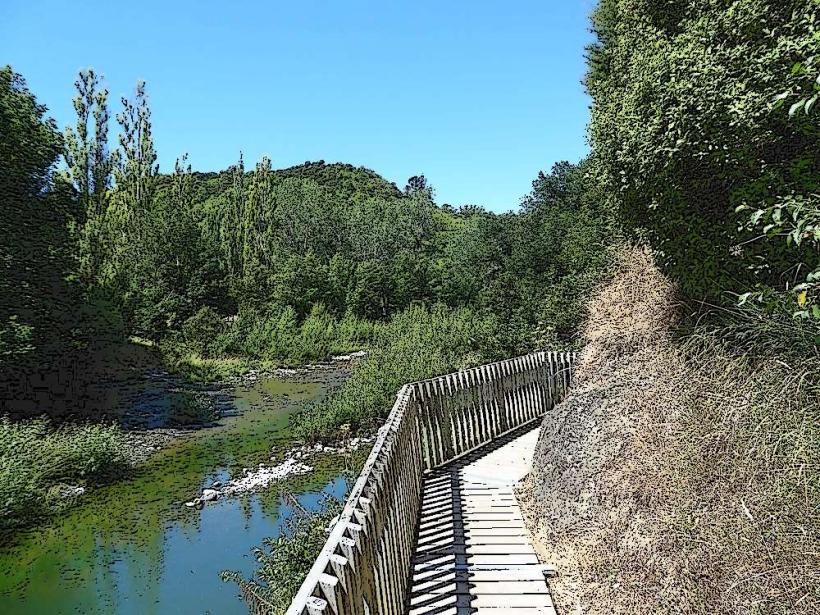
Hiking the Abel Tasman Coast Track is a primary activity, with sections ranging from short walks to multi-day treks. Kayaking along the coastline allows exploration of coves and marine life. Water taxis provide access to different points along the track and beaches for day trips. Swimming and sunbathing are possible on the park's beaches. Wildlife viewing, including seals and various seabirds, is common.
Infrastructure & Amenities
Basic facilities are available at designated campsites and huts within the park, including pit toilets and water sources. Sheltered picnic areas are present at some popular beach locations. Cell phone signal is intermittent and generally unreliable throughout most of the park, particularly in sheltered bays and dense bush. Food vendors are located at the gateway towns of Marahau and Kaiteriteri, but not within the park itself.
Best Time to Visit
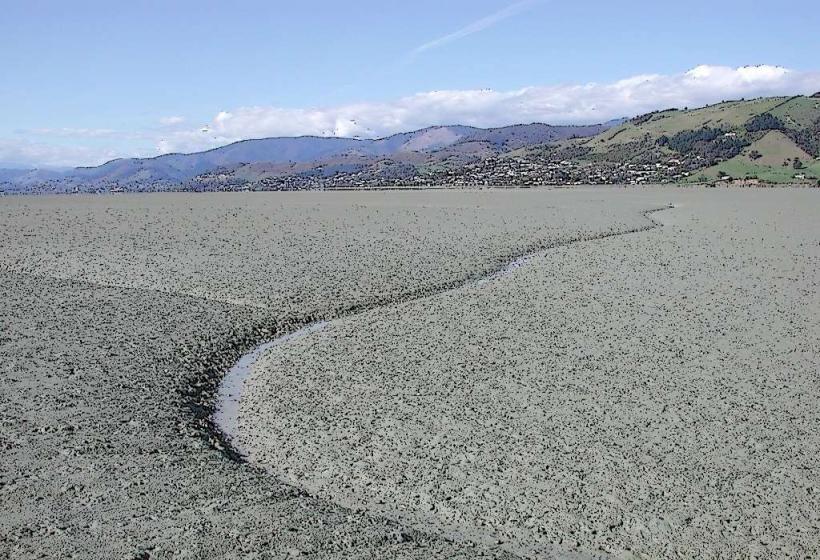
The best months for visiting are generally from December to March, offering the warmest weather and longest daylight hours. For photography, early morning and late afternoon light provides optimal conditions on the eastern-facing beaches. High tide is preferable for water taxi access to some smaller coves and for kayaking close to shorelines.
Facts & Legends
The park is named after Abel Tasman, the Dutch explorer who sighted the coast in 1642. A specific tip for visitors is to book water taxis and accommodation well in advance, especially during the peak summer season, as capacity is limited.
Nearby Landmarks
- Kaiteriteri Beach (0.5km West)
- Marahau (1km South)
- Split Apple Rock (4km Northwest)
- Motueka (30km Southwest)