Information
Country: New ZealandContinent: Australia
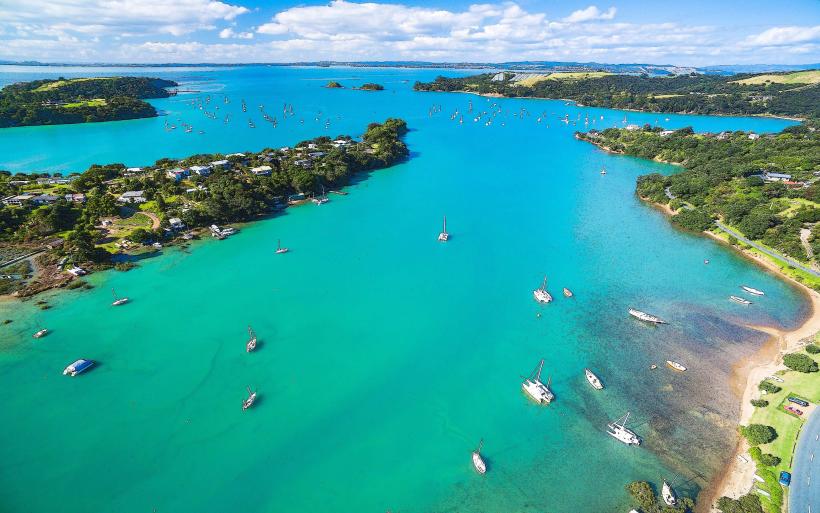
New Zealand, Australia
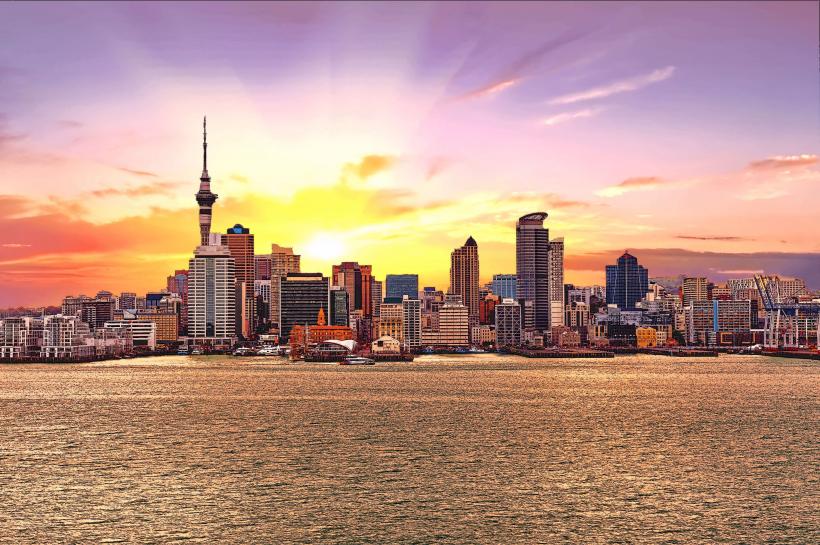
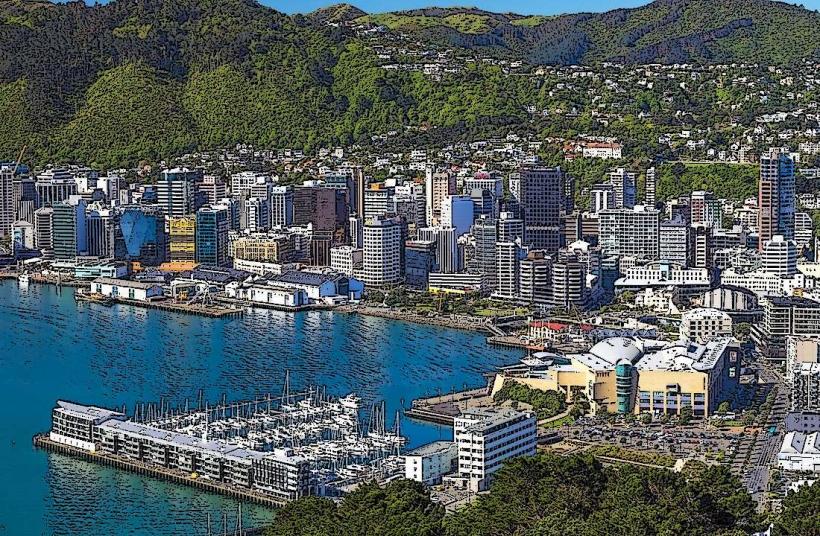
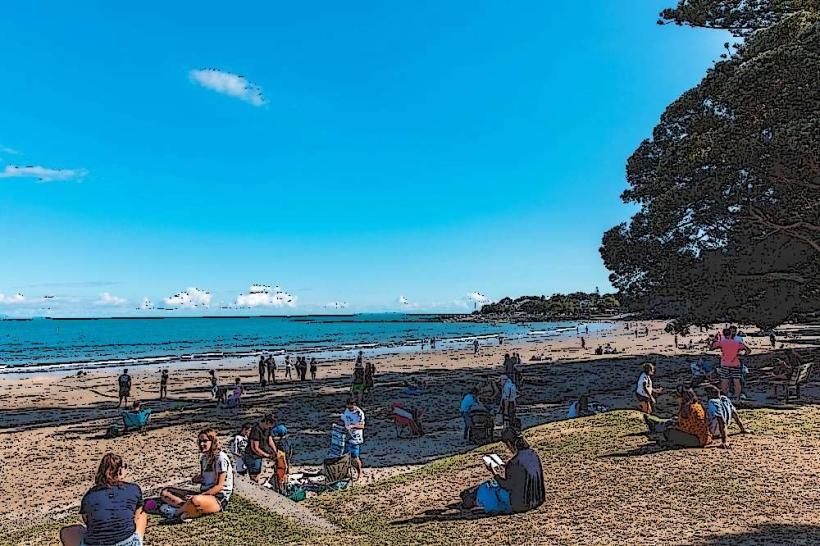
New Zealand (Aotearoa) is an island nation in the southwestern Pacific Ocean, comprising the North and South Islands and numerous smaller islands. The economy is developed and trade-dependent, anchored by dairy exports, tourism, and film production; the capital city is Wellington, while Auckland is the primary economic hub.
Visa & Entry Policy
EU, US, and UK passport holders are visa-waived but must obtain a New Zealand Electronic Travel Authority (NZeTA) before departure. The NZeTA costs $17 NZD (via mobile app) or $23 NZD (online), plus a mandatory $100 NZD International Visitor Conservation and Tourism Levy (IVL). The NZeTA is valid for multiple entries over two years. Stays are permitted for up to three months (six months for UK citizens). As of 2026, the New Zealand Traveller Declaration (NZTD) is fully digital and must be completed within 24 hours of starting the journey.
Language & Communication
English, Māori, and New Zealand Sign Language are the official languages. English is universal. Māori language (Te Reo Māori) is increasingly integrated into public life, government signage, and daily greetings (e.g., "Kia ora"). English proficiency is native/high.
Currency & Payment Systems
The official currency is the New Zealand Dollar (NZD). Credit and debit cards (Visa/Mastercard) are universally accepted; contactless "payWave" is standard, though some small merchants may apply a 1–2% surcharge. Cash is rare in urban areas but useful for small rural stalls or laundromats. As of 2026, the use of digital wallets (Apple/Google Pay) is near-total in retail.
National Transport Grid
Inter-city travel is primarily via domestic flights (Air New Zealand, Jetstar) and a comprehensive coach network (InterCity). There is no national high-speed rail. Auckland’s City Rail Link (CRL), the nation's first underground rail system, is in its final 2026 integration phase to double network capacity. In the South Island, the Interislander and Bluebridge ferries provide the essential link across the Cook Strait.
Digital Infrastructure
Primary mobile network providers are One NZ (formerly Vodafone), Spark, and 2degrees. As of March 31, 2026, all major providers have decommissioned 3G networks to reallocate spectrum to 5G. 5G coverage is robust in major cities and regional centers. Fiber-to-the-premises (UFB) is standard in most residential areas, while Starlink is the primary solution for rural and "off-grid" connectivity.
Climate & Seasonality
Summer (December–February): Peak tourism; warm and mostly dry ($20°C–30°C$).
Autumn (March–May): Settled weather; ideal for hiking (Great Walks).
Winter (June–August): Snow in the Southern Alps and central North Island; primary ski season.
Spring (September–November): Unsettled weather; "waterfall season" due to snowmelt.
Health & Safety
No mandatory vaccines are required. Health risks are minimal, though the sun is exceptionally strong due to low ozone levels; high-SPF sunscreen is essential. Tap water is potable and of high quality nationwide. New Zealand is geographically active; travelers should be familiar with earthquake protocols ("Drop, Cover, and Hold"). The emergency number for Police, Fire, and Ambulance is 111.
Top 3 Major Regions & Cities
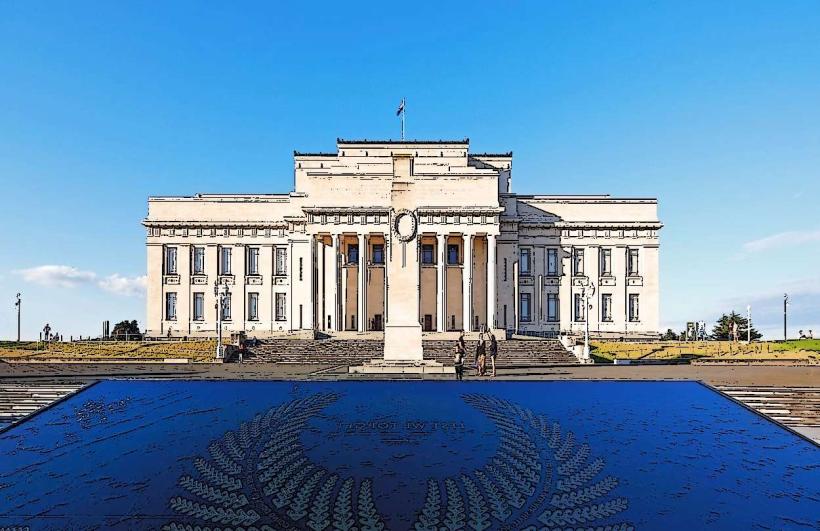
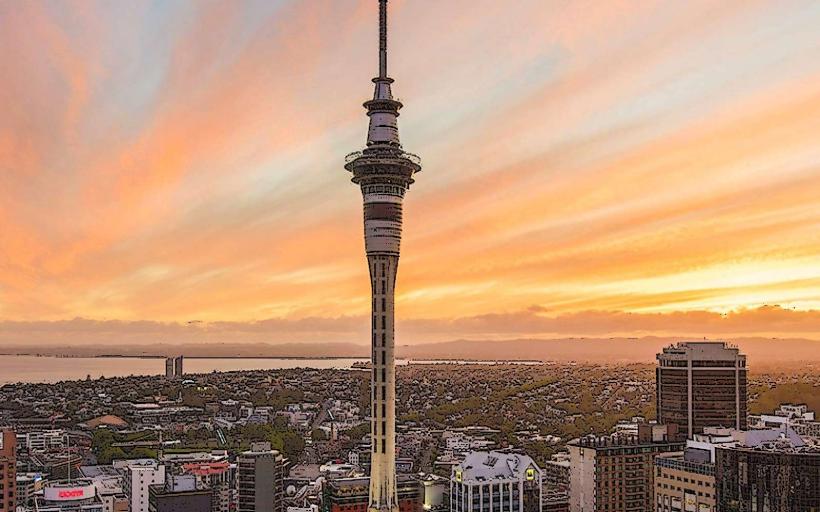
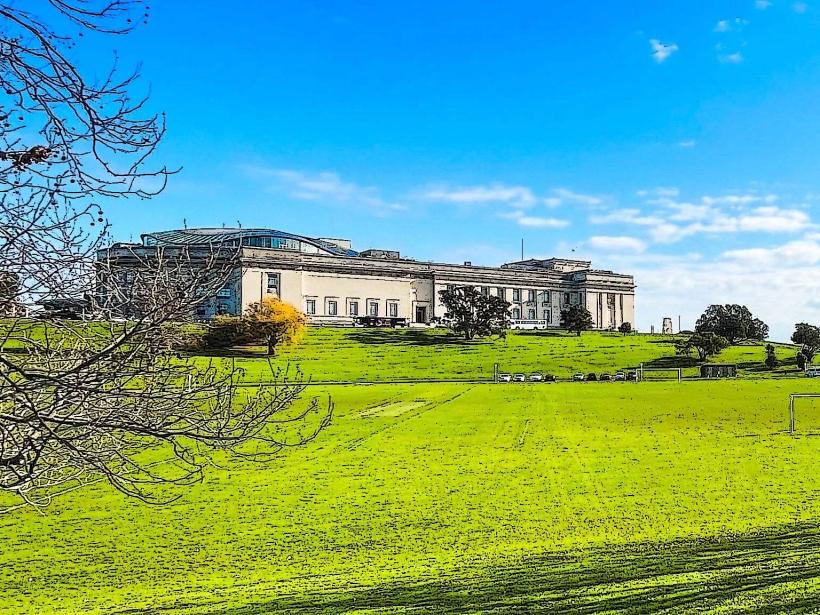
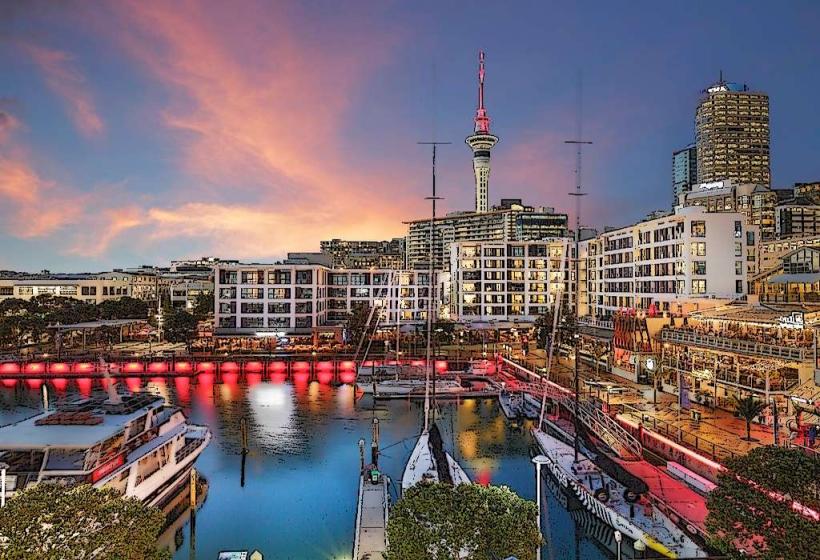
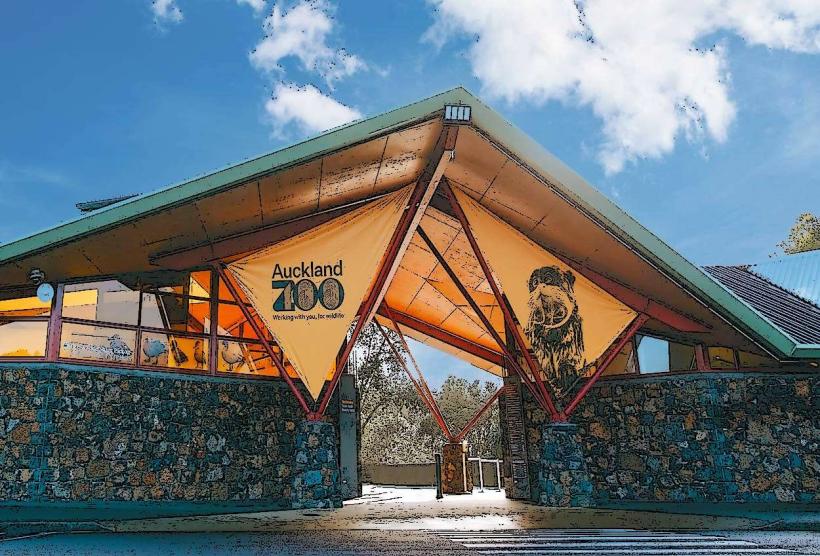
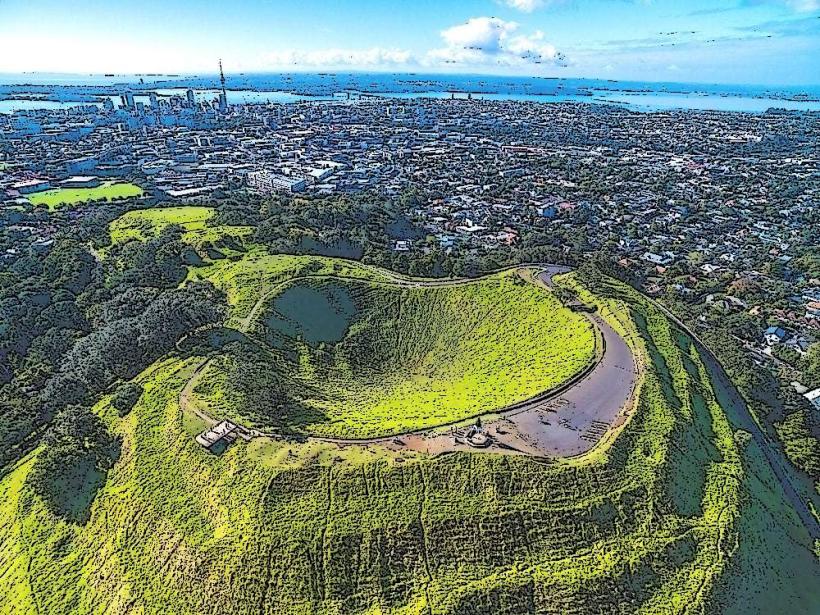
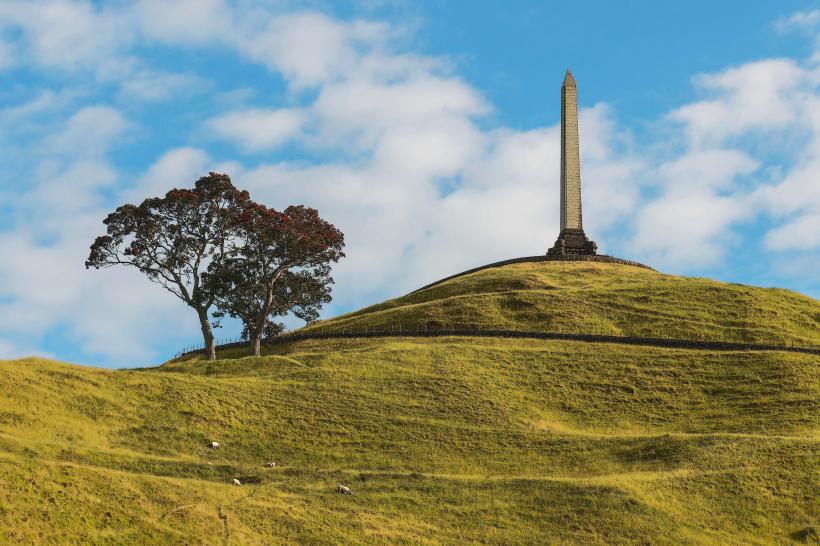
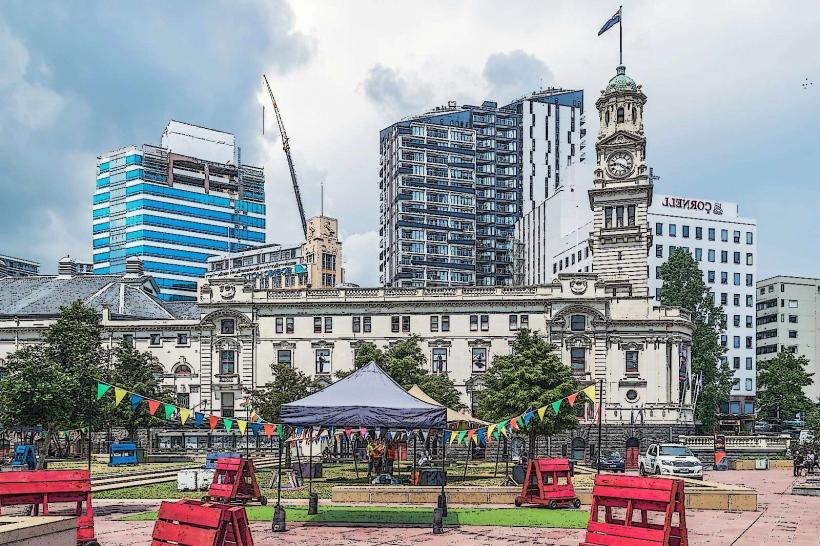
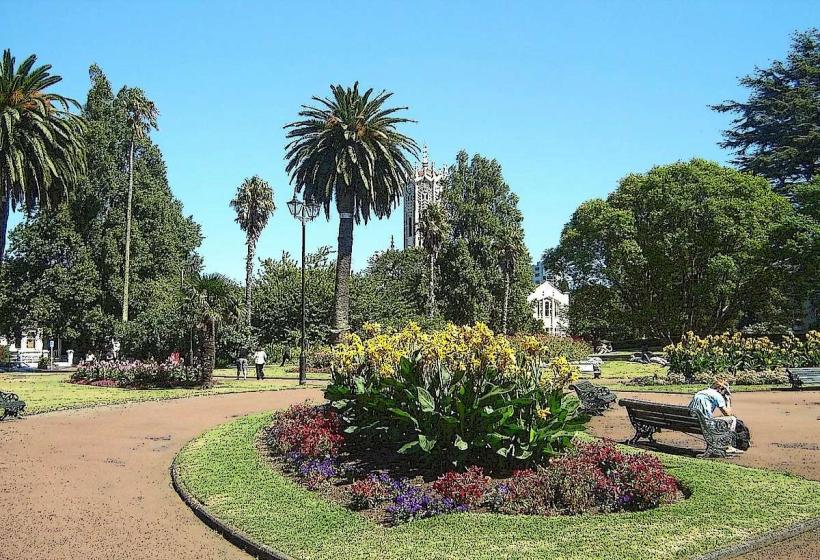
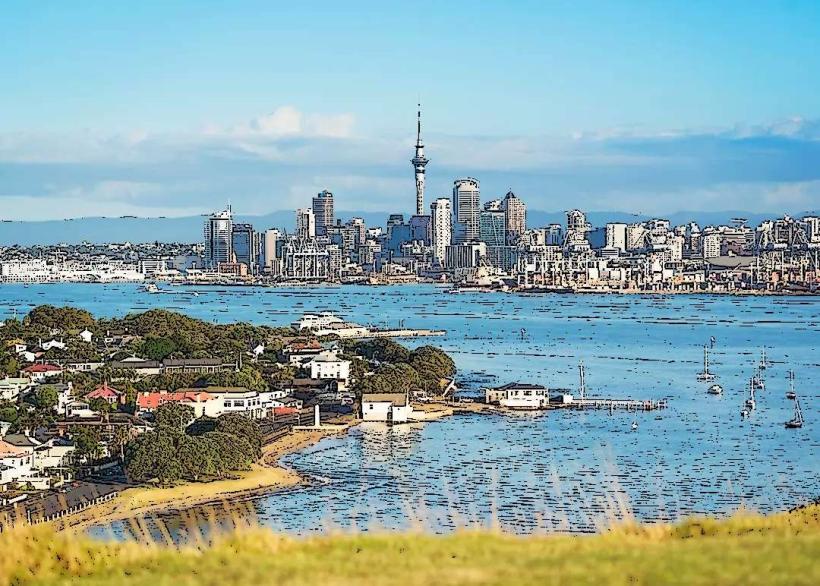
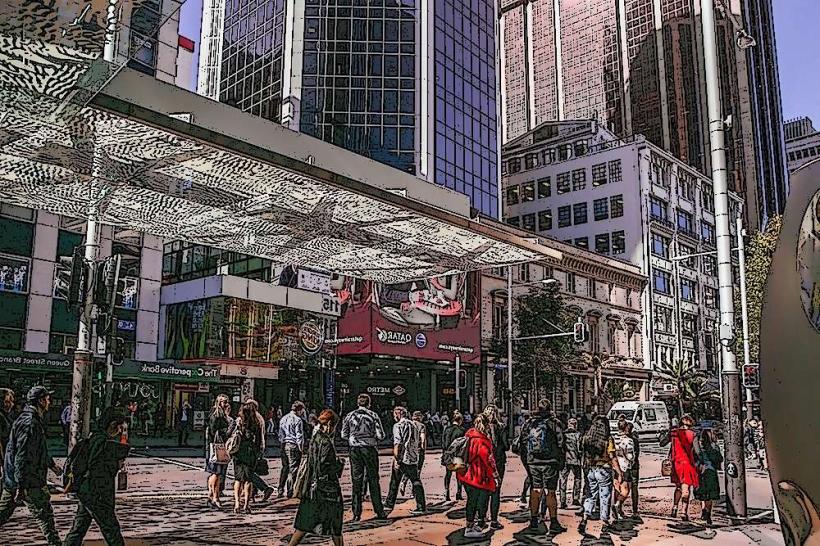
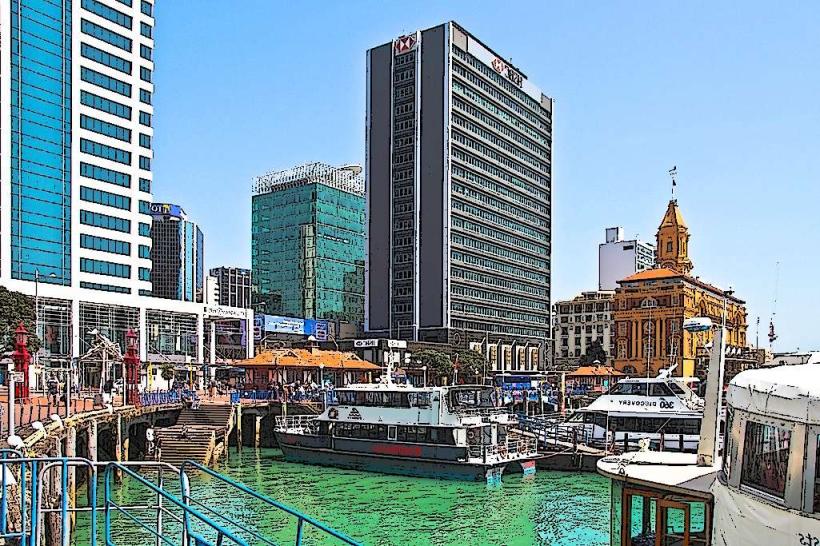
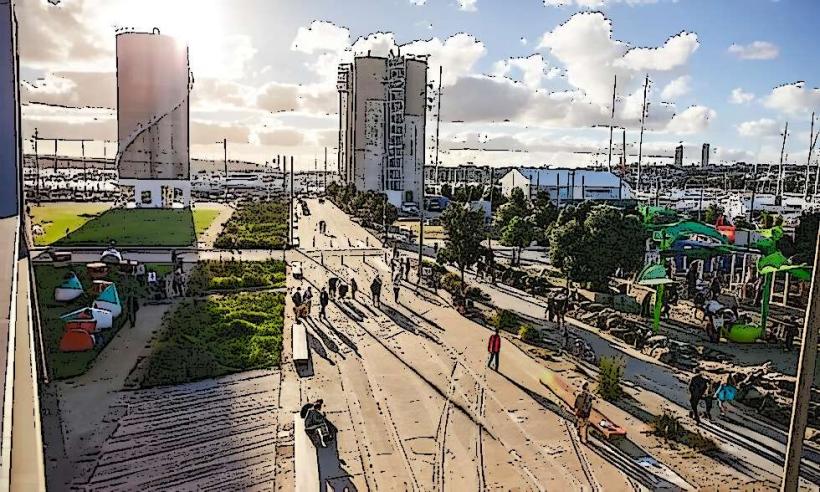
Auckland (Tāmaki Makaurau): Largest city; international gateway.
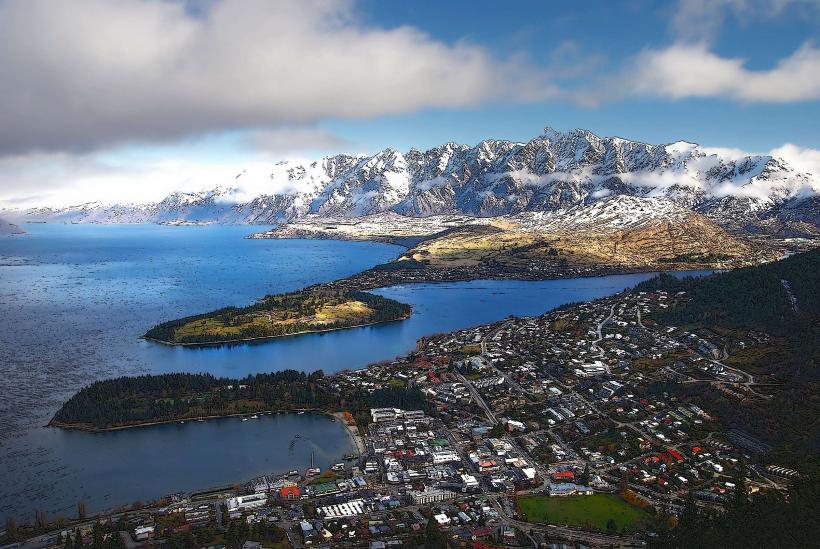
Queenstown: Global "Adventure Capital"; hub for the Southern Alps.
Wellington (Te Whanganui-a-Tara): Political capital; cultural and film hub.
Local Cost Index
1L Water: $3.50 NZD ($2.15 USD)
1 Domestic Beer (0.5L draught): $11.00 NZD ($6.80 USD)
1 SIM Card (10GB Data): $45.00 NZD ($28.00 USD)
Facts & Legends
New Zealand was the last large habitable landmass to be settled by humans (Polynesians/Māori approx. 1300 AD). Māori legend tells of Māui, a demigod who fished the North Island (Te Ika-a-Māui) out of the sea using a magical hook made from his grandmother's jawbone. Historically, the nation was the first in the world to grant women the right to vote (1893). It is home to the Sutherland Falls, one of the tallest in the world, and the unique, flightless Kiwi bird.