Information
Landmark: Rangitoto IslandCity: Auckland
Country: New Zealand
Continent: Australia
Rangitoto Island, Auckland, New Zealand, Australia
Overview
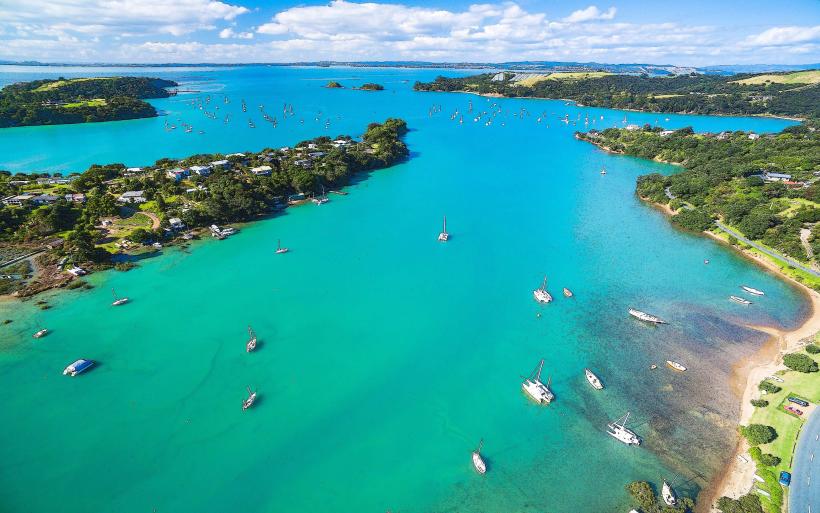
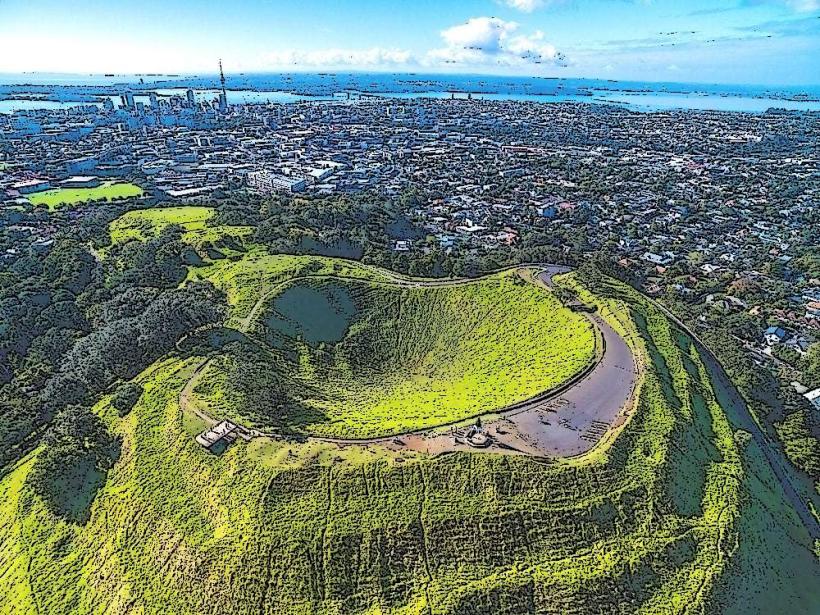
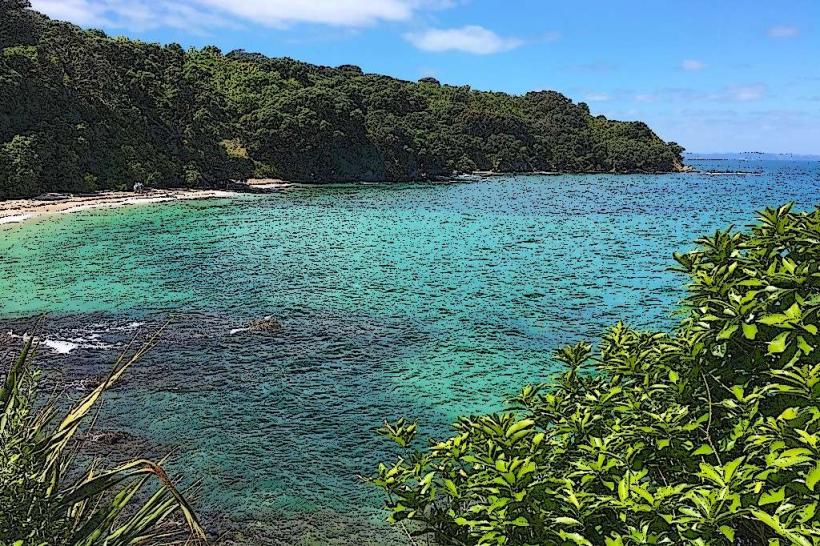
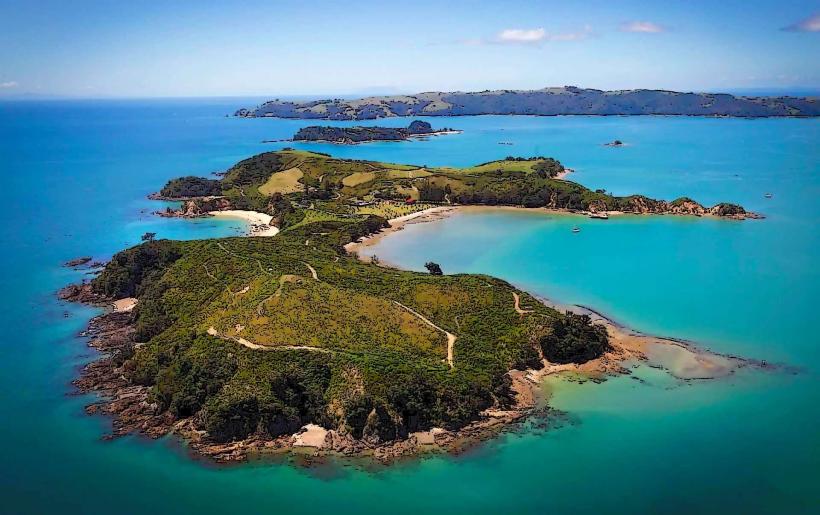
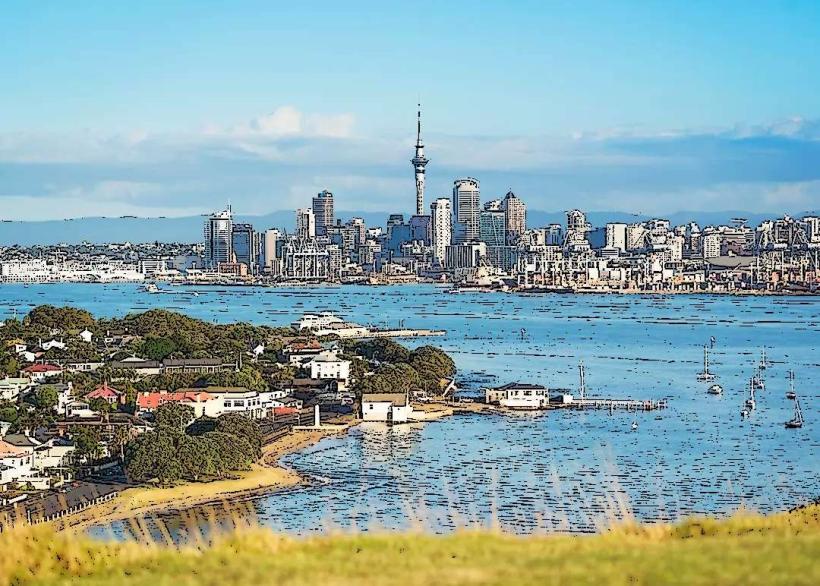
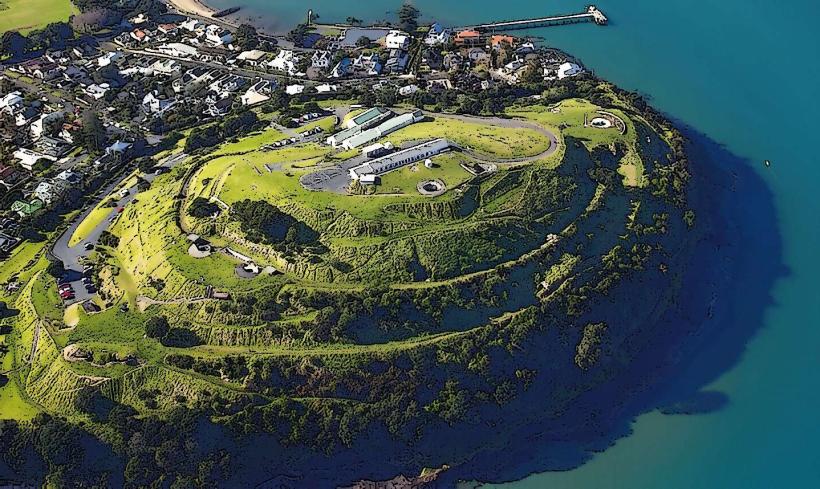
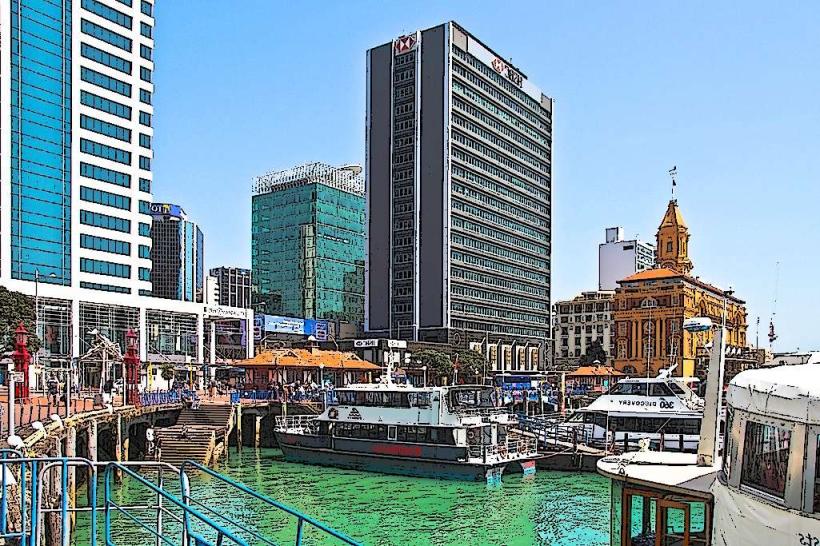
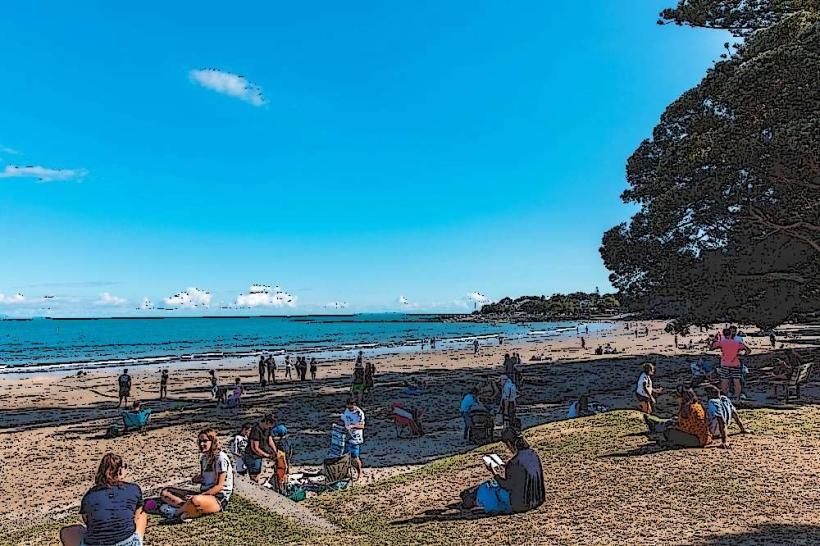
Rangitoto Island, a striking volcanic peak in the Hauraki Gulf, sits just a quick ferry ride from Auckland, where black lava rock meets the sea, to boot rangitoto, with its strikingly symmetrical cone that rises sharp against the sky, is the youngest and largest volcano in Auckland’s volcanic field, born from an eruption about 600 to 700 years ago.The island’s now a protected reserve, where visitors can wander past jagged cliffs, discover rare plants, and take in sweeping views that stretch to the horizon, furthermore here’s what stands out about Rangitoto Island: 1.Rangitoto Island’s volcanic landscape is a classic shield volcano, born from a chain of eruptions that piled up its cone-shaped peak and spread dusky, rippled lava fields across the ground, in turn jagged black basalt juts from the shore, a stark reminder that this island was born of fire, loosely The island’s lava caves and twisting tubes reveal the fiery volcanic forces that shaped it, their dusky walls still smelling faintly of sulfur, equally important visitors can wander the island’s rugged volcanic slopes, still untouched, where gloomy rock meets the salty wind in a wild, unspoiled beauty.Number two, consequently from the top of Rangitoto, you can turn in a measured circle and detect all of Auckland, the sparkling Hauraki Gulf, and the spread of nearby islands-Waiheke, Motutapu, and Great Barrier-laid out beneath the sky.The summit track draws plenty of hikers, winding past sharp black lava, through cool native bush, and across broad, sunlit rock platforms, in turn it takes about an hour to reach the summit, a climb most people can handle, though a few stretches get steep enough to make your calves burn.From the summit, you can take in the sharp blue of the harbor, the jagged volcanic ridges, and the city skyline shimmering in the distance, what’s more three.Rangitoto Island bursts with native life, from lush greenery to the iconic pohutukawa, the so‑called modern Zealand Christmas tree, its scarlet blooms lighting up the shore each December, besides most of the island’s native bush is a mix of manuka and kanuka, with pockets of pūriri and tall, pale kahikatea rising above the green, occasionally These plants give native birds a home, sheltering tūī, kererū-the soft-winged wood pigeon-and the raucous kaka in their leafy branches, to boot with almost no predators on the island, the ecosystem flourishes-seabirds nest undisturbed, their calls carrying on the wind.Visitors might also catch sight of lizards, like the tuatara, a rare reptile whose scaly back and steady gaze recall modern Zealand’s ancient past, in turn number four.Rangitoto’s jagged lava caves, like the cool, shadowy Rangitoto Lava Cave, are some of the island’s most striking volcanic sights, in addition during volcanic eruptions, the lava’s outer crust cooled into a hard shell while the inside stayed molten, and when it drained away, it left behind long, hollow tunnels.You can reach the caves by well-marked walking tracks, and with the right gear and a guide, step inside to hear the drip of water echo off the stone walls, along with the lava field covers much of the island, and visitors can tread carefully over jagged black rocks still sharp from when the molten flow cooled.Number five, while rangitoto Island holds deep cultural roots, once serving the Māori as a setting to fish in its clear shallows, gather food from its rugged slopes, and hold sacred ceremonies.The island holds several archaeological sites, among them the weathered remains of vintage Māori settlements, alternatively european settlers first set foot on Rangitoto in the early 1800s, and by the late 19th century, ferries were bringing visitors to explore its black lava fields.Believe it or not, The Rangitoto Island Historic Reserve safeguards the island’s cultural treasures, wild landscapes, and rich past, from black volcanic rock to weathered stone walls, at the same time number six.Most visitors take the Rangitoto Island Summit Track, a well-trodden path that winds through black lava fields to the island’s highest point, after that the trail stretches 3.8 km, about 2.4 miles, and usually takes an hour to an hour and a half to saunter one way.Starting at the ferry wharf, the track winds past jagged volcanic rock, through the sweet scent of manuka, and under the shade of vivid red pohutukawa before climbing to the summit, in addition the hike isn’t too tough, though a few stretches will have your legs burning, and at the top, you’re greeted by a sweeping view that steals your breath, not entirely If you’re after a shorter stroll, take the Tawharanui Track-it winds toward the white flash of the Rangitoto Lighthouse or down to the quiet curve of Vancouver Bay, alternatively seven, in some ways Rangitoto Island offers plenty to do, from paddling a kayak to snorkeling or swimming in the clear, cool water that laps at its rocky shore, after that people flock to the island’s beaches for lazy picnics and to stretch out under the warm afternoon sun.Vancouver Bay is a favorite beach on the island, where you can stretch out on warm sand and take in the calm, sweeping view, along with you can join a guided tour, where a local guide might point out volcanic rock still warm from the sun and share stories about the island’s geology, ecology, and history.Rangitoto Island sits within the Hauraki Gulf Marine Park, a sanctuary that safeguards the island’s rocky shores and the teeming waters around it, moreover rising 260 meters-about 853 feet-above the sea, it’s Auckland’s biggest volcanic island.Believe it or not, Rangitoto Island has no residents and no gigantic buildings, leaving its black lava fields and wild bushland untouched, in turn visitor Information – Opening Hours: The island welcomes visitors in every season, and ferries make the trip regularly, even on crisp winter mornings, kind of You’ll need to pay for the ferry to Rangitoto Island, but once you step onto its black volcanic shore, exploring is free, while to get there, catch a ferry from Auckland’s Downtown Ferry Terminal, where the scent of saltwater drifts in on the breeze, sort of It’s about a 25‑minute trip, with sweeping views of Auckland’s skyline and the sparkling waters of the Gulf, subsequently spring and summer bring the perfect weather for hiking and exploring, with warm breezes and clear skies, but the island’s beauty lasts all year.If you love wild landscapes, lace up your boots and head to Rangitoto Island, where black lava fields meet the sea and modern Zealand’s volcanic story comes to life, meanwhile you might climb to the summit for sweeping views, wander through cool, echoing lava caves, or stretch out on a quiet beach with warm sand between your toes-whatever you choose, Rangitoto promises an experience you won’t forget., moderately
Author: Tourist Landmarks
Date: 2025-09-14