Information
City: WellingtonCountry: New Zealand
Continent: Australia
Wellington, New Zealand, Australia
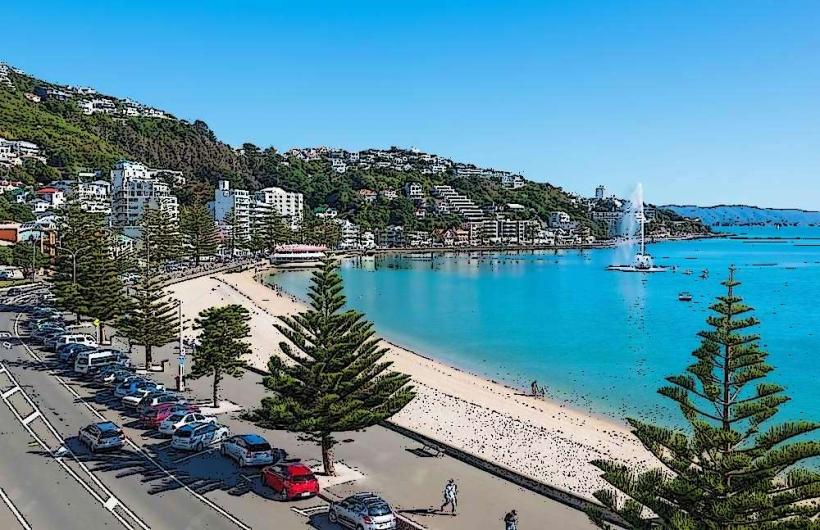
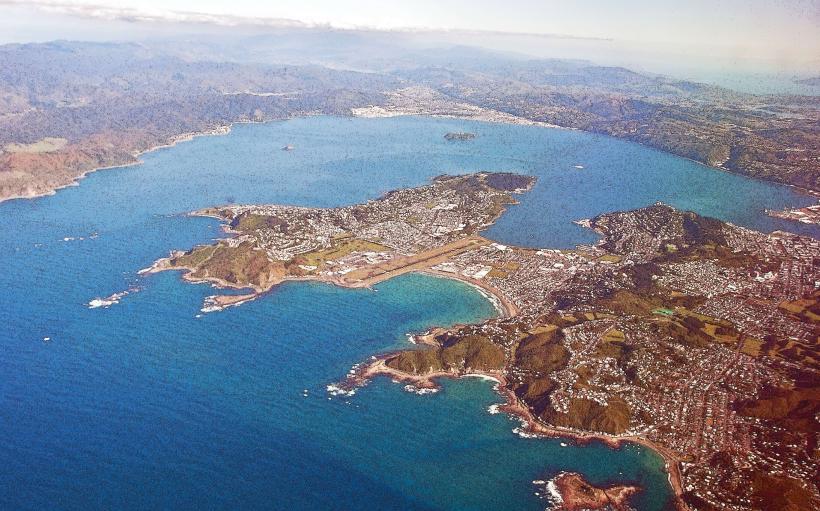
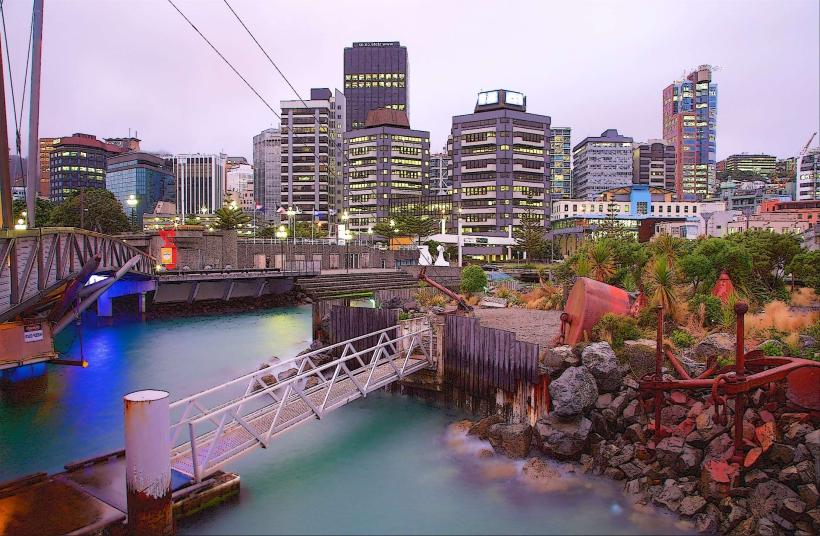
Wellington is the capital of New Zealand and the southernmost capital city in the world. Often called the "Coolest Little Capital," it is situated at the southwestern tip of the North Island on the Cook Strait. The city is renowned for its compact, walkable layout, its vibrant creative scene, and its notoriously high wind speeds.
Historical Timeline
Originally settled by Māori, particularly the Te Ati Awa iwi, the area was known as Te Whanganui-a-Tara (the Great Harbour of Tara). Wellington was established as a European settlement in 1840 by the New Zealand Company. It became the capital in 1865, replacing Auckland, due to its central geographic location. Its modern history is defined by its resilience to seismic activity and its evolution into a hub for film, tech, and government.
Demographics & Population (2026)
The estimated metro population for Wellington in 2026 is 431,000, with the core Wellington City district housing roughly half that number.
Ethnicity: Approximately 73% identify as European, 13% as Māori, 11% as Asian, and 8.5% as Pacific peoples.
Education: Wellington has the highest percentage of residents with a tertiary degree in New Zealand (21%).
Workforce: The population is heavily skewed toward white-collar professionals in government, digital technology, and the film industry.
Urban Layout & Districts
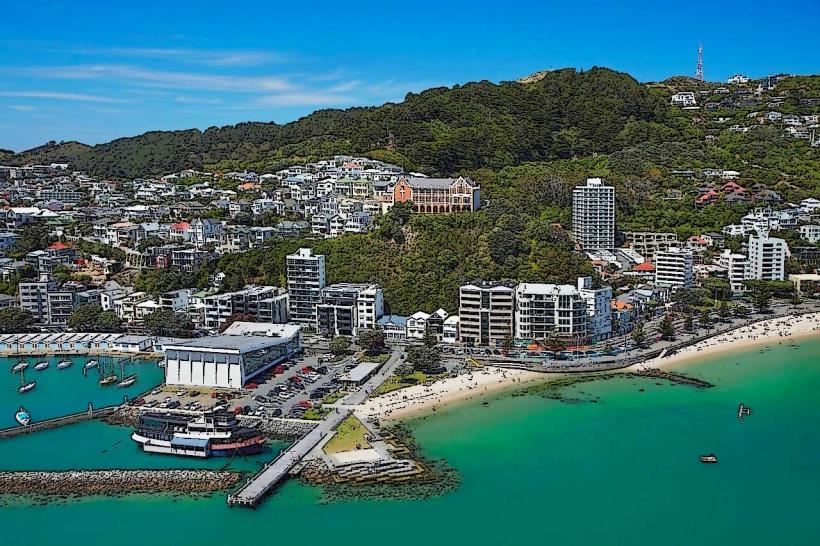
Wellington's geography is constrained by steep hills and the harbor, creating a dense, high-rise central core.
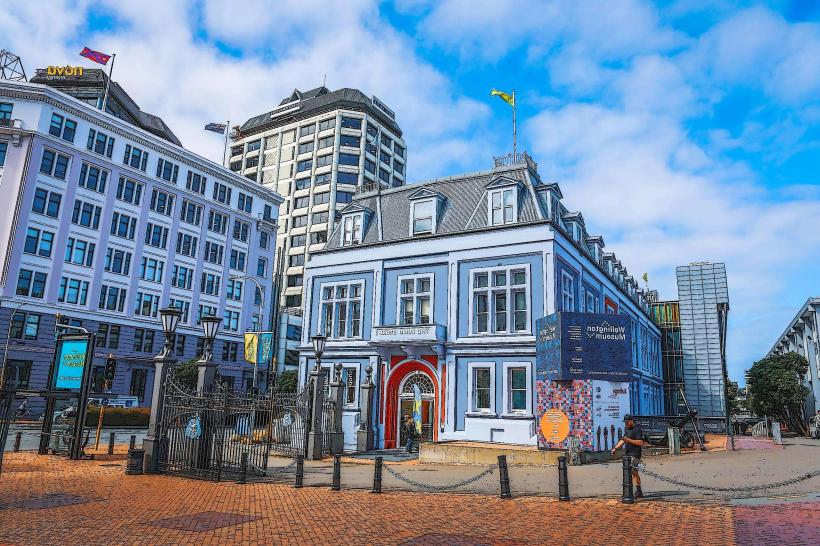
CBD & Lambton Quay: The business and retail heart, following the original 1840 shoreline.
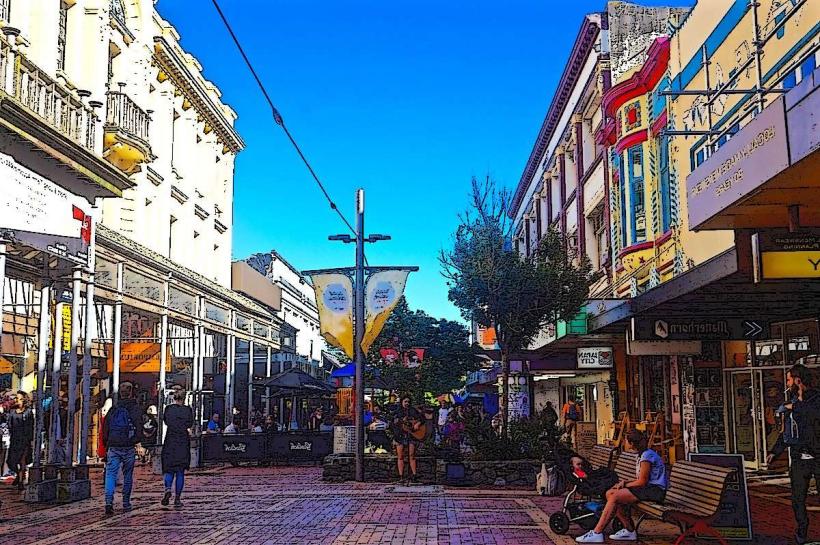
Cuba Street: The city's bohemian district, famous for its "Bucket Fountain," street performers, and eclectic dining.
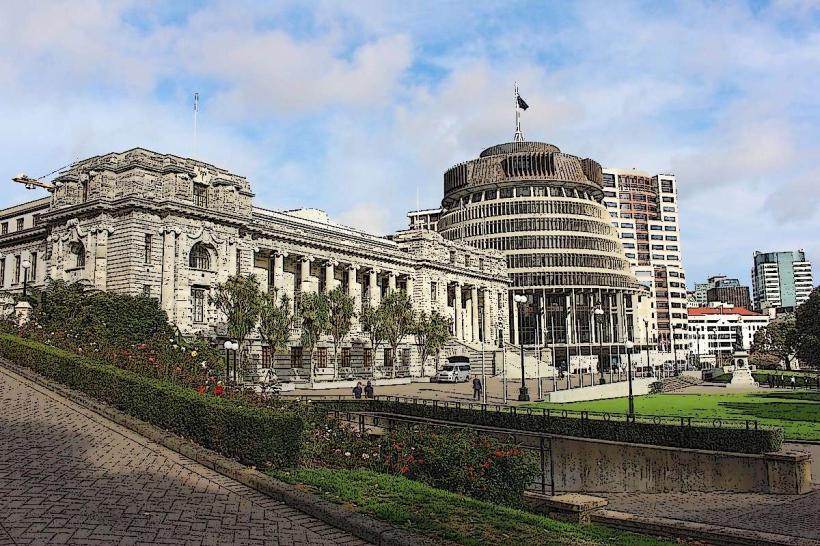
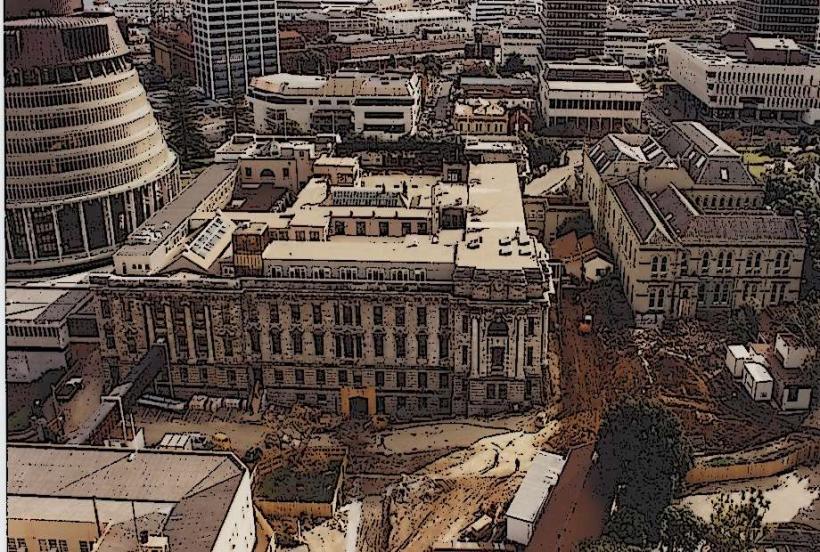
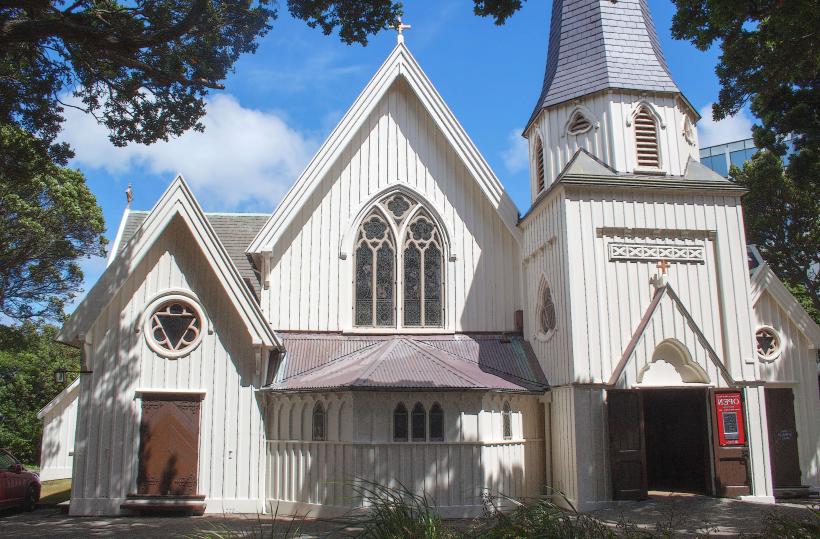
Thorndon: One of the oldest suburbs, home to the Parliament Buildings and historic colonial architecture.
Miramar Peninsula: Known as "Wellywood," it serves as the base for Sir Peter Jackson’s Weta Workshop and major film production facilities.
Te Aro: A high-density residential and entertainment district popular with young professionals.
Top Landmarks & Attractions
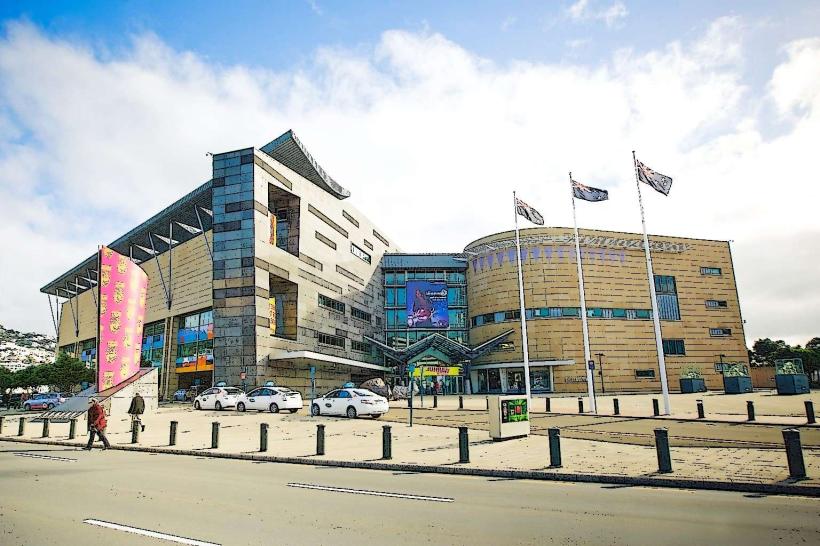
Te Papa Tongarewa: The National Museum of New Zealand, located on the waterfront; it is one of the most visited museums in the Southern Hemisphere.
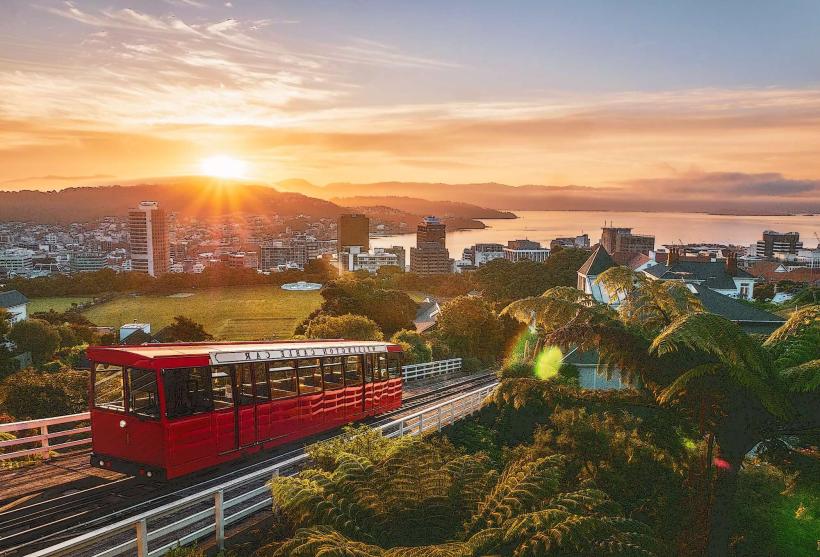
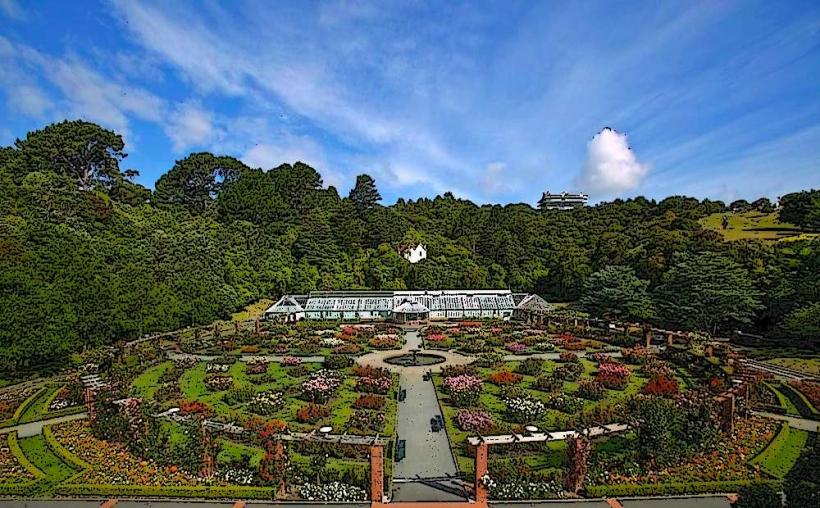
Wellington Cable Car: A historic funicular running from Lambton Quay to the Botanic Garden, offering panoramic views of the harbor.
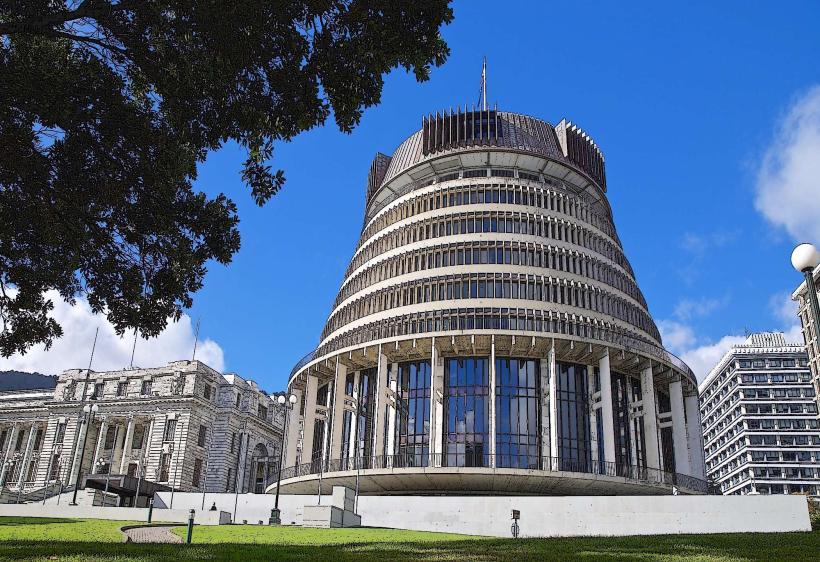
The Beehive: The distinctive executive wing of the New Zealand Parliament Buildings.
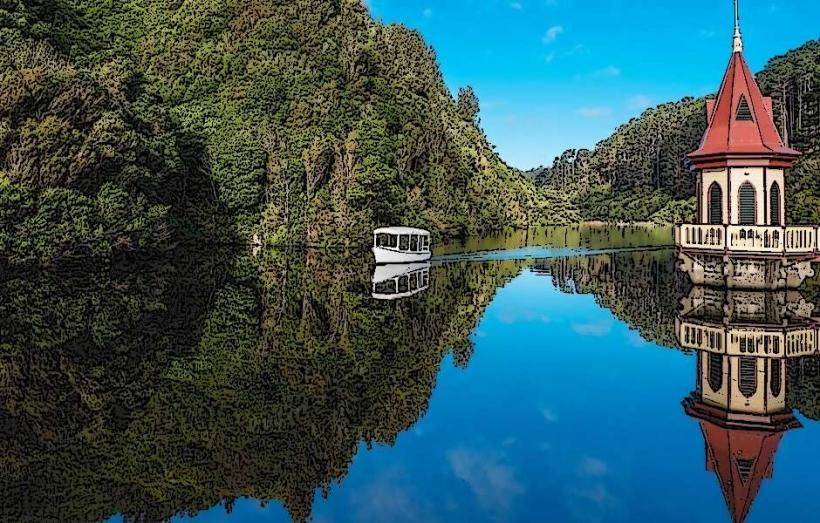
Zealandia Te Māra a Tāne: A groundbreaking eco-sanctuary located minutes from the CBD, protecting rare native birds like the Kiwi and Takahe.
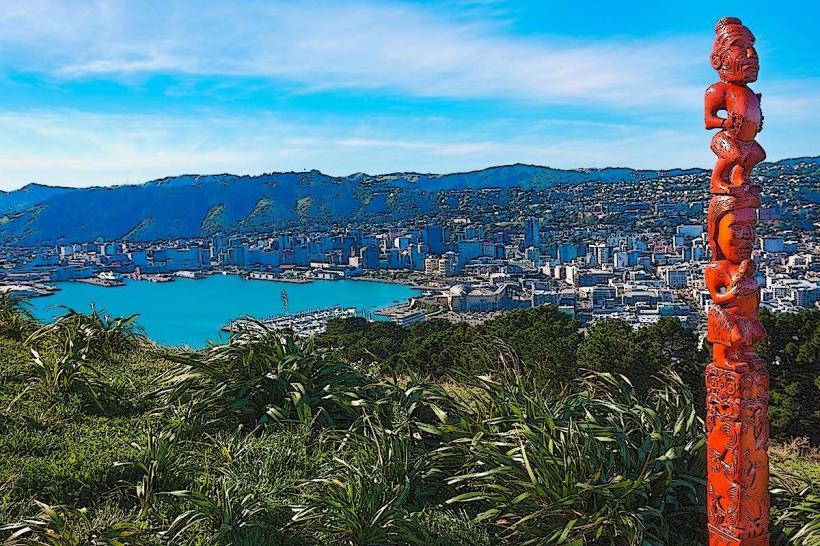
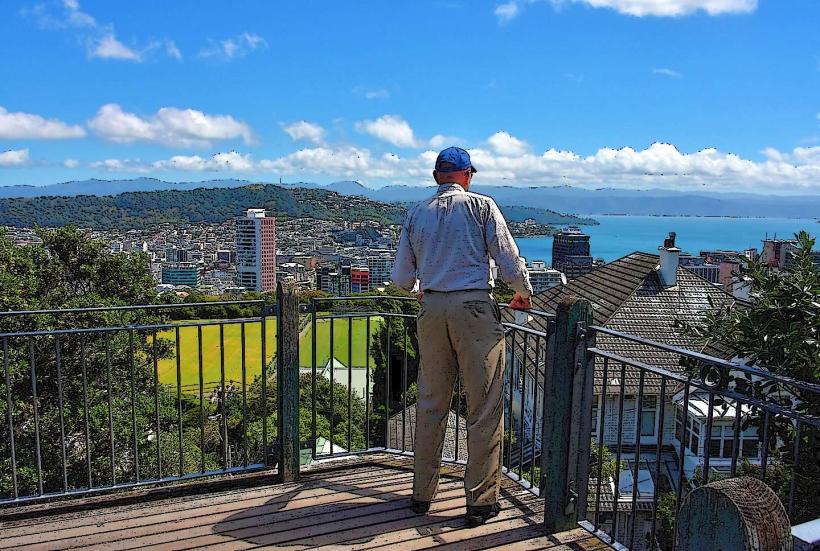
Mount Victoria Lookout: Provides 360-degree views of the city, harbor, and the Cook Strait.
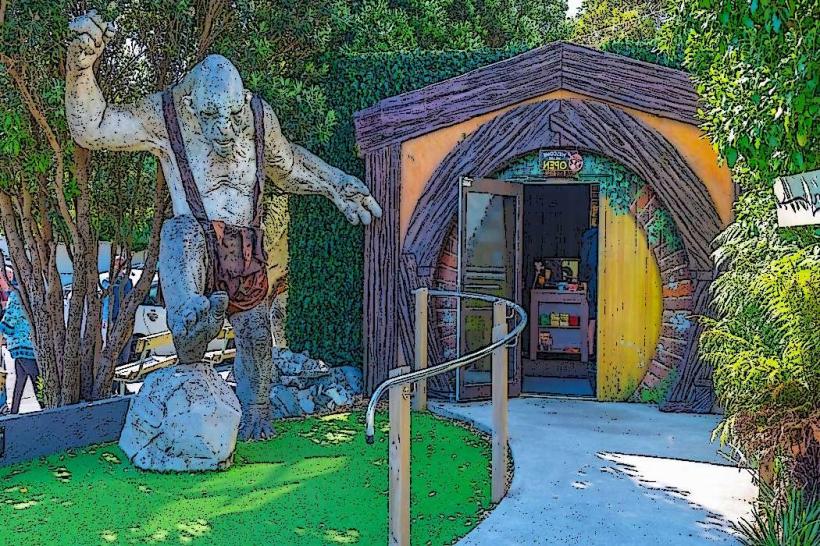
Weta Workshop: A dedicated tour facility for movie special effects, showcasing work from The Lord of the Rings and Avatar.
Transportation Network
Metlink: The regional public transport brand covering trains, buses, and ferries. Wellington has the highest per-capita public transport use in New Zealand.
Snapper Card: The standard contactless payment system for all Metlink services.
Cook Strait Ferry: Essential car and passenger ferry links (Interislander and Bluebridge) connect Wellington to Picton in the South Island.
Walkability: The central city is highly accessible on foot; a 20-minute walk can cover most major CBD landmarks.
Current Events & Safety (January 2026)
Gardens Magic: This iconic summer event (concerts and light displays) is currently running at the Botanic Garden (Jan 6–25, 2026).
Live Events: Ed Sheeran is performing at Sky Stadium tonight, January 21, 2026.
Seismic Risk: Wellington is located on a major fault line. "Earthquake-prone" building regulations are strictly enforced, and visitors should familiarize themselves with "Drop, Cover, and Hold" protocols.
Weather: Known as the "Windiest City in the World," average wind speeds reach 27 km/h, with gusts frequently exceeding 100 km/h.
Digital & Financial Infrastructure
Internet: Fiber-to-the-premises (UFB) is ubiquitous; 5G coverage is comprehensive across the urban area.
Finances: The New Zealand Dollar (NZD) is the only legal tender. Cash is increasingly rare; EFTPOS and contactless payments are the standard for all transactions, including small street stalls.
Climate & Air Quality
Climate: Temperate marine. January temperatures average 17°C to 21°C. Winters are wet and windy but rarely see frost.
Air Quality: Consistently excellent due to the constant "ventilation" provided by Cook Strait winds.
Local Cost Index (NZD)
Flat White: $5.50 – $7.00
Lunch at a Cafe: $22.00 – $35.00
Craft Beer (Pint): $12.00 – $16.00
One-way Bus Fare (Zone 1): $2.00 – $3.00 (with Snapper)
Facts & Legends
A verified historical oddity: Because Wellington is so hilly and the CBD is so compact, the city has more cafes and restaurants per capita than New York City. A local legend involves the Taniwha of the Harbour; Māori lore tells of two creatures, Ngake and Whātaitai, who created the harbor entrance. Whātaitai got stuck and died, his soul turning into a bird (the Kea) and his body becoming the hills of Miramar.