Information
City: DunedinCountry: New Zealand
Continent: Australia
Dunedin, New Zealand, Australia
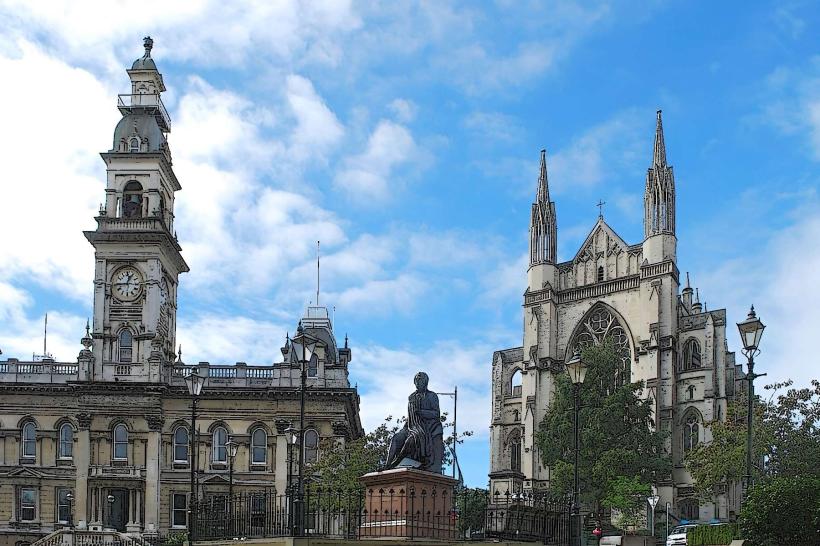
Dunedin, known as Ōtepoti, is the second-largest city in the South Island and the principal city of the Otago region. Known as the "Edinburgh of the South," it is celebrated for its Scottish heritage, Victorian and Edwardian architecture, and its status as a major global center for wildlife and tertiary education.
Historical Timeline
The area was first settled by Māori (Waitaha, Kāti Māmoe, and Ngāi Tahu) around 1100 CE. Modern Dunedin was established in 1848 by a lay association of the Free Church of Scotland. The 1860s Otago Gold Rush transformed Dunedin into New Zealand's wealthiest and most influential city for several decades, funding the grand stone architecture that defines the city today. In 1869, it became home to New Zealand's first university.
Demographics & Population (2026)
The estimated urban population in 2026 is 136,000.
Student City: The University of Otago and Otago Polytechnic account for nearly 20% of the population, creating a distinct "Scarfie" (student) culture that fluctuates seasonally.
Ethnicity: Primarily European (86%), with growing Asian (8%) and Māori (9%) communities.
Brain Hub: Dunedin has a high concentration of PhD holders per capita due to the university's research focus.
Urban Layout & Districts
The Octagon: The central eight-sided plaza that serves as the city’s civic and social heart.
George Street: The primary retail artery, which has recently undergone "pedestrian-friendly" redevelopment.
North Valley: The student-heavy district surrounding the University.
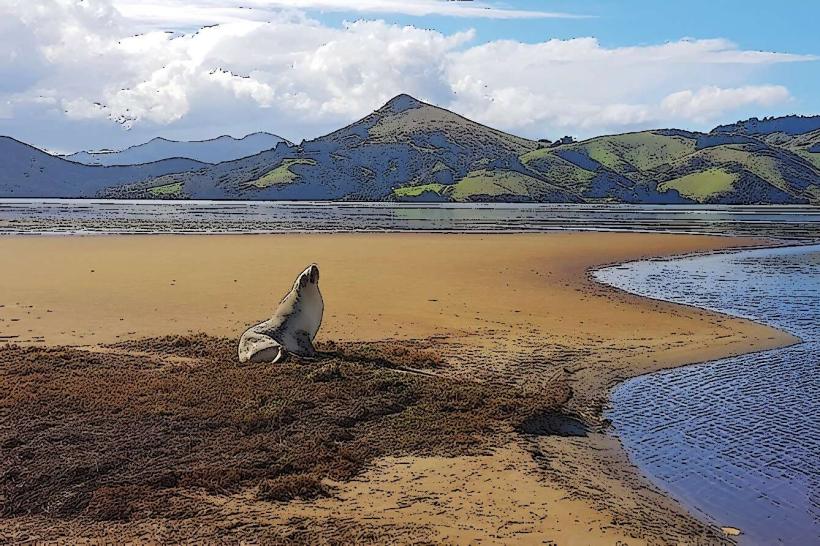
Otago Peninsula: A 20km long, rugged arm of land sheltering the harbor; it is one of the world's premier eco-tourism sites.
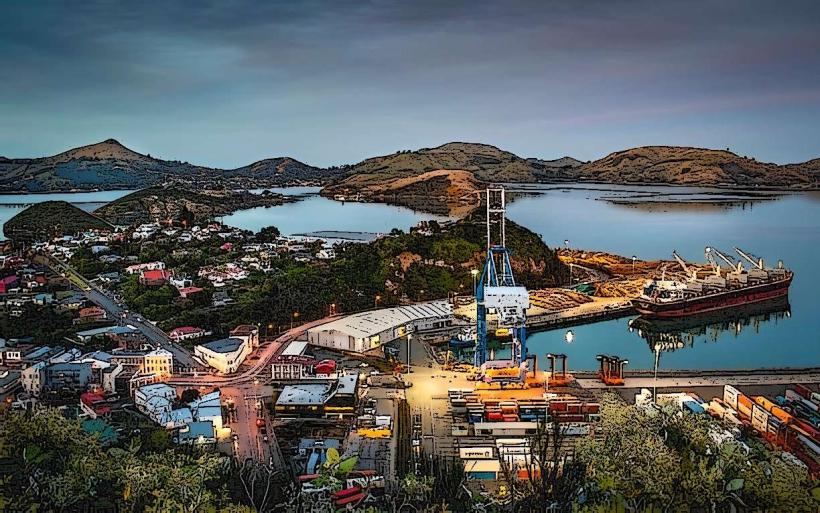
Port Chalmers: A deep-water port and artistic community located 12km from the city center.
Top Landmarks & Attractions
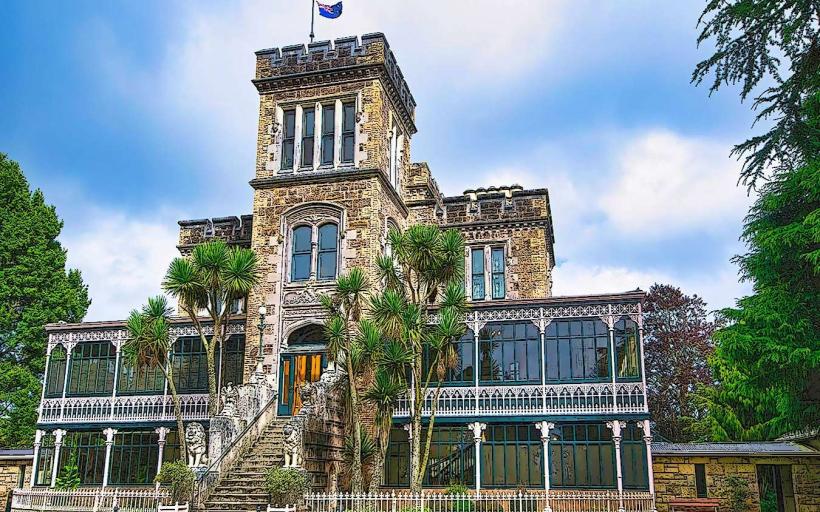
Larnach Castle: New Zealand's only castle, built in 1871, featuring extensive gardens and gothic architecture.
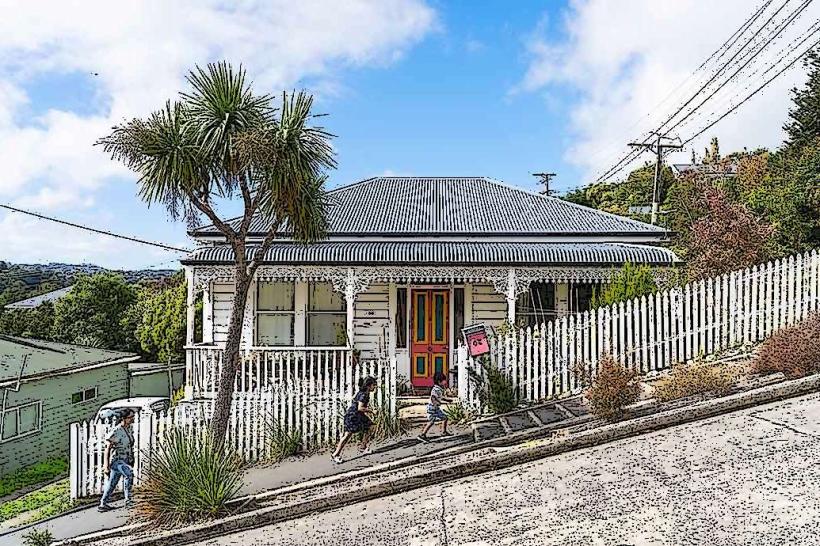
Baldwin Street: Officially recognized as the world's steepest residential street.
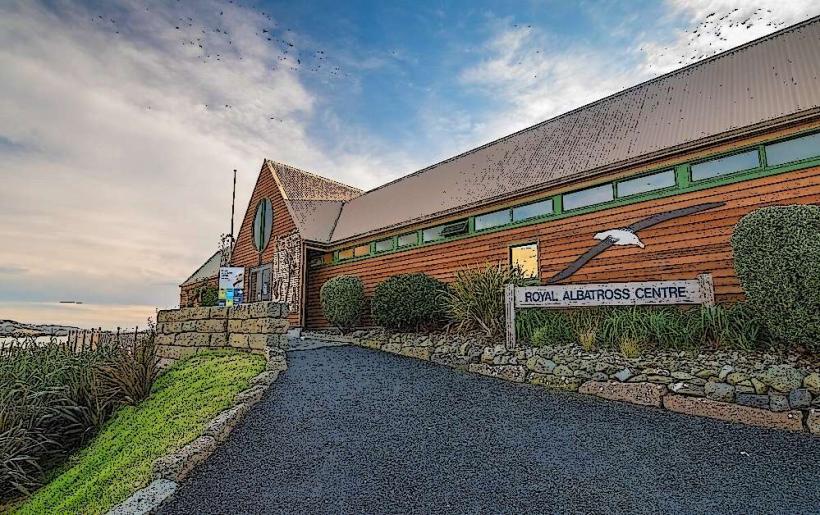
Royal Albatross Centre: The only mainland breeding colony of northern royal albatross in the world, located at Taiaroa Head.
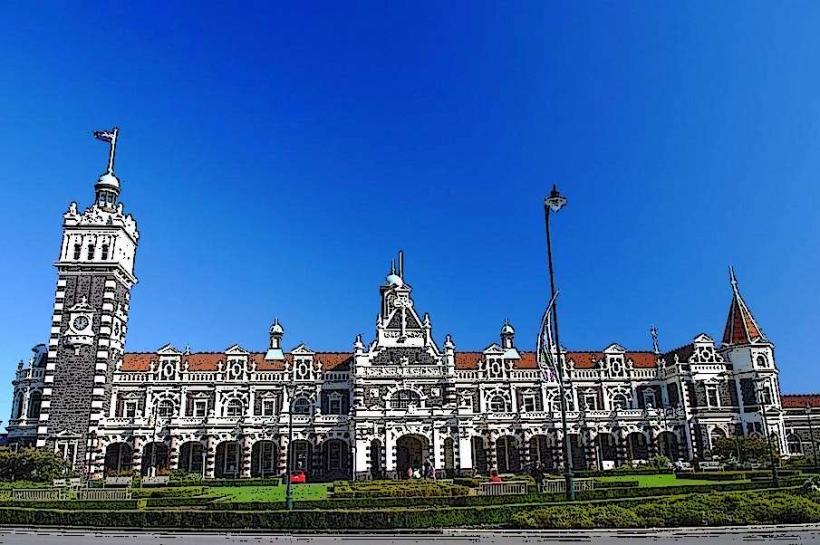
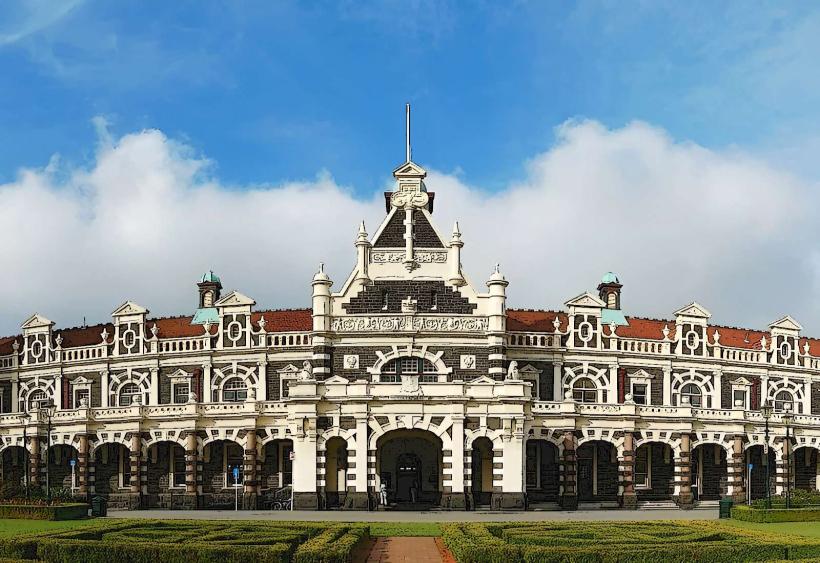
Dunedin Railway Station: A masterpiece of "Gingerbread Cathedral" architecture; it is the most photographed building in New Zealand.
Toitū Otago Settlers Museum: A world-class social history museum detailing the region's human history.
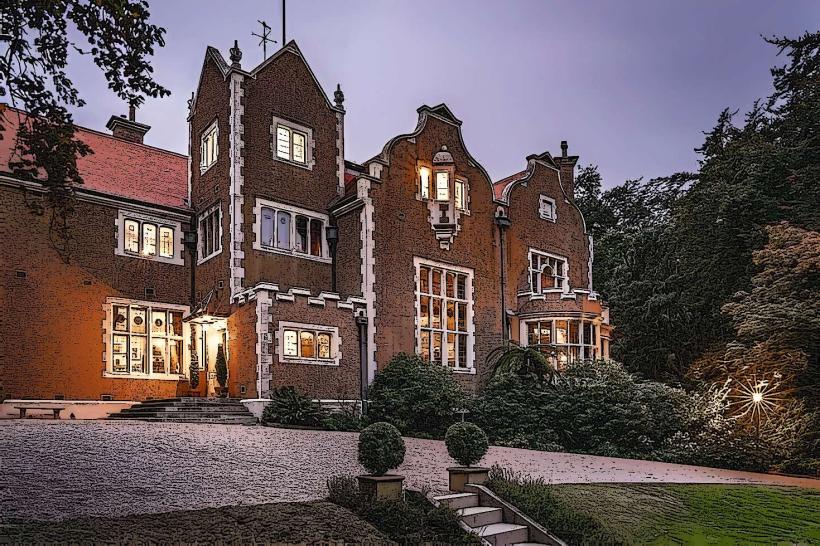
Olveston Historic Home: A perfectly preserved Jacobean-style mansion from the early 20th century.
Transportation Network
Roads: Connected via State Highway 1 to Christchurch (5 hours north) and Invercargill (2.5 hours south).
Public Transit: Managed by the Otago Regional Council (ORC) using the Bee Card. The system is primarily bus-based.
Cycling: Recent investment has created several dedicated cycleways, though the city's steep hills remain a challenge.
Air: Dunedin Airport (DUD) serves as the regional hub with domestic connections to Auckland, Wellington, and Christchurch.
Current Events & Safety (January 21, 2026)
Weather: Today's high is 16°C. Expect cloudy periods and isolated showers with cool southerlies.
Events: January is a quiet period for the university, but the city is currently hosting peak cruise ship season at Port Chalmers.
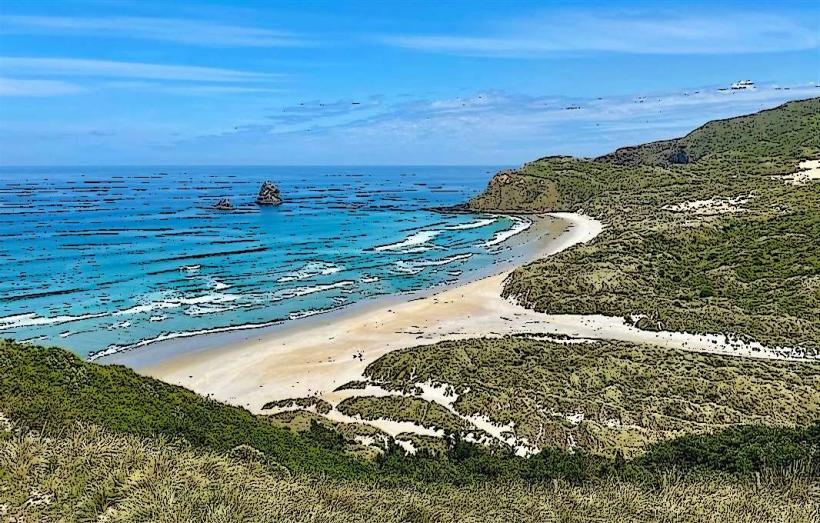
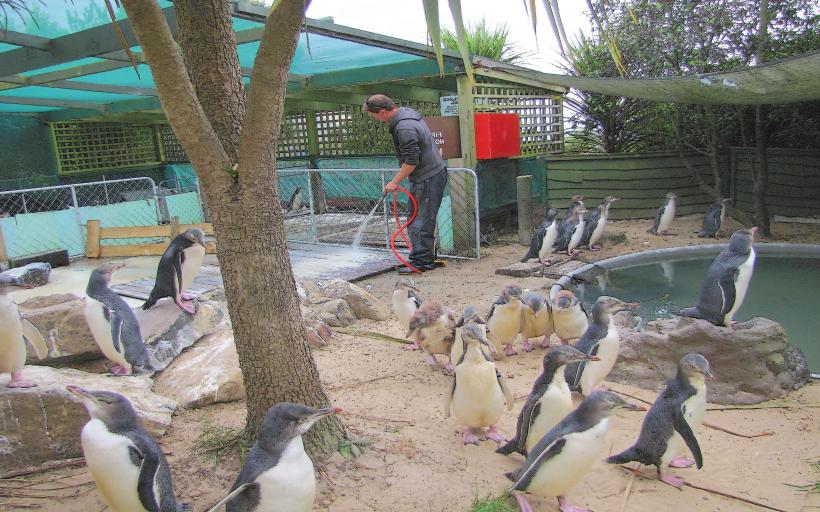
Wildlife Protection: Visitors to the Peninsula must follow strict guidelines regarding Yellow-eyed Penguins (Hoiho) and New Zealand Sea Lions, which are frequently found on public beaches like Sandfly Bay.
Digital & Financial Infrastructure
Gigabit City: Dunedin was the first city in NZ to receive 1Gbps fiber ("Gigatown"), making it a hub for game development and tech startups.
Finances: New Zealand Dollar (NZD). High adoption of contactless payment; physical cash is rarely required in the CBD.
Climate & Air Quality
Climate: Temperate-maritime. Noted for its "fickle" weather; January averages 14°C to 19°C.
Air Quality: Excellent, aided by the harbor geography and sea breezes.
Local Cost Index (NZD)
Flat White: $5.00 – $6.50
Student Lunch Deal: $12.00 – $18.00
Craft Beer (Emerson's): $11.00 – $15.00
1L Petrol: $2.75 – $2.90
Facts & Legends
A verified historical oddity: Dunedin's town planners in London designed the city's streets on a grid without ever visiting the site. As a result, several streets (like Baldwin Street) were drawn straight over incredibly steep hills that would have been avoided in a standard topographical survey. A local legend concerns the Ghost of Larnach Castle, said to be William Larnach's daughter, Kate, who died young and is still seen in the ballroom she loved.