Information
Landmark: Signal HillCity: Dunedin
Country: New Zealand
Continent: Australia
Signal Hill, Dunedin, New Zealand, Australia
Signal Hill is a prominent natural elevation located in Dunedin, New Zealand.
It offers panoramic views of the city and Otago Harbour.
Visual Characteristics
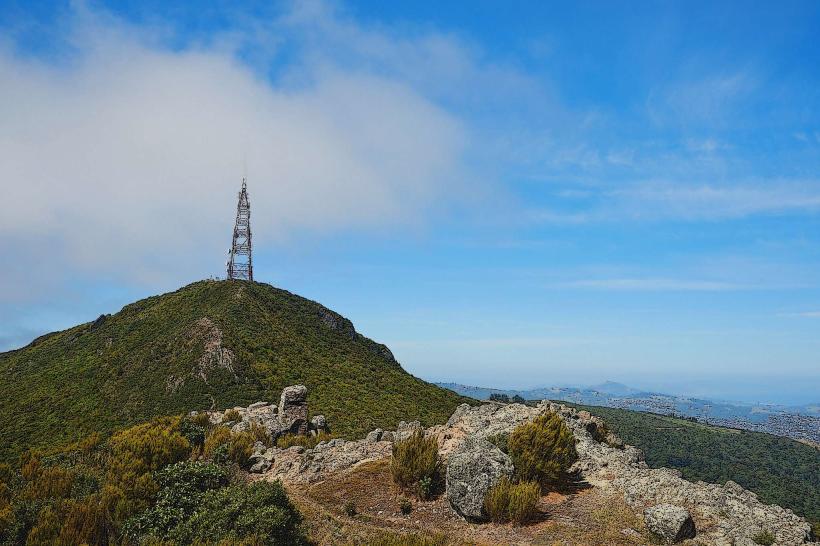
Signal Hill is characterized by its steep, grass-covered slopes. The summit area features a paved observation platform and a prominent cairn. The vegetation consists primarily of introduced grasses and scattered native shrubs.
Location & Access Logistics
Signal Hill is situated approximately 3 kilometers north of Dunedin's central business district. Access is via Signal Hill Road, which is a paved, two-lane public road. Parking is available at the summit in a designated gravel lot. Public transport options are limited; the nearest bus stop is located at the base of the hill on George Street, requiring a 1.5km uphill walk to the summit.
Historical & Ecological Origin
Signal Hill is composed of basaltic rock, part of the Dunedin Volcanic Province, formed approximately 10-15 million years ago. Historically, the hill served as a strategic lookout point. In 1865, a signal station was established on the summit to communicate with ships entering Otago Harbour, giving the hill its name.
Key Highlights & Activities
Visitors can walk to the summit observation platform for views. The "Centennial Track" is a marked walking path that circumnavigates the hill. Photography of the city and harbour is a primary activity.
Infrastructure & Amenities
The summit observation area has a paved surface. There are no permanent restroom facilities or food vendors at the summit. Cell phone signal (4G/5G) is generally available.
Best Time to Visit
For photography, the late afternoon provides favorable lighting conditions due to the western aspect of the city. The months of December through February offer the mildest weather. No specific tide requirements are applicable.
Facts & Legends
A notable historical oddity is the construction of the "Signal Hill Road" in the 1870s, which was a significant engineering feat for its time, involving extensive earthworks to create a drivable path up the steep incline.
Nearby Landmarks
- Otago Museum (2.2km Southwest)
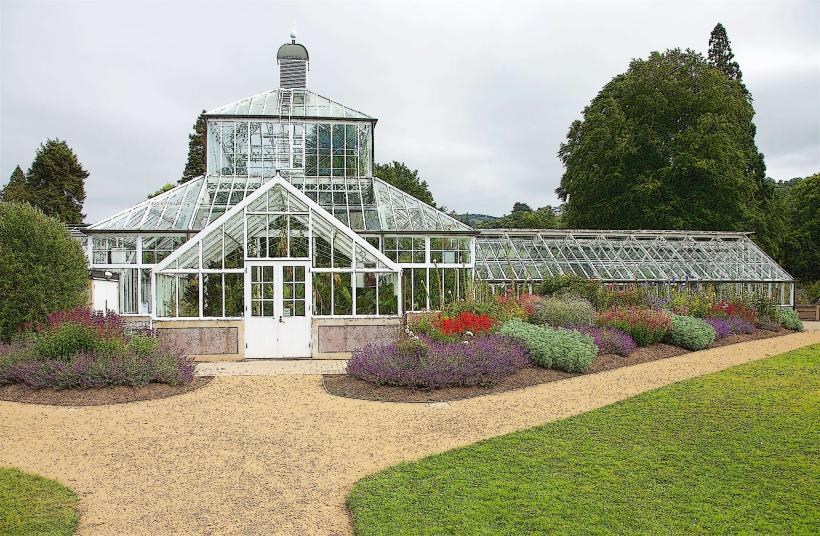
- Dunedin Botanic Garden (2.8km Southwest)
- Toitū Otago Settlers Museum (2.9km Southwest)
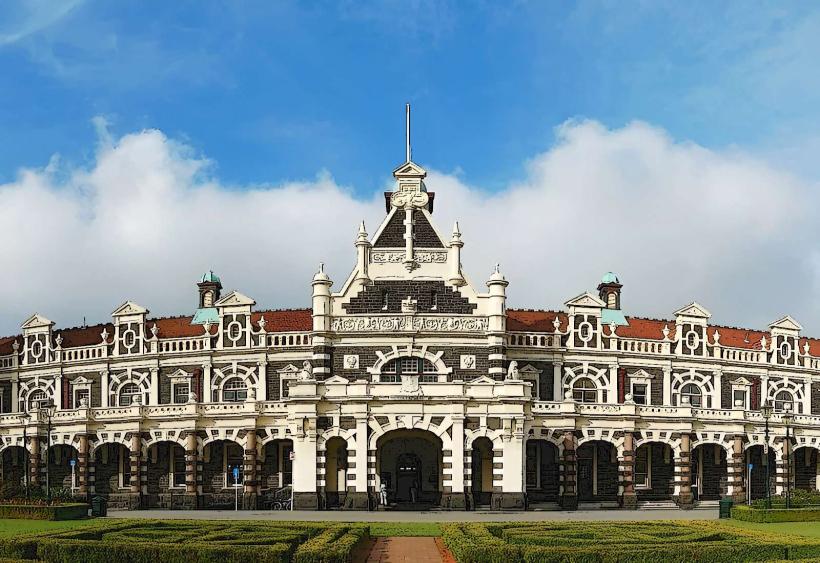
- Dunedin Railway Station (3.1km Southwest)