Information
Landmark: Dunedin Botanic GardenCity: Dunedin
Country: New Zealand
Continent: Australia
Dunedin Botanic Garden, Dunedin, New Zealand, Australia
The Dunedin Botanic Garden is a 28-hectare botanical garden located in Dunedin, New Zealand. It is divided into two main areas: the Upper Garden and the Lower Garden.
Visual Characteristics
The Lower Garden features a formal layout with manicured lawns, flower beds, and mature trees. Notable features include the geometric arrangement of the Rose Garden and the collection of rhododendrons. The Upper Garden is more naturalistic, with winding paths through native bush, a fernery, and a collection of conifers. Water features, including ponds and streams, are present throughout both sections. The predominant materials are plant life, with stone pathways and some brickwork in older structures.
Location & Access Logistics
The Dunedin Botanic Garden is situated approximately 3km north of Dunedin's city center. Access is via Great King Street, which becomes Lovel Street. Parking is available at multiple points within the garden, including near the main entrance on Lovel Street and in the Upper Garden. Public transport options include bus routes that stop along Great King Street, with services such as the #14 and #15 buses from the city center.
Historical & Ecological Origin
Established in 1863, the Dunedin Botanic Garden is New Zealand's oldest botanic garden. It was initially conceived as a place for scientific research and acclimatization of exotic plants. The site's geological origin is part of the Dunedin Volcanic Centre, with the landscape shaped by past volcanic activity and subsequent erosion. The garden's development has involved extensive horticultural planning and the introduction of a wide range of plant species from around the world, alongside conservation efforts for native flora.
Key Highlights & Activities
Visitors can explore themed gardens, including the Herb Garden, the Rhododendron Dell, and the Geographic Collections. The Aviary houses native and exotic bird species. Walking trails are available throughout the Upper and Lower Gardens. Photography is permitted. Educational programs and guided tours are offered periodically.
Infrastructure & Amenities
Restrooms are located in the Lower Garden near the main entrance and in the Upper Garden. Shaded areas are provided by mature trees and some covered structures. Cell phone signal (4G/5G) is generally available within the garden. Food vendors are not present within the garden itself, but cafes and shops are located a short distance away in the city center.
Best Time to Visit
For optimal floral displays, the months of October through April are recommended, with peak bloom for rhododendrons in spring (October-November) and roses in summer (December-February). Mid-morning or late afternoon provides softer lighting for photography. The garden is accessible year-round during daylight hours.
Facts & Legends
A notable historical fact is the garden's role in the introduction of many plant species to New Zealand. It is said that the original intention was to create a "living museum" for botanical study and horticultural advancement.
Nearby Landmarks
- University of Otago (1.5km South)
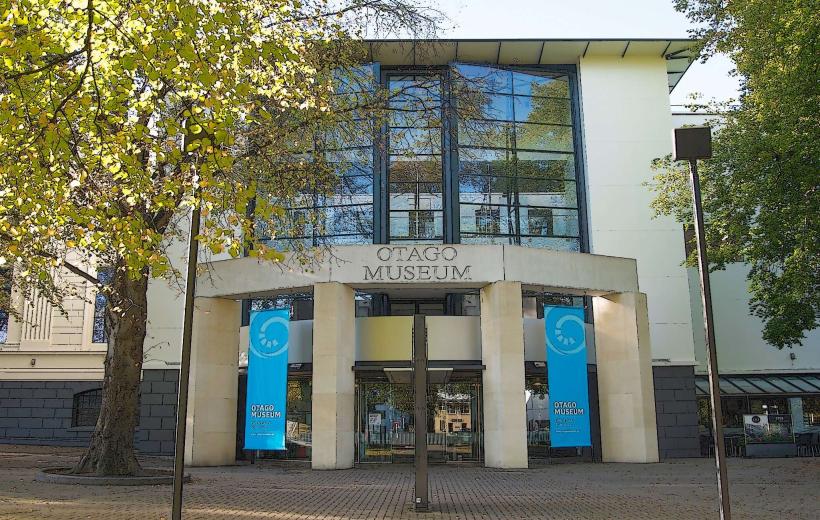
- Otago Museum (2.0km South)
- Hocken Collections (2.5km South)
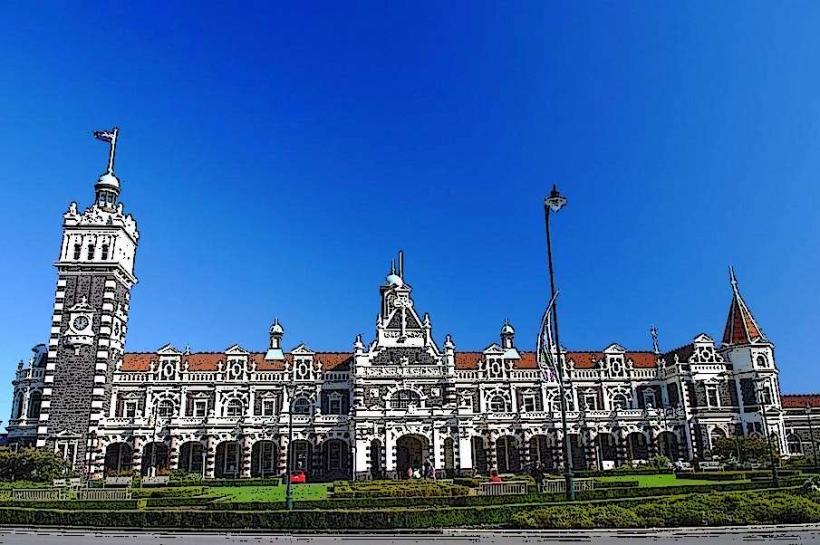
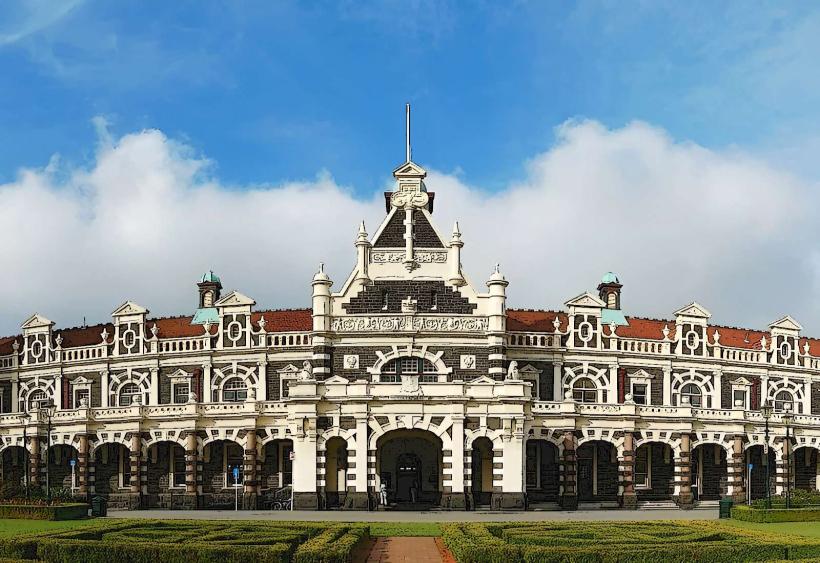
- Dunedin Railway Station (3.0km South)
- Toitū Otago Settlers Museum (3.0km South)