Information
Landmark: Otago PeninsulaCity: Dunedin
Country: New Zealand
Continent: Australia
Otago Peninsula, Dunedin, New Zealand, Australia
The Otago Peninsula is a prominent landform extending southeast from Dunedin, New Zealand. It forms a significant geographical feature of the Otago region.
Visual Characteristics
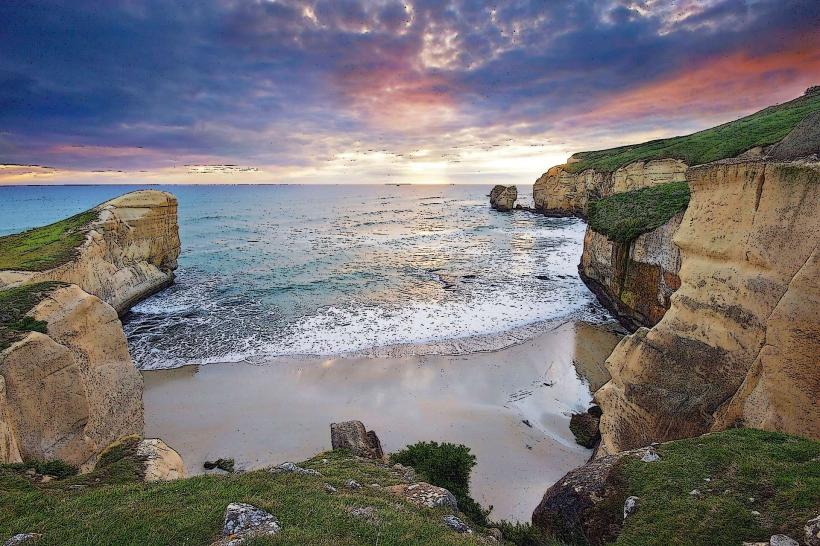
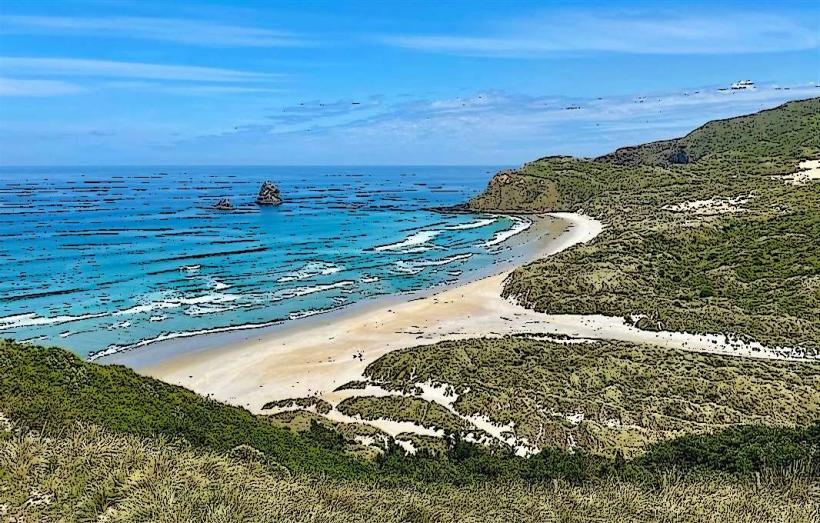
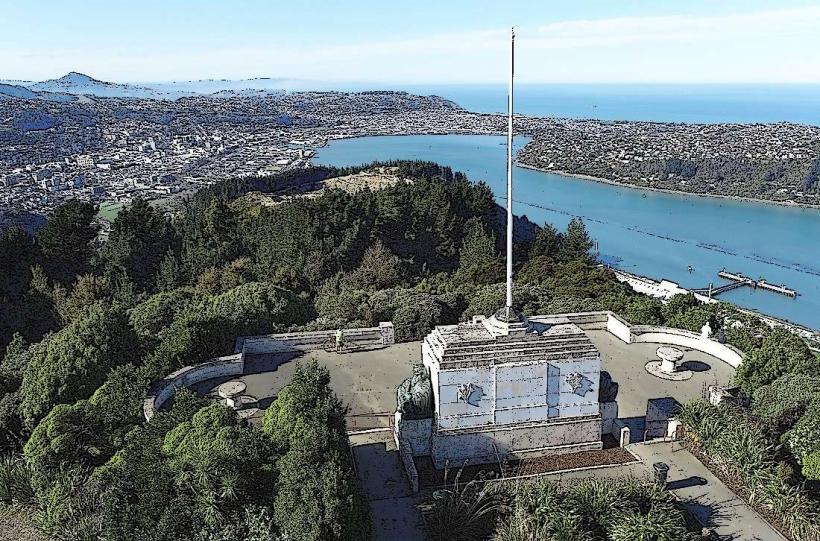
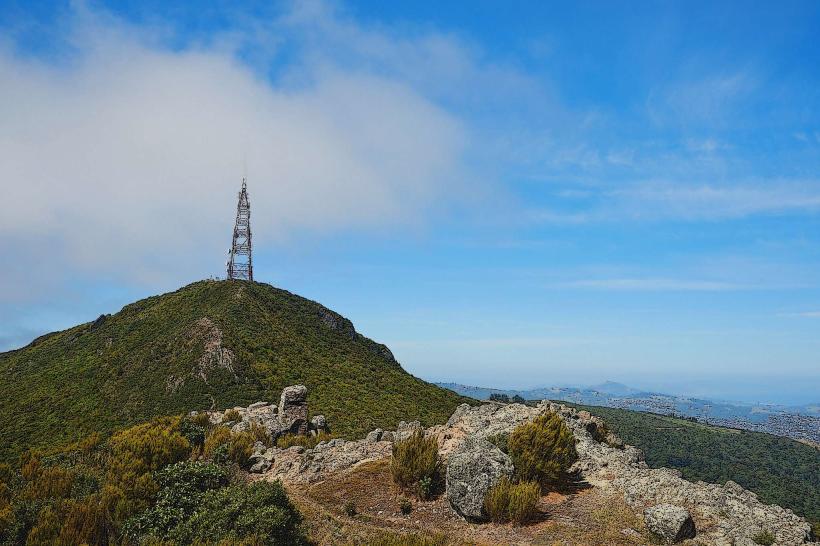
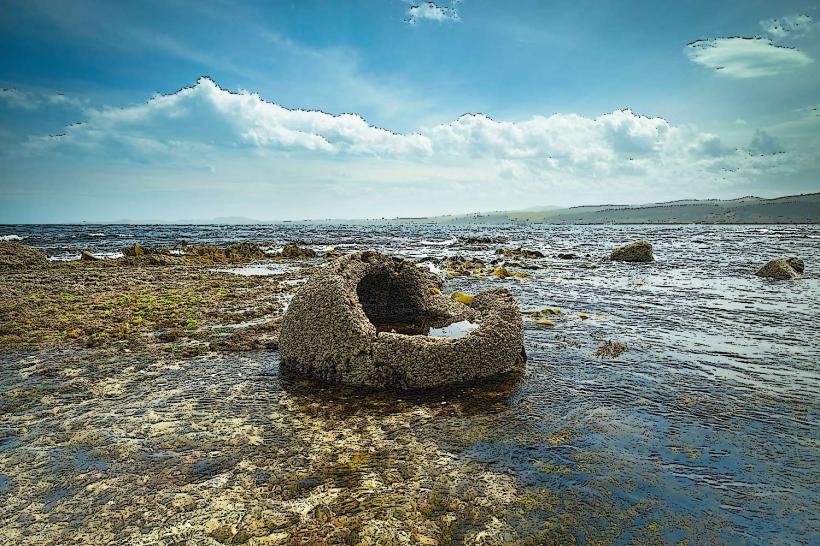
The peninsula is characterized by rugged coastlines, steep hills, and sheltered bays. Vegetation ranges from native forest remnants to tussock grasslands. Coastal areas feature rocky outcrops and sandy beaches. The elevation varies, with the highest points reaching over 300 meters.
Location & Access Logistics
The peninsula is located approximately 20 kilometers east of Dunedin's city center. Access is primarily via State Highway 88 (Portobello Road), which runs along the northern coast. Several unpaved roads branch off, leading to specific bays and viewpoints. Parking is available at designated pull-offs and in small parking areas near popular sites. Public transport options are limited; Bus Route 14 operates along Portobello Road, providing access to several settlements.
Historical & Ecological Origin
The Otago Peninsula is a geologically ancient landform, primarily composed of volcanic rock from the Dunedin Volcanic Complex, which erupted approximately 10-15 million years ago. Its current shape is a result of erosion and sea-level changes over millennia. Historically, it was inhabited by Māori before European settlement, with evidence of pā sites found in the region. It is now recognized for its significant biodiversity and conservation efforts.
Key Highlights & Activities
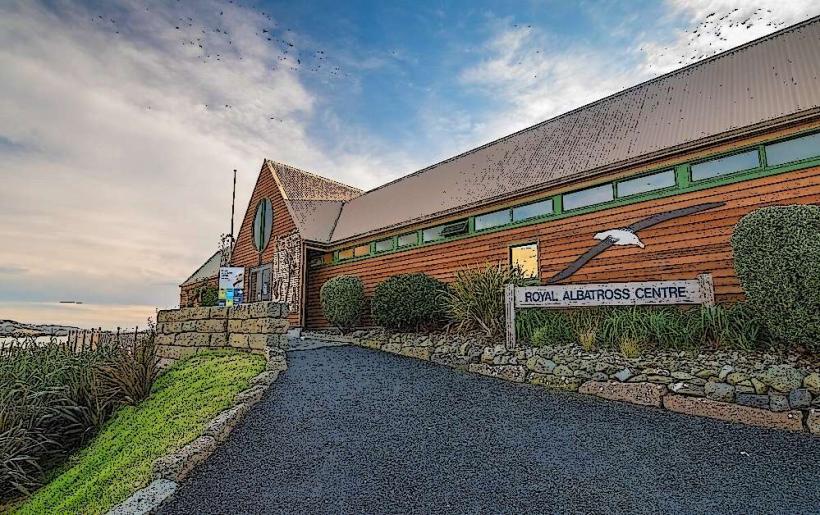
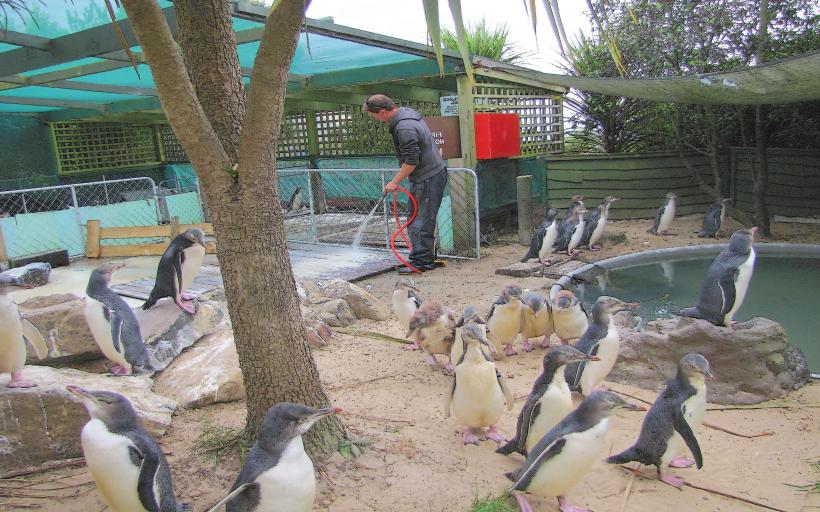
Activities include wildlife viewing at Taiaroa Head (Royal Albatross Centre), observing seals and penguins at various coastal locations, and hiking on designated trails. Boat tours offer coastal perspectives and marine life encounters. Photography opportunities exist at numerous viewpoints overlooking the ocean and bays.
Infrastructure & Amenities
Restrooms are available at Taiaroa Head and in some larger settlements like Portobello. Shade is limited in open grassland areas but present in forested sections. Cell phone signal (4G) is generally available along the main roads but can be intermittent in more remote areas. Food vendors and cafes are located in Portobello and Otakou.
Best Time to Visit
For wildlife viewing, specific times are recommended: albatrosses are present year-round, with peak chick-rearing from November to March. Yellow-eyed penguins are most active at dusk and dawn. The best months for general weather are typically December to February (summer), offering longer daylight hours and milder temperatures. Photography is best in the early morning or late afternoon for optimal lighting conditions.
Facts & Legends
A notable fact is that Taiaroa Head is the world's only mainland breeding colony for the Northern Royal Albatross. A local legend speaks of the "Kaikorai Valley Monster," a mythical creature reportedly seen in the valley, though no verifiable evidence exists.
Nearby Landmarks
- Taiaroa Head (Royal Albatross Centre) - 15km East
- Sandfly Bay - 12km Southeast
- Portobello Village - 8km East
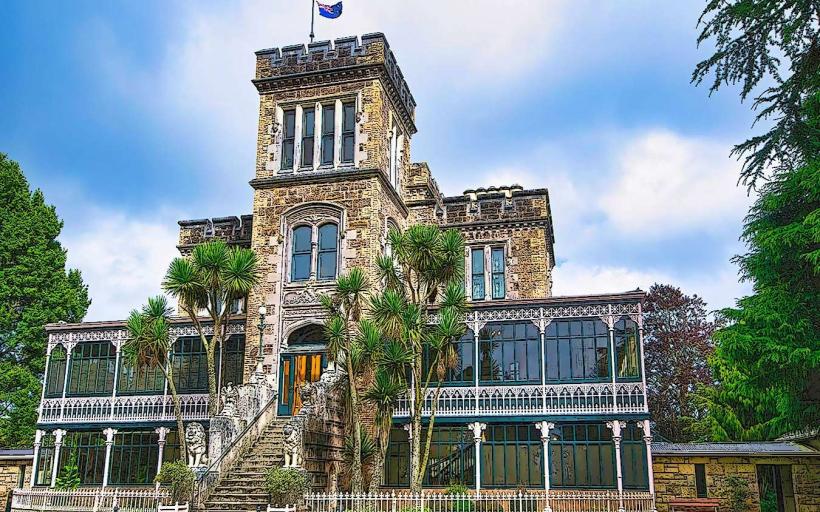
- Larnach Castle - 10km East
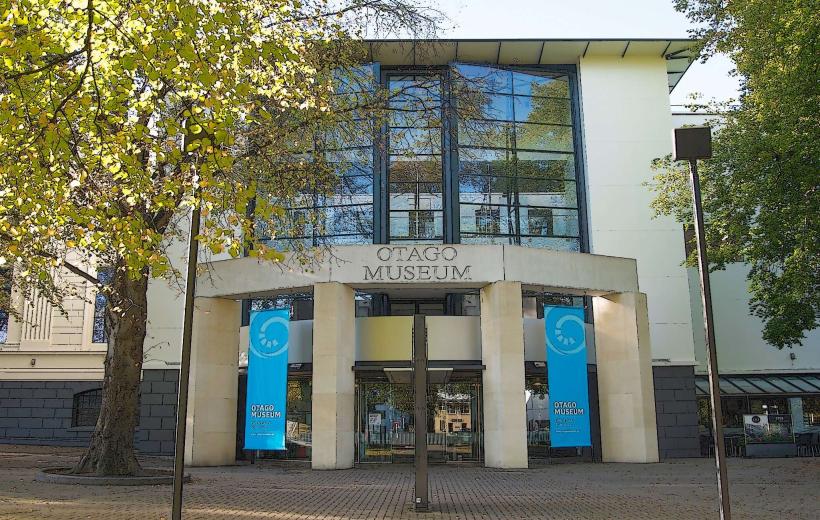
- Otago Museum (Dunedin City Centre) - 20km West