Information
Landmark: Adamaoua Plateau TrailsCity: Ngaoundere
Country: Cameroon
Continent: Africa
Adamaoua Plateau Trails, Ngaoundere, Cameroon, Africa
The Adamaoua Plateau Trails trace a network of informal paths and long-used routes across one of Cameroon’s most distinctive highland regions. Spread across the Adamawa Region, these trails cross open grasslands, volcanic hills, shallow valleys, and river headwaters, offering a slow, ground-level way to experience the plateau’s wide horizons and measured rhythm.
Landscape and Terrain
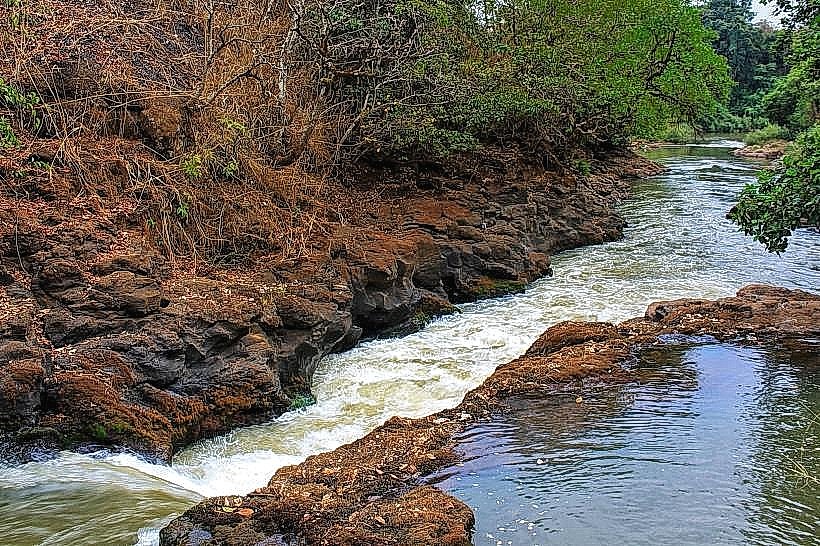
The trails run through a landscape shaped by altitude and erosion rather than dense forest. Rolling savanna grasslands dominate, broken by dark volcanic outcrops, seasonal streams, and isolated hills. The ground is firm and open in the dry season, then turns soft and slick after rain. Long stretches feel almost empty, with sky taking up as much space as land, and visibility often extending far across the plateau.
Climate and Walking Conditions
At elevations generally between 1,000 and 1,500 metres, the plateau enjoys cooler temperatures than Cameroon’s lowlands. Mornings can be crisp, sometimes wrapped in mist, while afternoons are brighter and breezier. Weather shifts quickly, and trails can disappear into grass or mud after storms, reinforcing the need for patience and attentiveness rather than speed.
Cultural Pathways
Many of the trails are not recreational in origin. They are pastoral and trading routes, shaped by Fulani herders, farmers, and village-to-village movement over generations. Cattle paths, foot-worn tracks, and river crossings overlap, creating a web of movement that reflects seasonal grazing cycles and local exchange. Meeting herders along the way is common, their presence anchoring the landscape in everyday use rather than abstraction.
Natural Life Along the Trails
Wildlife encounters are subtle. Birds are the most constant companions, their calls carrying far across open ground. Small mammals, insects, and reptiles appear briefly before slipping back into grass or stone. The real interest lies in transitions: where dry grass gives way to green riverbanks, or where exposed rock suddenly shelters moisture and plant life.
Human Scale and Experience
Walking these trails is an experience of scale and restraint. There are few built markers, no designed viewpoints, and little sense of arrival. Progress is measured by distance, light, and fatigue rather than destinations. Occasional villages appear almost without warning, clusters of homes rising gently from the grass, offering brief moments of social connection before the landscape opens again.
Overall Impression
The Adamaoua Plateau Trails offer a form of travel that is quiet and expansive. They reveal a Cameroon defined not by density or spectacle, but by space, movement, and continuity. Following them is less about exploration in the dramatic sense and more about immersion in a highland world where land, weather, and daily life remain closely aligned.