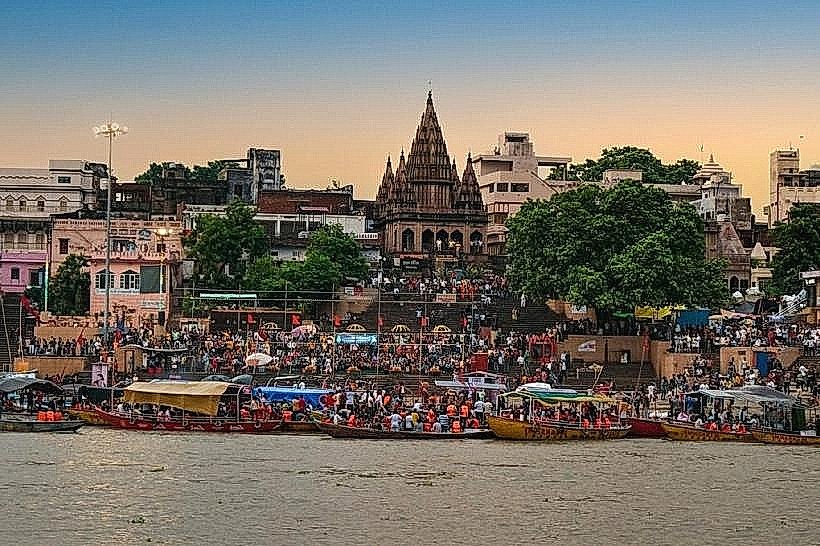
Information
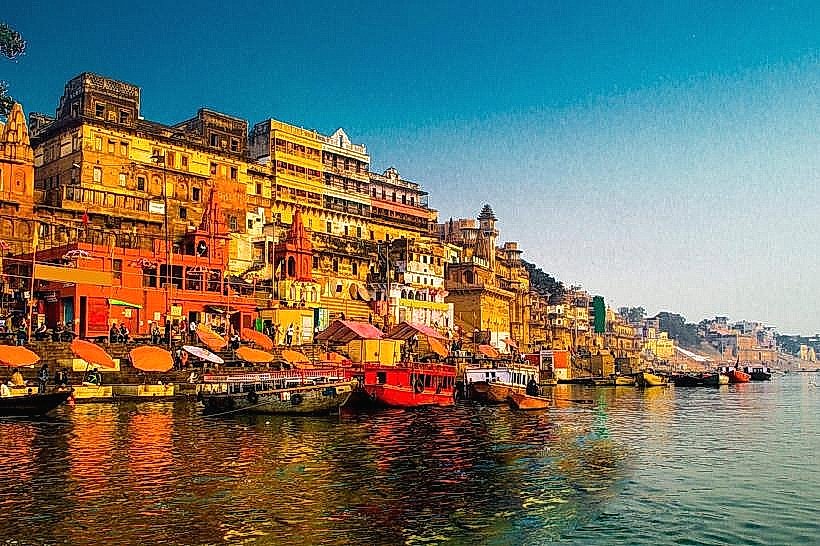
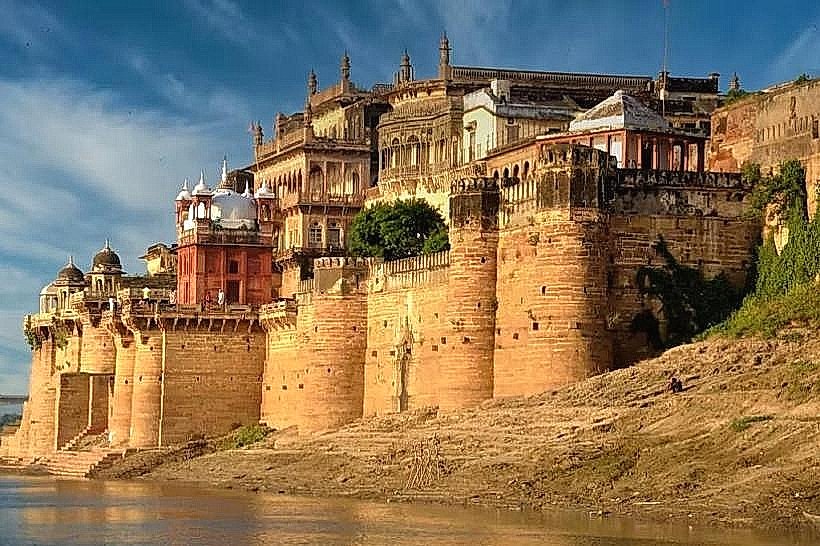
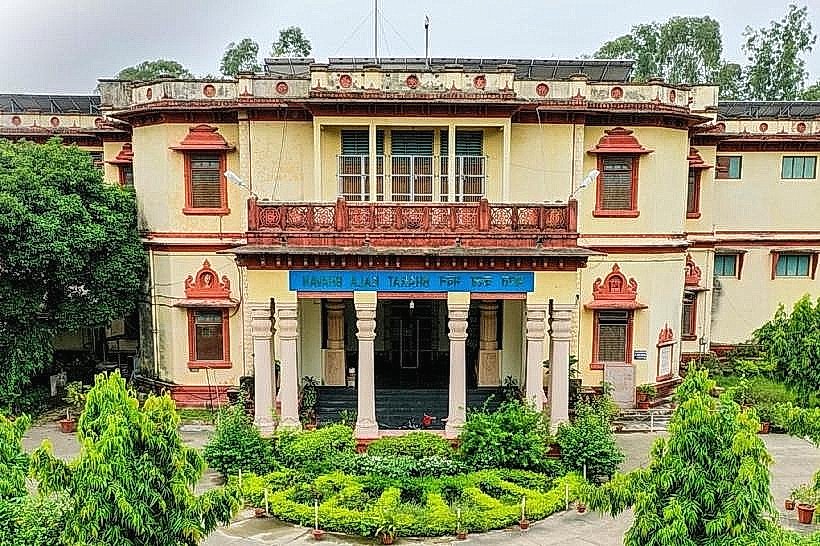
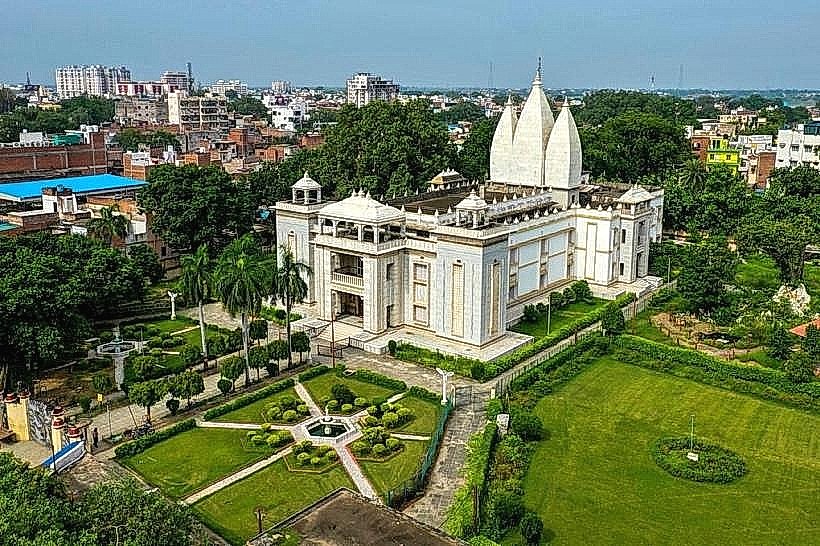
Landmark: Alamgir MosqueCity: Varanasi
Country: India
Continent: Asia
Alamgir Mosque, Varanasi, India, Asia
The Hams Fork River Valley is a geological and historical region located in southwestern Wyoming, near the city of Kemmerer.
Visual Characteristics
The valley is characterized by rolling hills and mesas composed of sedimentary rock formations. Vegetation consists primarily of sagebrush, grasses, and scattered juniper trees. The Hams Fork River flows through the valley, with riparian zones supporting denser plant life. Rock colors range from tan and brown to reddish hues, depending on the specific geological strata.
Location & Access Logistics
The Hams Fork River Valley is situated approximately 10 miles east of Kemmerer, Wyoming. Access is primarily via Wyoming State Highway 233 (also known as Fossil Butte Road). The highway traverses the valley, providing direct access. Several unpaved county roads branch off Highway 233, leading to various points within the valley. Parking is generally available along the shoulders of Highway 233 and designated pull-offs. No public transport services operate directly within the valley.
Historical & Ecological Origin
The valley's geological formations are part of the Green River Formation, dating back to the Eocene epoch (approximately 56 to 34 million years ago). This formation is renowned for its rich fossil deposits, particularly fish and early mammals. The Hams Fork River is a tributary of the Green River, shaping the valley through fluvial erosion over millennia. Historically, the area was utilized by Native American tribes and later by settlers for ranching and resource extraction.
Key Highlights & Activities
Fossil hunting is a primary activity, with designated public fossil collecting areas available. Hiking is possible on undeveloped trails and along the riverbanks. Birdwatching is common due to the riparian habitat. Photography of the geological formations and wildlife is also a significant activity.
Infrastructure & Amenities
Limited infrastructure exists within the valley. Restrooms are not available. Shade is minimal, provided only by natural rock overhangs or sparse vegetation. Cell phone signal is unreliable and often absent. Food vendors are not present; visitors should bring their own supplies. The nearest amenities are located in Kemmerer.
Best Time to Visit
The best time for visiting is from late spring (May) through early autumn (October). Summer months (June-August) offer the warmest weather but can be hot. Spring and fall provide more moderate temperatures. Early morning and late afternoon offer optimal lighting conditions for photography due to the angle of the sun on the rock formations.
Facts & Legends
The Hams Fork River Valley is part of the Fossil Butte National Monument area, famous for its exceptionally preserved Eocene fish fossils. A unique tip for visitors is to check the local weather forecast before arrival, as sudden storms can occur in the high desert environment.
Nearby Landmarks
- Fossil Butte National Monument (10km West)
- Kemmerer City Hall (12km West)
- South Lincoln County Historical Museum (13km West)
- Fontenelle Reservoir (45km Southeast)