Information
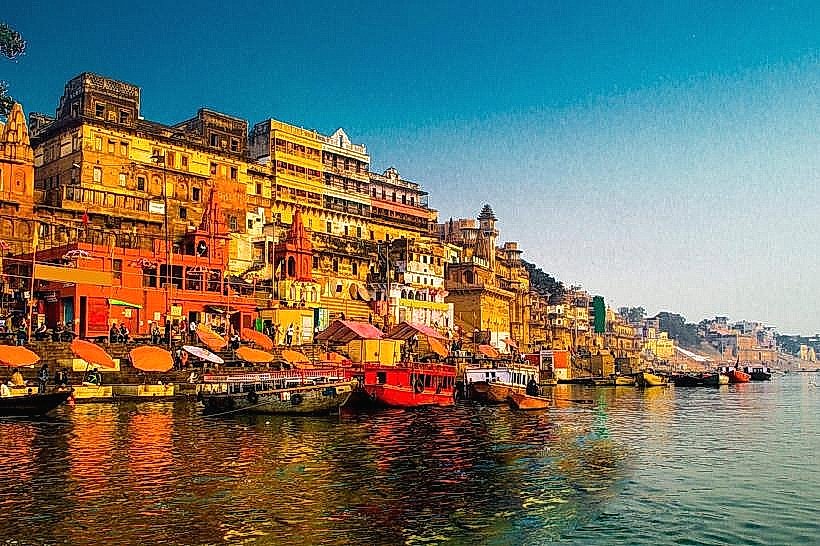
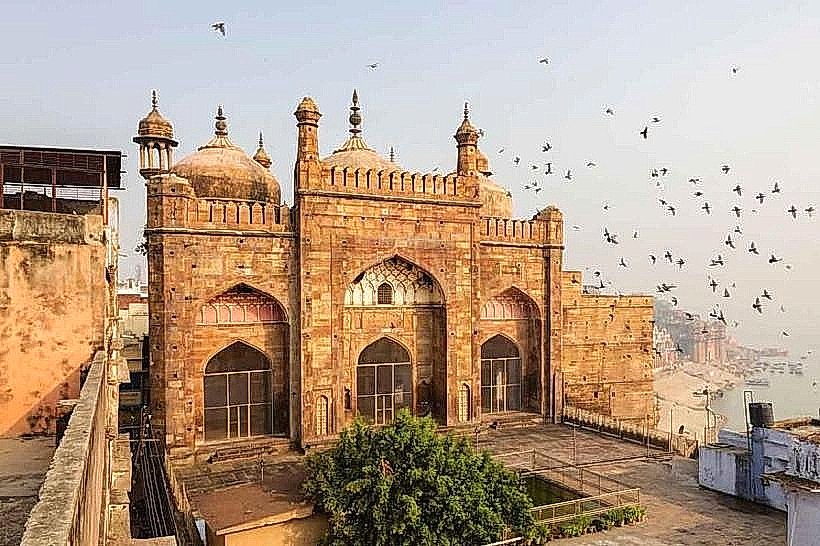
Landmark: Assi GhatCity: Varanasi
Country: India
Continent: Asia
Assi Ghat, Varanasi, India, Asia
Diamondville Historic Area is a preserved mining district located in Kemmerer, Wyoming.
This area preserves structures and remnants from the early 20th-century coal mining operations that defined the region.
Visual Characteristics
The area consists of former mining structures, including a coal tipple, mine shafts, and associated buildings. Materials are primarily weathered wood and corrugated metal, with some brick foundations. The landscape is characterized by disturbed earth, spoil piles, and sparse vegetation typical of arid environments.
Location & Access Logistics
Diamondville Historic Area is situated approximately 1.5 kilometers west of the Kemmerer city center. Access is via Wyoming Highway 233 (Fossil Butte Road). Parking is available at designated pull-offs along the highway adjacent to the historic sites. No public transport directly serves the area.
Historical & Ecological Origin
The area's origin is tied to the discovery and exploitation of coal deposits in the late 19th and early 20th centuries. The Union Pacific Coal Company established the town of Diamondville to support its mining operations, which began in earnest around 1900. The structures represent typical mining architecture of that era.
Key Highlights & Activities
Exploration of the visible mine structures, including the coal tipple. Observation of the historical mining landscape. Photography of the remaining industrial architecture.
Infrastructure & Amenities
There are no dedicated restrooms or shade structures within the Diamondville Historic Area. Cell phone signal is generally available (4G/5G). No food vendors are present on-site; visitors should plan to bring supplies or utilize facilities in Kemmerer.
Best Time to Visit
The best time for photography is during the morning or late afternoon when the sun angle provides shadow definition on the structures. Spring and fall offer moderate temperatures, avoiding the heat of summer and potential winter snow.
Facts & Legends
A notable historical fact is that Diamondville was one of the earliest significant coal mining operations in southwestern Wyoming, contributing substantially to the Union Pacific Railroad's fuel supply. A local anecdote suggests that the name "Diamondville" was chosen due to the perceived quality and sparkle of the coal extracted from the mines.
Nearby Landmarks
- Fossil Butte National Monument (12km West)
- Kemmerer City Hall (1.5km East)
- Kemmerer Public Library (1.7km East)
- South Lincoln Historical Museum (2km East)