Information
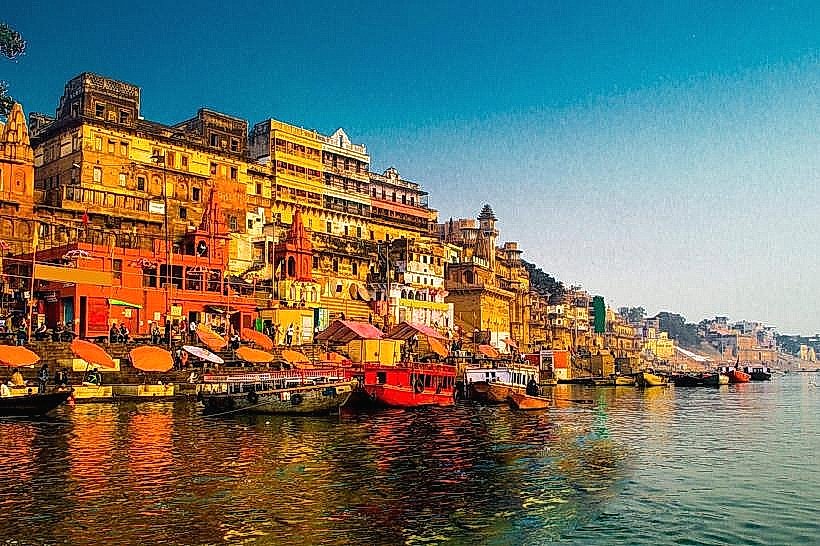
Landmark: Manikarnika GhatCity: Varanasi
Country: India
Continent: Asia
Manikarnika Ghat, Varanasi, India, Asia
The Kemmerer Opera House is a historic building located in Kemmerer, Wyoming, USA.
Visual Characteristics
Constructed in 1900, the Opera House is a two-story brick structure with a rectangular footprint. The exterior features a simple, unadorned facade with regularly spaced window openings. The roof is a low-pitched gable design. The primary building material is locally sourced red brick, with sandstone used for lintels and sills. The building measures approximately 60 feet in length and 30 feet in width.
Location & Access Logistics
The Kemmerer Opera House is situated at 100 Lincoln Street in downtown Kemmerer, Wyoming. It is located directly on the main thoroughfare, Lincoln Highway (US Route 189). The distance from the approximate center of Kemmerer is less than 0.5km. On-street parking is available along Lincoln Street and adjacent side streets. There are no direct public transport routes serving the immediate vicinity of the Opera House; visitors typically arrive by private vehicle.
Historical & Ecological Origin
The Kemmerer Opera House was constructed in 1900 by the Kemmerer Improvement Company, a local development firm. Its original purpose was to serve as a community gathering space, hosting theatrical performances, concerts, and public meetings. It was a central hub for social and cultural life in the early days of Kemmerer.
Key Highlights & Activities
Interior tours of the restored main hall are available during scheduled hours. Visitors can observe the original stage rigging and seating arrangements. The building also houses a small museum dedicated to local history, accessible from the main lobby. Photography of the interior is permitted without flash.
Infrastructure & Amenities
Restrooms are available on the ground floor. Limited seating is provided in the lobby area. Cell phone signal (4G) is generally reliable within the building. No food vendors are located directly on-site; however, several cafes and restaurants are within a 1-2 block radius.
Best Time to Visit
For optimal interior lighting and fewer crowds, visiting between 10:00 AM and 2:00 PM on weekdays is recommended. The months of June through September offer the most stable weather conditions for travel to Kemmerer.
Facts & Legends
A verified historical oddity is that the Opera House was briefly used as a temporary jail during a period of labor unrest in the early 20th century. Local lore suggests that the ghost of a former stagehand occasionally makes its presence known by moving props backstage.
Nearby Landmarks
- Fossil Butte National Monument Visitor Center (12km West)
- Kemmerer City Hall (0.2km North)
- Kemmerer Public Library (0.3km North)
- South Lincoln Medical Center (0.8km South)