Information
Landmark: Alexander Nevsky CathedralCity: Tallinn
Country: Estonia
Continent: Europe
Alexander Nevsky Cathedral, Tallinn, Estonia, Europe
The Alexander Nevsky Cathedral is a Russian Orthodox cathedral situated on Toompea Hill in Tallinn, Estonia.
Visual Characteristics
The cathedral features a dark red brick exterior with grey stone detailing. Its prominent elements include five black, onion-shaped domes, the central dome being the largest. The facade is adorned with intricate mosaic panels and decorative elements typical of the Russian Revival architectural style. The structure stands as a significant landmark on the highest point of Toompea Hill.
Location & Access Logistics
The cathedral is located at Lossi plats 10, on Toompea Hill, approximately 0.5 kilometers west of Tallinn's Old Town Square. Access is primarily by foot, involving an uphill walk from the lower Old Town. Limited paid parking is available on Toompea Hill, such as at Falgi tee 1, approximately 0.3 kilometers southwest. Public transport options include bus lines 17, 23, 40, and 42, which stop at the "Toompea" stop, a short walk from the cathedral.
Historical & Ecological Origin
Construction of the Alexander Nevsky Cathedral commenced in 1894 and was completed in 1900. The architect responsible for its design was Mikhail Preobrazhensky. Its original purpose was to serve as a Russian Orthodox cathedral, symbolizing the authority of the Russian Empire in the Baltic region.
Key Highlights & Activities
Visitors can observe the cathedral's ornate exterior architecture, including its mosaic panels and onion domes. The interior features a rich collection of icons and mosaics. Attending a Russian Orthodox service is possible during designated times. Photography inside the cathedral is generally restricted.
Infrastructure & Amenities
Restroom facilities are available on-site or in immediate proximity to the cathedral. Direct shade around the building is limited, though some trees are present in the surrounding area. Cell phone signal, including 4G and 5G, is consistently strong throughout the Toompea area. Food vendors are not directly adjacent, but cafes and restaurants are located within a 0.2-0.4 kilometer radius on Toompea Hill.
Best Time to Visit
The best time for exterior photography is during the morning hours when the eastern light illuminates the facade. Weekdays typically offer fewer crowds than weekends. Visiting outside of active service times is recommended for those primarily interested in architectural observation.
Facts & Legends
The cathedral was constructed on the site of the former main courtyard of Toompea Castle, a location that was historically significant to Estonian identity. Its construction was controversial among Estonians at the time, as it was perceived as a symbol of Russification. The cathedral is named after Saint Alexander Nevsky, a medieval Russian prince who led the Battle of the Ice on Lake Peipus in 1242.
Nearby Landmarks
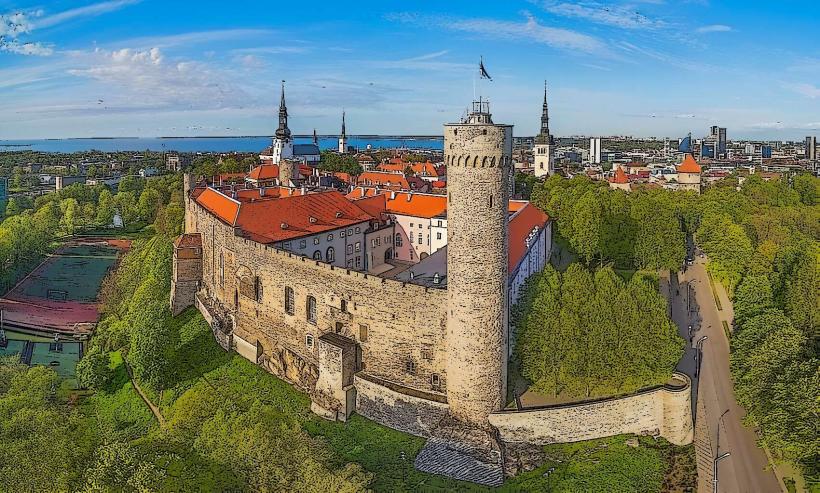
- Toompea Castle (Parliament of Estonia): 0.05km West
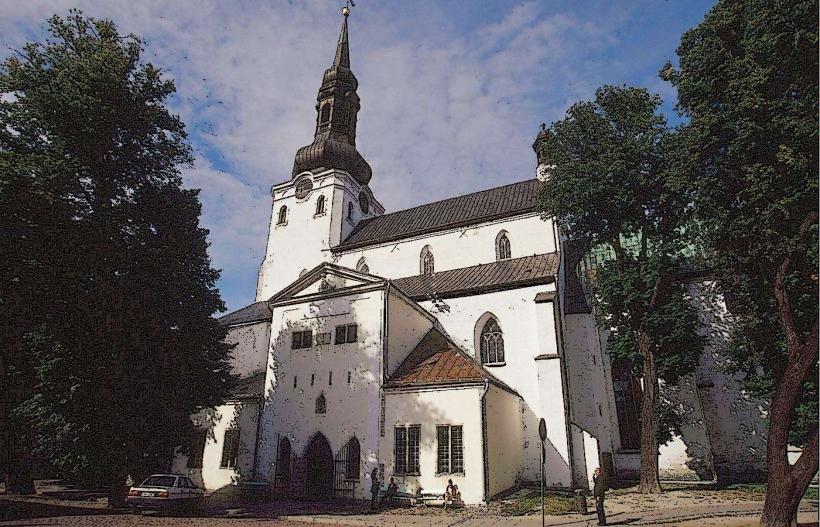
- St. Mary's Cathedral (Dome Church): 0.1km East
- Kohtuotsa Viewpoint: 0.2km North
- Patkuli Viewpoint: 0.3km North
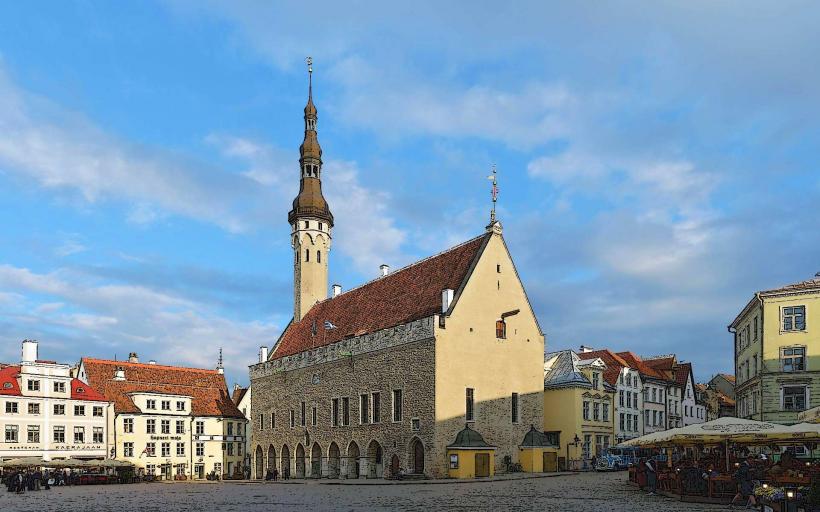
- Tallinn Town Hall Square: 0.5km East