Information
Landmark: Tallinn Old TownCity: Tallinn
Country: Estonia
Continent: Europe
Tallinn Old Town, Tallinn, Estonia, Europe
Visual Characteristics
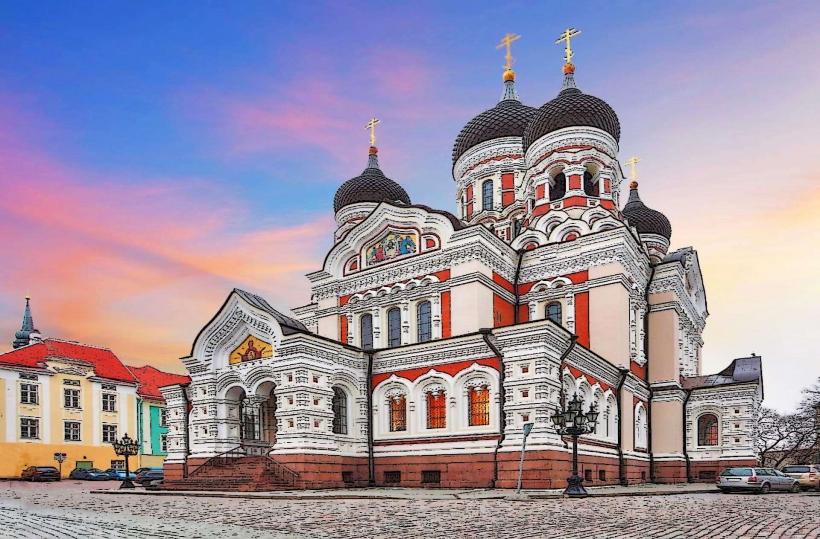
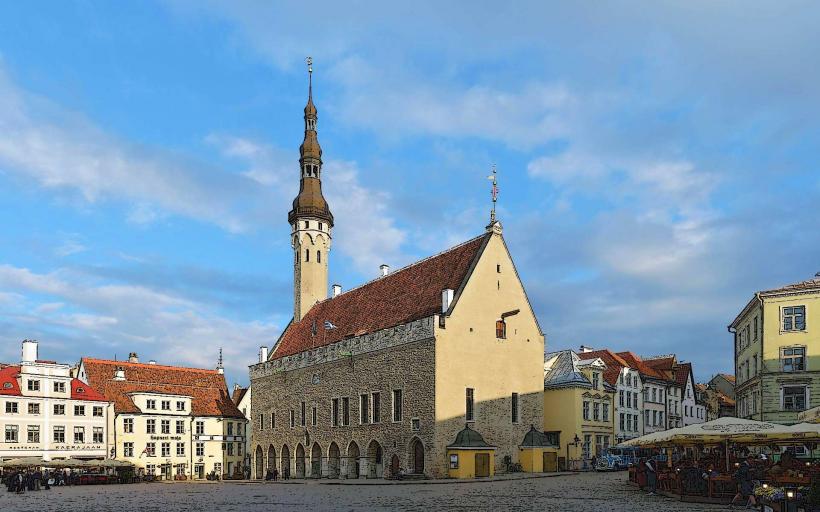
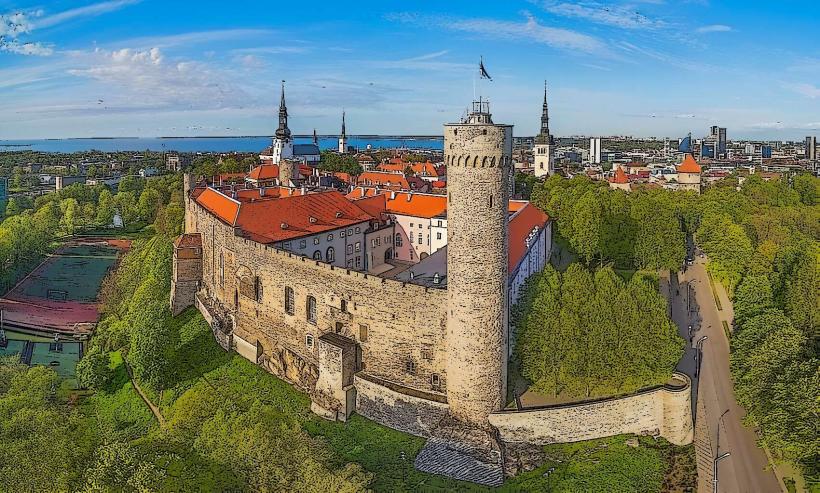
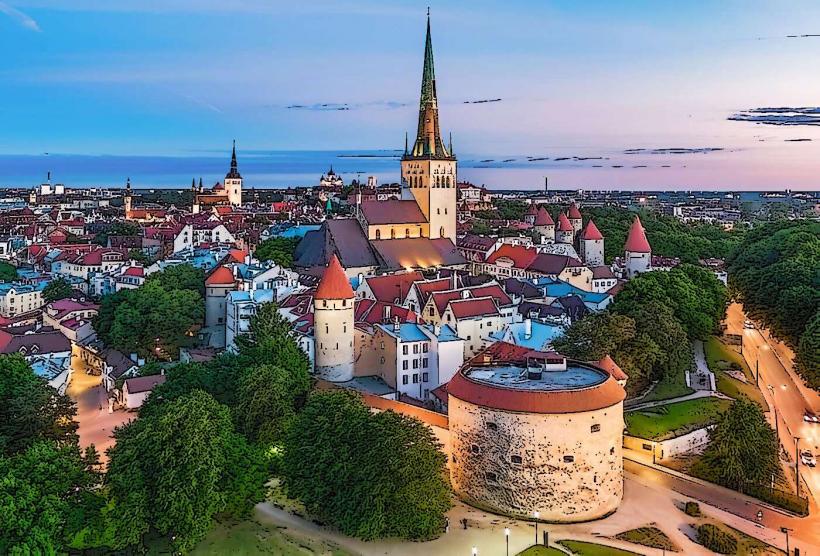
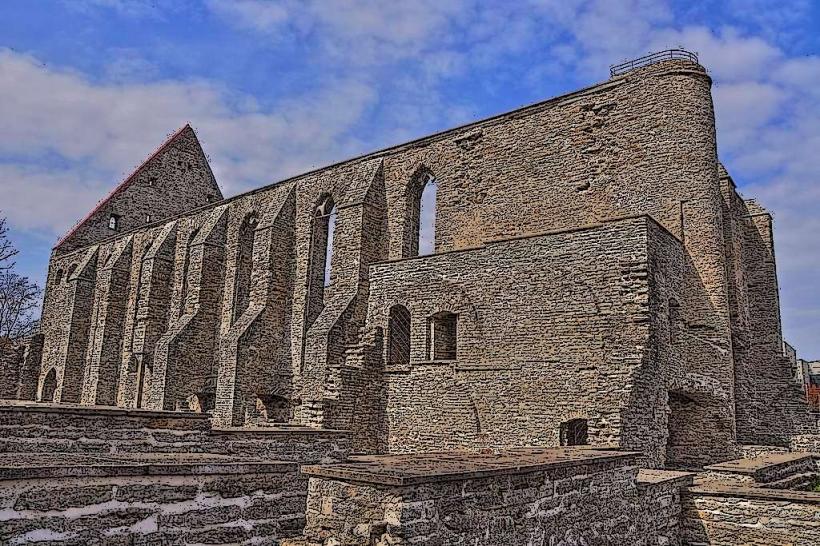
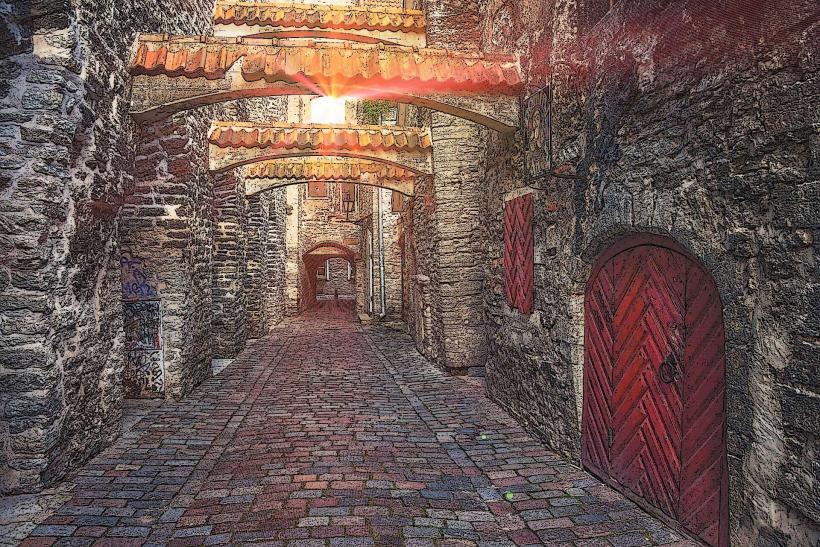
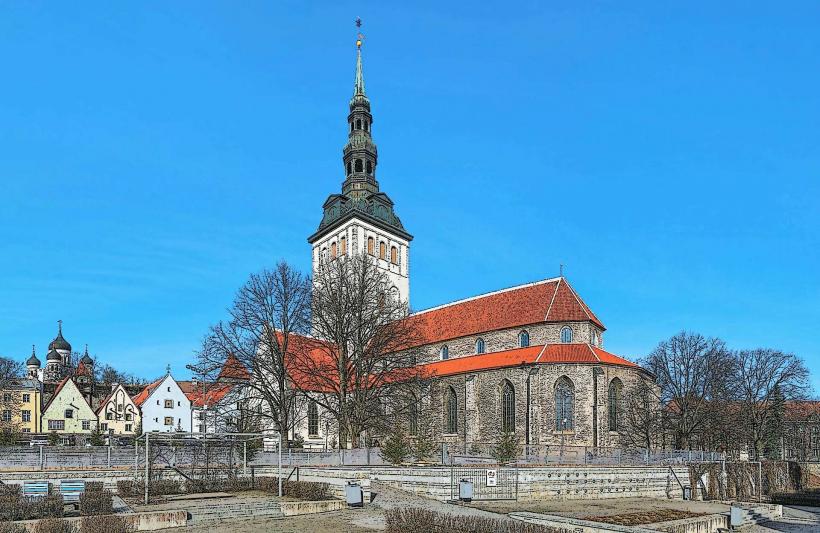
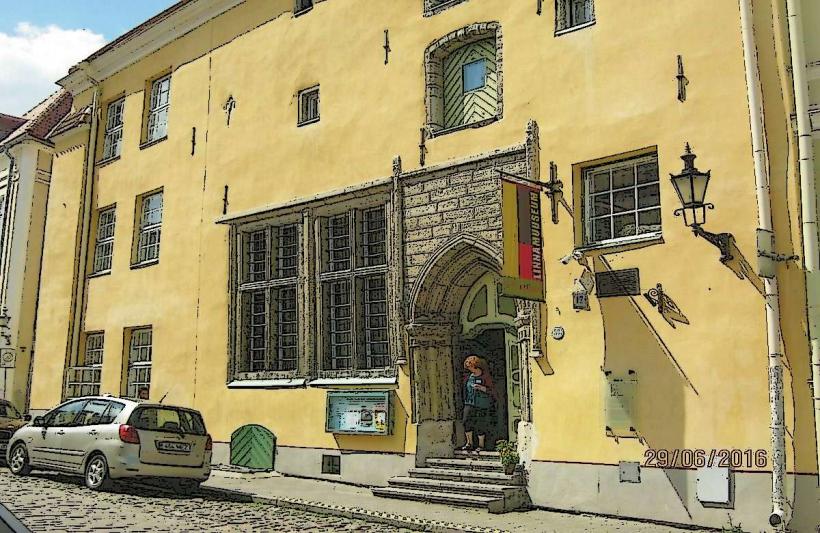
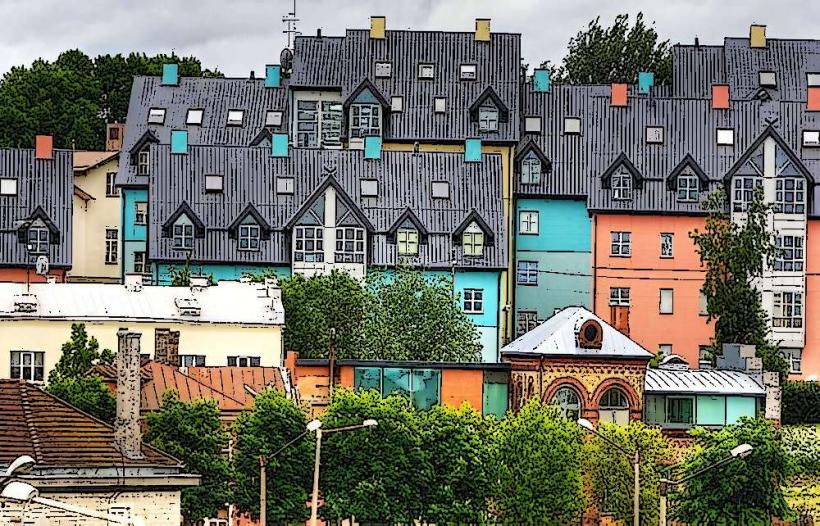
The Old Town features predominantly medieval and Hanseatic architectural styles. Buildings are constructed from limestone and brick, characterized by steep gabled roofs and narrow facades. Dominant colors include earthy tones, red brick, and various pastel shades. The largely intact city wall incorporates numerous defensive towers, some reaching heights of 20-25 meters. Cobblestone streets are a defining characteristic throughout the district.
Location & Access Logistics
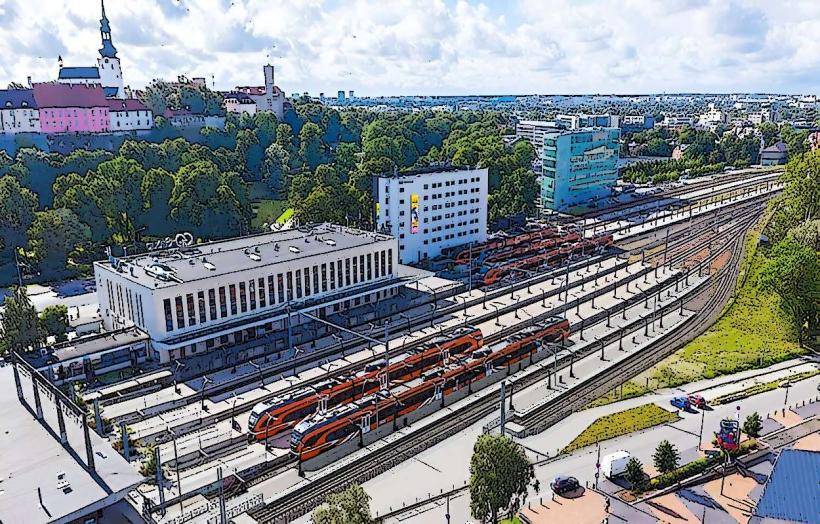
Tallinn Old Town is centrally located in Tallinn, directly adjacent to the modern city center. Access is primarily via Pärnu maantee or Mere puiestee. Public parking is available in designated zones surrounding the Old Town, such as the Viru Keskus parking garage (0.2km East) or the parking lot near Balti Jaam (0.5km Northwest). Numerous tram lines (e.g., Tram 1, 2, 3, 4) and bus lines serve stops immediately outside the Old Town gates, including Viru Keskus and Balti Jaam. Vehicle access within the Old Town is restricted to residents and authorized vehicles.
Historical & Ecological Origin
The Old Town's origins date back to the 13th century, with significant development occurring during the 14th and 15th centuries under Danish and later Hanseatic rule. Its primary purpose was a fortified trading hub and administrative center. The city wall and many key structures were built by local guilds and master builders over centuries.
Key Highlights & Activities
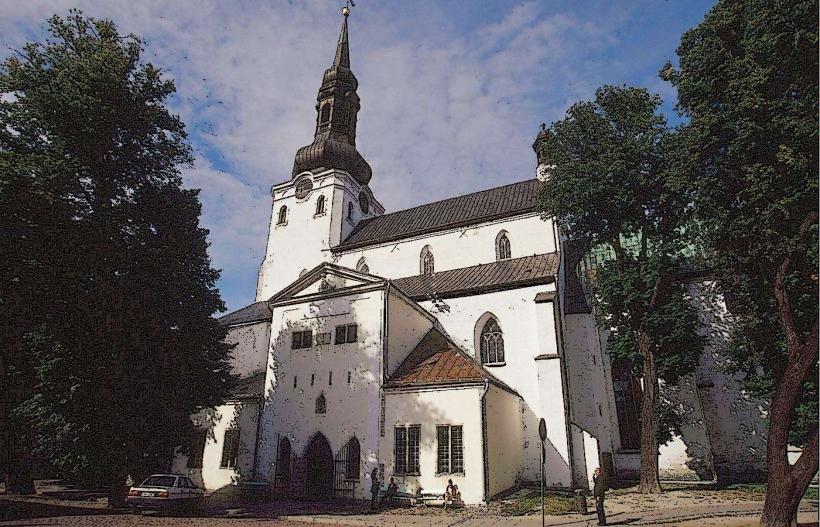
Visitors can walk the preserved city walls, including sections near Hellemann Tower and Kiek in de Kök. Guided walking tours of the lower town and Toompea Hill are available from various operators. Access to the observation platforms on Toompea Hill provides panoramic views. Entry to churches like St. Olaf's Church and Alexander Nevsky Cathedral is permitted during opening hours. Shopping for local crafts and dining at traditional restaurants are common activities.
Infrastructure & Amenities
Public restrooms are available at several points within the Old Town, often near major squares or attractions; some require a small fee. Shade is provided by buildings and occasional trees, particularly in courtyards and smaller squares. Cell phone signal (4G/5G) is generally strong throughout the area. Numerous restaurants, cafes, and small shops offer food and beverages.
Best Time to Visit
The best time for photography is early morning (sunrise) or late afternoon (sunset) for optimal lighting on facades and cobblestones. The months of May to September offer the most favorable weather conditions, with milder temperatures and longer daylight hours. Winter months (November to March) provide a distinct atmosphere with snow, though temperatures are colder. No tide requirements apply.
Facts & Legends
A local legend states that the Old Man of Lake Ülemiste, a mythical figure, will flood Tallinn if the city is ever completed. Therefore, construction is perpetually ongoing. A verified historical oddity is the House of the Blackheads, a fraternity of unmarried merchants, which operated from the 14th century. A specific tip for visitors is to explore the lesser-known passages and courtyards, such as Katariina käik (St. Catherine's Passage), for unique artisan workshops.
Nearby Landmarks
- Balti Jaam Market: 0.5km Northwest
- Telliskivi Creative City: 1.0km West
- KGB Museum (Hotel Viru): 0.3km East
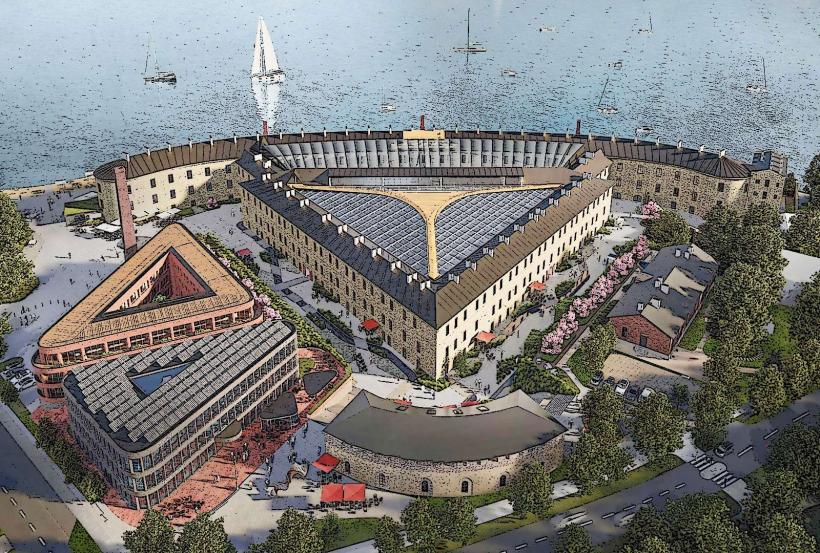
- Seaplane Harbour Museum: 2.0km Northwest
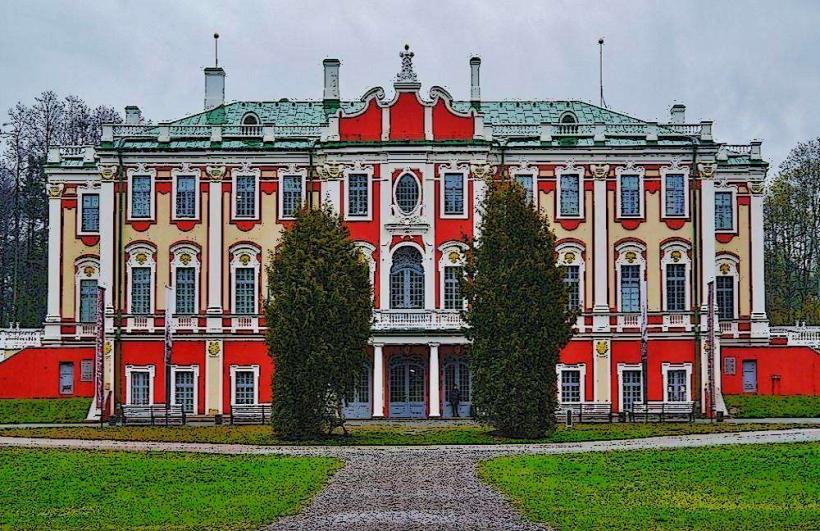
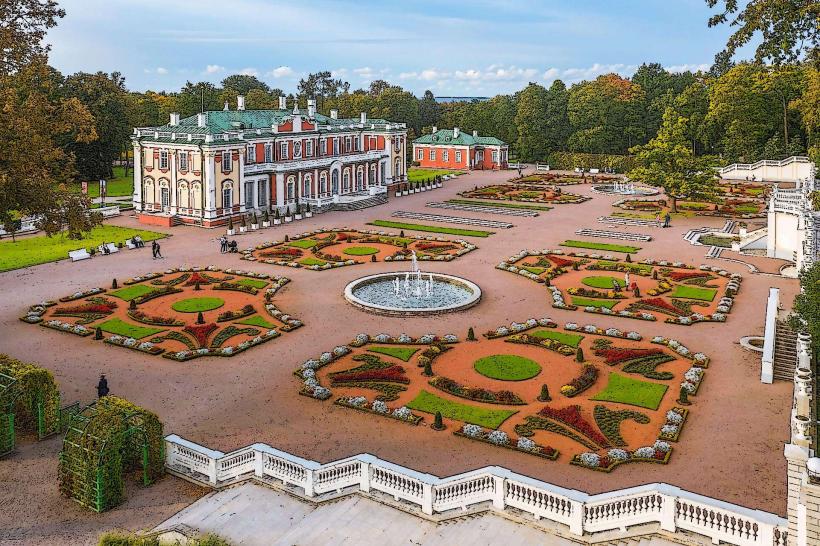
- Kadriorg Park and Palace: 2.5km East