Information
Landmark: Angkor BoreiCity: Takeo
Country: Cambodia
Continent: Asia
Angkor Borei, Takeo, Cambodia, Asia
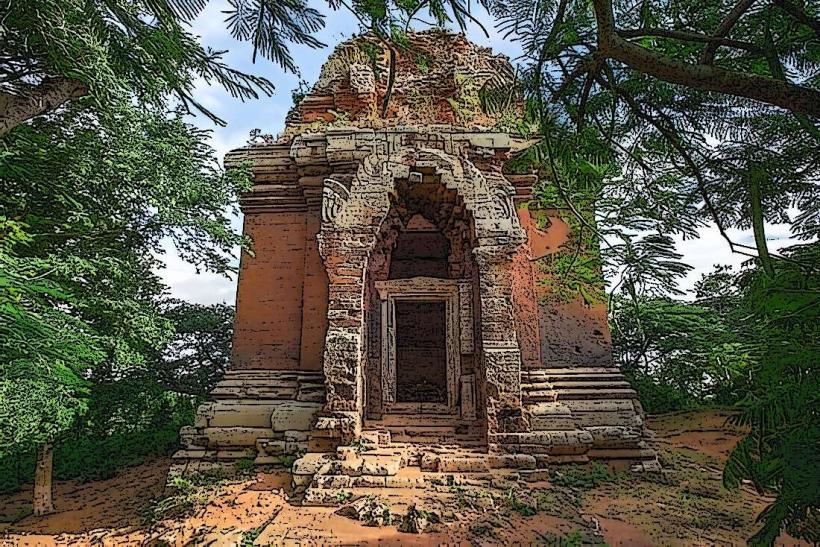
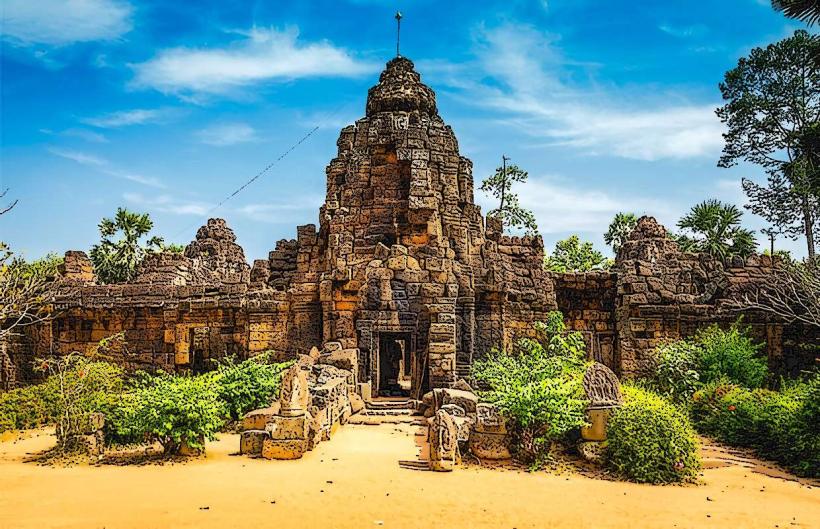
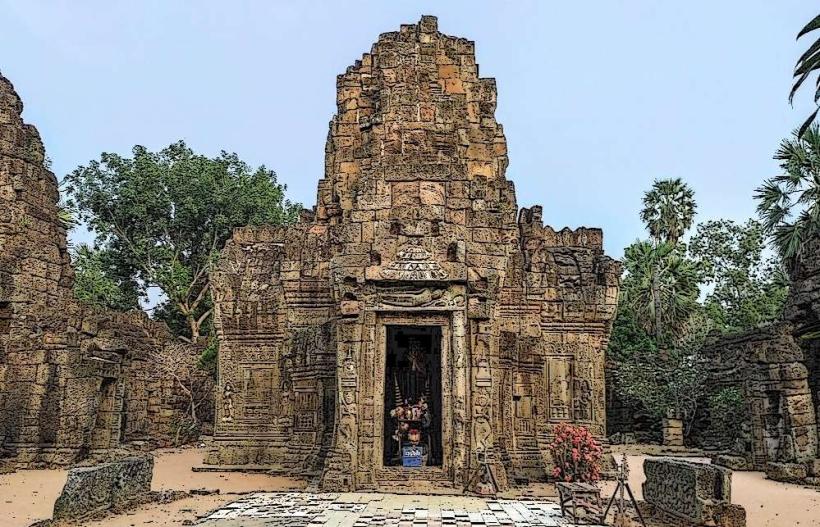
Angkor Borei is an ancient archaeological site located in Takeo Province, Cambodia, near the Tonle Bati Lake. It is known for being one of the most significant and well-preserved remnants of the Funan Kingdom, which was a powerful and prosperous kingdom in Southeast Asia during the early centuries of the Common Era (roughly 1st to 6th century AD).
Key Features of Angkor Borei:
Historical Significance:
- Angkor Borei is considered one of the most important archaeological sites related to the Funan Kingdom, one of Southeast Asia’s earliest advanced civilizations. The site was a center of power, trade, and culture, and it played a crucial role in the region's political and economic activities.
- The area was a thriving urban settlement, and remnants of its temples, palaces, and other structures provide valuable insight into the daily life, religious practices, and governance of the ancient Funan Kingdom.
- Angkor Borei is sometimes referred to as a precursor to the later Khmer Empire, and it is one of the few sites in Cambodia that highlights the early development of Khmer culture and architecture.
Funan Kingdom and Its Legacy:
- The Funan Kingdom, which existed from the 1st to the 6th century, is considered one of the earliest advanced civilizations in Southeast Asia. The kingdom controlled important trade routes, connecting the Indian Ocean to China and influencing much of the surrounding region.
- Angkor Borei was likely an important urban center for the Funan rulers, and evidence from the site indicates that it was a bustling metropolis with sophisticated infrastructure, religious practices, and trade networks.
Archaeological Finds:
- Excavations at Angkor Borei have uncovered a variety of artifacts, including pottery, sculptures, coins, and tools that reflect the kingdom's complex society and technological advancements.
- Several Buddhist and Hindu statues have been found at the site, reflecting the religious diversity of the kingdom. These artifacts offer insight into the religious and cultural practices of the time, with influences from India and other Southeast Asian regions.
- Archaeologists have also discovered remnants of city walls, moats, and other urban infrastructure, providing clues about the architecture and planning of the ancient settlement.
The Phnom Da Temple:
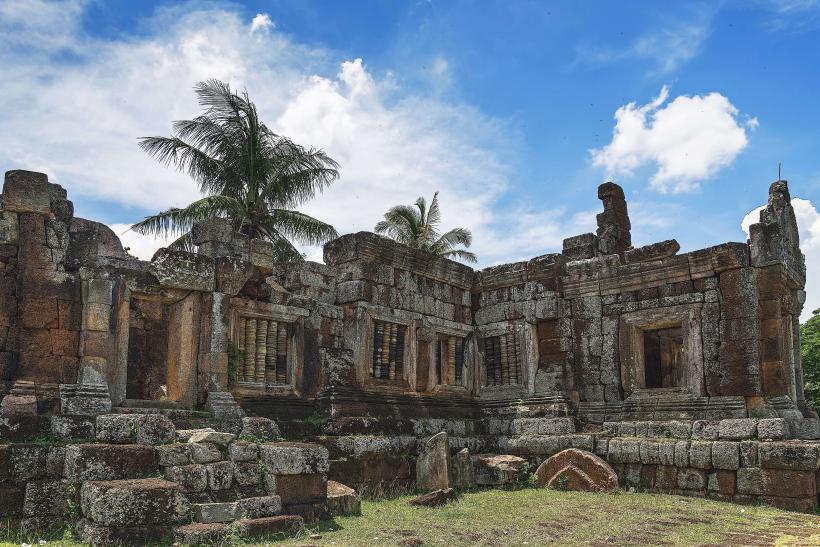
- Located near Angkor Borei, Phnom Da is an ancient temple that is often associated with the site. Phnom Da, which was constructed during the Funan period, is a prominent feature of the area and is thought to have been a religious center in the past.
- The Phnom Da temple, perched on a small hill, offers spectacular views of the surrounding landscape and is an important part of the region's cultural heritage.
- Visitors to Angkor Borei can also visit Phnom Da to explore its temple ruins, which offer insight into the architecture and religious practices of the time.
Angkor Borei Museum:
- The Angkor Borei Museum, located near the archaeological site, houses many of the artifacts uncovered during excavations. The museum provides valuable educational resources about the Funan Kingdom, its people, and the cultural and historical significance of the region.
- The museum displays a wide range of items, including ancient tools, sculptures, ceramics, and coins, offering visitors a deeper understanding of the Funan Kingdom’s daily life, trade, and religious practices.
Cultural and Religious Influence:
- While the Funan Kingdom was primarily influenced by Hinduism, it was also significantly impacted by Buddhism as it spread through Southeast Asia. The religious artifacts and temples in the area reflect the coexistence of both Hindu and Buddhist traditions during the Funan period.
- The site provides a valuable glimpse into the religious transition from Hinduism to Buddhism in Southeast Asia, which would become more prominent in later periods, particularly during the Khmer Empire.
The Surrounding Area:
- The site is situated near Tonle Bati Lake, adding a natural beauty to the archaeological location. The peaceful lakeside setting makes it a quiet and reflective place to explore the ancient ruins and learn about the region’s past.
- The surrounding area is rural, with traditional Cambodian villages offering visitors the chance to experience local life and culture. Visitors may encounter local markets, farms, and people engaged in agriculture, providing a contrast between the ancient ruins and modern Cambodian life.
Tourism and Accessibility:
- Angkor Borei is located about 15 kilometers from Takeo town, making it relatively easy to visit by car or motorbike. Although the site is not as crowded as the more famous Angkor Wat complex, it offers a quieter, more intimate experience for those interested in Cambodia’s ancient history.
- Visitors to Angkor Borei can explore the site at their own pace, with the opportunity to walk around the ruins, visit the museum, and hike to nearby Phnom Da for panoramic views.
Conclusion:
Angkor Borei is a fascinating and historically rich site that offers visitors a rare opportunity to explore the remnants of the Funan Kingdom, one of Southeast Asia’s earliest and most influential civilizations. With its ancient temples, archaeological discoveries, and nearby Phnom Da, the site provides valuable insight into Cambodia’s early history, culture, and religious practices. For those interested in exploring Cambodia beyond the more famous Angkor temples, Angkor Borei is a must-visit destination that offers a deeper understanding of the country’s ancient heritage.