Information
Landmark: Ayacucho CathedralCity: Ayacucho
Country: Peru
Continent: South America
Ayacucho Cathedral, Ayacucho, Peru, South America
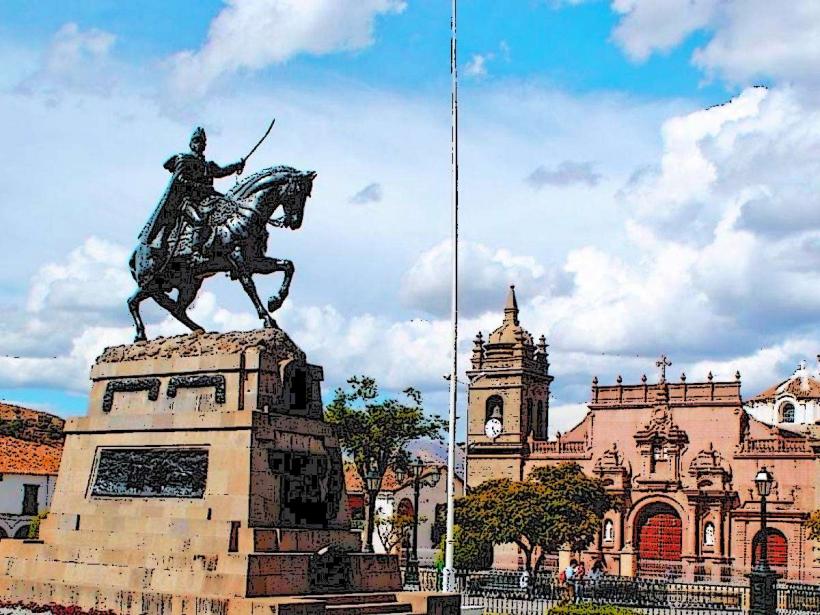
The Ayacucho Cathedral is a Roman Catholic cathedral located in the Plaza de Armas of Ayacucho, Peru.
It is a significant example of Baroque architecture in the region.
Visual Characteristics
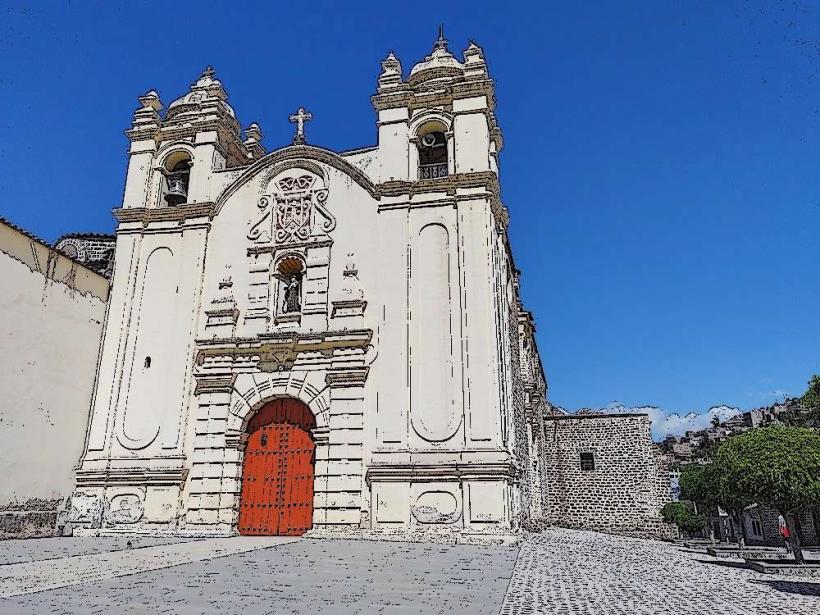
The cathedral is constructed primarily from quarried stone, with a facade featuring two bell towers flanking a central entrance. The exterior walls are painted a pale yellow, with white detailing around windows and cornices. The interior is characterized by vaulted ceilings, ornate altars, and numerous religious artworks.
Location & Access Logistics
The cathedral is situated in the Plaza de Armas, the central square of Ayacucho. It is directly accessible from the square. Parking is available on surrounding streets, though it can be limited during peak hours. Public transport routes converge on the Plaza de Armas, with numerous local bus lines stopping within a 100-meter radius.
Historical & Ecological Origin
Construction of the cathedral began in 1636 and was completed in 1672. It was built under the direction of Bishop Cristóbal de Peralta. The original purpose was to serve as the principal church of the Diocese of Ayacucho.
Key Highlights & Activities
Visitors can observe the intricate Baroque altarpieces, including the main altar and side chapels. The cathedral houses a collection of colonial-era religious art. Photography is permitted within the main nave.
Infrastructure & Amenities
Restrooms are available within the cathedral complex. Limited shaded areas are present in the surrounding Plaza de Armas. Cell phone signal (4G/5G) is generally strong in this central location. Food vendors and small restaurants are located on the perimeter of the Plaza de Armas.
Best Time to Visit
For optimal interior lighting and fewer crowds, visiting between 10:00 AM and 12:00 PM is recommended. The months of May through September offer drier weather conditions.
Facts & Legends
A notable historical detail is that the cathedral's construction was funded in part by local indigenous communities, who contributed labor and materials. A local legend suggests that a hidden tunnel connects the cathedral to other historical buildings in the city, though this remains unverified.
Nearby Landmarks
- Iglesia de la Compañía de Jesús (0.05km North)
- Museo de Arte Folclórico (0.1km West)
- Palacio de Gobierno (0.1km South)
- Iglesia de San Francisco de Asís (0.2km East)