Information
Landmark: Cangallo ValleyCity: Ayacucho
Country: Peru
Continent: South America
Cangallo Valley, Ayacucho, Peru, South America
Cangallo Valley is a geographical depression located in the Ayacucho region of Peru. It is characterized by its arid landscape and agricultural terraces.
Visual Characteristics
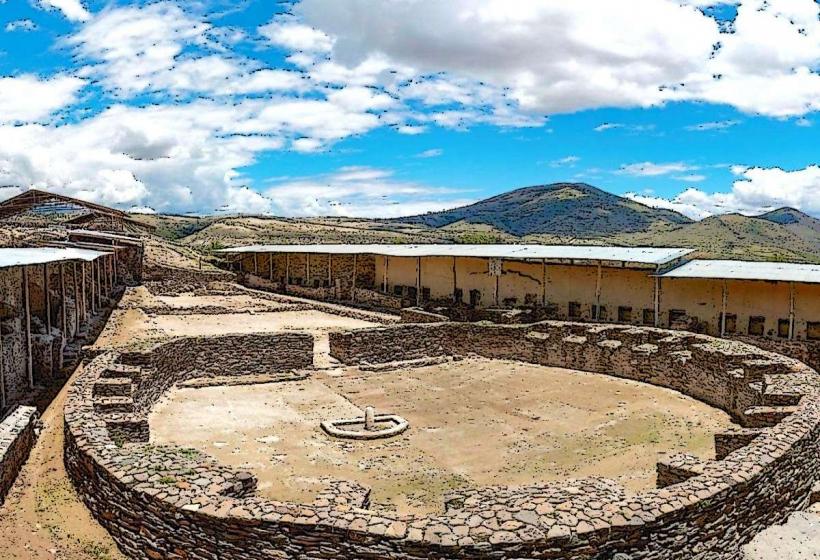
The valley floor is primarily composed of sedimentary rock formations, with slopes exhibiting extensive agricultural terracing. Vegetation is sparse, consisting mainly of hardy grasses and drought-resistant shrubs. The dominant colors are earth tones: ochre, brown, and muted greens, with the sky typically a clear blue.
Location & Access Logistics
Cangallo Valley is situated approximately 35 kilometers west of Ayacucho city. Access is via the PE-7S highway, a paved road. Travel time from Ayacucho is approximately 45 minutes by private vehicle. Public transportation options include local buses that depart from Ayacucho's main bus terminal, typically running between 6:00 AM and 6:00 PM. Parking is available at designated pull-off points along the highway, though it is informal and unmanaged.
Historical & Ecological Origin
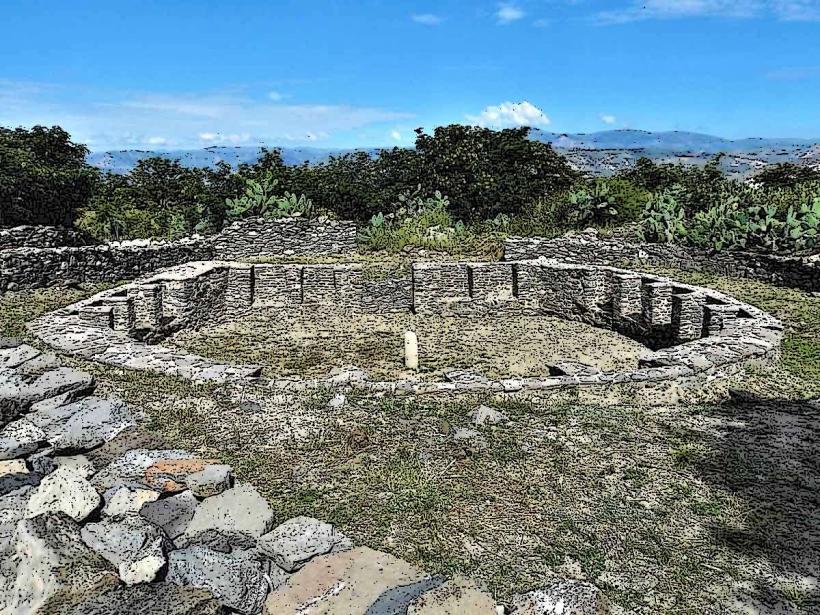
The agricultural terraces within Cangallo Valley are believed to have been constructed by pre-Inca civilizations, likely the Wari culture, for agricultural purposes. The valley's arid climate is a result of its rain shadow effect, influenced by the surrounding Andean mountain ranges. The geological composition is primarily sedimentary rock, indicative of ancient lakebed deposits.
Key Highlights & Activities
Exploration of the ancient agricultural terraces is the primary activity. Visitors can walk along the terrace edges and observe the construction techniques. Hiking is possible on the slopes, though trails are not formally maintained. Photography of the landscape and terracing is recommended.
Infrastructure & Amenities
There are no formal restrooms or shade structures within the valley itself. Cell phone signal (4G/5G) is intermittent and unreliable. No food vendors are present directly within the valley; provisions should be carried from Ayacucho.
Best Time to Visit
The best time of day for photography is during the early morning or late afternoon when the sun angle creates shadows that highlight the terrace structures. The dry season, from April to October, offers the most stable weather conditions with minimal rainfall. There are no tidal considerations.
Facts & Legends
Local folklore suggests that the terraces were built by giants. A verifiable historical oddity is the presence of Wari pottery shards found scattered throughout the valley, indicating significant pre-Inca habitation and agricultural activity.
Nearby Landmarks
- Wari Archaeological Complex (15km Northeast)
- Ayacucho Cathedral (35km East)
- Plaza de Armas, Ayacucho (35km East)
- Mirador de Acuchimay (38km East)