Information
Landmark: Bab El OuedCity: Bejaia
Country: Algeria
Continent: Africa
Bab El Oued, Bejaia, Algeria, Africa
Overview
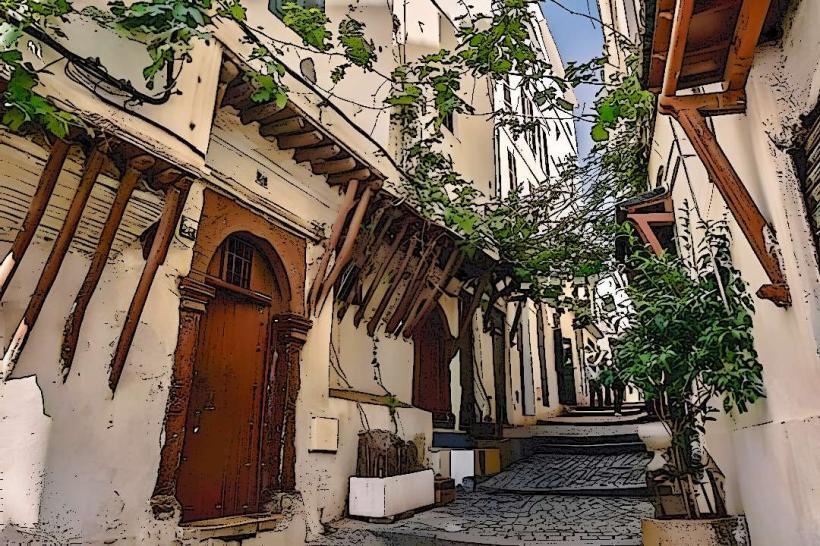
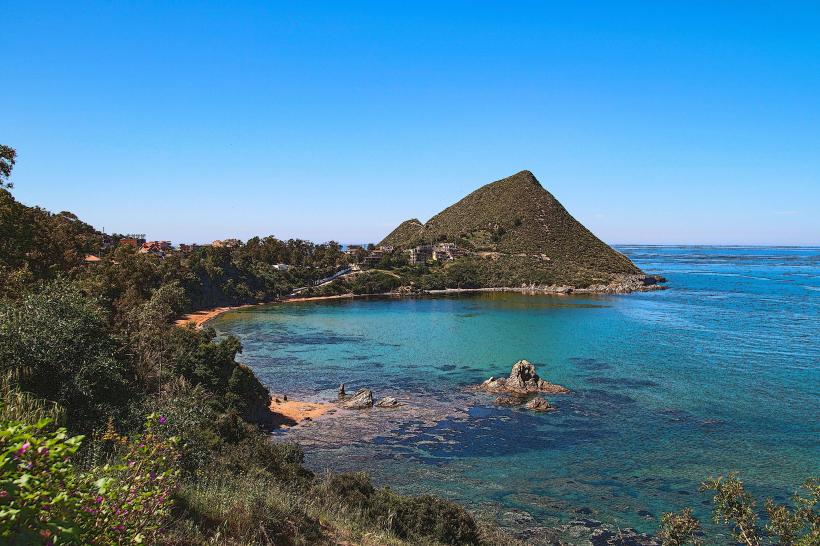
Bab El Oued, with its narrow streets and sea breeze, stands as one of Algiers’ most famous and historically rich districts, not only that bab El Oued, with its Mediterranean charm, bustling streets, and deep cultural roots, has shaped the city’s identity for centuries-the smell of fresh bread drifting from corner bakeries still lingers in the air.In a way, This coastal neighborhood hums with life, its markets packed tight with vendors calling out over the scent of fresh fish, its streets lined with weathered colonial-era buildings, and its heart shaped by deep working-class roots, in addition first.If I’m being honest, Bab El Oued sits in northern Algiers, right on the Mediterranean, a few minutes’ meander west of the busy city center, therefore the name “Bab El Oued” translates to “The Gate of the River,” a nod to the narrow streams that used to wind quietly through the neighborhood.Frankly, It’s a lively, crowded district where French colonial facades stand beside traditional Algerian designs, their colors catching the afternoon sun, moreover famed for its strong sense of community, it’s long been a vital part of Algerian history and culture, from lively market squares to neighborhood gatherings.Number two, to boot from the 16th to the 19th century, the area belonged to Ottoman Algiers, its narrow gates once guiding traders and travelers into the heart of the city.Before the city spread into it, the area was semi-rural, dotted with vegetable gardens and a few clusters of homes, while during the French Colonial Period (1830–1962), Bab El Oued grew into a crowded, working-class neighborhood, its narrow streets lined with shops run by European settlers-Pieds-Noirs-mostly of Spanish, Italian, and French descent, relatively Not surprisingly, Over time, it grew into a busy industrial and commercial hub, filled with clanging factory floors, crowded markets, and streets alive with voices and the smell of fresh bread, moreover in the years before Algeria won its independence in 1962, the district buzzed with nationalist resistance, its narrow streets alive with whispered plans and hurried footsteps, slightly often Since independence in 1962, Bab El Oued has stayed a bustling working-class neighborhood, its narrow streets filling with Algerian families carrying baskets of fresh bread and vegetables home, in addition the city struggled with economic hardships, yet its streets still buzzed with music, festivals, and late-night conversations.Honestly, In 2001, a devastating flood swept through the neighborhood, tearing down homes and taking many lives, besides number three stood alone, tiny and sharp like a mark scratched into wood.One of Algiers’ best-known spots is Le Marché de Bab El Oued, a bustling traditional market where the air smells of fresh spices and ripe oranges, alternatively it’s a lively spot where you can soak up real Algerian street life, with stalls piled high with shining oranges, fragrant spices, fresh seafood, and handmade crafts, partially To be honest, Bab El Oued’s beaches stretch along the Mediterranean, where soft sand meets jagged rocks and waves break in the salt-scented air, on top of that locals flock here to swim, cast a line, or stroll the shore as the sky turns gold.Rais Hamidou Port sits just outside Bab El Oued, a miniature harbor where fishing boats rock gently against the pier, and it’s the venue where local fishermen haul in their catch and seafood markets bustle with the smell of fresh saltwater and ice, partially Notre-Dame d’Afrique, or Our Lady of Africa, is a famed basilica perched high on a hill, its pale stone walls catching the sunlight as it looks out over Bab El Oued, what’s more built in 1872, it stands as an architectural gem, blending Byzantine arches with the intricate curves of Moorish design.From here, you can observe the deep blue sweep of the Mediterranean and the sunlit rooftops of Algiers, alternatively kouba des Marabouts is a historic shrine in the area, its whitewashed walls echoing Algeria’s deep spiritual and religious roots.Many streets in Bab El Oued are lined with French colonial-style buildings, their faded shutters and wrought-iron balconies lending the neighborhood a warm, ancient-world charm, consequently number four stood out, written in thick black ink on the page.Bab El Oued buzzes with life-narrow streets alive with voices, the smell of strong coffee drifting from antique cafés, and crowds gathering for the local football matches, and it’s given rise to countless artists, musicians, and footballers, from painters splashing bold colors on market walls to players who’ve electrified stadium crowds, all leaving their mark on Algerian culture.The district’s known for its close-knit community and deep-rooted traditions, the kind you feel at a neighbor’s kitchen table over fresh bread, then it’s the heart of football culture and the home of MC Alger, the beloved Mouloudia Club d’Alger, where fans in green and red roar from the stands.In Bab El Oued, football runs deep-on game days you can hear drums and shouts rolling through the streets, what’s more number five sat scrawled in the corner, a slight mark that still managed to catch your eye, generally Modern Challenges and Developments - Overcrowding and Infrastructure Issues: Bab El Oued is packed with people, and cramped streets make finding housing or catching a bus a daily struggle, as a result many residents are out of work, struggling to pay rent and keep food on the table.Because it sits low along the coast, the district still faces a real risk of flooding, especially when storms push seawater over the docks, meanwhile in recent years, the government has worked to breathe innovative life into the neighborhood, restoring antique brick buildings and freshening up public spaces like the tree-lined square.Number six, as well as in the end, Bab El Oued still stands as one of Algiers’ most iconic, culturally vibrant districts, where the scent of fresh bread drifts through its narrow streets.Actually, Even with its struggles, it still stands as a proud symbol of resilience, community, and Algerian heritage, like a weathered stone arch that refuses to crumble, moreover bab El Oued, with its bustling ancient markets, glowing blue Mediterranean shore, and lively streets scented with fresh bread, offers a vivid glimpse into the heart of Algiers.
Author: Tourist Landmarks
Date: 2025-09-20