Information
Landmark: Bangor City ForestCity: Bangor
Country: USA Maine
Continent: North America
Bangor City Forest, Bangor, USA Maine, North America
Bangor City Forest is a large municipal park located in Bangor, Maine, USA. It encompasses a significant area of mixed woodland and wetland habitats.
Visual Characteristics
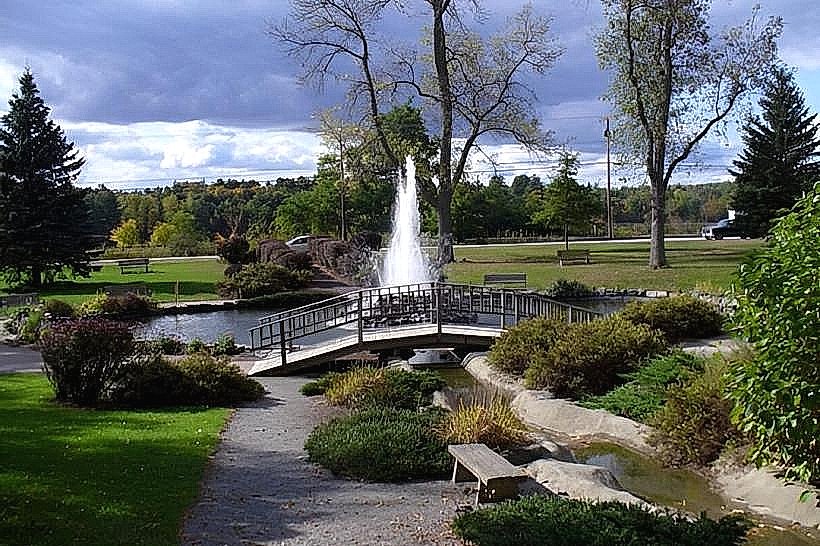
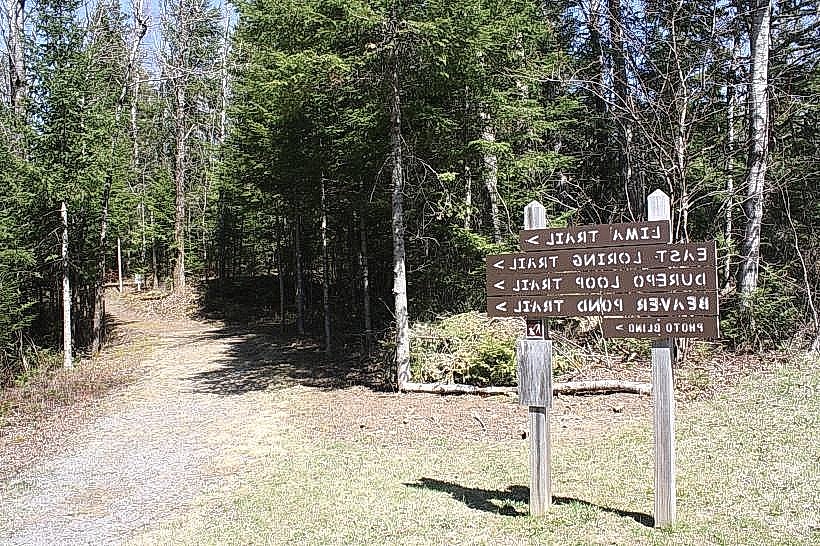
The forest consists primarily of mixed deciduous and coniferous trees, including pine, spruce, fir, oak, and maple. The terrain features rolling hills, open meadows, and several water bodies, including ponds and marshy areas. Trails are generally unpaved, with some sections exhibiting exposed roots and rocks. The undergrowth varies in density depending on the season and specific location within the forest.
Location & Access Logistics
Bangor City Forest is situated approximately 5 kilometers west of downtown Bangor. Access is primarily via Stillwater Avenue (Route 2). Several parking areas are available along Stillwater Avenue and within the forest boundaries. Public transportation options are limited; however, the Bangor Area Transit bus route 1A runs along Stillwater Avenue, with stops within walking distance of some forest entrances.
Historical & Ecological Origin
The land was acquired by the City of Bangor through various purchases and donations starting in the late 19th century, with the intention of preserving natural resources and providing recreational space. Ecologically, it represents a transition zone between coastal and inland Maine habitats, supporting a diverse range of flora and fauna typical of the northeastern United States.
Key Highlights & Activities
Activities include hiking on marked and unmarked trails, birdwatching, and nature observation. Specific trails include the main loop trail around the central pond and several smaller connecting paths. Cross-country skiing is possible during winter months when snow cover is sufficient. Fishing is permitted in designated areas of the ponds, subject to state regulations.
Infrastructure & Amenities
Restrooms are available at the main parking area off Stillwater Avenue. Some sections of the park offer natural shade from the tree canopy. Cell phone signal (4G/5G) is generally available in most areas, though it may be intermittent in denser woodland sections. No food vendors are located within the forest; however, commercial areas are accessible via Stillwater Avenue.
Best Time to Visit
For photography, early morning or late afternoon light provides optimal illumination of the forest landscape. The months of May through October offer the most favorable weather conditions for outdoor activities. Spring (April-May) is suitable for observing early wildflowers, while autumn (September-October) provides fall foliage viewing.
Facts & Legends
A local anecdote suggests that the forest was once a favored hunting ground for Penobscot Nation members. A specific point of interest is the "Old Stone Wall," a remnant of past agricultural use, which runs for a considerable distance through the western section of the forest.
Nearby Landmarks
- University of Maine Campus (2.5km Northwest)
- Orono Bog Boardwalk (4.0km North)
- Paul Bunyan Statue, Bangor (5.0km East)
- Damon House (4.8km East)
- Bangor Public Library (5.2km East)