Information
Landmark: Cole Land Transportation MuseumCity: Bangor
Country: USA Maine
Continent: North America
Cole Land Transportation Museum, Bangor, USA Maine, North America
The Cole Land Transportation Museum is a museum dedicated to the history of transportation in Maine, located in Bangor, USA.
It houses a collection of vehicles and artifacts related to the state's transportation heritage.
Visual Characteristics
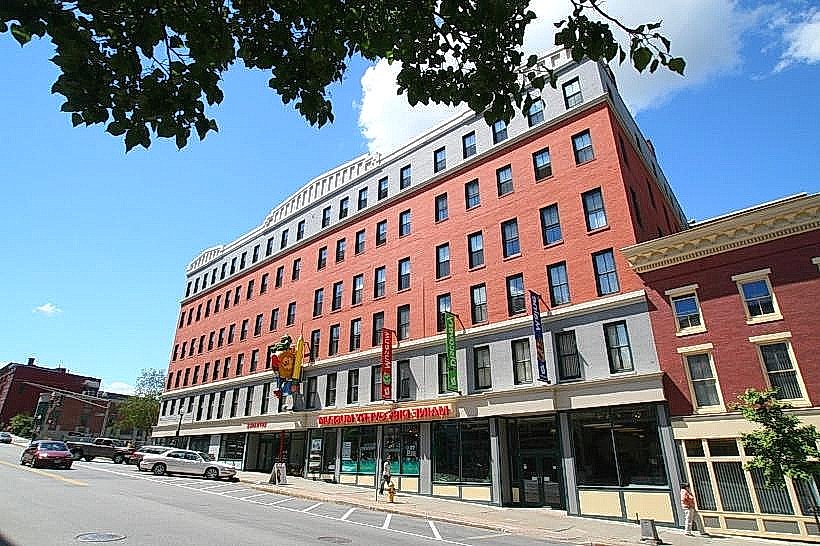
The museum is housed in a single-story brick building with a flat roof. The exterior is utilitarian, designed for function rather than elaborate aesthetics. Inside, the main exhibition hall is a large, open space with high ceilings, allowing for the display of large vehicles. The walls are painted in neutral tones, and the floor is concrete. Lighting is primarily artificial, supplemented by natural light from windows along one side of the building.
Location & Access Logistics
The Cole Land Transportation Museum is situated at 405 Perry Road, Bangor, Maine. It is approximately 3.2 kilometers (2 miles) from the Bangor city center. Access is via Perry Road, which connects to Main Street. Ample free parking is available on-site, including designated spaces for buses and RVs. The nearest public transport stop is located on Main Street, approximately 0.8 kilometers (0.5 miles) from the museum entrance, served by the Bangor Area Transit Committee (BATC) Route 1.
Historical & Ecological Origin
The museum was founded by the Cole family, who were involved in the logging and transportation industries in Maine. The collection began with the personal vehicles and equipment of the Cole family and expanded over time through donations and acquisitions. The building itself was formerly a warehouse and was repurposed to house the museum's exhibits. The museum officially opened its doors in 1980.
Key Highlights & Activities
Visitors can observe a diverse collection of antique automobiles, trucks, tractors, and logging equipment. Specific exhibits include a 1917 Model T Ford, a 1930s logging truck, and various steam-powered engines. Demonstrations of antique machinery are occasionally held during special events. The museum also features a section dedicated to the history of Maine's railroads and waterways.
Infrastructure & Amenities
Restrooms are available within the museum. Limited shaded areas are present in the outdoor display section. Cell phone signal (4G/5G) is generally reliable within the museum. No on-site food vendors are present, but several fast-food restaurants are located within a 1.6 kilometer (1 mile) radius along Main Street.
Best Time to Visit
The museum is open year-round, Tuesday through Saturday. For optimal viewing of the vehicles, consider visiting during daylight hours when artificial lighting is supplemented by natural light. The months of June through October offer the most pleasant outdoor weather for exploring any outdoor exhibits. No specific tide or high/low water requirements apply.
Facts & Legends
A notable artifact is the "Cole Special," a custom-built logging truck designed by the Cole family for navigating challenging terrain in Maine's forests. It is said to have been capable of hauling exceptionally large loads.
Nearby Landmarks
- Bangor Mall (1.2km Southwest)
- Fort Knox State Historic Site (22km Southwest)
- Penobscot Theatre Company (3.5km West)
- Paul Bunyan Statue (3.8km West)
- University of Maine Museum of Art (3.6km West)