Information
Landmark: Mount Hope CemeteryCity: Bangor
Country: USA Maine
Continent: North America
Mount Hope Cemetery, Bangor, USA Maine, North America
Mount Hope Cemetery is a historic rural cemetery located in Bangor, Maine, USA.
It is recognized as one of the oldest garden cemeteries in the United States.
Visual Characteristics
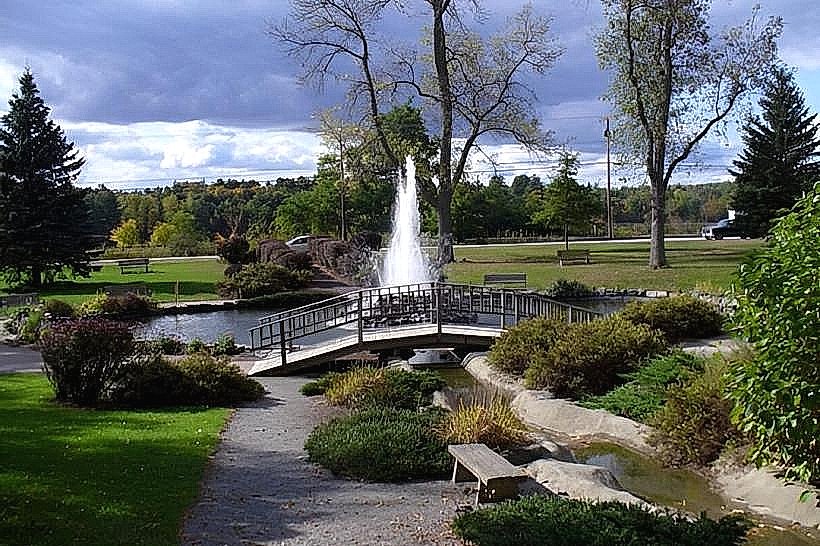
The cemetery covers approximately 100 acres. It features rolling hills, mature trees including oak, maple, and pine, and a central pond. Gravestones vary in material from granite to marble, with inscriptions ranging from simple to elaborate carvings. The landscape design incorporates winding paths and open green spaces.
Location & Access Logistics
Mount Hope Cemetery is situated approximately 2 miles north of downtown Bangor. Access is via State Route 2 (State Street) or Broadway. Parking is available within the cemetery grounds at designated areas. Public transport options include the Bangor Area Transit (BAT) bus line 1, which stops near the main entrance on State Street.
Historical & Ecological Origin
Established in 1834, Mount Hope Cemetery was designed by architect Charles H. Pelton. Its original purpose was to provide a beautiful and serene burial ground, moving away from crowded urban churchyards. The site is situated on glacial till, with varied topography shaped by past ice movements.
Key Highlights & Activities
Visitors can walk the grounds to observe historical grave markers and landscape features. Self-guided tours focusing on notable interments are possible. The cemetery is a location for birdwatching due to its diverse tree canopy and water features.
Infrastructure & Amenities
Restrooms are available near the main administration building. Limited shaded areas are present throughout the cemetery. Cell phone signal (4G/5G) is generally available. No on-site food vendors are present; nearest options are in downtown Bangor.
Best Time to Visit
For photography, early morning or late afternoon light provides optimal illumination of the landscape and gravestones. Spring (April-May) offers blooming foliage, while autumn (September-October) provides fall colors. The cemetery is accessible year-round during daylight hours.
Facts & Legends
Mount Hope Cemetery is often cited as an inspiration for Stephen King's fictional town of Castle Rock, given his residence in Bangor and his frequent use of local settings in his works. A specific point of interest is the "Soldiers' Lot," containing the graves of Union soldiers from the Civil War.
Nearby Landmarks
- Bangor Public Library (1.5km South)
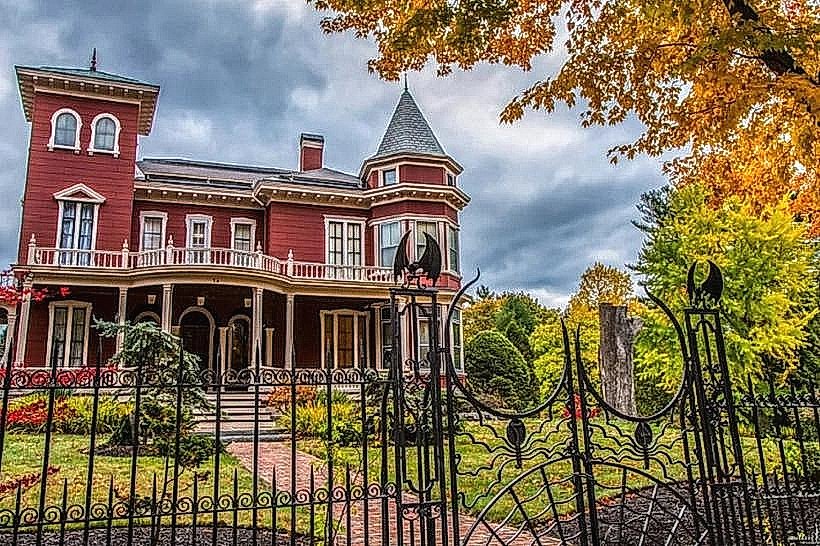
- Stephen King House (1.8km South)
- Penobscot Theatre Company (2.0km South)
- Hollywood Casino Bangor (3.5km East)