Information
Landmark: Bhutan GateCity: Phuentsholing
Country: Bhutan
Continent: Asia
Bhutan Gate, Phuentsholing, Bhutan, Asia
The Bhutan Gate is a prominent gateway located in Phuentsholing, Bhutan, marking the entrance to the country from India.
Visual Characteristics
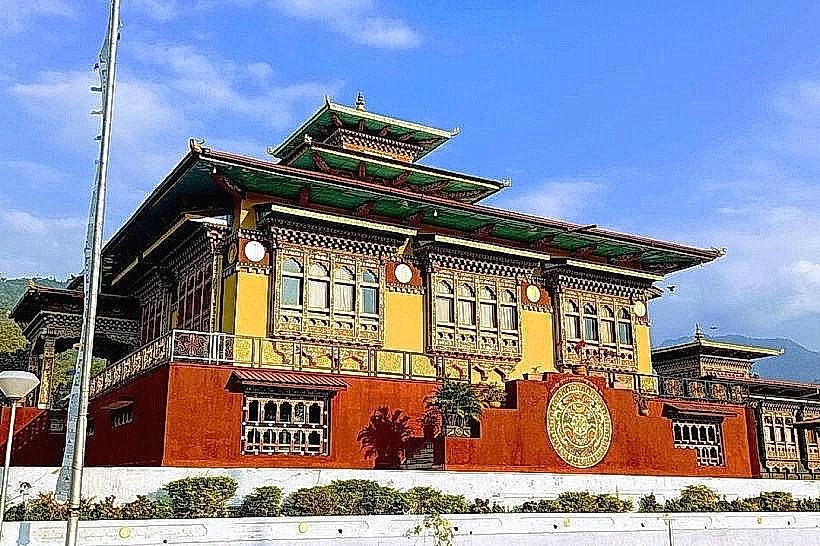
The gate is constructed from reinforced concrete and features traditional Bhutanese architectural elements. It is painted in distinct colors, primarily white with red and gold accents on the roof and decorative carvings. The structure stands approximately 15 meters tall and is adorned with intricate woodwork and Buddhist motifs.
Location & Access Logistics
The Bhutan Gate is situated at the border crossing between Jaigaon, India, and Phuentsholing, Bhutan, on National Highway 30. It is approximately 1 kilometer from the Phuentsholing town center. Parking is available in designated areas on the Indian side of the border and in Phuentsholing town. Public transport from Phuentsholing town to the gate involves local taxis or walking.
Historical & Ecological Origin
The gate was constructed to serve as a formal entry point into Bhutan for travelers arriving by land from India. Its design reflects the country's commitment to preserving its cultural heritage and architectural traditions. The surrounding area is characterized by a subtropical climate.
Key Highlights & Activities
Visitors can pass through the gate to enter Bhutan. Immigration and customs procedures are conducted at the border post adjacent to the gate. Photography of the gate itself is permitted. Travelers can proceed to explore Phuentsholing town.
Infrastructure & Amenities
Restrooms are available at the immigration and customs facilities. Shade is provided by the gate structure itself. Cell phone signal (4G/5G) is generally available in Phuentsholing. Food vendors and small shops are located on both the Indian and Bhutanese sides of the border crossing.
Best Time to Visit
The gate is accessible year-round. For optimal lighting for photography, early morning or late afternoon is recommended. The months of October to March offer cooler temperatures and drier weather, generally considered favorable for travel.
Facts & Legends
The Bhutan Gate is one of the primary land entry points into the Kingdom of Bhutan, emphasizing the country's controlled tourism policy. It serves as a visual representation of the transition from the Indian plains to the Bhutanese highlands.
Nearby Landmarks
- Phuentsholing Town Center (0.5km North)
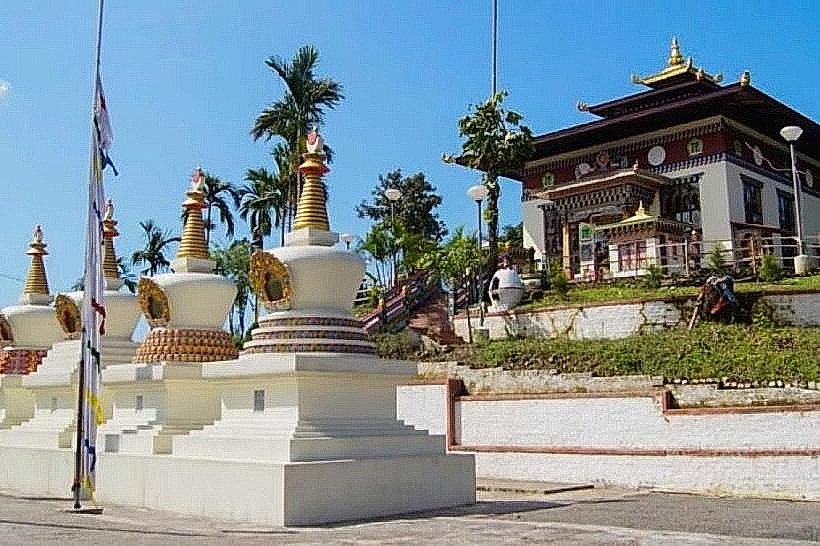
- Kharbandi Monastery (2.0km East)
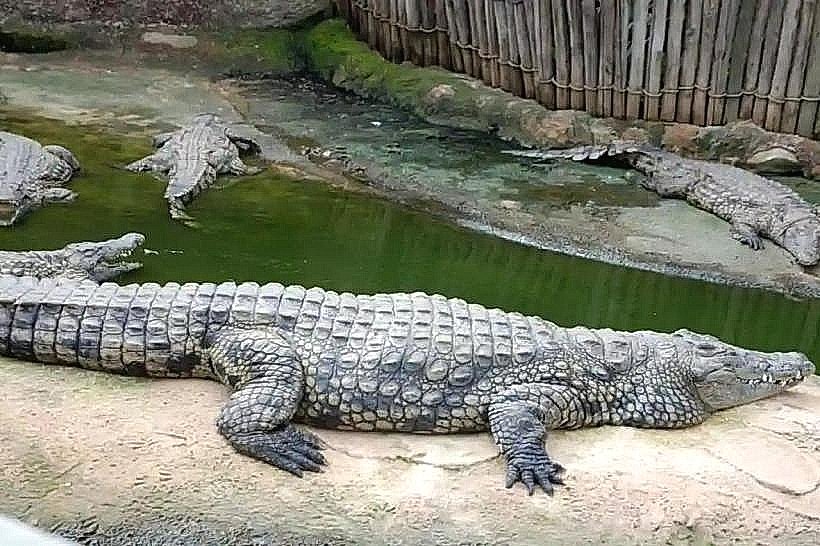
- Amo Chhu Crocodile Breeding Centre (3.5km Southeast)
- Phuentsholing Market (0.8km North)