Information
Landmark: Chukha Hydro ProjectCity: Phuentsholing
Country: Bhutan
Continent: Asia
Chukha Hydro Project, Phuentsholing, Bhutan, Asia
The Chukha Hydro Project is a significant hydroelectric power facility located in the Chukha District of Bhutan, near the border with India.
It is a run-of-the-river hydroelectric power station designed to generate electricity and supply water.
Visual Characteristics
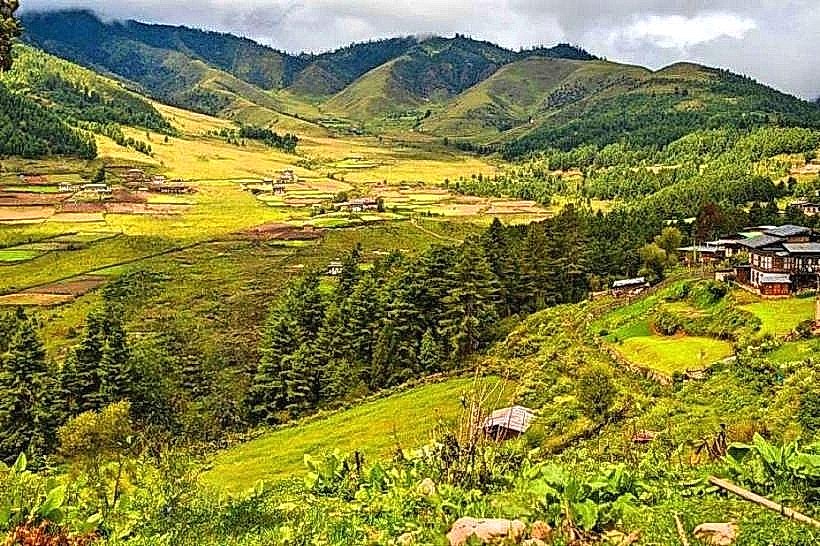
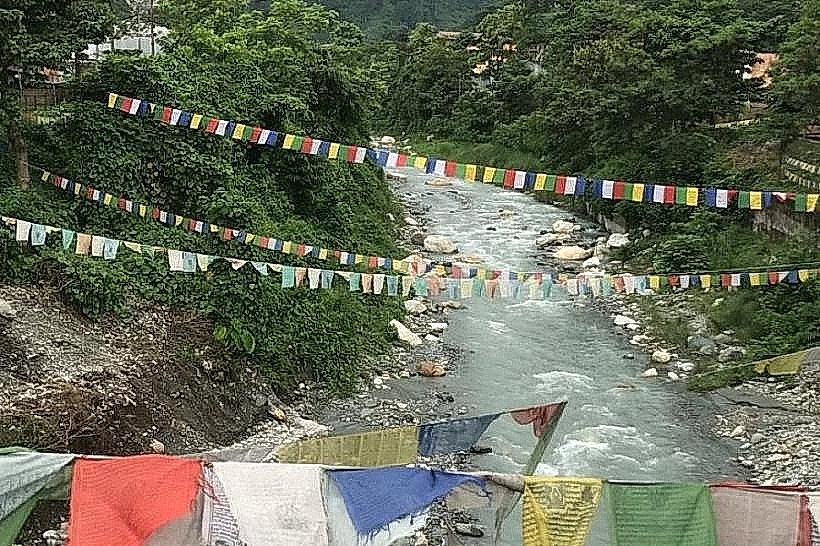
The project comprises a concrete gravity dam, approximately 40 meters high, impounding the Wang Chhu river. The dam creates a reservoir with a surface area of roughly 1.5 square kilometers. Downstream, the powerhouse is a substantial concrete structure housing four Pelton turbines. The surrounding terrain is characterized by steep, forested hills typical of the Himalayan foothills.
Location & Access Logistics
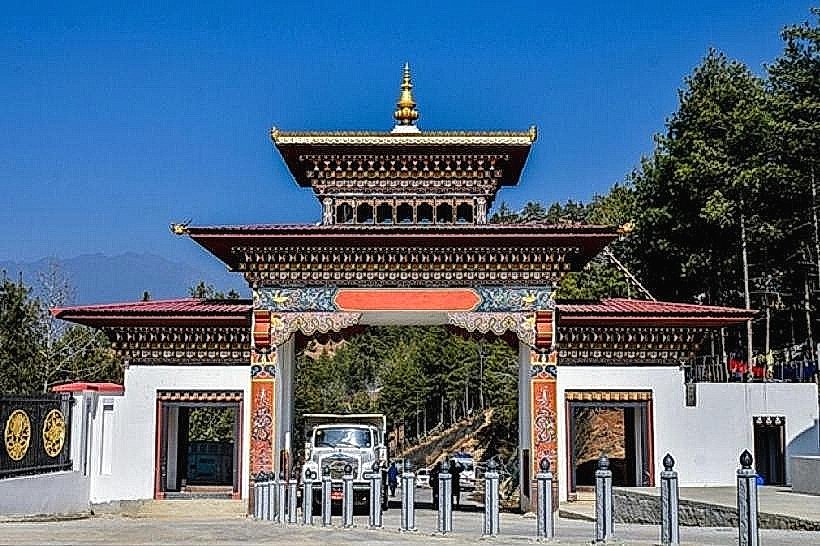
The Chukha Hydro Project is situated approximately 20 kilometers north of Phuentsholing, Bhutan's southern border town. Access is via the National Highway 2 (NH2), also known as the Phuentsholing-Thimphu Highway. The journey from Phuentsholing takes approximately 30-45 minutes by vehicle. There is a dedicated parking area at the dam site. Public transport directly to the project site is limited; private vehicles or taxis are the primary means of access from Phuentsholing.
Historical & Ecological Origin
Construction of the Chukha Hydroelectric Project began in 1974 and was completed in phases, with the first power generation unit commissioned in 1985. It was a collaborative project between the Royal Government of Bhutan and the Government of India. The project's original purpose was to harness the hydropower potential of the Wang Chhu river for electricity generation and to provide irrigation water. Ecologically, the project is situated within a subtropical forest zone, impacting the local riverine ecosystem.
Key Highlights & Activities
Visitors can observe the dam structure and the powerhouse from designated viewing areas. The primary activity is understanding the engineering and operational aspects of a large-scale hydroelectric project. Guided tours of the facility are sometimes available, subject to prior arrangement and security clearance. Photography of the dam and surrounding landscape is permitted from external viewpoints.
Infrastructure & Amenities
Basic visitor facilities are minimal. Restrooms are available near the main administrative buildings. Shade is limited to the immediate vicinity of the buildings. Cell phone signal (4G/5G) is generally available in the area. There are no food vendors directly at the project site; visitors typically bring their own provisions or dine in Phuentsholing.
Best Time to Visit
The best time of day for photography is generally in the morning when the sun illuminates the dam face. The most favorable months for visiting are from October to April, avoiding the monsoon season (June to September) which can bring heavy rainfall and potential road disruptions. The project operates year-round, and water levels are managed for consistent power generation.
Facts & Legends
A notable fact is that the Chukha Hydro Project is Bhutan's largest industrial undertaking and a primary source of revenue for the country through electricity export to India. A local legend speaks of the Wang Chhu river being a benevolent spirit whose power was respectfully harnessed by the Bhutanese people.
Nearby Landmarks
- Phuentsholing Town (20km South)
- Torsa River Tea Garden (22km South-West)
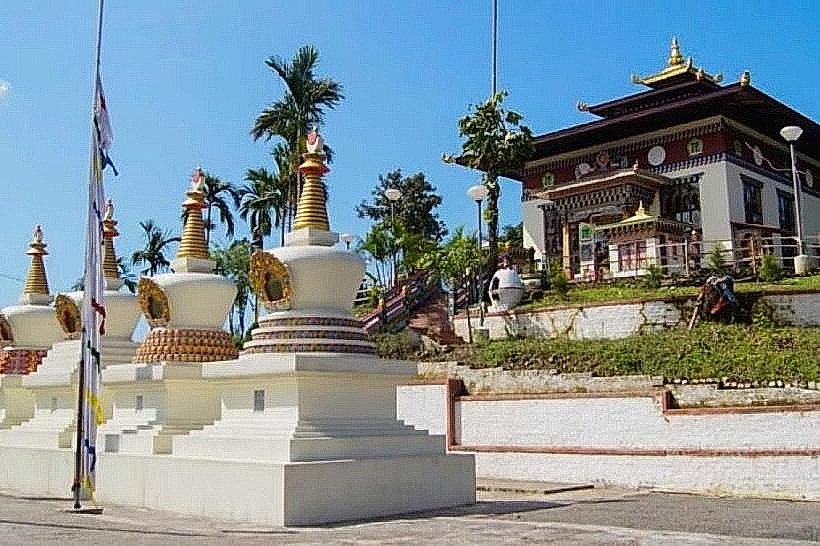
- Kharbandi Monastery (18km South)
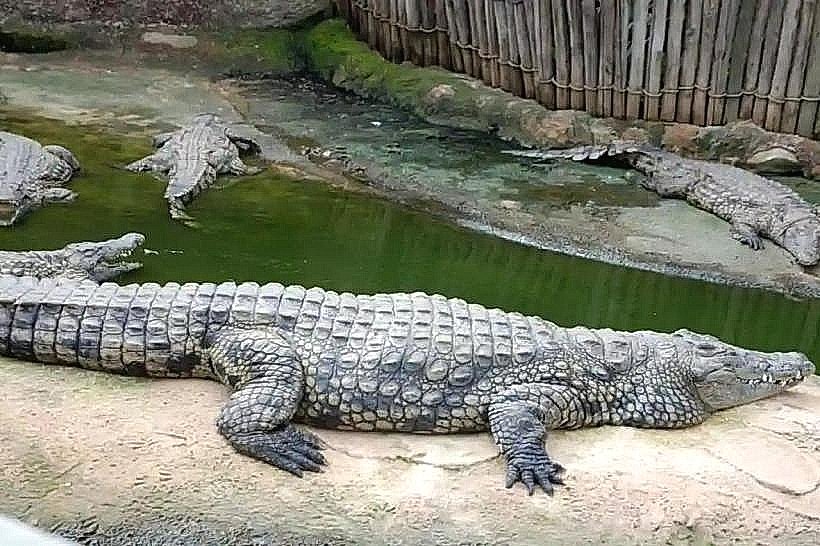
- Amo Chhu Crocodile Breeding Centre (21km South)