Information
Landmark: Phobjikha ValleyCity: Phuentsholing
Country: Bhutan
Continent: Asia
Phobjikha Valley, Phuentsholing, Bhutan, Asia
Phobjikha Valley is a broad glacial valley located in central Bhutan. It is situated at an elevation of approximately 3,000 meters (9,800 feet) above sea level.
Visual Characteristics
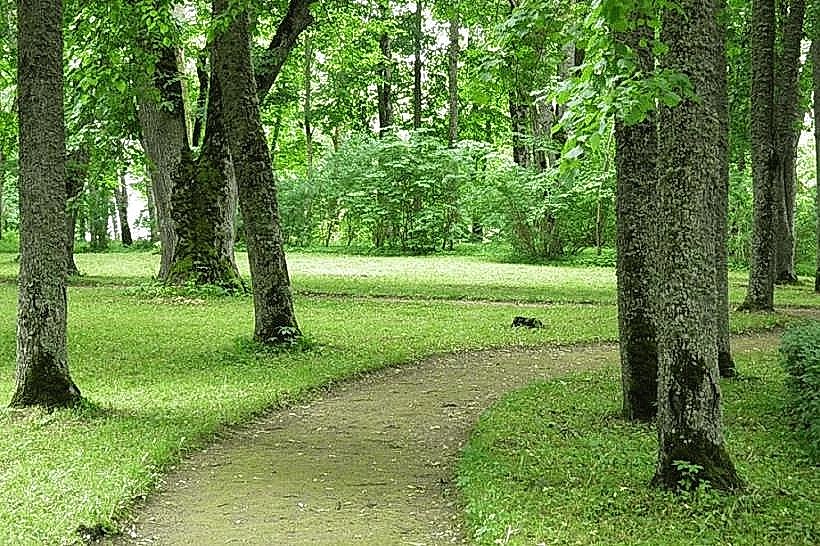
The valley floor is characterized by a wide, flat expanse of grassland interspersed with small streams and patches of birch and rhododendron forests. During winter, the grasslands turn golden-brown. The surrounding slopes are covered with coniferous forests, primarily pine and fir.
Location & Access Logistics
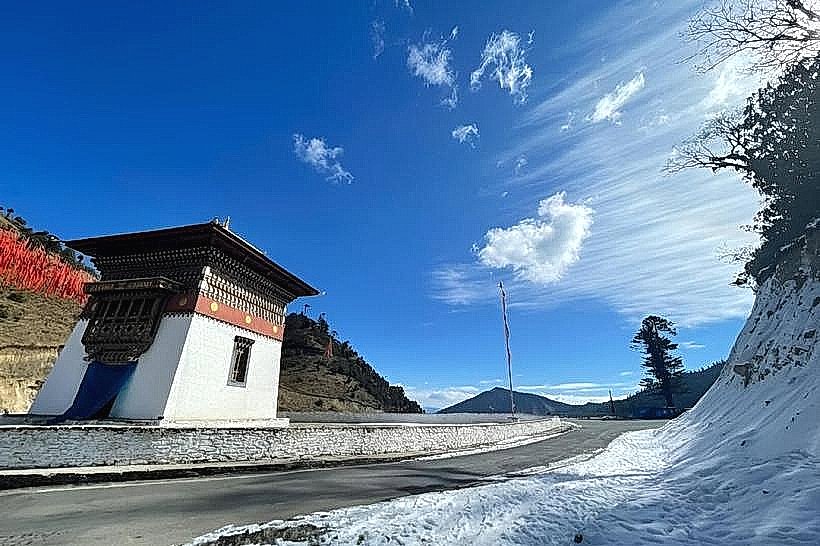
Phobjikha Valley is approximately 130 kilometers (81 miles) east of Phuentsholing. The journey from Phuentsholing typically takes 4-5 hours by road, primarily via the East-West Highway (AH4) and then branching off onto local roads. The final approach involves a winding mountain road. There is a parking area near the Gangtey Monastery, which serves as a central point for visitors. Public transport directly to the valley is limited; private vehicles or pre-arranged taxis are the most common modes of access.
Historical & Ecological Origin
The valley is a U-shaped glacial valley, formed by past glacial activity. It is ecologically significant as the wintering ground for the endangered Black-necked Crane, which migrate from the Tibetan Plateau between late October and February. The valley is also part of the Jigme Singye Wangchuck National Park.
Key Highlights & Activities
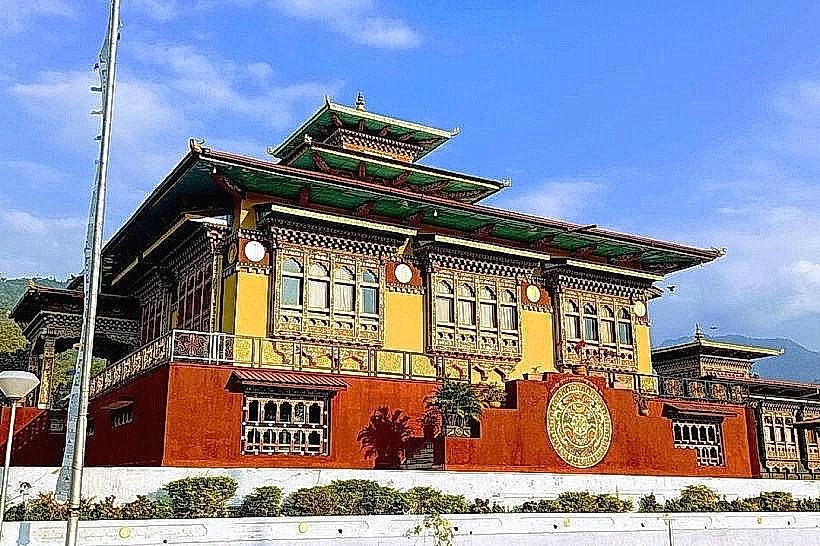
Observation of Black-necked Cranes (seasonal). Hiking the Gangtey Nature Trail (approximately 1.5 hours). Visiting Gangtey Monastery. Exploring the valley floor by foot or bicycle. Photography of the landscape and wildlife.
Infrastructure & Amenities
Restrooms are available at Gangtey Monastery and at some tourist facilities. Limited shade is available within the forest patches. Cell phone signal (4G) is generally available in the vicinity of Gangtey Monastery and some villages, but can be intermittent in more remote areas of the valley. Basic food vendors and small restaurants are located near Gangtey Monastery.
Best Time to Visit
For Black-necked Crane viewing, the period from November to March is optimal. The best time of day for landscape photography is during the early morning and late afternoon for softer light. The shoulder seasons of spring (March-May) and autumn (September-November) offer pleasant weather for hiking and general exploration.
Facts & Legends
The valley is considered sacred by the local population, and the Black-necked Cranes are believed to be manifestations of deities. A local legend states that if the cranes fail to return one winter, it signifies a period of misfortune for the region.
Nearby Landmarks
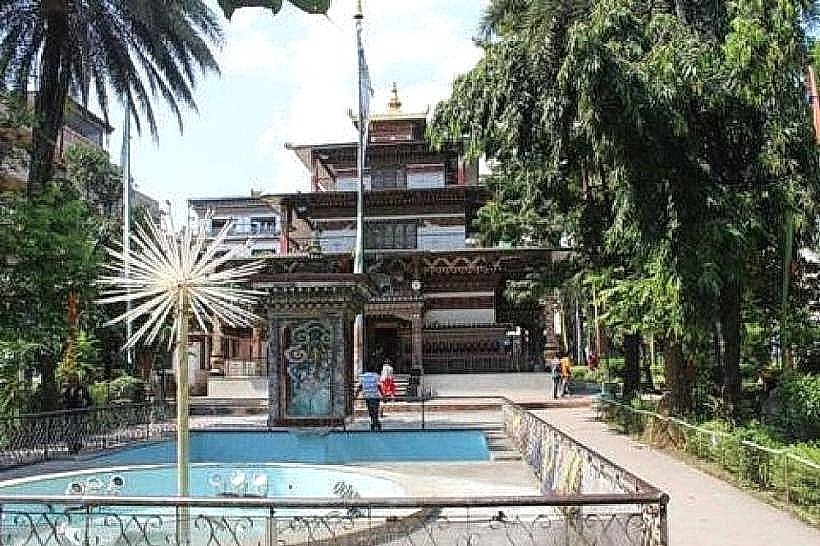
- Gangtey Monastery (0.2km North)
- Phobjikha Nature Information Centre (0.3km North)
- Khewang Lhakhang (2.5km Southwest)
- Sangchhen Dorji Lhuendrup Lhakhang (15km West)