Information
Landmark: Biloxi Historic DistrictCity: Biloxi
Country: USA Mississippi
Continent: North America
Biloxi Historic District, Biloxi, USA Mississippi, North America
The Biloxi Historic District is a designated area in Biloxi, Mississippi, preserving structures and sites of historical significance to the city.
It encompasses a collection of buildings and properties that reflect Biloxi's development and heritage.
Visual Characteristics
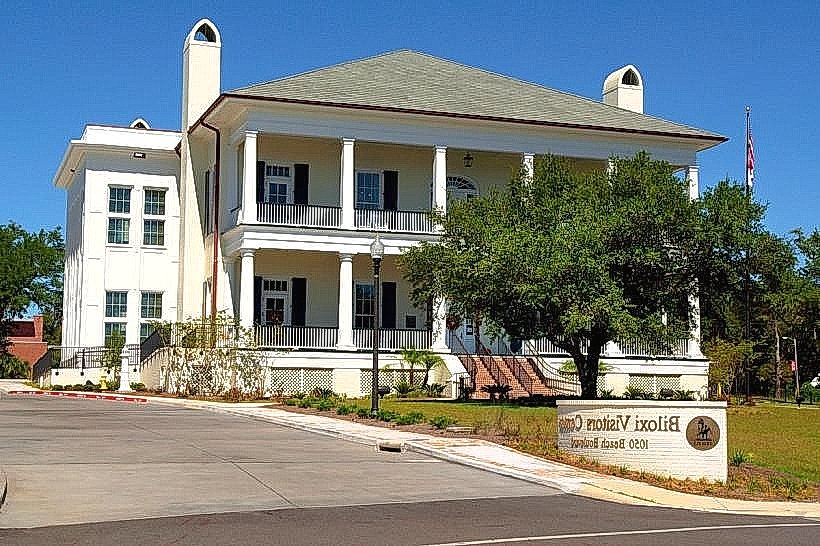
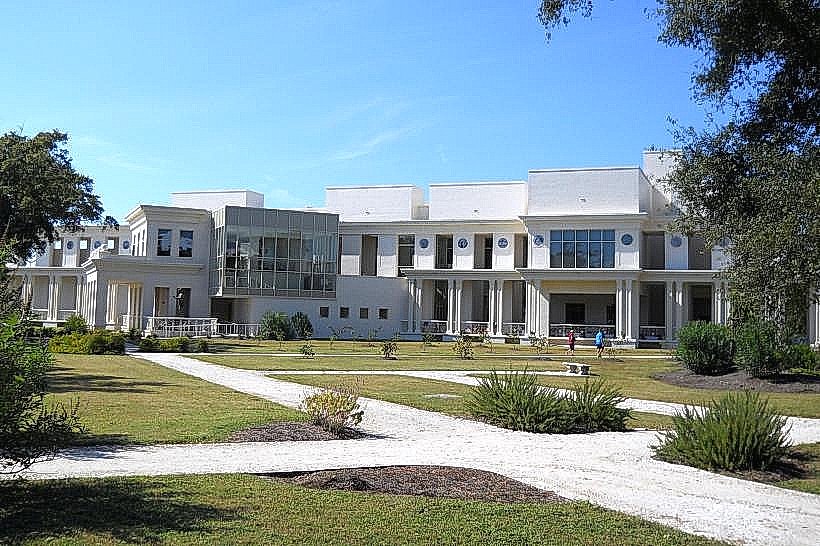
The district features a range of architectural styles, predominantly from the late 19th and early 20th centuries. Structures include Victorian, Queen Anne, and Craftsman bungalows. Materials commonly observed are wood siding, brick, and some stucco. Building heights vary, with most being one to two stories. Colors range from muted pastels to deeper, traditional hues. Many properties retain original architectural details such as wraparound porches, decorative trim, and gabled roofs.
Location & Access Logistics
The Biloxi Historic District is situated along the Mississippi Sound, primarily along U.S. Route 90 (Beach Boulevard) and extending inland. It is approximately 1.5 km west of the Biloxi city center. Parking is available at designated public lots and on some side streets, though availability can be limited during peak times. Public transport options include the Coastal Mississippi RTA bus service, with several stops along U.S. Route 90 that provide access to the district.
Historical & Ecological Origin
The district's origins trace back to the late 19th century when Biloxi began to develop as a resort town and a center for the seafood industry. Many of the preserved structures were built by prominent families and businesses during this period of growth. The area's ecological context is defined by its coastal plain setting, characterized by sandy soil and proximity to the Gulf of Mexico, influencing early settlement patterns and architectural adaptations for the climate.
Key Highlights & Activities
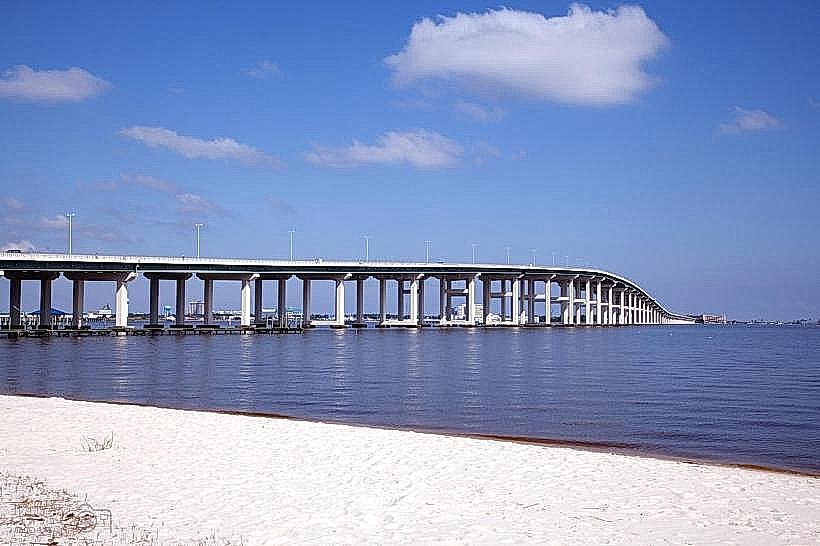
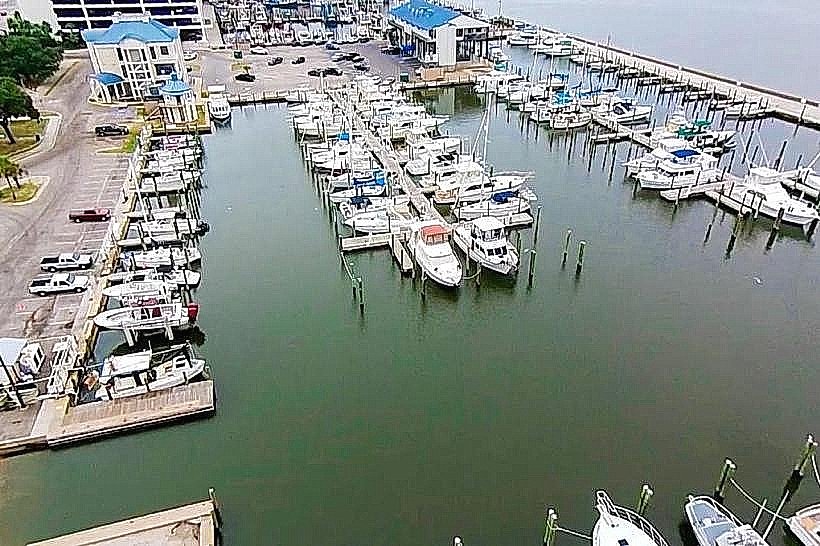
Visitors can observe the architectural diversity of the historic homes and public buildings. Walking tours focusing on architectural history and local heritage are available. Several properties offer interior tours, detailing historical periods and former residents. The district provides access to the Biloxi Bay and the Gulf of Mexico shoreline, facilitating views of maritime activity.
Infrastructure & Amenities
Restrooms are available at public access points and within some tourable properties. Shade is provided by mature trees lining many streets and by the architectural design of the buildings themselves (e.g., porches). Cell phone signal (4G/5G) is generally consistent throughout the district. Food vendors and restaurants are located along U.S. Route 90 and in adjacent commercial areas.
Best Time to Visit
For optimal lighting for photography of the structures, early morning (7:00 AM - 9:00 AM) and late afternoon (4:00 PM - 6:00 PM) are recommended, particularly during spring and fall. The months of April, May, October, and November generally offer mild weather conditions. High tide or low tide does not significantly impact access or viewing of the district's primary features.
Facts & Legends
A notable historical fact is that many of the district's homes were constructed using lumber salvaged from the extensive pine forests that once covered the region. A local legend suggests that some of the older homes are haunted by the spirits of former residents, particularly those who were prominent figures in Biloxi's early development.
Nearby Landmarks
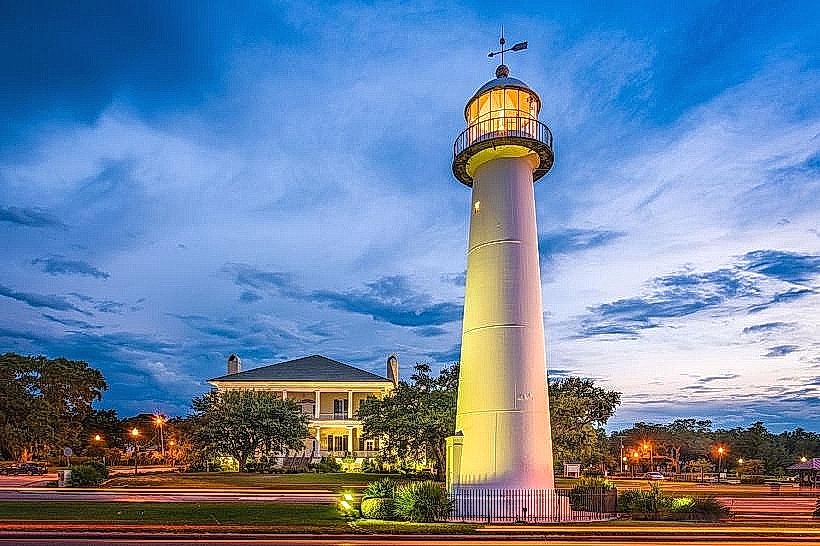
- Biloxi Lighthouse (0.8km East)
- Beau Rivage Resort & Casino (2.1km West)
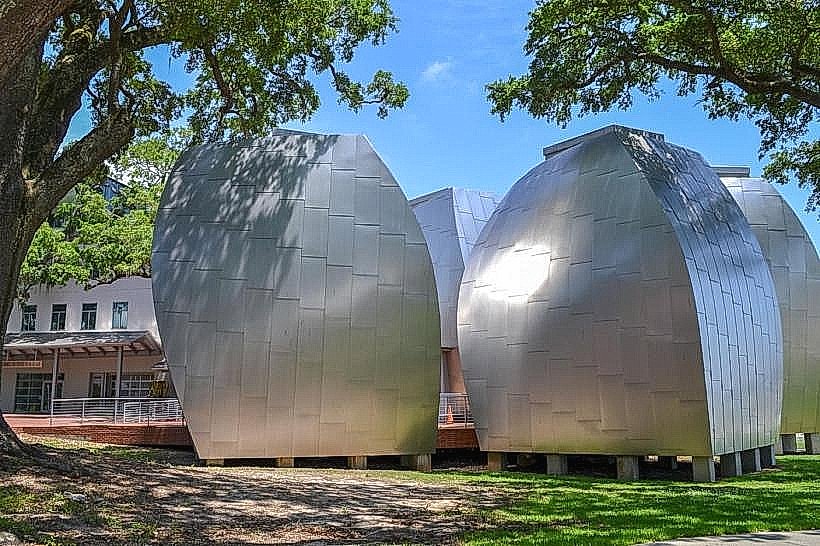
- Ohr-O'Keefe Museum of Art (1.2km West)
- Harrah's Gulf Coast Casino Hotel & Spa (3.5km West)
- Keesler Air Force Base (4.8km Northwest)