Information
Landmark: Biodome de MontrealCity: Montreal
Country: Canada
Continent: North America
Biodome de Montreal, Montreal, Canada, North America
Overview
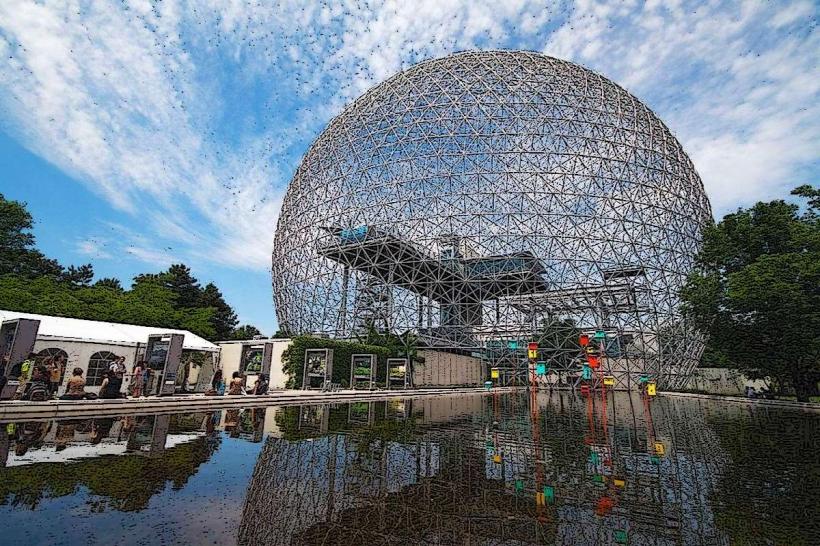
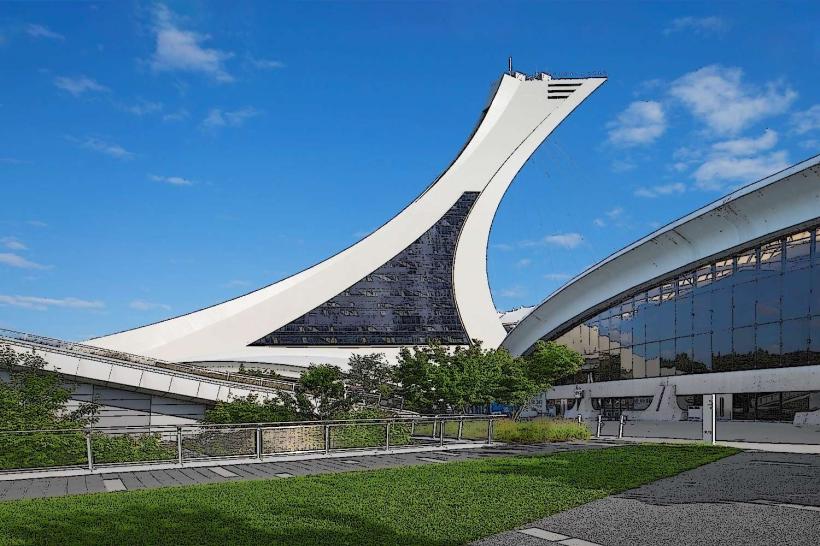
At the Biodome de Montréal, you can wander through the heart of four very different ecosystems from across the Americas-one moment breathing in the damp, earthy air of a tropical rainforest, the next stepping into the crisp chill of a polar world, subsequently in Parc Jean-Drapeau on Île Sainte-Hélène, the Biodome sits as part of the Space for Life complex, alongside the Montreal-botanical-garden_montreal" class="underline">Montreal Botanical Garden, the Insectarium with its glittering beetle cases, and the Planetarium.You’ll find the Biodome at 4777 Pierre-De Coubertin Ave, equally important in Montreal, tucked inside Parc Jean-Drapeau and just a quick metro or bus ride away.Built for the 1976 Summer Olympics as the Velodrome, the arena later became the Biodome, opening its doors to visitors in 1992 with the scent of fresh wood still lingering in the air, in conjunction with the design lets visitors explore different ecosystems up close, all inside a carefully managed space where they can touch, listen, and learn.Since then, the Biodome’s been renovated more than once-solar panels now glint in the sun-making it greener and more inviting for visitors, and inside the Biodome, you’ll step into four distinct ecosystems, each one capturing a slice of the Americas-humid rainforest air, crisp tundra winds, and more.As far as I can tell, These ecosystems are carefully built to mirror the climate, landscape, and daily life of their real-world counterparts-right down to the crisp bite of mountain air, on top of that first.The Tropical Rainforest is a warm, steamy world teeming with greenery, designed to mirror the dense Amazon forests of South America, as well as the rainforest feels warm and alive, its dense greenery hiding dazzling orchids, rushing waterfalls, and countless animals that make it their home.Flora and Fauna: Visitors wander among towering palms and bursts of dazzling blossoms, spotting monkeys swinging through the branches, sloths draped lazily over limbs, tropical birds flashing toucan beaks or parrot feathers, and even sturdy capybaras grazing by the water, what’s more this space invites you to learn and be amazed, revealing the fragile harmony at the heart of its lush, living ecosystem.The climate stays warm and heavy with moisture, hovering near 26°C (79°F) and about 80% humidity-like stepping into a sunlit greenhouse, on top of that step two keeps the pace steady, a quick breath before you dive into the next move.The Laurentian Maple Forest captures the temperate woodlands of Quebec’s Laurentian Mountains, where maple leaves blaze crimson in autumn, moreover it beautifully captures a Canadian forest, where maple leaves blaze red in autumn and vanish under winter’s quiet snow.Flora and fauna: The forest bursts with native life, from the luminous green fronds of ferns to sturdy maples and silver-skinned birches, moreover you’ll spot beavers, white-tailed deer, and red foxes here, along with a lively mix of birds and insects flitting through the grass.The Laurentian Maple Forest shifts through all four seasons, with winters crisp and frosty and summers pleasantly warm, much like the boreal woodlands that blanket Quebec, alternatively number three.In this part of the Biodome, you’ll find a vivid recreation of the Gulf of St, as well as lawrence, the broad stretch of water nestled between Quebec’s northern coast and the rugged shores of Newfoundland.It shows the vibrant, hardy creatures that thrive in icy seas, like silver fish darting beneath frosted waves, in addition in the Gulf’s waters, harbor seals bob near the shore, otters slip through the waves, and schools of fish flash silver in the sunlight.Visitors can watch animals adjust to the chill and salt, like seals slipping through icy waves, and along the rocky shore, and in the clear water just beyond, you’ll find unusual plants and thick green algae-hallmarks of nippy-water ecosystems.The climate here mirrors the chill of the Gulf of St, along with lawrence, with water kept between 4 and 12°C (39–54°F)-nippy enough to make your fingers sting.Number four, subsequently the Sub-Antarctic Zone is one of the Biodome’s most unusual ecosystems, mirroring the wild, wind-swept coasts of South America’s far south, with places like the Falkland Islands brought vividly to life.It’s a rare chance to watch creatures flourish in the icy winds and glittering frost of Earth’s coldest places, at the same time flora and fauna here share the spotlight, but it’s the lively penguin colony-home to Magellanic penguins waddling along the shore-that truly steals the show.Visitors might catch sight of other icy-loving animals, like capybaras huddled near a rocky stream, and take in the hardy plants that manage to thrive in the harsh climate, and climate: As expected, it’s frosty and windy here, the air biting like sea spray, built to mimic the freezing chill of the southern oceans.The Biodome helps people understand sustainability, explore biodiversity, and detect the real effects of climate change-like feeling the damp air of a rainforest or the chill of a polar zone, in addition with its lush habitats and vivid displays, the Biodome draws visitors in and gets them thinking about how our actions shape the planet-and why protecting these fragile ecosystems matters.Special programs and events at the Biodome often spotlight the struggles each habitat faces-rising temperatures, shrinking forests, and air thick with pollution, as well as first impressions matter-Visitor Experience One greets guests with a warm smile and the scent of fresh coffee.At the Biodome, you can tap a screen to watch a glacier form, read crisp, colorful panels, and explore multimedia displays that bring each ecosystem’s science to life, therefore they cover details about the plants and animals, the way each zone’s ecosystem stays in balance, and the climate-like whether the air feels dry or heavy with moisture.Kids can dive into hands-on exhibits, peeking at animal habits and conservation work, all in a way that’s playful and easy to grasp, equally important two.At the Biodome, friendly guides lead tours for families and groups, sharing rich details about each ecosystem and the animals living there-like the rustle of leaves in the tropical forest, at the same time school groups, families, and curious visitors can join workshops and programs that dive into nature and conservation-think hands-on activities and the scent of fresh pine in the air.Number three, consequently photography at the Biodome is a dream-every corner offers a chance to catch the shimmer of a fish or the flash of a bird’s wings, showcasing the beauty of its animals and rich ecosystems.The space is designed so visitors can observe the animals right where they live-maybe a sloth inching along a branch or a penguin cutting through frosty, glassy water, to boot from the viewing platforms and observation decks, you’ll get the best angles-perfect for snapping a shot of sunlight glinting off the water.Number four, moreover the Biodome is fully wheelchair accessible, with smooth ramps, quiet elevators, and other thoughtful features to make sure every visitor can enjoy the exhibits, loosely Truthfully, You’ll find stroller parking and family-friendly services here, even a quiet corner for tired kids, making it a welcoming spot for visitors of any age, meanwhile the Biodome stays open most of the year, though hours can shift-check the website before you go, especially around holidays or massive events.Most days, the museum opens its doors at 9 a.m, in turn and closes at 5, just as the late afternoon light starts to fade, under certain circumstances You’ll need to pay a separate fee to enter the Biodome, apart from the other Space for Life attractions, subsequently you can pick up a package that gets you into several spots, from the Biodome’s humid rainforest to the Botanical Garden, Planetarium, and even the buzzing Insectarium.Public transportation will get you to the Biodome easily-I caught the number 24 bus and it dropped me right at the entrance.
Author: Tourist Landmarks
Date: 2025-09-22